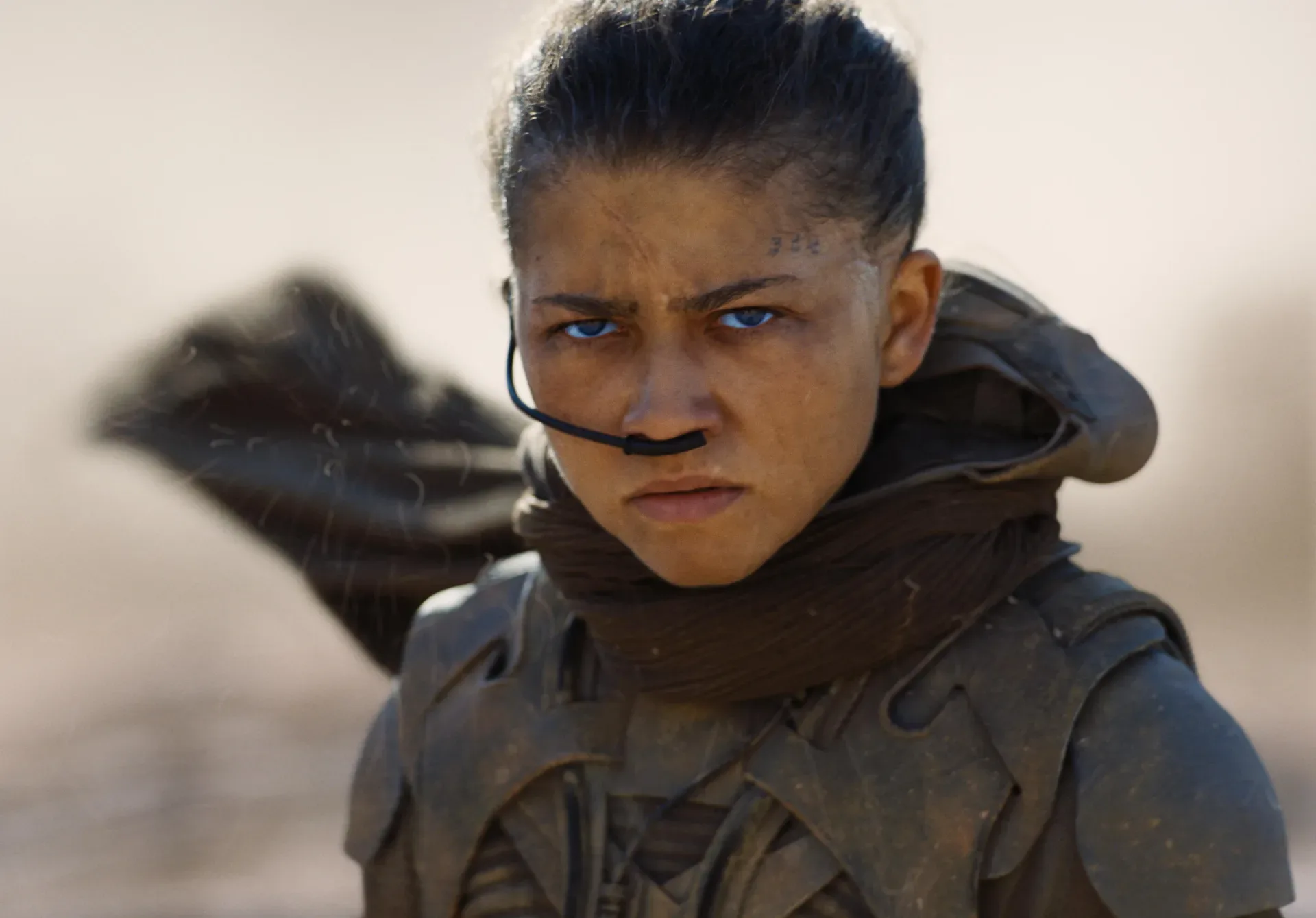
The first piece of released music from Dune: Part Three is here. Titled “Desert Chant,” the track is written by Hans Zimmer and opens with Timothée Chalamet humming before rising into a war chant.
That progression is a compact but meaningful introduction to the next film’s atmosphere. A hum is close, individual and restrained; a chant suggests something communal, ceremonial and potentially militarized. For a story centered on Paul Atreides after his rise to power, the musical movement from one voice into something larger fits the supplied outline of a ruler confronting the consequences of his reign.
Zimmer returns after scoring the earlier films, while Chalamet returns as Paul. The new movie continues after the end of Dune: Part Two, with Paul now emperor. It is inspired by Frank Herbert’s Dune Messiah and jumps ahead 17 years from the prior film’s events. The stated focus is not simply on a new conflict or a fresh frontier, but on the fallout of control: Paul’s rule, the darker direction of the world around him, and a future-seeing mind that has become clouded after he takes command of the galaxy.
What “Desert Chant” establishes
A single is an individual song released separately from a larger musical project. In film-score terms, releasing one cue early can give audiences a tonal marker without revealing the full structure of the soundtrack or the story it accompanies. “Desert Chant” does exactly that in the limited description available: it announces a vocal-led piece, Chalamet’s presence within it, and an escalation into a war chant.
That does not establish where the music plays in the film, what characters may be present, or whether the chant belongs to a particular faction. Those details have not been provided. But the track’s title and described shape plainly place voice, desert imagery and conflict at the center of its presentation.
The vocal opening is notable because it puts Chalamet’s voice in the first released musical material rather than treating the score solely as background accompaniment. The report does not identify whether his humming is performed in character, nor does it provide lyrics or further musical credits. It does, however, make the voice-to-chant build the defining feature of the release.
For listeners, the practical takeaway is straightforward: “Desert Chant” is a preview of Zimmer’s musical language for the third film, not a complete guide to its score. It offers a mood and a sonic gesture more than a plot explanation. Fans looking for concrete revelations about scenes, narrative turns or the movie’s full sound palette should be careful not to infer them from a single track description.
A return to the novel that connected Zimmer and Villeneuve
Zimmer has described Dune as a book that captivated him during his teenage years. He has also linked that early experience to his creative connection with director Denis Villeneuve: two young readers, moved by the same novel’s mysticism and philosophy, eventually meeting and becoming creative partners.
His comments frame the films as more than a work-for-hire assignment. Zimmer describes returning to Arrakis as a return to a formative imaginative space, while also recognizing that he and Villeneuve now have the craft and experience to turn their internal images into filmmaking. The key point is not that the new score seeks to recreate teenage nostalgia, but that a long-held personal response to Herbert’s book remains part of the creative foundation.
That background helps explain why the release of one piece of music carries weight for the project. Zimmer’s involvement is continuous across the film series, and the third installment returns to a story world that he says mattered to him long before the films existed. “Desert Chant” therefore arrives as part of an ongoing collaboration and a longstanding relationship with the material.
The comments also identify the qualities that have remained important to him: imagination, mysticism and philosophy. Those are broad ideas rather than confirmation of specific plot material in the new movie. Still, they are useful lenses for understanding why a track built from an intimate vocal start and a larger chant may be a fitting first selection to release.
Paul Atreides’ next chapter is about power’s aftermath
Dune: Part Three places Paul in a very different position from a character striving to survive or claim authority. He has already ascended to power by the end of Dune: Part Two. The story then moves 17 years forward and examines what follows when that authority has had time to shape the galaxy.
The supplied story details emphasize that this is a dark period. Paul still has visions of the future, but his mind has become clouded since taking control. In narrative terms, that creates an especially troubling tension: foresight would ordinarily seem to be an advantage, yet it is less dependable when the person with that gift is also burdened by rule and its consequences.
The term emperor matters here because it describes authority on a galactic scale, not a local victory or a temporary command. A story about an emperor’s rule naturally has broader stakes: decisions radiate beyond the person making them, and their consequences become part of the story’s central conflict. The 17-year time jump reinforces that the film is interested in effects that endure rather than only the immediate moment of Paul’s ascent.
“Desert Chant” cannot answer how the film will resolve those pressures. Yet a war chant is an apt early signal for a story in which politics, devotion and violence may be inseparable from the legacy of a ruler. That is analysis of the material’s stated setup, not confirmation that the song accompanies a particular battle or event.
Returning and new cast members
Chalamet leads the returning cast as Paul Atreides. Rebecca Ferguson and Javier Bardem are also returning. Pugh returns as Princess Irulan, with her role expanding in the new film. Anya Taylor-Joy reprises Alia Atreides, described as becoming a devoted follower of her brother.
The new cast additions include Pattinson and Isaach de Bankolé. De Bankolé plays Paul’s former Fedaykin death commando. The description identifies a character with a direct past connection to Paul and the Fedaykin, but does not provide a name or additional story information.
These cast details complement the film’s premise without filling in gaps that have not been disclosed. Irulan’s expanded role, Alia’s devotion to Paul and the arrival of a former Fedaykin commando all suggest that the consequences of Paul’s rule will be explored through people around him as well as through Paul himself. But their precise loyalties, conflicts and arcs remain unconfirmed by the available information.
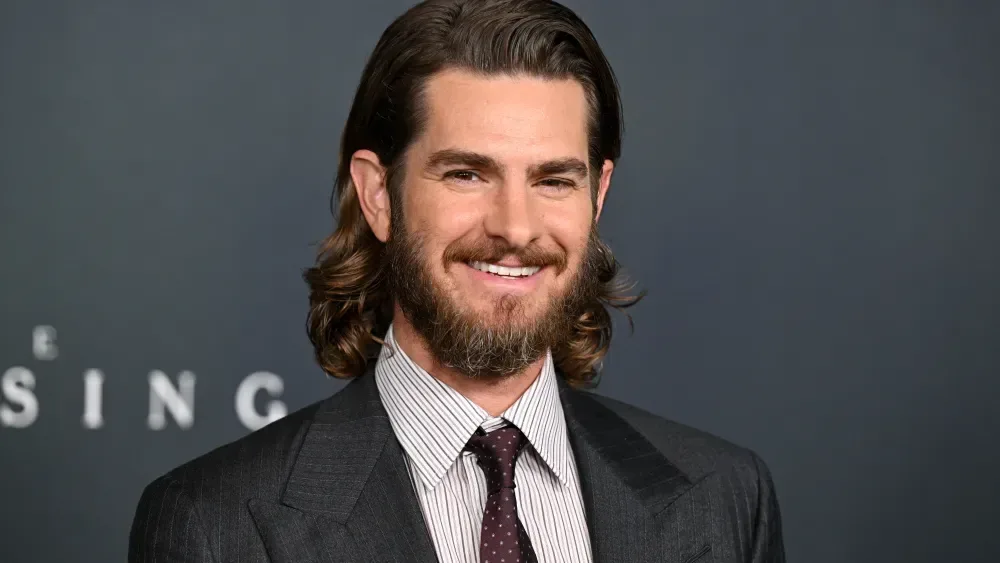
For more film-world coverage beyond Arrakis, readers can also follow Andrew Garfield’s upcoming Santa Barbara Film Festival honor.
Release date and what remains unknown
Dune: Part Three is set to debut in theaters on Dec. 18. “Desert Chant” is the first single from the film, making it the earliest released musical window into this next stage of Paul Atreides’ story.
There is still a great deal the track does not reveal. No full soundtrack track list has been provided. No duration, lyrics, scene placement or broader score details are included in the available information. Likewise, while the cast list names several returning and new performers, it does not outline every character relationship or storyline.
What is clear is the intended direction: Zimmer is back, Chalamet’s voice opens the first released song, and the film moves into a much later, darker chapter of Paul’s reign. “Desert Chant” is less a spoiler-filled advance look than a tonal dispatch from Arrakis—one that starts in a single human voice and grows toward collective conflict.