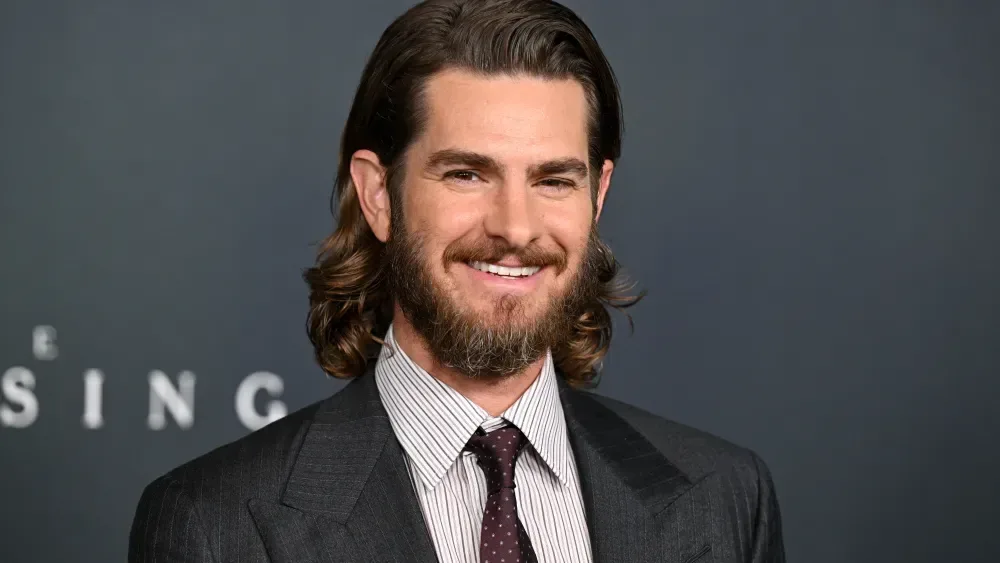
Andrew Garfield will receive the Maltin Modern Master Award at the Santa Barbara International Film Festival on Feb. 6. The honor will be paired with an on-stage conversation between Garfield and film critic Leonard Maltin, offering a career-spanning look at an actor whose credits move between blockbuster franchises, prestige dramas, television and theatre.
The 42nd edition of the festival is scheduled for Feb. 3 through Feb. 13. Its program will include screenings, filmmaker question-and-answer sessions, industry panels and celebrity tributes, placing Garfield’s event within the festival’s broader awards-season programming.
What the Modern Master honor recognizes
The award began in 1995 as the Modern Master Award. It recognizes an individual whose film work has enriched culture. In 2015, it was renamed the Maltin Modern Master Award in recognition of Maltin, the long-serving festival moderator who will lead Garfield’s discussion.
That format matters. A festival tribute is not simply a presentation of a trophy: the conversation is designed to connect a recipient’s body of work, creative choices and current projects. In Garfield’s case, there is a substantial range of material to cover, from widely seen studio releases to films associated with distinctly auteur-driven directors.
Maltin described Garfield as an artist who has earned the confidence of both critics and audiences, specifically pointing to the challenge of sustaining a career that includes mainstream Hollywood productions alongside demanding director-led work.
“It’s no simple matter to balance a career between mainstream Hollywood movies and challenging director-driven projects, but he has done exactly that and done it well,” Maltin said.
A career built across very different kinds of projects
Garfield’s filmography makes the rationale for the honor fairly clear. He portrayed Peter Parker in The Amazing Spider-Man films, taking on one of modern film’s most recognizable superhero roles. Franchise work on that scale places an actor before a global audience and comes with expectations tied to an established character, action set pieces and a long-running comic-book legacy.
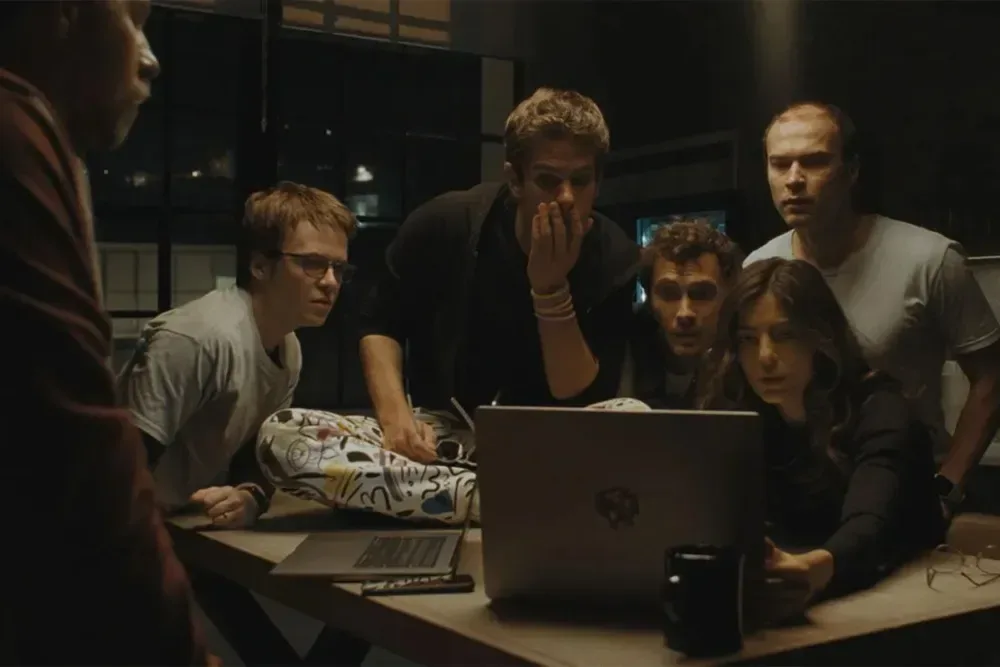
But Garfield’s career cannot be reduced to the web-slinger suit. His credits also include David Fincher’s The Social Network, Martin Scorsese’s Silence and Mel Gibson’s Hacksaw Ridge. The supplied record also identifies Luca Guadagnino’s After The Hunt among his work. Taken together, those projects reflect collaborations with filmmakers known for markedly different approaches, genres and tones.
The distinction between a mainstream production and a director-driven project is useful here. It does not mean one category is automatically more artistically valuable than the other. Rather, it describes different creative settings. A major franchise asks performers to work within a large pre-existing property and a broad audience framework. A director-led film can put more emphasis on the particular vision of its filmmaker, often demanding a different register of performance. An actor who works comfortably in both spaces can reach varied audiences without being restricted to one screen persona.
Garfield’s recognition also encompasses work beyond cinema. He earned an Emmy nomination for Under the Banner of Heaven, while his awards include a Golden Globe and a Tony Award. The latter is a major theatre honor, a reminder that an actor’s career can develop across forms rather than following a straight line from one type of film role to the next. He has also received two Academy Award nominations.
An upcoming role with unusual real-world resonance
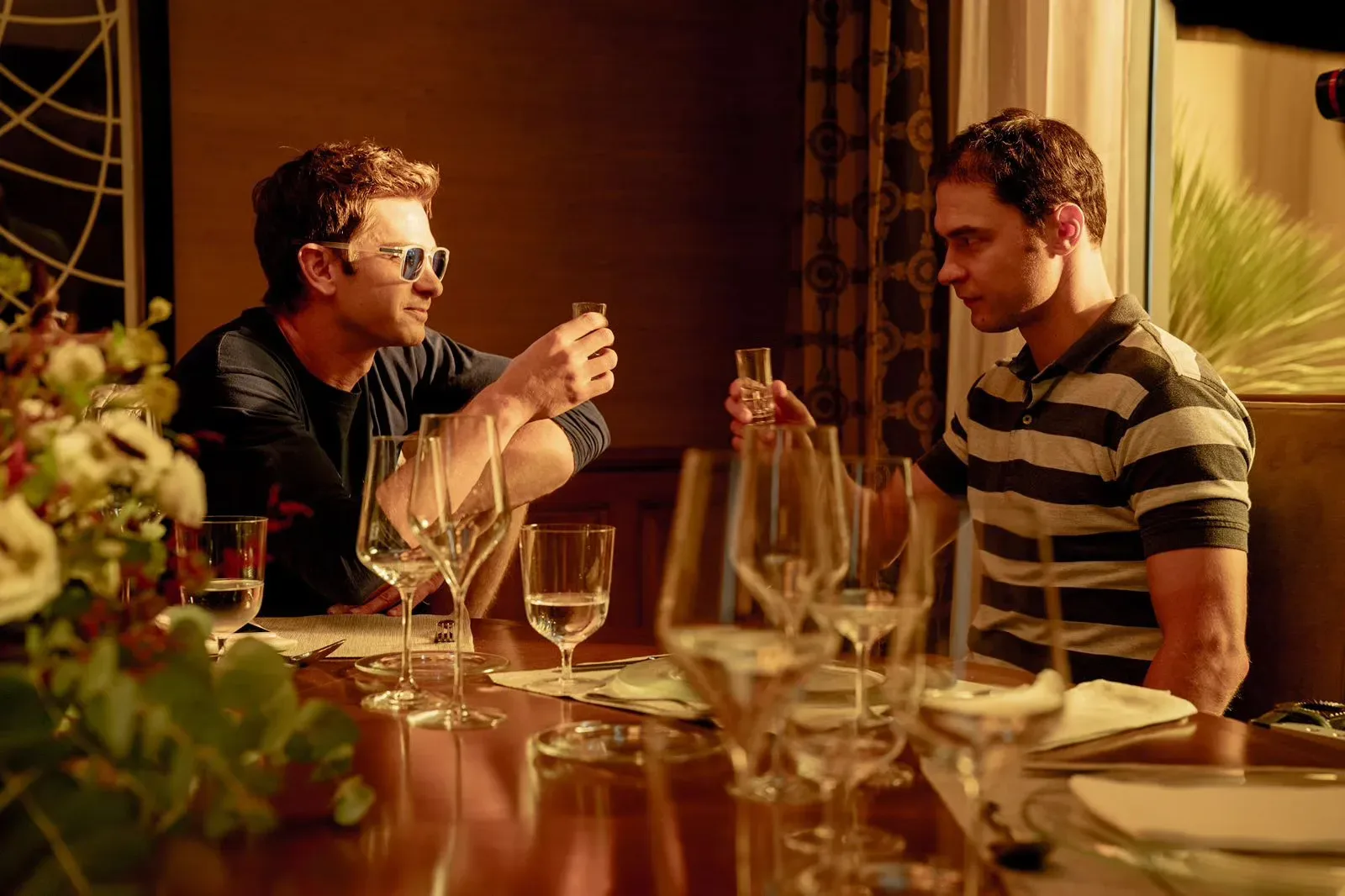
The Santa Barbara conversation is expected to include Garfield’s upcoming role in Guadagnino’s Artificial, in which he plays OpenAI CEO Sam Altman. A performance based on a living technology executive presents a different kind of acting assignment from portraying a fictional hero or adapting a historical narrative. It puts a recognizable public figure at the center of a film performance and invites attention not only to the character work, but also to the relationship between a dramatized portrayal and the public identity viewers may already know.
The title and casting also give the event an obvious contemporary angle. Artificial intelligence is a broad technical term for computer systems that perform tasks associated with learning, prediction, language or decision-making. It is not a description of one single product or capability. In a film context, though, the term may also signal a story about the people, organizations and public debates surrounding the technology. No additional plot details for Artificial have been provided, so the scope and treatment of those subjects remain unconfirmed.
That uncertainty is precisely why a festival conversation can be more valuable than a simple list of credits. It gives an actor room to discuss the through-lines in a career while allowing an upcoming role to be addressed on its own terms, without assuming what the finished film will argue or how audiences will receive it.
Joining a long list of prior recipients
Garfield joins an established group of Maltin Modern Master Award recipients. Past honorees include Adam Sandler, Angelina Jolie, Jamie Lee Curtis, Nicole Kidman, Javier Bardem, Robert Downey Jr., Denzel Washington, Cate Blanchett, George Clooney, Christopher Plummer, Christopher Nolan, James Cameron, Sean Penn, Clint Eastwood and Peter Jackson.
That list includes performers, directors and filmmakers whose work spans popular entertainment and highly individual creative careers. It reinforces the award’s wide lens: it is not confined to a single genre, profession or studio system lane. Garfield’s place in that group follows a body of work that includes superhero cinema, acclaimed dramatic features, television and stage recognition.
For fans, the Feb. 6 event is most notable as a chance to see his career considered as a whole rather than through any one role. Peter Parker may be the character many viewers first associate with Garfield, but the award’s framing makes room for the full mix of work represented by The Social Network, Silence, Hacksaw Ridge, Under the Banner of Heaven and his forthcoming Guadagnino collaboration.
Why festival tributes still matter
Celebrity tribute events are sometimes treated as a brief stop on an awards calendar, but their value lies in preservation as much as promotion. Film careers are commonly discussed one release at a time: a trailer, a box-office result, a review, a nomination or a casting announcement. A retrospective conversation instead considers patterns across decades, including the risks involved in moving between commercial visibility and difficult material.
That wider view is especially relevant for performers whose best-known character can eclipse their other work. Garfield’s Spider-Man films are an essential part of his career, but they sit alongside collaborations with Fincher, Scorsese, Gibson and Guadagnino, as well as award-recognized television and theatre work. The Maltin Modern Master Award is built to recognize that cumulative contribution.
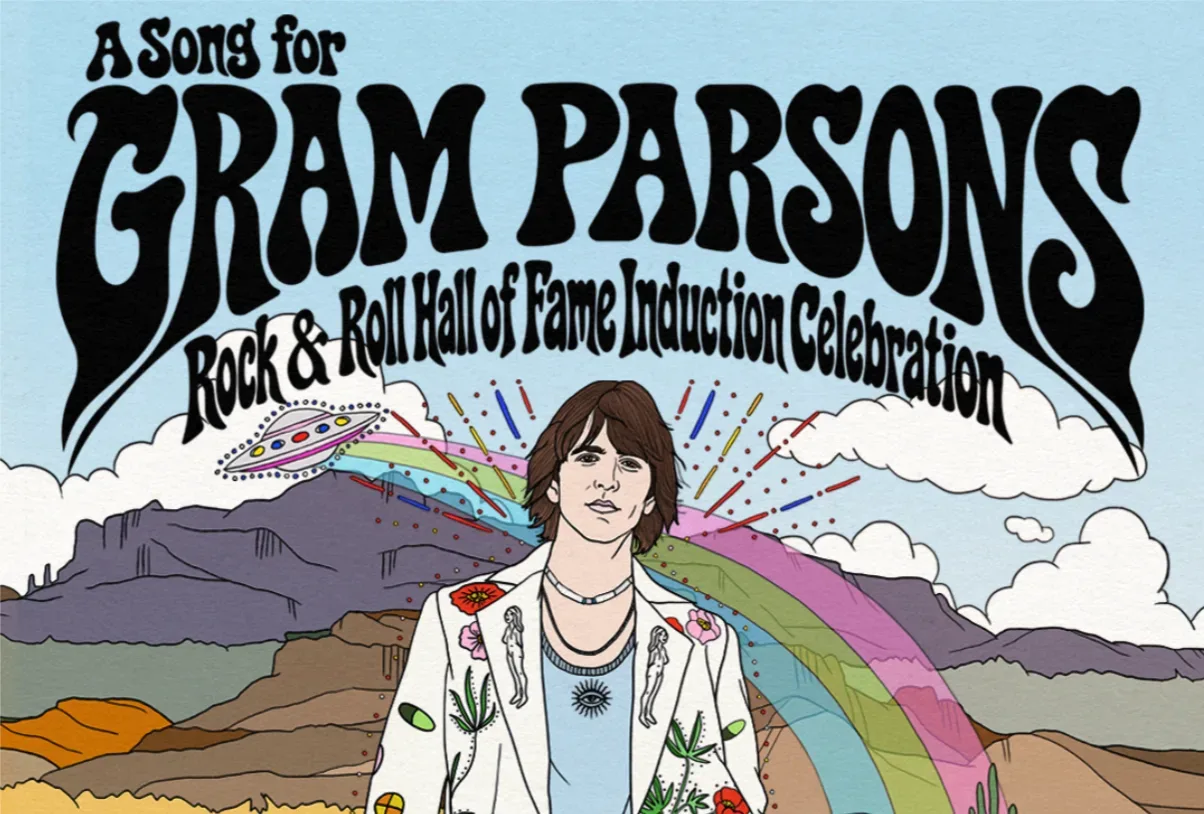
Santa Barbara’s festival will feature many kinds of programming across its Feb. 3–13 run, and Garfield’s tribute is one of its celebrity-focused events. It arrives during a period when cultural honors continue to offer a public setting for artists to discuss their work at length; another upcoming example in music is a Gram Parsons tribute at the Troubadour.
For Garfield, the Feb. 6 recognition marks an acknowledgment of a career defined less by a single lane than by its ability to move between them. The planned conversation with Maltin should provide the festival audience with the clearest opportunity to hear how those choices connect, including the road to Artificial.