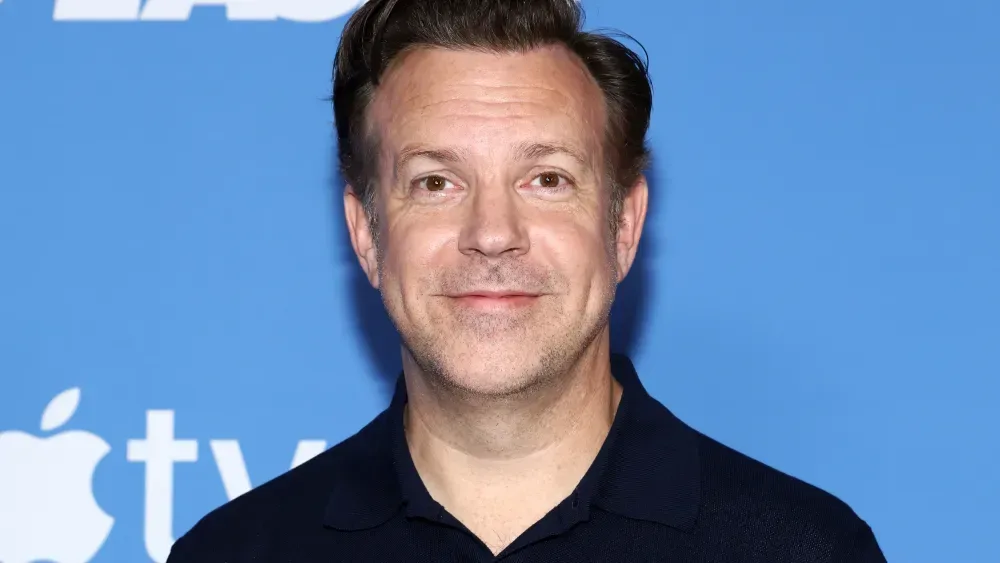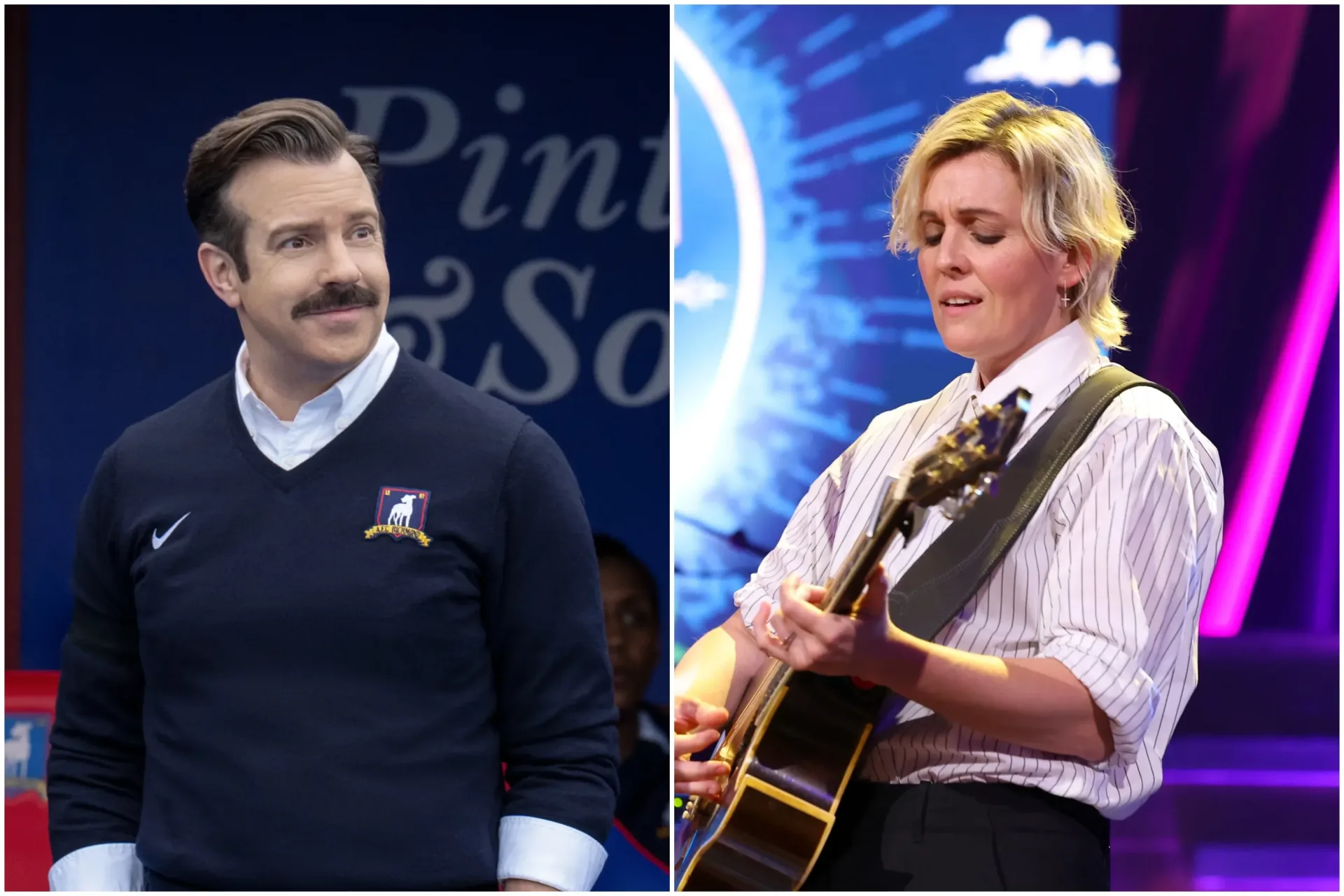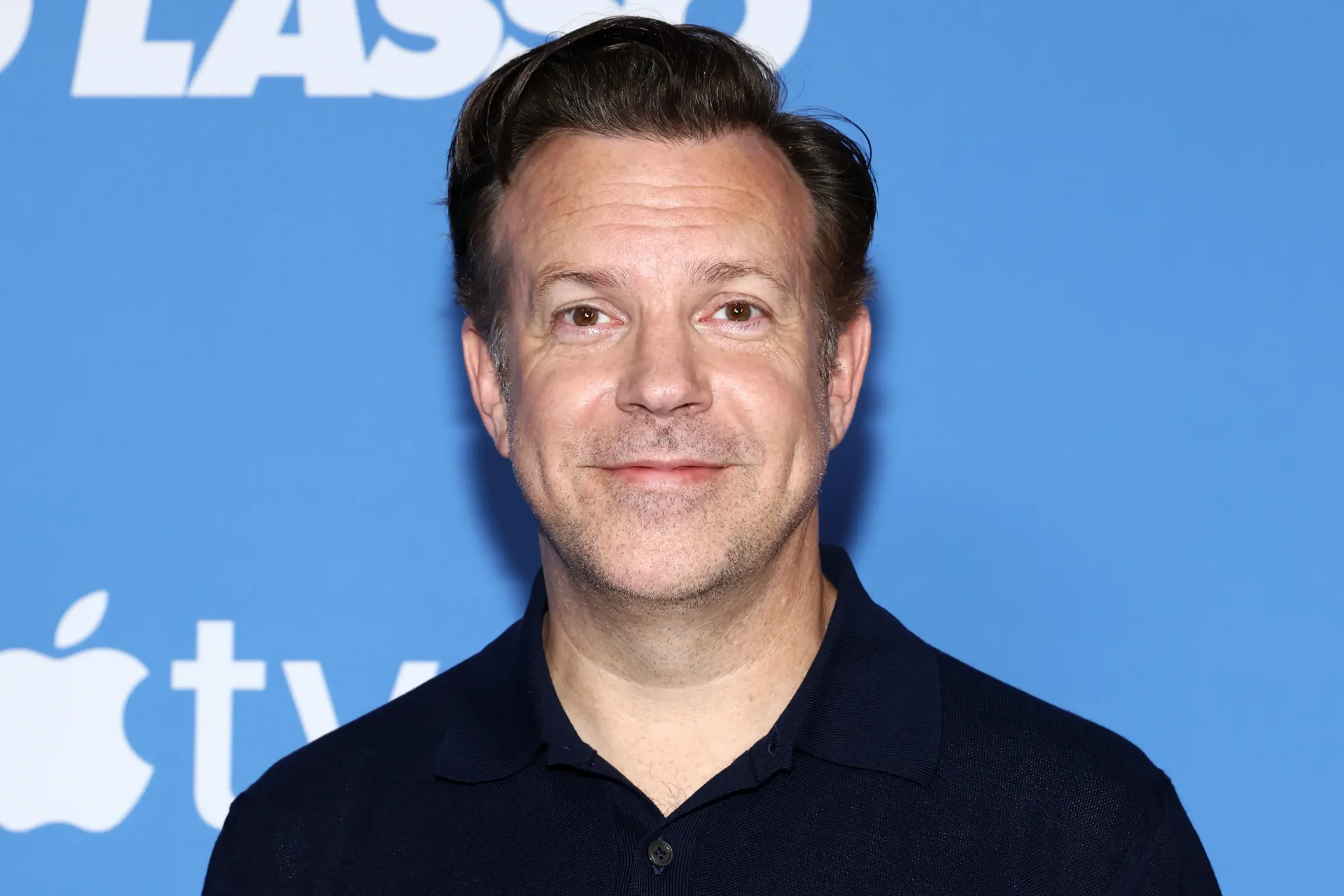
Jason Sudeikis would like Ted Lasso to keep playing past its recently completed fourth season, but there is an important catch: wanting more episodes is not the same as having more episodes in motion.
Speaking on Talk Easy with Sam Fragoso, Sudeikis said he would like to continue the Apple series for a fifth and sixth season. At present, however, he said he simply does not know what will happen next. No writers’ room has started, meaning there is no confirmed creative process underway for a new season.
That distinction matters in television, where viewers can understandably interpret an actor’s enthusiasm as an imminent renewal. It is not one. A writers’ room is the group of writers responsible for developing a season’s stories and scripts; when no room has begun, there is not yet a formal next-season storytelling operation to point to. Sudeikis also suggested that a continuation would depend in part on whether the main cast wanted to return, while saying he would assume Apple would continue the program under those circumstances.
So the clearest status is also the least dramatic one: Sudeikis is open to more Ted Lasso, but Seasons 5 and 6 have not been confirmed.
What Sudeikis actually said about more seasons
The fourth-season finale aired earlier this month, and the conversation turned quickly to whether its lead would want the show to continue. Sudeikis’s answer was positive but cautious. He said he “would like to” make more, while emphasizing that he was not deliberately withholding a decision: he does not know where things stand.
For fans, that leaves room for hope without establishing a release timetable, a production start, a returning ensemble, or even a firm Season 5 order. Those are all separate steps. In practical terms, the absence of a writers’ room means speculation about plot, episode counts, filming or future-season premieres would get ahead of the available information.
It also keeps the focus on the collaborative reality of a show built around an ensemble. Sudeikis’s comments did not present future seasons as a one-person decision. His point about the principal cast is a useful reminder that a popular central character and a workable ongoing series are related, but not identical, propositions.
Why the uncertainty is worth preserving
Entertainment coverage often turns possibility into certainty at high speed: a performer says they are interested, an audience wants another season, and suddenly a continuation can be discussed as though it has been ordered. That is precisely the kind of gap worth keeping visible here.
Related coverage includes Jason Sudeikis Would Like ‘Ted Lasso’ to Continue Beyond Season 4.
There is a meaningful difference between these statements:
- A performer would like to return.
- A platform has renewed a series.
- Writers have begun developing new episodes.
- A production has set dates and assembled its cast.
Only the first is supported by Sudeikis’s comments. The rest remain unknown. Being precise is not pessimism; it prevents viewers from mistaking an encouraging personal preference for a promise.
Work, creativity and a serious personal disclosure
Sudeikis also discussed the personal importance of Ted Lasso in unusually direct terms. Asked what the series had saved him from, he answered: “Some form of self-harm. Flat out.” He described difficult feelings that he said he had not experienced since his confusing teenage years, and he acknowledged the shame that can arise around having such thoughts.
He connected that emotional experience to earlier desires to become a drummer or dancer—creative outlets that could help move emotion outward. He said the work on Ted Lasso helped carry him, in a way that work has at times done previously.
That should not be reduced to a simple, universal claim that a job, a television show or creative expression is a substitute for support. Sudeikis spoke about his own experience and used careful language: the show helped him “to a certain degree.” The value of that phrasing is its honesty. Meaningful work can offer structure, connection, expression and a sense of purpose, while still not being a complete answer to a person’s mental-health needs.
His openness also pushes against a familiar stigma. Sudeikis described feeling shame about the thoughts themselves, then rejected the idea that discussing them should be embarrassing. That does not turn an intensely personal subject into a neat inspirational anecdote. It does make space for the reality that distress can affect people who appear professionally successful, creatively active and publicly admired.
If these themes feel immediate or personal for a reader, reaching out to local emergency services, a crisis line, or a trusted mental-health professional can be an important next step. A celebrity interview can start a conversation, but urgent personal safety deserves direct, real-world support.
Sudeikis on the public story around Olivia Wilde
The interview also addressed Sudeikis’s separation from Olivia Wilde, his former fiancée. Their split became heavily publicized, including a 2022 moment in which Wilde was served with child-custody documents during a CinemaCon appearance.
Asked what public coverage had missed, Sudeikis did not offer a point-by-point correction or attempt to relitigate the relationship. Instead, he said there were “a million little things” and argued that interpersonal situations are more complicated and human than the binary stories of right and wrong often imposed on them.
That is a restrained response to a situation that public attention tends to simplify. A breakup involving well-known people can become material for instant judgments, clips and competing narratives, but the visible moments do not contain the full private context. Sudeikis’s point was not that every harmful action should be excused as misunderstood. He explicitly separated that idea from what he was saying. His objection was to reducing difficult interpersonal circumstances to a clean moral scoreboard.
For readers navigating any celebrity story, that is a useful media-literacy line to hold. Publicly available fragments can be real while still being incomplete. Evaluating digital material also takes care; our guide to why a “no watermark found” result is not proof media is real explores one separate but related problem: the limits of treating a single signal as definitive evidence.
In this case, Sudeikis emphasized empathy rather than scoring a winner. He said that experiencing such coverage can create empathy for others who undergo it, while noting that people do not need celebrity-level visibility to experience painful public or interpersonal conflict.
His comments on Wilde’s work
Sudeikis also spoke warmly about Wilde’s professional work, saying she loves what she does, is very good at it and always has been. He said he was thrilled for her as she receives attention in the awards conversation for The Invite.
That praise is notable chiefly because it keeps the focus on professional achievement rather than extending a personal story into a spectacle. It is not a declaration that every detail of a private relationship should be public, nor does it resolve the complexity Sudeikis himself described. It is, however, a clear statement of respect for Wilde’s talent and career.
What comes next for ‘Ted Lasso’
For now, Ted Lasso is at a genuine wait-and-see point. Its fourth season has concluded. Sudeikis has expressed a desire to make more. No writers’ room has started, and the status of a fifth or sixth season remains unknown.
Those facts leave fans with something more modest than a renewal announcement but more substantive than empty rumor: the lead actor remains interested, and he sees a possible path if the major creative participants are willing to continue. Until a formal decision arrives, though, that possibility should remain exactly that—a possibility.