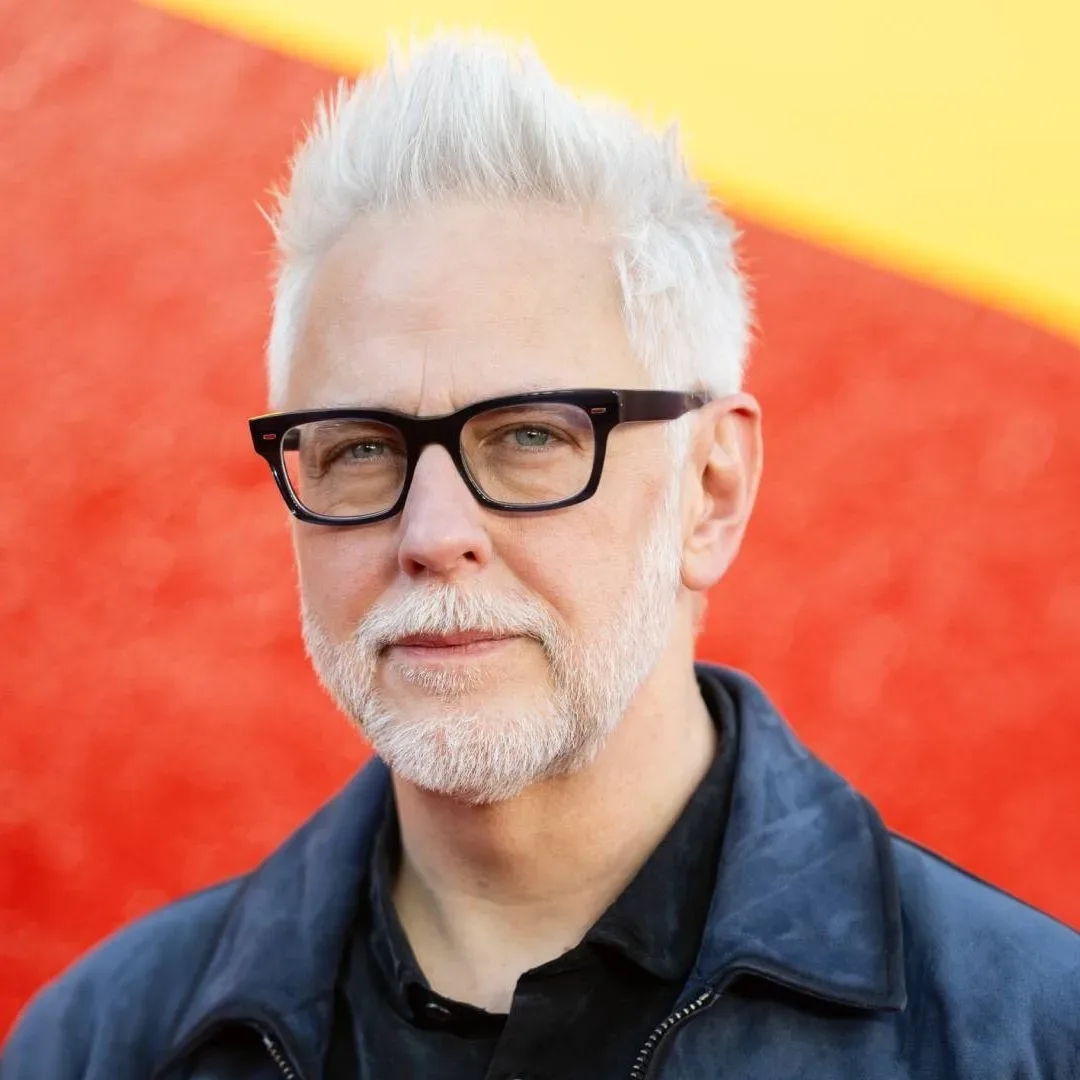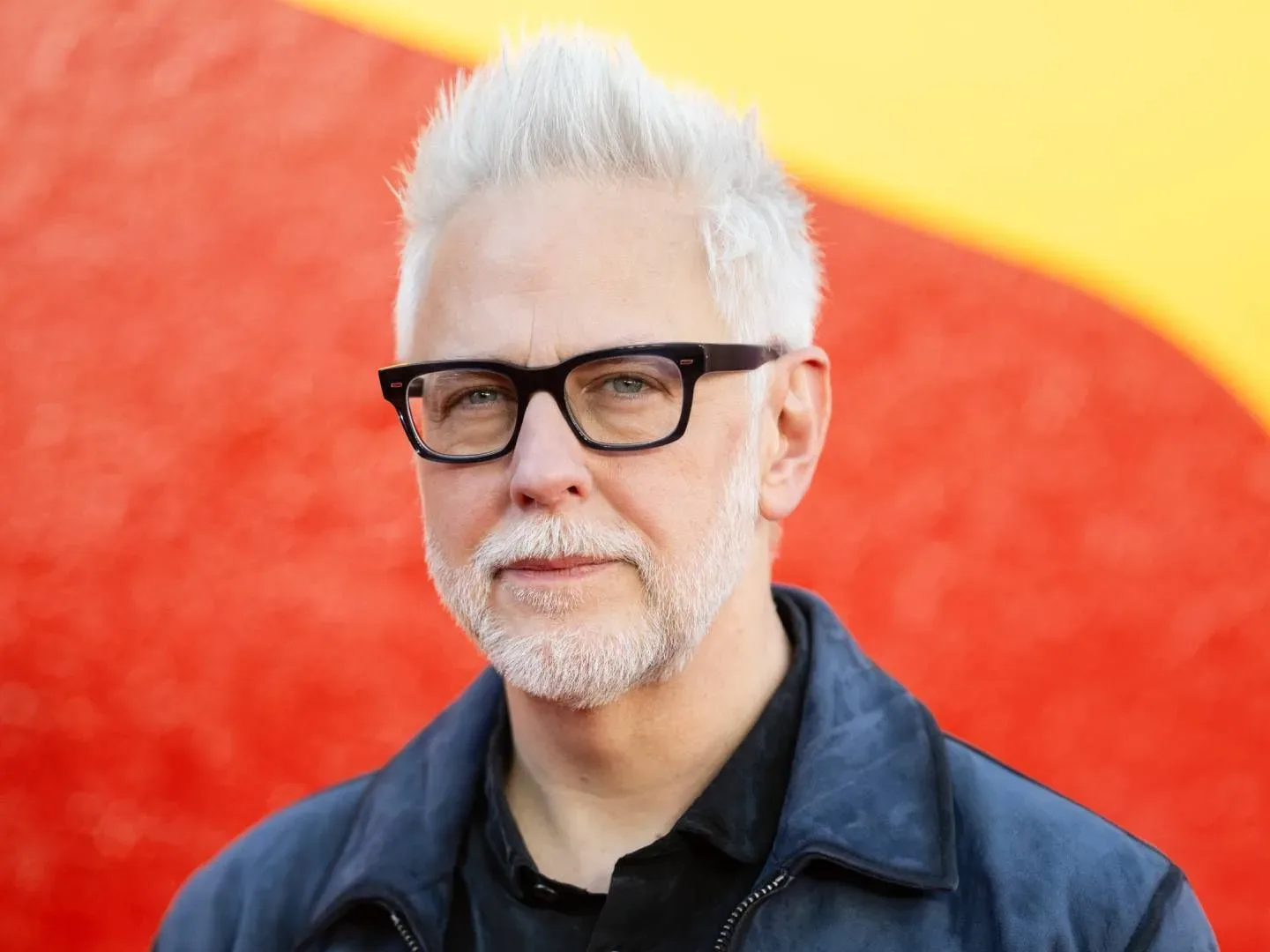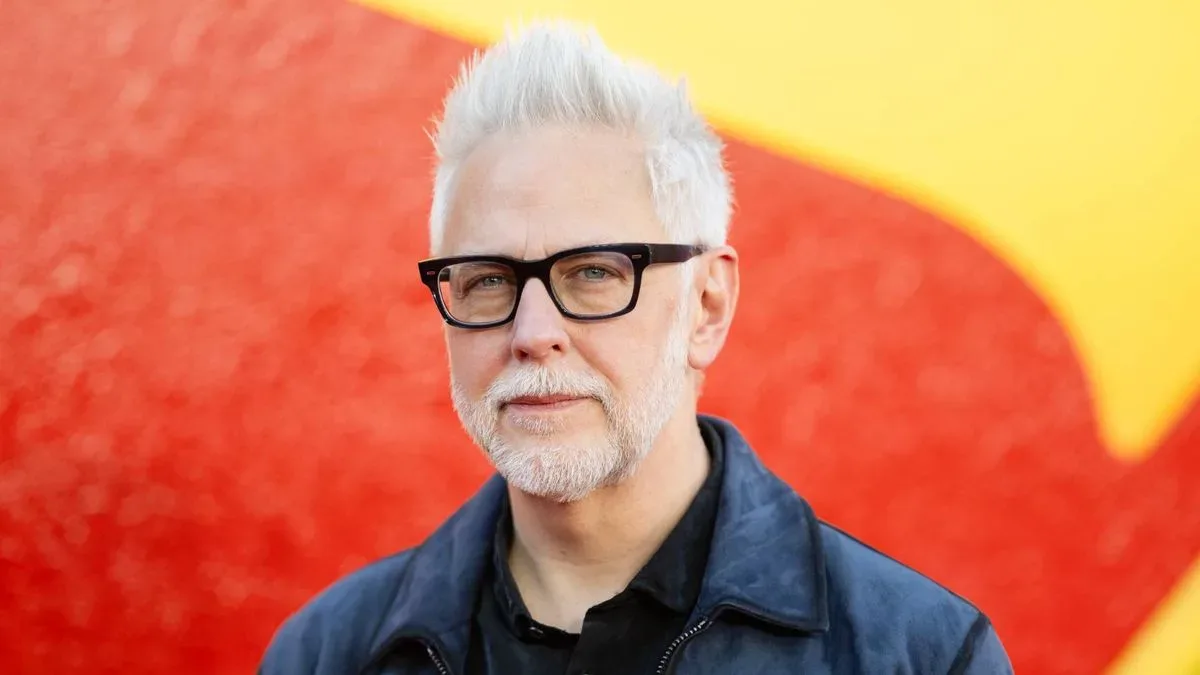
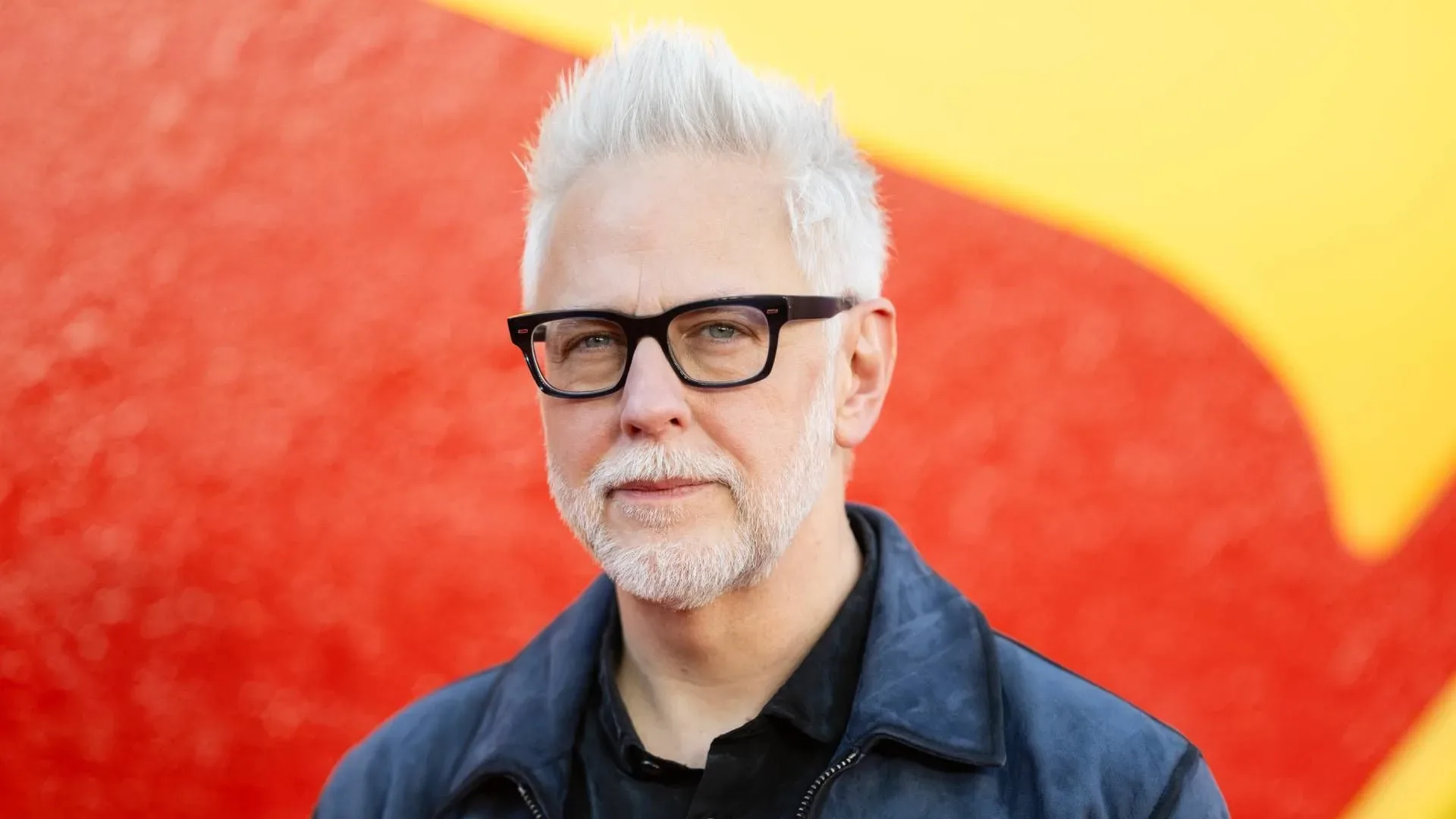
James Gunn’s departure from the DC Studios leadership role now has a small but unusually visible punctuation mark: his social-media biography. Across Instagram, Twitter and Threads, Gunn has removed the CEO designation and now describes himself as a “Strictly Writer/Director”, followed by references to Superman, Guardians of the Galaxy, Peacemaker, his dogs, his wife and his cat.
It is a short profile edit, not a new production announcement. But it matters because it publicly aligns Gunn’s personal presentation with the management change already reported at DC Studios. Under Skydance, Gunn and Peter Safran have been replaced at the top of the studio by former Marvel executive Jeremy Latcham. For a filmmaker whose online accounts are an active part of his public-facing identity, dropping the executive title gives the transition a sharper sense of finality.
The meaning of one heavily loaded word
Fans quickly focused on “strictly.” That word does not prove a dispute, explain the circumstances of Gunn’s exit, or reveal anything about private discussions. It does, however, make a clear distinction between two very different jobs: steering a studio and making films or television as a creative lead.
A studio CEO role is fundamentally an executive post. It involves high-level oversight, strategy and responsibility for a slate of projects. A writer-director role is centered on developing and guiding a particular work: its screenplay, its production and its finished creative shape. The two roles can overlap, but they ask for different kinds of attention. Gunn’s revised bio foregrounds the latter and explicitly leaves the former behind.
That is why online reactions have treated the phrasing as more than routine housekeeping. Some readers have inferred that the emphasis hints at friction behind the scenes; others have simply taken it as confirmation that the prior chapter is over. Those remain interpretations, not established facts. A social profile can communicate a personal boundary without serving as a detailed account of a corporate transition.
“Strictly Writer/Director” is concise enough to be a bio, but specific enough to signal that Gunn wants audiences to understand how he now defines his work.
What remains on Gunn’s DC slate
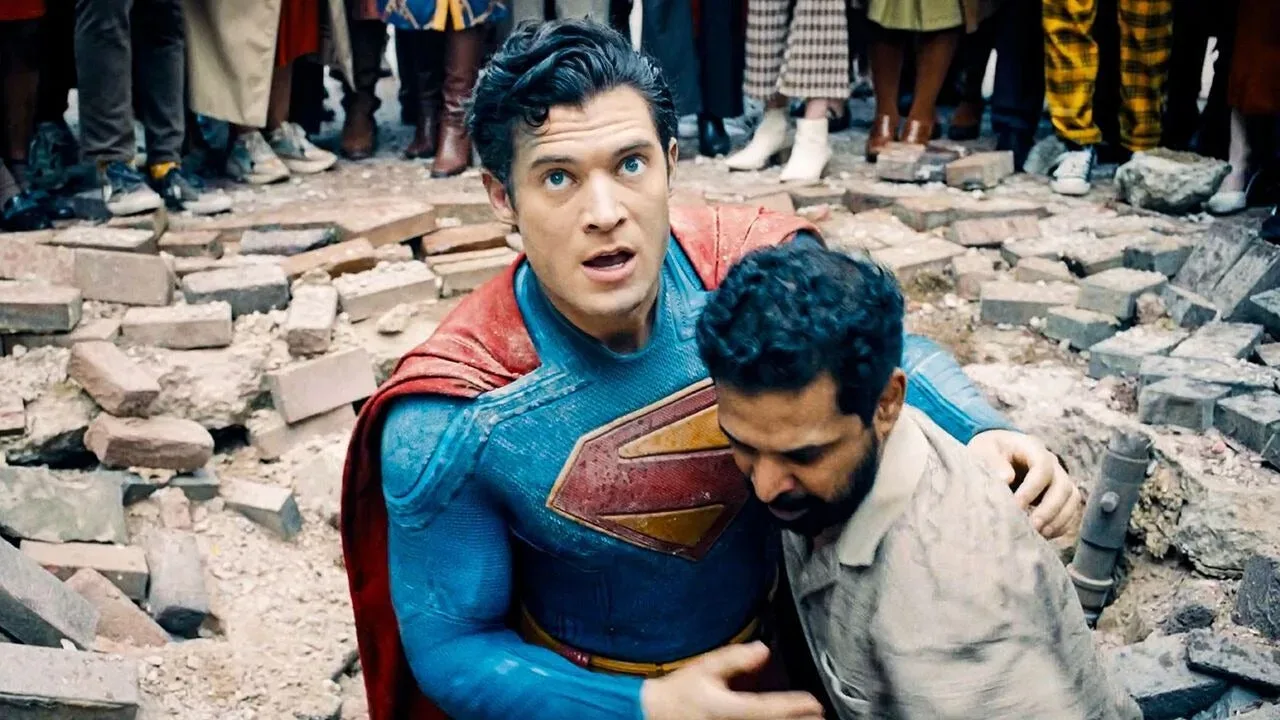
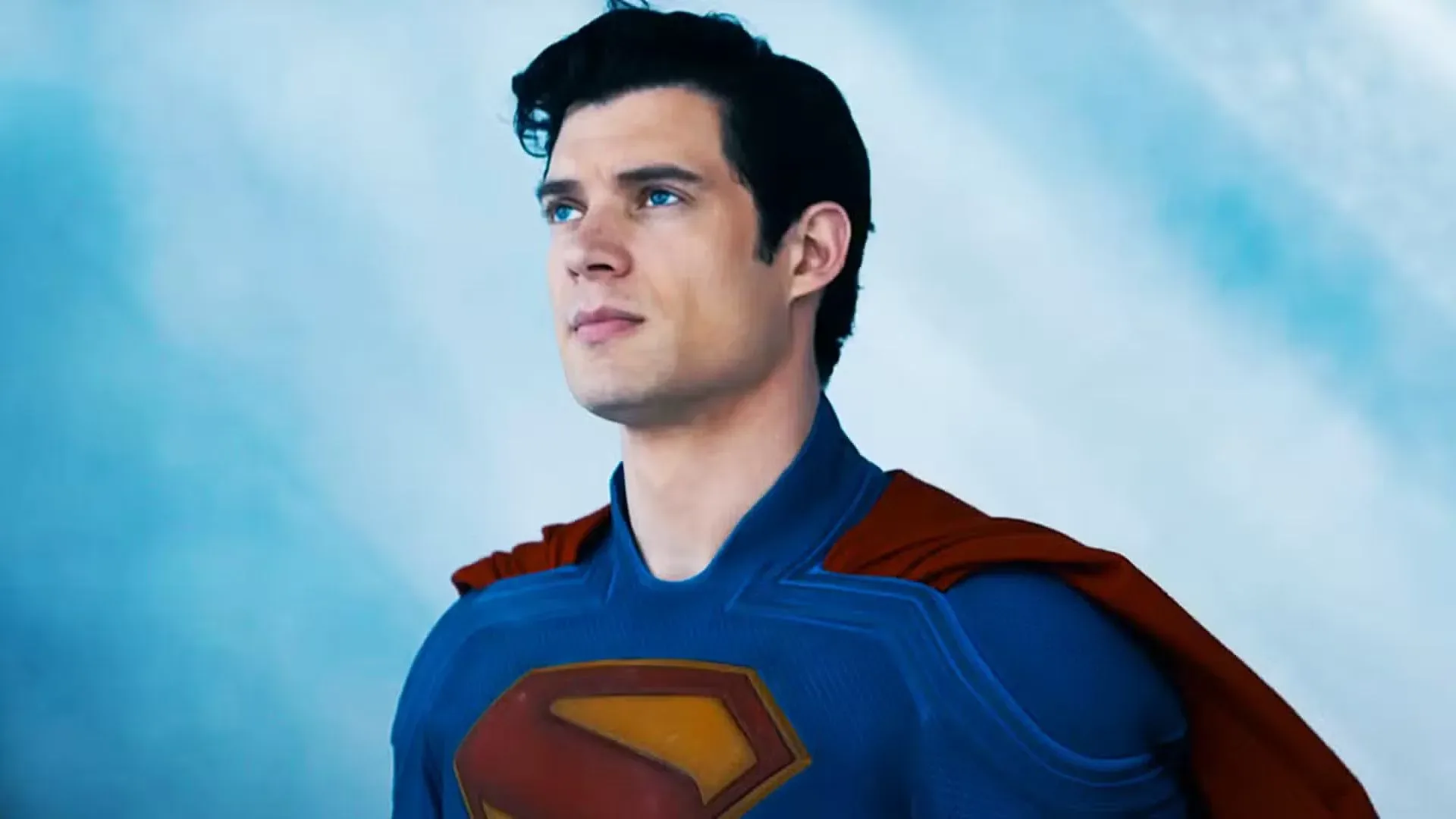
Gunn is not entirely detached from DC’s screen output. He remains attached as director of Man of Tomorrow, an upcoming film that has wrapped filming and is due in 2027. That makes his new wording especially notable: he is stepping away from studio leadership while remaining creatively connected to a major DC project.
For audiences, the immediate practical implication is modest. The film is still positioned for 2027, and the available information does not establish that its status, story or release plans have changed. Nor does Gunn’s bio settle whether Man of Tomorrow will be altered in any way following the leadership shift. It is best read as a statement of job identity, rather than a reliable roadmap for every creative decision involving the film.
Gunn has previously said that characters established during his time at DC would continue. At the same time, reports have raised the possibility of a reboot of the universe. Those two ideas are not automatically compatible, but neither has been fully clarified by the profile change. “Reboot” is often used broadly in franchise conversation. It can mean a clean continuity reset, a partial relaunch, recasting, a change in creative direction, or simply a new corporate approach. Without further detail, it should not be treated as confirmation of a specific plan for any individual character or title.
Why the distinction matters to DC viewers
Franchise audiences often use executive appointments as a proxy for creative certainty. That impulse is understandable: the person running a studio can influence which projects move forward, how they connect, and what long-term priorities receive resources. Yet a change in executive leadership does not, by itself, tell viewers the fate of every movie or series already in motion.
In this case, there are several separate questions that should not be collapsed into one:
- Who leads DC Studios? Jeremy Latcham has taken the top role following Gunn and Safran.
- What does Gunn do next? His public bio says he is strictly a writer/director, while he remains the director of Man of Tomorrow.
- Will established characters continue? Gunn has said the characters set up will live on, though the larger continuity picture remains uncertain.
- Is a reboot happening? Reports have suggested one, but the details and scope have not been established here.
- Has Man of Tomorrow changed? No specific change has been confirmed.
Keeping those questions separate is useful because they operate on different clocks. A leadership decision can be immediate. A film that has completed filming can have its own production and release pathway. A universe-wide continuity strategy can take longer to define publicly. The fact that each issue involves DC does not mean each has the same answer.
A career label with a recognizable creative throughline
Gunn’s replacement bio also names the projects most closely associated with his work: Superman, Guardians of the Galaxy and Peacemaker. The list is a compact career summary, but it is also a signal of what he is choosing to emphasize after relinquishing the CEO title. The focus is on authored screen work rather than corporate position.
That distinction has cultural weight in a period when fans frequently discuss big franchises in terms of ownership, studio restructuring and long-range brand planning. Executive decisions affect the work people see, but the work itself is still made by writers, directors, performers and crews. Gunn’s chosen label pulls attention toward the writer-director part of that equation.
It also illustrates why professional titles in a social bio are not trivial. They help set expectations. “CEO” suggests broad institutional responsibility; “writer/director” suggests direct artistic responsibility for individual projects. Adding “strictly” makes the latter not merely a second description but the preferred description.
The wider entertainment business is hardly alone in facing the tension between creative work and corporate stewardship. Similar debates appear throughout games, including discussions around technological change and the people who make games, as explored in this look at generative AI’s promise and risk for game-development jobs. The industries are different, but the underlying question is familiar: how can companies pursue large-scale strategies without losing sight of the creative labor and direction that audiences actually experience?
What the bio does—and does not—confirm
The strongest conclusion is also the simplest one. Gunn no longer presents himself publicly as DC Studios CEO. He presents himself as a writer/director, and his profile makes that framing consistent across major social platforms.
It does not provide a detailed explanation of why the leadership transition occurred. It does not verify that fan theories about tension are correct. It does not announce a cancellation, continuation or overhaul for any DC project. And it does not answer how a reported reboot might intersect with Man of Tomorrow or with the characters Gunn has said will live on.
Still, the edit is meaningful because it is deliberate, public and uncomplicated. Gunn’s remaining DC connection is now framed around directing a finished-production film headed for 2027, not around holding the company’s top creative-executive post. Until more concrete information arrives about DC’s broader plans, that is the clearest signal available: James Gunn’s DC era as a studio leader has ended, while his work as a filmmaker has not.