DC Studios is facing another pivot point. James Gunn and Peter Safran, who took charge four years ago and began building a newly connected DC Universe, are no longer the studio’s leaders. Jeremy Latcham has taken over, putting an immediate question mark over how much of the existing plan survives and how quickly the next leadership team might redirect it.
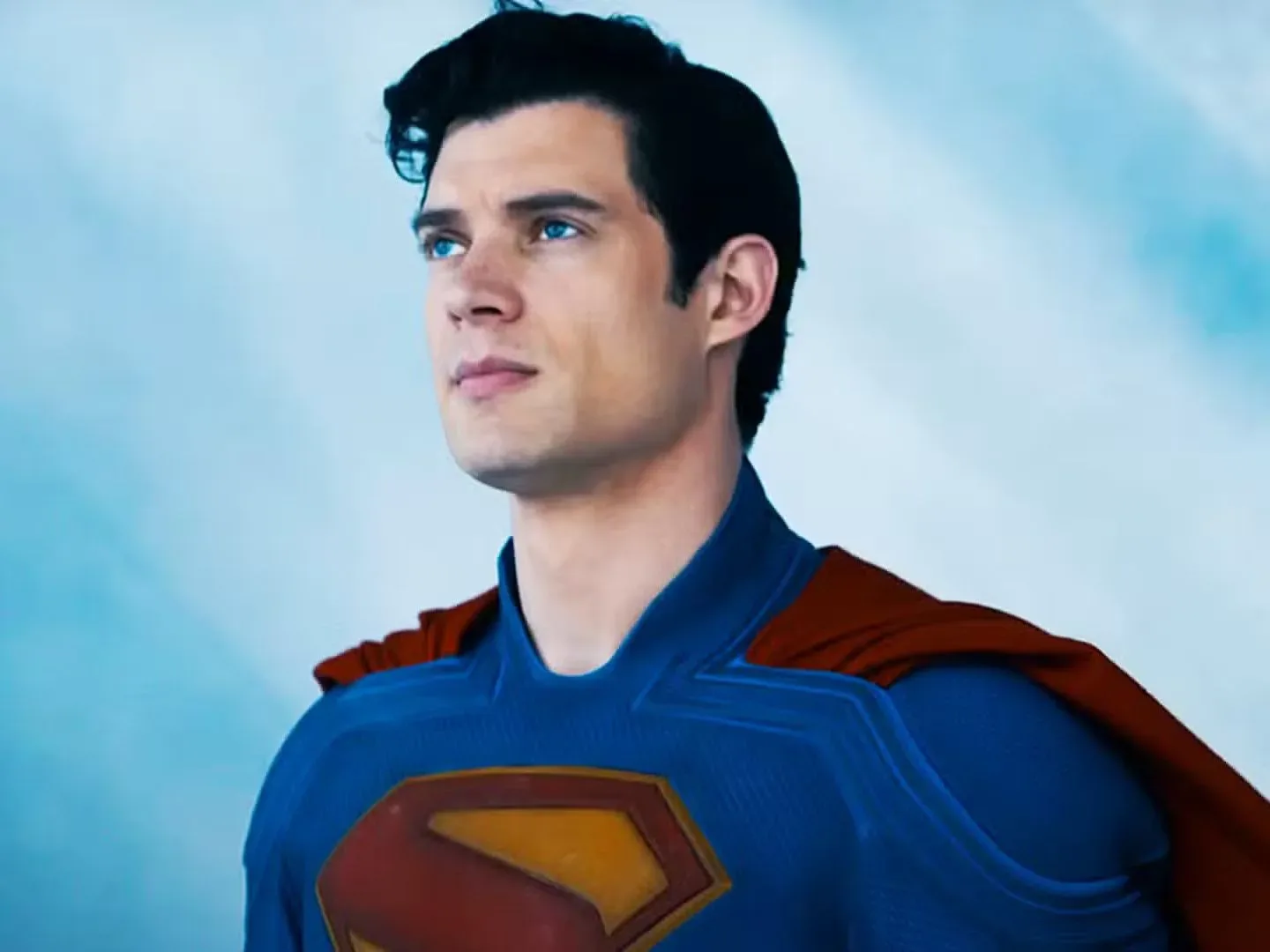
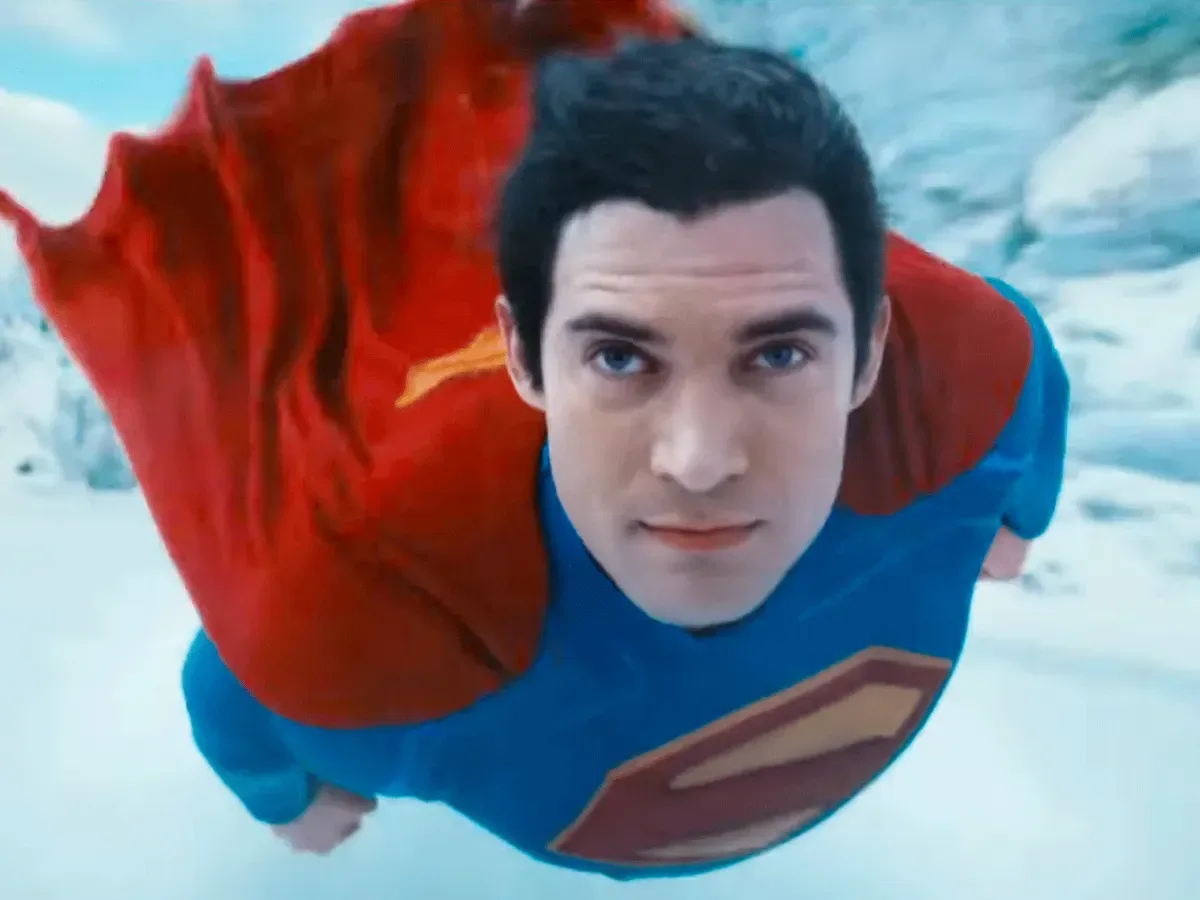
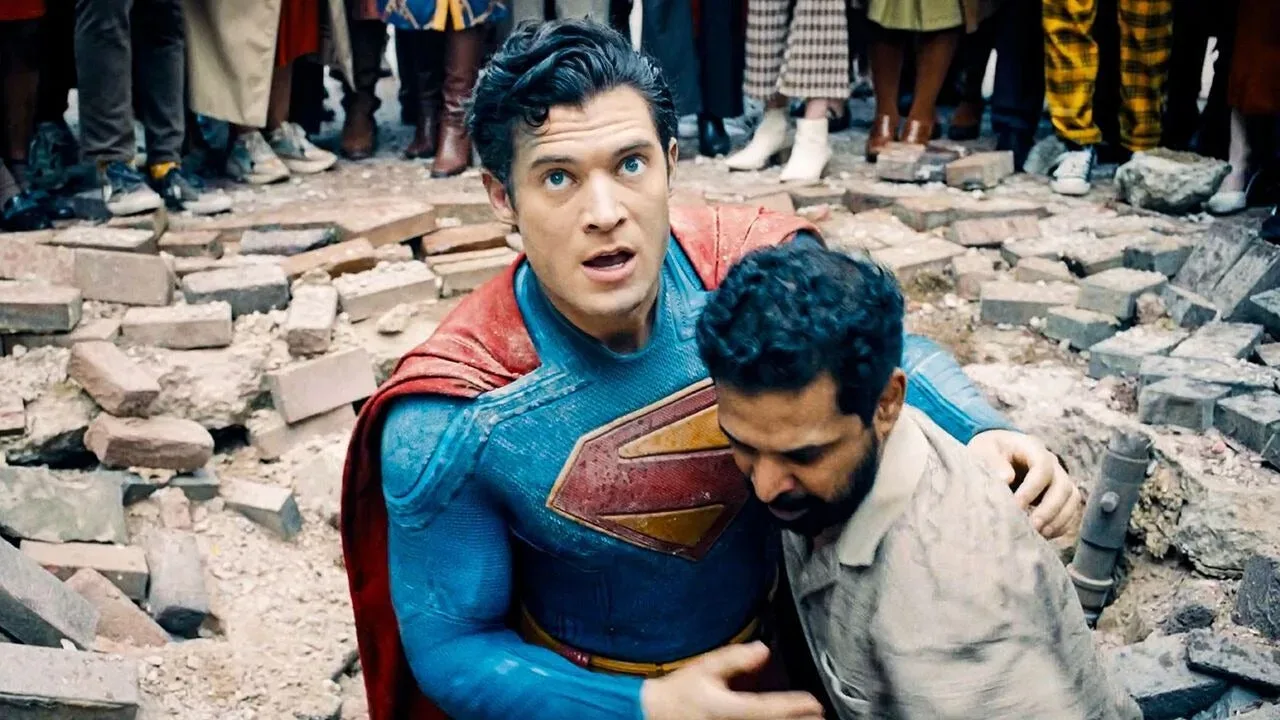
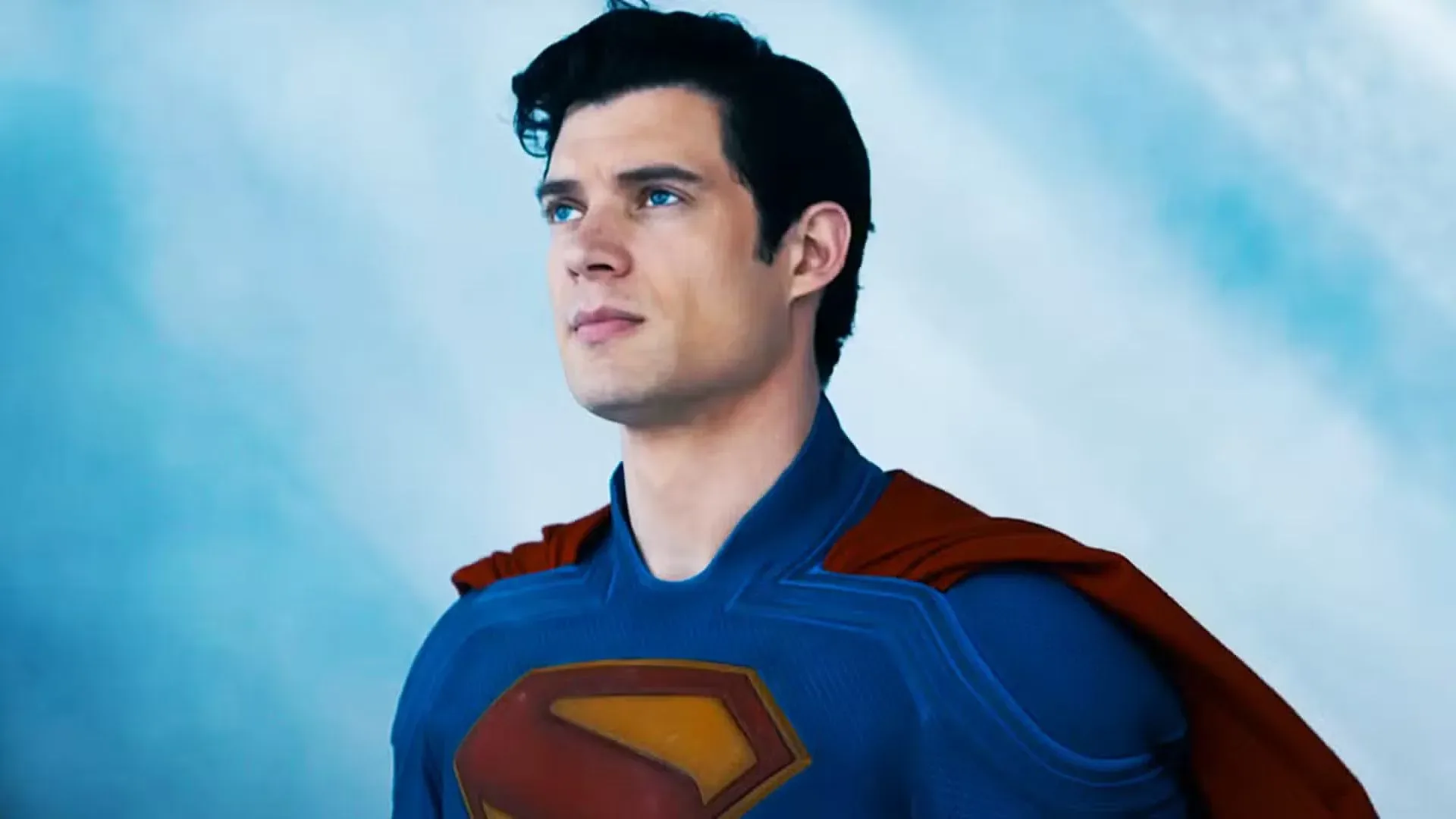
The most concrete near-term project named in the current slate is Man of Tomorrow, the Gunn-directed follow-up associated with David Corenswet’s Superman, which is set for theatrical release on July 9, 2027. Beyond that, the big issue is not whether DC has recognizable heroes ready for the screen. It plainly does. The issue is continuity: whether future films and series share one ongoing story world, operate as separate interpretations, or are restarted under a new creative framework.
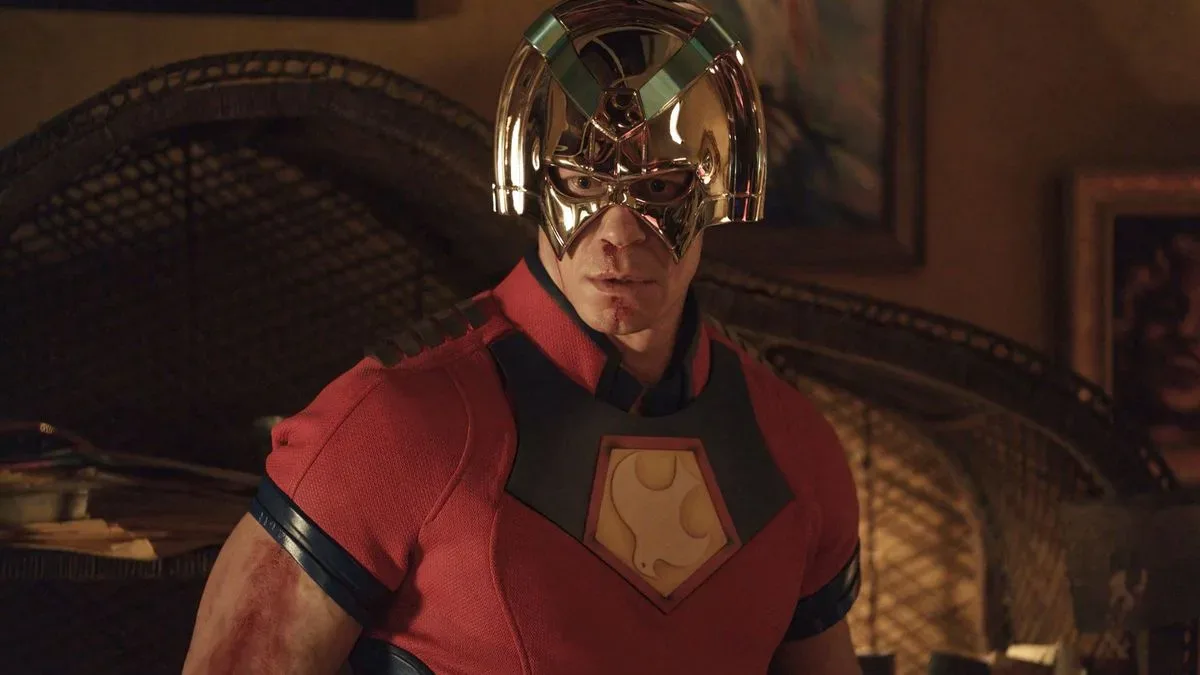
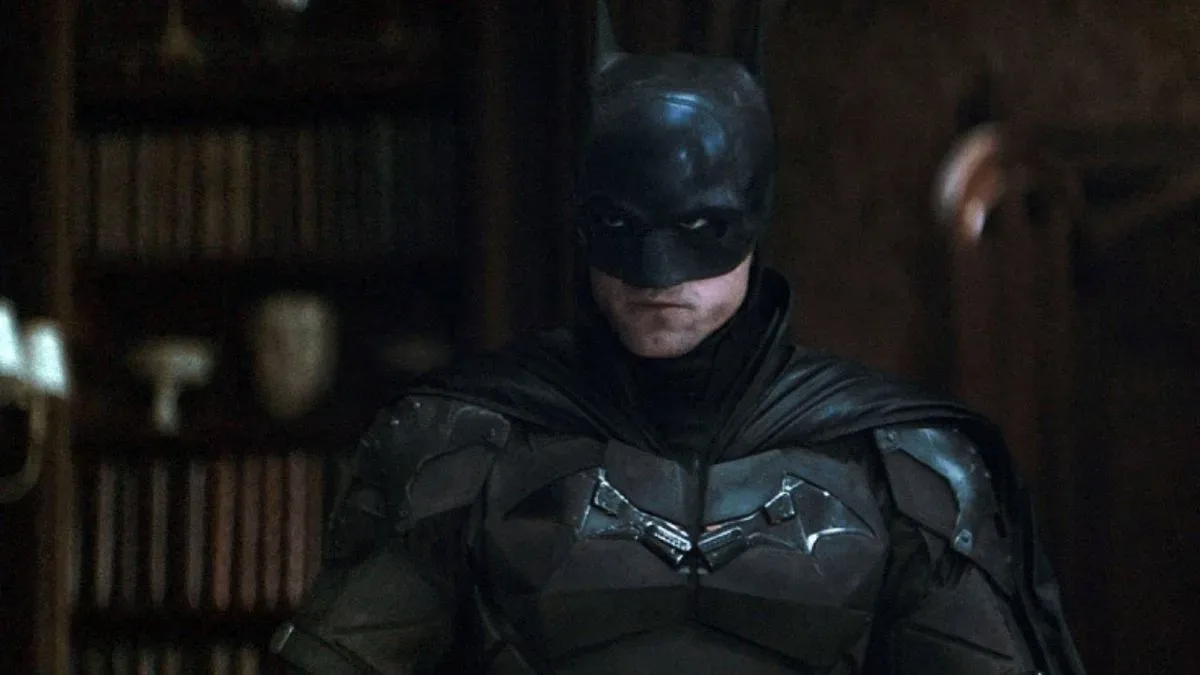
That distinction matters because DC is not beginning from zero. The recent era has produced Superman, Clayface, Peacemaker, Lanterns and Creature Commandos, while Matt Reeves’ Gotham-centered Batman work remains a major part of DC’s broader screen footprint. Robert Pattinson is due to return in The Batman 2. Any new plan must decide whether those pieces are building blocks, parallel projects, or baggage to be discarded.
There is no confirmed master plan from Latcham in the material available so far. The possibilities below are therefore analysis, not a roadmap. Still, they outline the practical choices in front of DC’s new leadership—and why a seemingly simple phrase such as “reboot” can become complicated remarkably quickly once Superman starts crossing paths with more than one Batman.
For more context, explore Ice Cube Revisits Oprah Snub Theory, Points to Mike Epps’ Improvised Movie Joke.
1. Preserve the current DC Universe, but make its biggest heroes the priority
The least disruptive option is to continue the continuity established under Gunn and Safran. It has existing characters, projects already in motion and some evidence of audience interest. Superman and Clayface were well received, while Peacemaker, Lanterns and Creature Commandos also earned strong critical notices. Reports put the HBO audience for Lanterns at 19 million viewers.
That does not automatically mean the existing strategy remains untouched. A leadership change can preserve the cast and continuity while changing the order of priorities. The new regime could put greater emphasis on characters with the broadest public profile: Superman, Batman, Wonder Woman and Aquaman. Rather than launching more stories led by less familiar figures, DC could move faster toward a Justice League film featuring Corenswet’s Superman.
A shared universe is a set of stories designed to occupy the same fictional world. Characters can appear across films and television series, and a major team-up can pay off threads established elsewhere. The upside is obvious: successful individual stories can accumulate into a larger event. The risk is equally familiar. Viewers may feel that every movie is homework for another movie, particularly if the rules of the universe are not clear.
For DC, a sharper version of the current approach would need a simple answer to two questions. Which past projects count as canon, and which heroes form the core ensemble? Canon means the official events and characters that belong to a particular continuity. It is a technical word with very practical consequences: it tells audiences whether a supporting character, plot point or television event might matter when the next film arrives.
There is reason to think continuity may be the least costly route. Gunn’s fingerprints remain on the upcoming release schedule through Man of Tomorrow, and Latcham has previously worked with Gunn as an executive producer on Guardians of the Galaxy. Familiarity does not prove that they share identical creative goals, but it makes an immediate rejection of everything that came before less inevitable than it might otherwise be.
The hard part is that retaining the universe means inheriting its unevenness as well as its goodwill. The recent film results were not uniformly embraced, and a new executive may want a more direct route to DC’s marquee names. Continuing could therefore look less like “business as usual” and more like a consolidation: fewer detours, clearer continuity and a sooner-than-expected Justice League destination.
2. Let Pattinson’s Batman become the foundation
The second path starts in Gotham. Pattinson’s Batman is the current big-screen version of the character, and The Batman was a major box-office success—more successful than Superman in the comparison available here. Reeves has also extended that corner of DC through The Penguin, showing that Gotham can support stories outside Bruce Wayne’s direct orbit.
The argument for putting that world at the center is straightforward. It already has a recognizable tone, a successful lead and a proven ability to expand. Instead of presenting viewers with another Batman while Pattinson remains in the role, DC could decide that this is its primary cinematic Batman and grow outward from there.
That growth could initially remain local. A previously shelved Gotham City Police Department project could be revived, while earlier ideas connected to Catwoman and Poison Ivy could potentially be reconsidered. Such projects would deepen the setting rather than rush immediately into cosmic threats or team-ups.
But Gotham-first is more than a spin-off strategy. It could become the opening act of a new shared universe, with non-Batman characters introduced gradually. The advantage is clarity: audiences would know which Bruce Wayne they are following, and DC would not need to sell two simultaneous flagship Batman franchises.
Its limitation is tonal. Reeves’ Gotham is a colder, more grounded setting than the brighter, more openly heroic register associated with the new Superman. Expanding that mood into a universe containing gods, aliens and underwater kingdoms would demand careful adaptation. A Batman-led DC universe does not have to be grim, but it would need to prove that its version of Gotham can coexist with characters whose stories operate on a very different scale.
There is also a creative question rather than simply a commercial one. A strong Batman franchise can be strong precisely because it is focused. Turning every successful corner of DC into the seed of a broader crossover plan can dilute what made that corner distinctive. A Gotham expansion may be most valuable if it is allowed to remain Gotham-shaped, rather than being treated as an on-ramp that must eventually explain the entire Justice League.
3. Merge the Superman and Batman continuities
On paper, the most tempting compromise is also the most headline-friendly: bring Pattinson’s Batman and Corenswet’s Superman together. Both versions have public visibility, both have sequel momentum, and a Justice League film would avoid replacing either actor merely to tidy up a corporate organizational chart.
This is the “keep the popular pieces” option. It would also solve the duplicate-Batman concern that has surrounded the previously announced The Brave and the Bold. Rather than asking audiences to distinguish Pattinson from another new Bruce Wayne, DC could make Pattinson the Batman who shares a world with Corenswet’s Superman.
Yet a merger is not simply a casting decision. It would mean reconciling settings, visual language, stakes and storytelling assumptions. Superman’s optimistic warmth and The Batman’s noir-leaning chill are not mutually exclusive, but they are different starting points. A crossover would have to treat that contrast as an asset rather than sand both approaches into one generic middle ground.
The business mechanics could be harder still. A shared universe works best when performers can make repeat appearances over years. Pattinson would not be the only commitment to negotiate: the wider Gotham ensemble includes Scarlett Johansson, Sebastian Stan and Colin Farrell. Turning an established Batman ecosystem into a long-running team-up machine means arranging schedules and contracts for a potentially lengthy run of projects. That is a serious practical hurdle, not a detail that can be solved by a post-credit scene.
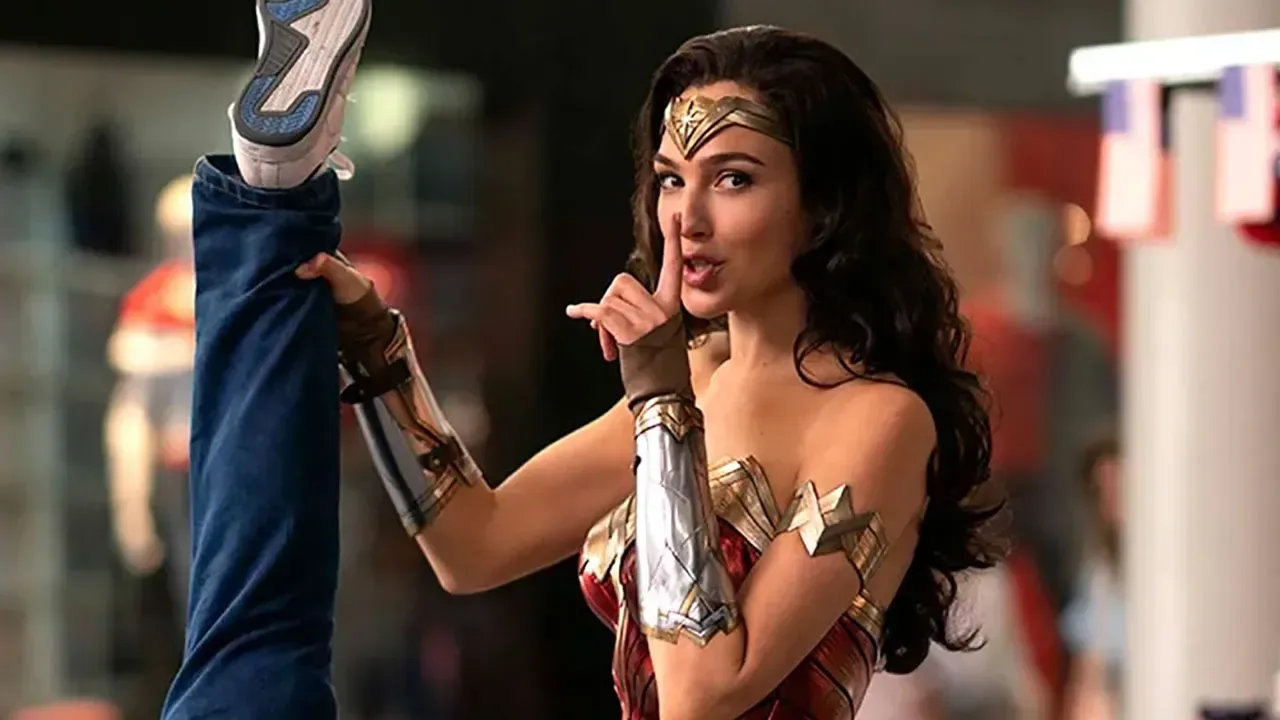
Wonder Woman is another variable. Adria Arjona has been rumored to be playing the character in Man of Tomorrow, but that remains uncertain. Unless and until DC confirms casting and the character’s role, it should be treated as speculation, not as proof of an imminent team. The same caution applies to any supposed lineup or release sequence for a Justice League project.
4. Start over with a full reboot
The cleanest corporate answer can be the messiest audience answer: reboot the whole thing. Reports have suggested that Latcham may dismantle the DC Universe as presently understood, despite Gunn’s indication that his characters would continue. If that characterization proves accurate, a full recast of Superman and Batman could follow.
A reboot resets a franchise’s continuity so that previous events no longer dictate the stories going forward. It does not necessarily require retelling every origin, though. DC could introduce an already-formed Justice League and trust viewers to understand the basic identities of heroes they have seen repeatedly in recent years.
This approach gives Latcham the greatest latitude. He would not be bound to the character choices, tonal rules or long-term structure established by Gunn, Safran or Reeves. It could offer one coherent starting point, particularly if the aim were to launch with a Justice League story rather than scatter introductions across several years.
But it has a significant audience cost. Another new Superman and another new Batman shortly after recent versions risks making DC feel unstable. The issue is not that viewers cannot understand alternate takes; comic-book audiences are generally accustomed to them. The issue is whether viewers believe a new version is being presented because it has a compelling creative purpose, rather than because the people in charge changed again.
A reboot is most defensible when it offers a clearer promise than the material it replaces. “Everything is different now” is not itself a story. If DC chooses this route, it would need to communicate what the new universe is for, how its films connect and why audiences should invest in a fresh long-term plan.
5. The Snyderverse return is the loudest long shot
There is one possibility that is easy to imagine online and exceedingly difficult to justify as a real plan: a return to Zack Snyder’s DC continuity. Some fans have renewed calls to restore that universe following the leadership change, envisioning Ben Affleck returning as Batman, Henry Cavill’s Superman meeting Dwayne Johnson’s Black Adam, and unresolved threads getting another chapter.
It would unquestionably be the most dramatic reversal. It would also run against the available evidence. Zack Snyder’s Justice League performed successfully on streaming, but not at a level described as sufficient to support continuation of its story. The current information offers no indication that a Snyder-focused continuation is being developed.
That does not prevent the idea from remaining part of the conversation. DC’s repeated resets make every prior continuity feel like a potential door that could be reopened. But possibility in fan discussion is not probability in a production plan. At present, this is best understood as a highly unlikely scenario rather than a genuine fifth pillar of DC’s future.
What DC needs before the next big crossover
Whatever Latcham chooses, the immediate requirement is not necessarily an instant announcement of a dozen movies. It is clarity. DC needs to establish whether Corenswet’s Superman remains central after Man of Tomorrow, whether Pattinson’s Batman is separate or connected, and which television stories belong to the same narrative line as the films.
A Justice League film may be the natural prize at the end of several of these routes, but it should not be treated as an automatic cure. Team-ups work when the characters entering them feel distinct and the audience understands why they belong together. The leadership change may accelerate that goal, preserve it on a revised track, or postpone it for a reset. For now, Man of Tomorrow is the clearest signpost on the calendar—and the larger map remains unwritten.