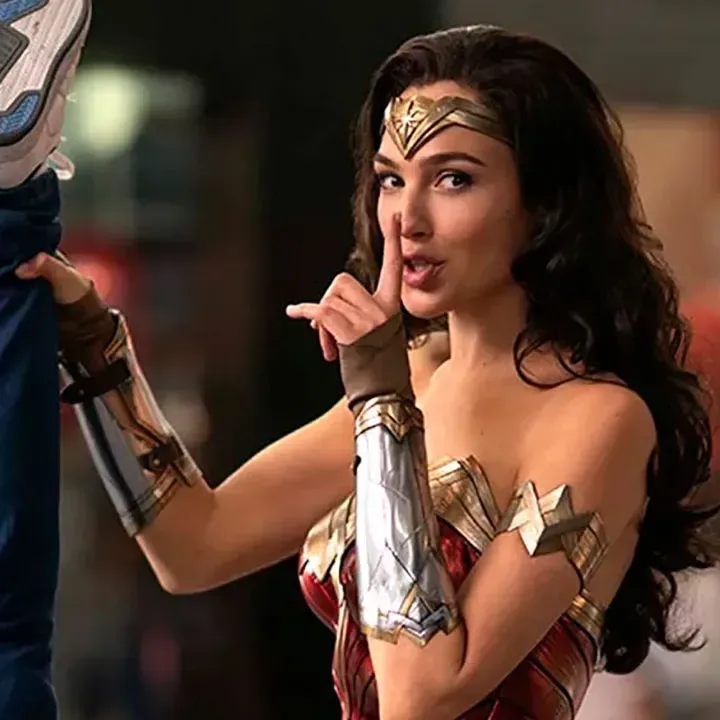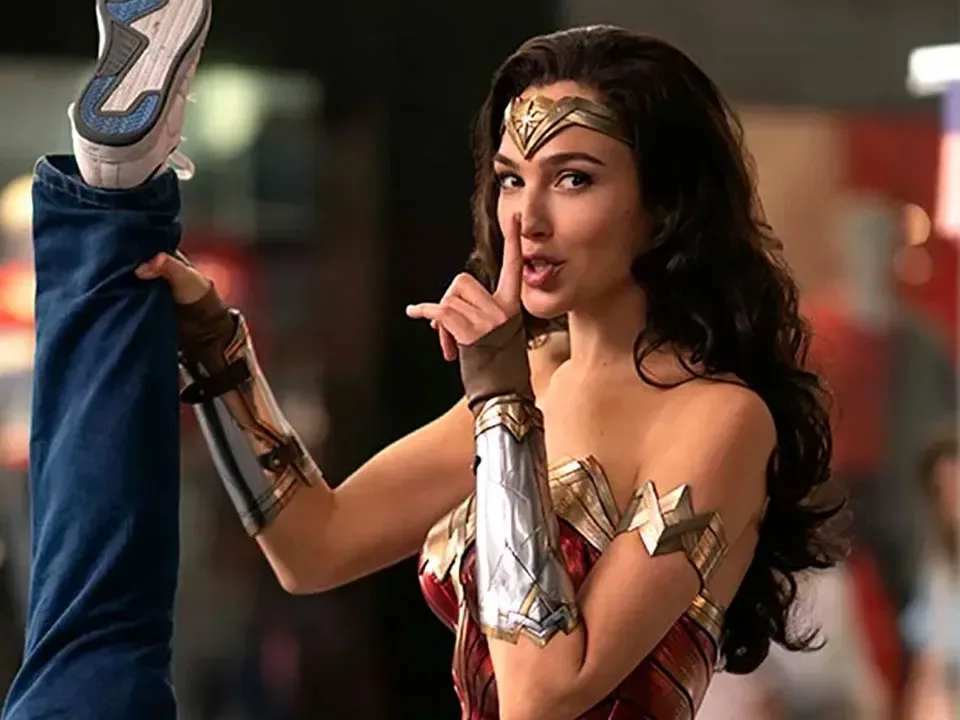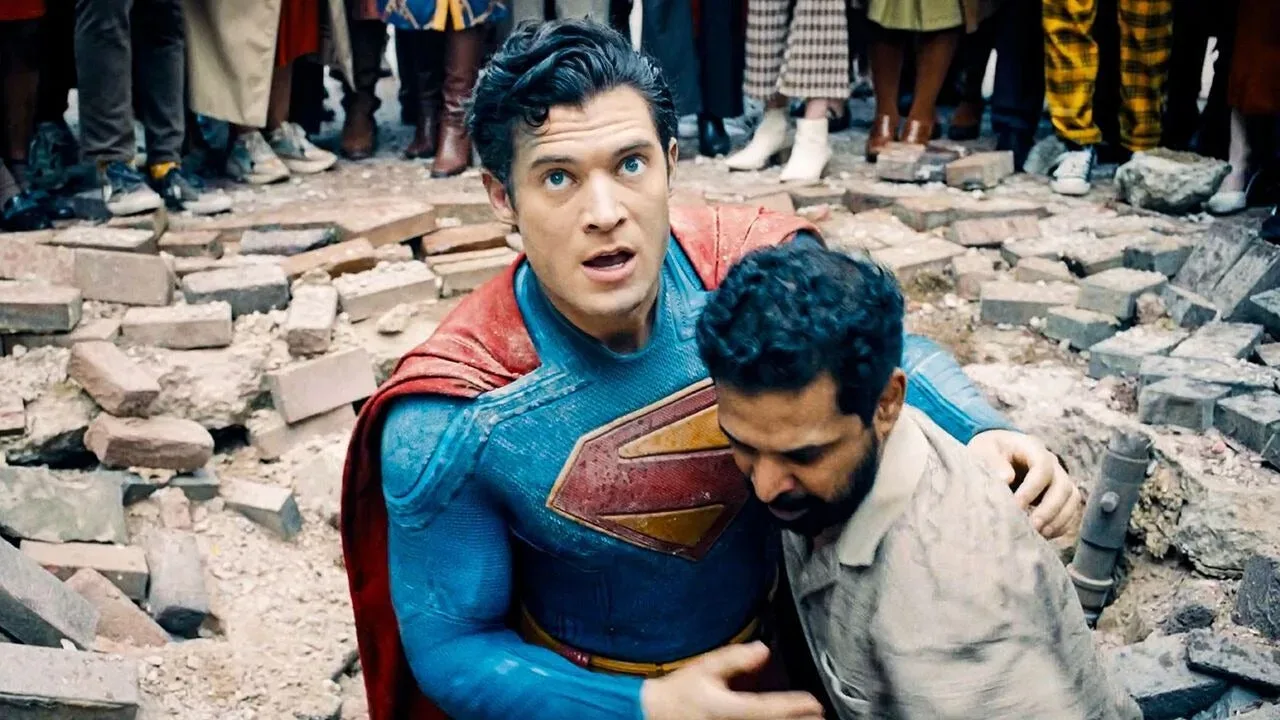
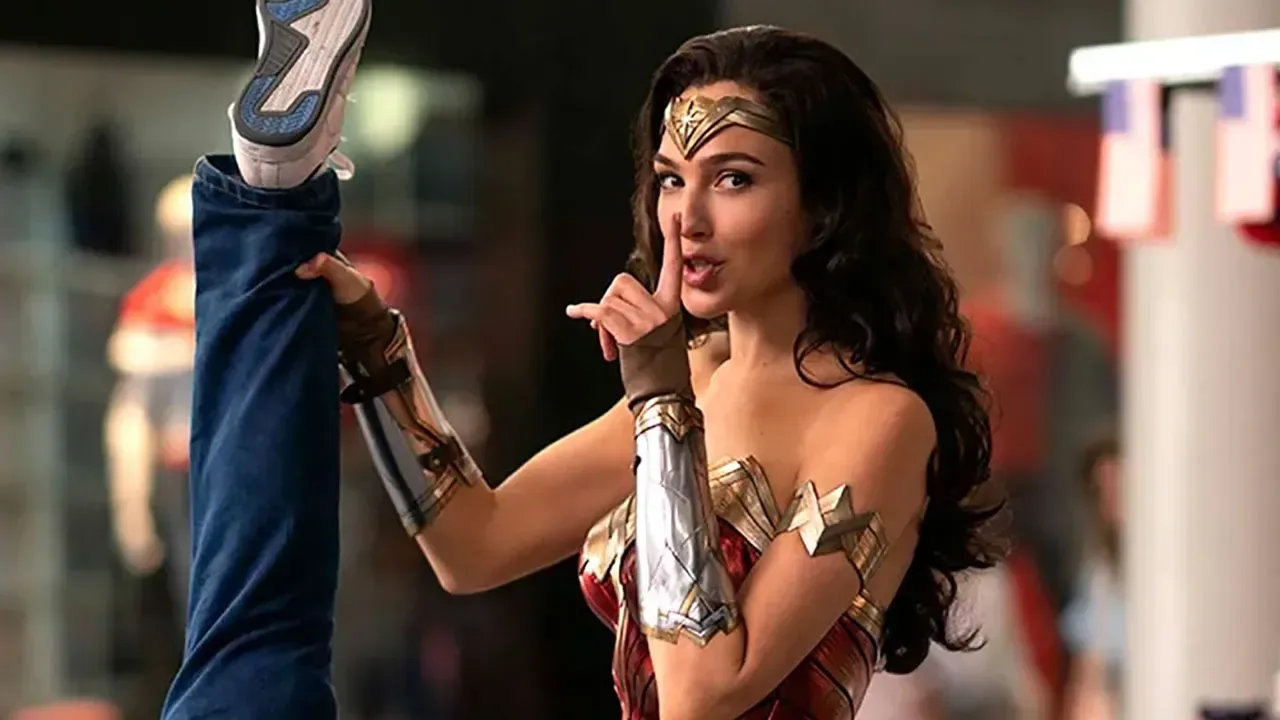
DC Studios may be heading toward a much more familiar-looking superhero slate. A new report says incoming CEO Jeremy Latcham is expected to prioritize major household-name characters—specifically including Batman, Wonder Woman and The Flash—with the goal of bringing the Justice League together on the big screen as quickly as possible.
That is a meaningful strategic shift if it comes to pass. DC’s central icons have enormous recognition even among people who do not follow comic-book continuity, while the studio’s recent direction has included projects built around less immediately mainstream names. The report also says a decision has not yet been made on whether the current continuity will be fully rebooted, leaving the status of actors and storylines unresolved.
For fans, the important word is reportedly. A change in executive leadership can set priorities, but it does not itself confirm a release slate, casting plan, production timetable or a specific Justice League film. Still, the reported emphasis offers a clear picture of what the studio could value next: recognizable heroes, quicker movement toward a team-up event, and a less expansive appetite for character bets outside the core DC pantheon.
The reported plan: put DC’s biggest names in the foreground
Latcham is reportedly being asked by Skydance CEO David Ellison to assemble the Justice League rapidly. In practical terms, that reportedly places Batman, Wonder Woman, The Flash and comparable marquee heroes near the front of the queue.
The Justice League is DC’s flagship superhero team. A screen version built around it would generally require the studio to establish—or at least clearly define—its principal heroes and how they occupy the same fictional world. That is why a fast-track approach could shape more than one movie. A team-up plan affects which solo projects receive attention, which performers might be retained, and how much narrative groundwork is considered necessary before the heroes meet.
There is an obvious business logic to emphasizing characters with broad cultural visibility. Batman, Wonder Woman and Superman are names that convey their basic appeal immediately. The Flash is also identified in the report as part of the push toward widely recognized characters. A marketing campaign does not have to spend much time explaining who these heroes are before it can begin selling a story, villain, setting or event.
That familiarity does not automatically make a film successful, nor does it answer the creative question of what separates a new interpretation from earlier versions. But it can simplify the initial proposition: the audience knows the emblem on the poster. For a studio trying to build momentum, that clarity may be viewed as an advantage.
What may lose priority
The same report suggests the trade-off could be fewer ambitious detours into less famous corners of DC. Clayface, Booster Gold and Peacemaker were cited as examples of characters who may not fit the expected focus. Supergirl was also described as a comparatively modest priority in this possible new direction.
That does not establish that any project is canceled, nor does it prove that these characters could never appear again. “Not a focus” is different from “gone.” It does, however, point to a potential change in the order of operations: establish the foundational heroes and a Justice League framework first, then decide how much room exists for offbeat protagonists, supporting players and genre-specific spin-offs.
This is the core tension in the reported strategy. Lesser-known characters can offer tonal variety and give filmmakers room to surprise an audience. They can also expand a shared universe beyond its most familiar symbols. Conversely, a slate that moves too far from its best-known figures can leave some viewers wondering when the central DC heroes will receive their moment.
The reported pivot appears to side firmly with recognition and concentration. Rather than asking audiences to follow many different branches at once, the studio could put more of its energy into a small group of heroes whose importance is unmistakable.
A reboot remains an open question
The largest unresolved issue is continuity. DC has reportedly not settled on whether it will clear the board with a full reboot, including new actors and new storylines, or pivot within the young universe already underway.
A reboot in this context means restarting a franchise’s ongoing screen continuity. It can involve replacing performers, reintroducing heroes with altered backstories, and treating prior plot developments as no longer binding. A pivot, by contrast, can preserve selected pieces while changing the future direction. The difference matters because it shapes how much prior viewing audiences need, whether current casting remains intact, and how prominently earlier projects figure into the next phase.
There is room for either approach because the present universe has not yet connected all of its installments. That lack of full interconnection could make a course correction more manageable than it would be in a deeply established shared world. At the same time, restarting again carries an obvious communication challenge. Viewers need to understand what is continuing, what is changing and why they should invest in the next version.
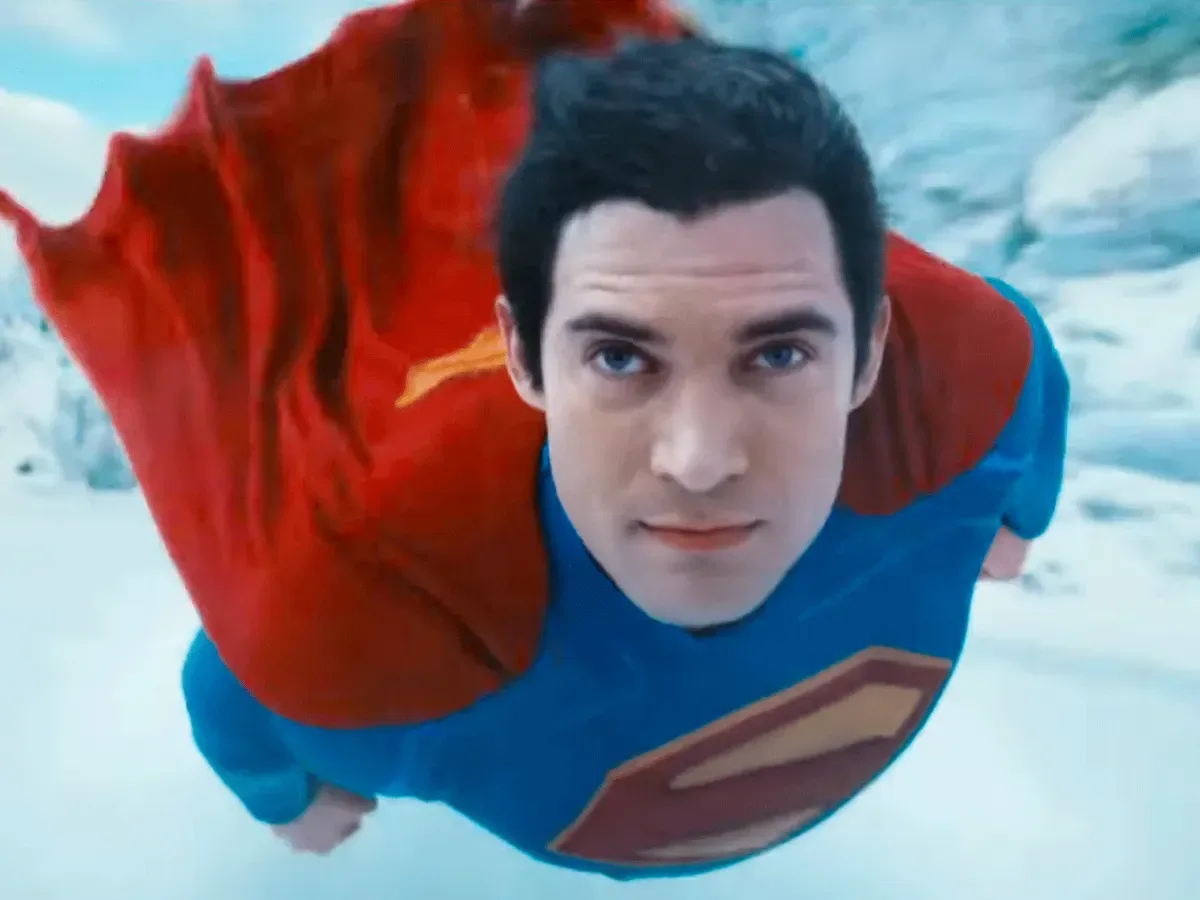
David Corenswet’s Superman is a particularly sensitive part of that question. The report notes that recasting him after Henry Cavill was publicly moved on from the role only a few years earlier could create a public-relations problem. That is not a prediction that Corenswet will be recast; it is an illustration of why the reboot decision cannot be treated as a simple behind-the-scenes technicality.
Continuity decisions affect trust. Fans can accept a new direction, but the transition must be legible. If a studio keeps some pieces and replaces others, it needs a consistent explanation. If it starts over entirely, it has to persuade audiences that the restart brings a distinct creative reason rather than simply another round of churn.
Why the shift would contrast with the previous approach
James Gunn and Peter Safran have stepped down from leading DC Studios, amid reports that they were fired. The reported Latcham plan would contrast with Gunn’s creative reputation for building projects around characters who are not initially the most recognizable to a general audience.
Gunn’s rise included Guardians of the Galaxy, a film centered on a group of misfits who were not widely known outside comics circles. The approach behind that kind of project is not simply “pick obscure characters.” Its appeal is often in using a less prescribed group to create a distinct personality, an unexpected ensemble dynamic and a tone that does not feel constrained by decades of universal expectations.
DC’s recent efforts to extend that sensibility have produced mixed results, and the early line-up has frustrated viewers who wanted clearer momentum around the company’s largest heroes. Batman’s absence from Clayface became a specific point of discussion. Superman did open the current DC universe, and a sequel is planned, but some fans have wanted stronger signs that Batman and Wonder Woman are moving toward the center of the larger plan.
There is an irony in the potential shift: Gunn had said that Superman, Wonder Woman and Batman would be pivotal to the DC universe. The disagreement, if the reported new mandate reflects the company’s thinking, may be less about whether those heroes matter and more about pace. A long-range plan can reserve major figures for later. A leadership team seeking a rapid Justice League destination may conclude that “later” is not soon enough.
Speed can create clarity—and pressure
“As quickly as possible” is a powerful phrase, but it does not specify how the Justice League would be built. A team movie can be preceded by multiple solo stories, introduced through a smaller number of films, or designed to make its heroes’ relationships the main attraction from the outset. The report does not establish which of those routes DC will take.
What it does suggest is that the studio may prefer a more direct path than an extended period of experimentation. The practical upside is focus. Audiences may get a clearer sense of which films are essential to DC’s central narrative. Creators and marketing teams could work from a more unified set of flagship characters. The biggest risks could be avoiding a rushed feeling and ensuring that each hero is more than a recognizable costume waiting for a crossover.
That balance matters especially for Batman and Wonder Woman. They are instantly known, but popularity does not eliminate the need for a compelling version of each character. The report offers no details about their casting, individual movies, creative teams or stories. Until those details emerge, the alleged priority should be understood as a direction of travel rather than a finished blueprint.
A quieter public-facing leadership style is also expected
The reported change is not only about which capes appear on screen. Latcham is also expected to avoid a major social-media presence. That would be a marked contrast with Gunn’s highly active online engagement, which could provide answers to fans but also sometimes generated confusion or disputes.
For a franchise in a period of uncertainty, a quieter executive profile could mean fewer real-time responses to casting rumors, plot speculation and fan demands. That may disappoint people accustomed to direct interaction, but it could also reduce the chance that an informal post becomes the center of a larger controversy or creates expectations that later plans cannot meet.
The drawback is that silence does not automatically equal clarity. If DC changes continuity, reorganizes its hero priorities or delays projects, fans will still need clear official communication at the moments when it matters. The useful middle ground is not necessarily constant social-media conversation; it is precise information when decisions are actually made.
For now, the most concrete takeaway is limited but significant: DC Studios is reportedly considering a future that puts its best-known superheroes first and aims for a Justice League film sooner rather than later. Whether that future retains the current continuity, reintroduces its heroes from scratch, or mixes elements of both remains undecided. As another major franchise transition approaches, audiences can also see how casting and continuity questions shape expectations around a major fantasy adaptation preparing its own next chapter.
Until DC identifies which projects are moving forward, who will appear in them and what continuity they inhabit, Batman, Wonder Woman and the Justice League remain a reported priority rather than a confirmed release plan. But the reported emphasis is unmistakable: the next era may ask DC’s most famous heroes to carry the heaviest weight.