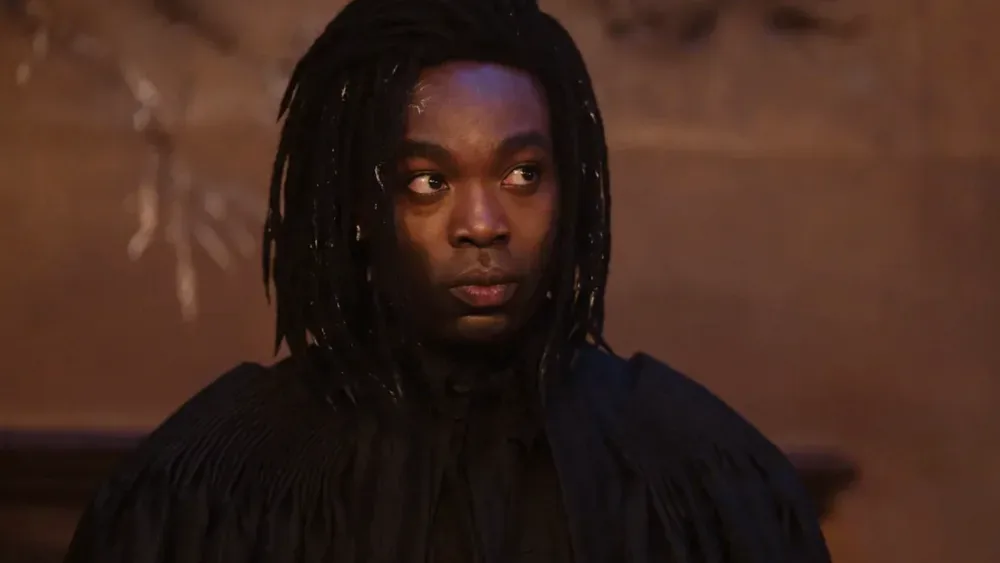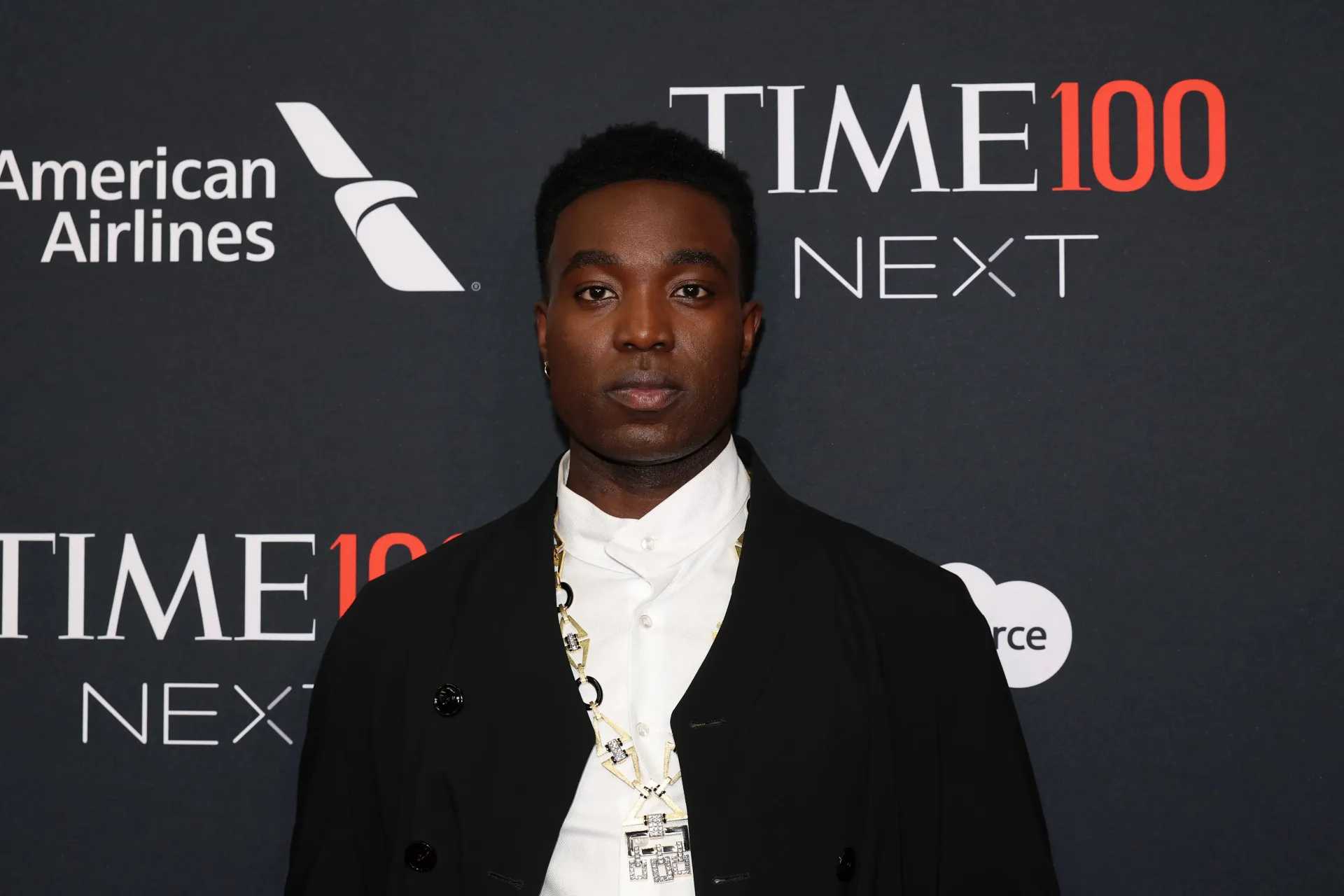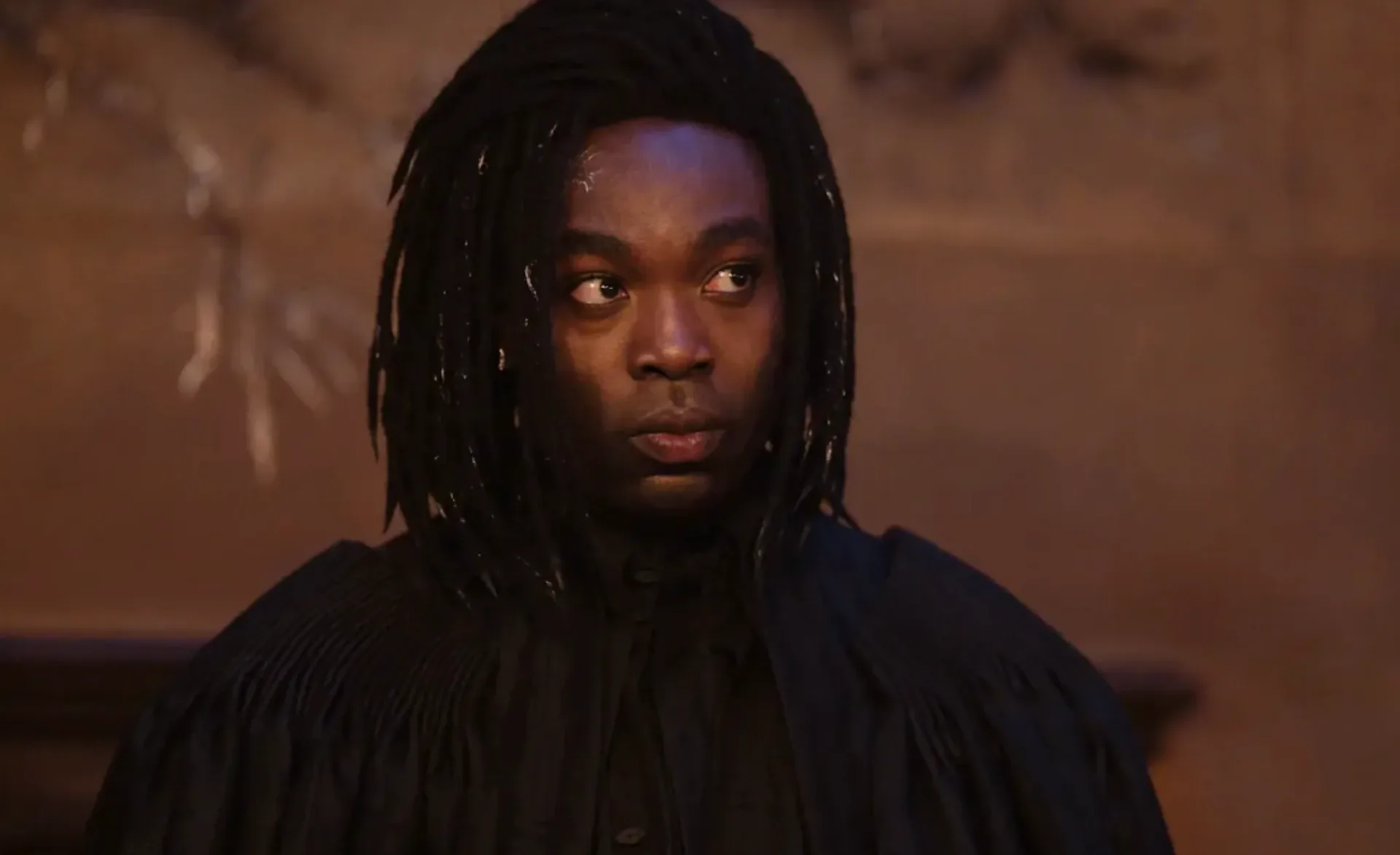
Paapa Essiedu says the conversation around HBO’s upcoming Harry Potter series must not lose sight of a basic principle: people deserve respect, dignity and safety. The actor, cast as Professor Severus Snape in the television adaptation, has spoken about racially driven online hostility connected to the role and reaffirmed his support for trans people, queer people and people of every creed and color.
The series is scheduled to debut on Christmas Day on HBO and HBO Max. But as anticipation builds around a new adaptation of J.K. Rowling’s wizarding world, Essiedu’s comments underline the difference between discussing a creative decision and directing abuse at the person hired to make it.
Francesca Gardiner, the showrunner on HBO’s Harry Potter, condemned the treatment Essiedu has received. Gardiner said it was appalling for anyone to face that kind of abuse and praised the actor’s composure. Her message was clear: Essiedu’s work as Snape, rather than online harassment aimed at him, is what deserves attention.
A casting debate is not a license for abuse
Essiedu has separated ordinary criticism from racism in unusually direct terms. He said audiences are entitled to dislike an actor’s work or question a casting choice. That is part of public conversation around a major adaptation. The line is crossed, he explained, when hostility is rooted in the fact that he is Black.
That distinction matters. Creative criticism is commentary on a performance, an interpretation, a script, costume design or the choices made by a production. Racially driven abuse targets an individual’s identity instead of engaging with their work. These are not competing versions of the same fan reaction, and treating them as if they are can minimize the harm being described.
Earlier this year, Essiedu said he had received racist death threats online relating to his casting. He described messages telling him to leave the production and threats from people claiming they would come to his home. Although he expressed hope that he would be safe, he also said nobody should have to experience such treatment for doing their job—and acknowledged its emotional impact.
The issue is not whether viewers will ultimately respond positively to a new Snape. A television production of this scale will naturally face scrutiny, and a beloved character is likely to bring strong opinions. The issue is that threats and racial hostility are not criticism. They do not contribute to a conversation about the series, and they place the target of the abuse in a position no performer should have to navigate.
Gardiner puts the focus back on the performance
Gardiner’s defense also offers the production’s most substantive response: focus on what ends up on screen. She said Essiedu has “absolutely nailed” the role, framing his interpretation as the relevant basis for viewers’ attention once the program arrives.
Related coverage includes Paapa Essiedu Addresses Racism, Trans Rights as Harry Potter Nears.
For an adaptation, this is an important distinction between casting and performance. Casting is a production decision made before an audience sees a scene. Performance is the eventual work: how an actor builds a character through voice, physicality, timing, relationships and the demands of the script. Audiences may have expectations formed by the novels or prior screen versions, but the television series will stand or fall on the work that the cast and crew make together.
Essiedu, for his part, has said his priority is the work. He characterized his approach as entering the job with open eyes, aware of the broad range of reactions surrounding the project. He also emphasized the support he has received from the team behind the production, as well as the encouragement and excitement sent his way by others.
That acknowledgement is worth keeping in view alongside the abuse. Online backlash can create a misleading sense that it speaks for everyone. Essiedu has said he has also been moved by positive messages and is proud of what he has seen from the project so far. A loud reaction online is not necessarily a complete picture of public feeling.
Essiedu’s position on trans rights
Essiedu has also drawn attention because of his public support for the trans community. Before being cast in Harry Potter, he signed an open letter condemning a U.K. Supreme Court ruling concerning the legal recognition of transgender women and transgender men.
When asked about Rowling, Essiedu declined to discuss her directly. Instead, he articulated his own position: trans people, queer people, and people of all creeds and colors should be treated with respect, dignity and safety, whether they are at work, at home or in public.
That answer is significant precisely because it does not turn the exchange into a celebrity dispute. Essiedu did not present his beliefs as a bargaining chip around the role or frame them as a demand that everyone agree with him. He stated a principle about how people should be treated. The practical meaning is straightforward: someone’s identity should not make them less safe at work, less worthy of dignity in public, or more open to harassment.
Rowling wrote on X in May that she did not have the authority to remove an actor from the series and would not do so if she did. She said she does not believe people should lose jobs or livelihoods because they hold legally protected beliefs different from her own. The author has been the subject of sustained controversy since 2020 over social-media statements that many people regard as transphobic.
These positions help explain why the issue has become part of the surrounding conversation. But they should not obscure the central facts at hand: Essiedu is publicly affirming trans people’s right to dignity and safety, while the production’s showrunner has publicly rejected racist abuse directed at him.
What viewers can reasonably expect before Christmas Day
There is a limit to what can be evaluated before the series airs. Statements of support from the production are meaningful, but they are not a substitute for seeing the finished episodes. Likewise, objections to a casting decision are not evidence of an actor’s actual performance.
The responsible way to approach the series is to keep those categories separate. Viewers can reserve judgment on the adaptation itself until there is a show to assess. They can also reject racism and threats now, without needing to agree on every creative decision associated with the franchise.
This is especially relevant to a title as culturally prominent as Harry Potter, where casting announcements and franchise debates can rapidly turn into social-media flashpoints. The scale of a fandom does not lower the standard for behavior; if anything, it increases the need to distinguish lively disagreement from targeted harm.
There is a broader entertainment context, too. Major platforms increasingly shape how audiences encounter large franchises, from episodic prestige television to more specialized viewing formats. For example, streaming services are continuing to experiment with how viewers access film libraries and virtual viewing environments. Whatever the technology or platform, however, the human side of production remains the same: actors and crews deserve to do their work without facing identity-based intimidation.
The work remains the test
Gardiner’s remarks provide a useful standard for the months ahead. Essiedu’s Snape should be discussed in terms of the performance that appears in the HBO series. Viewers may praise it, criticize it or compare it to their own understanding of the character. Those are normal reactions to an adaptation.
What should not be normalized is racist hostility, death threats or any suggestion that an actor must absorb abuse as an occupational cost of appearing in a famous franchise. Essiedu has been candid that the messages affect him emotionally, while continuing to put the work first. The production has backed him publicly, and he has said the wider team has been supportive.
As the Christmas Day premiere approaches, the most productive response is also the simplest one: engage with the program when it is available, judge the creative work on its merits, and leave identity-based abuse out of the conversation entirely.