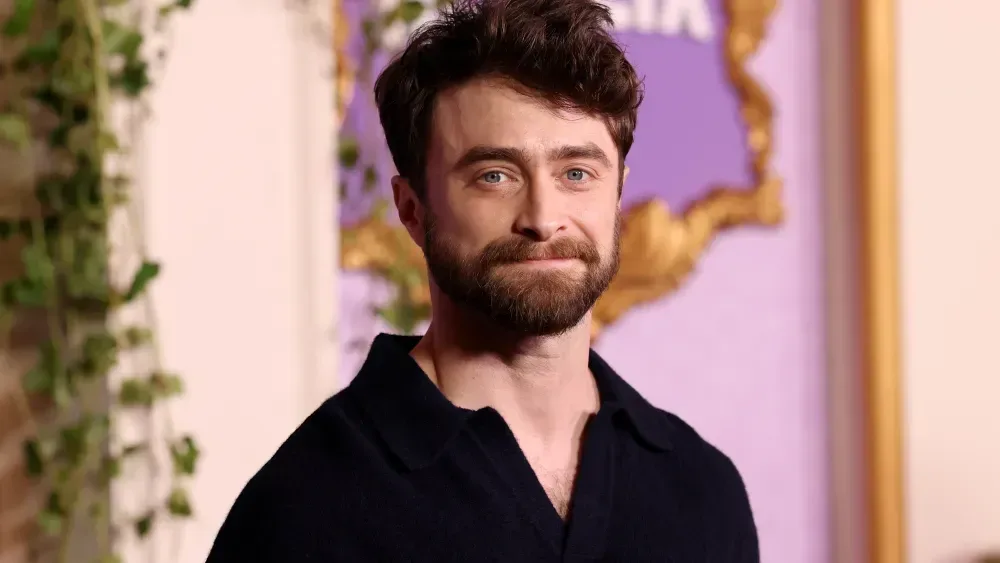
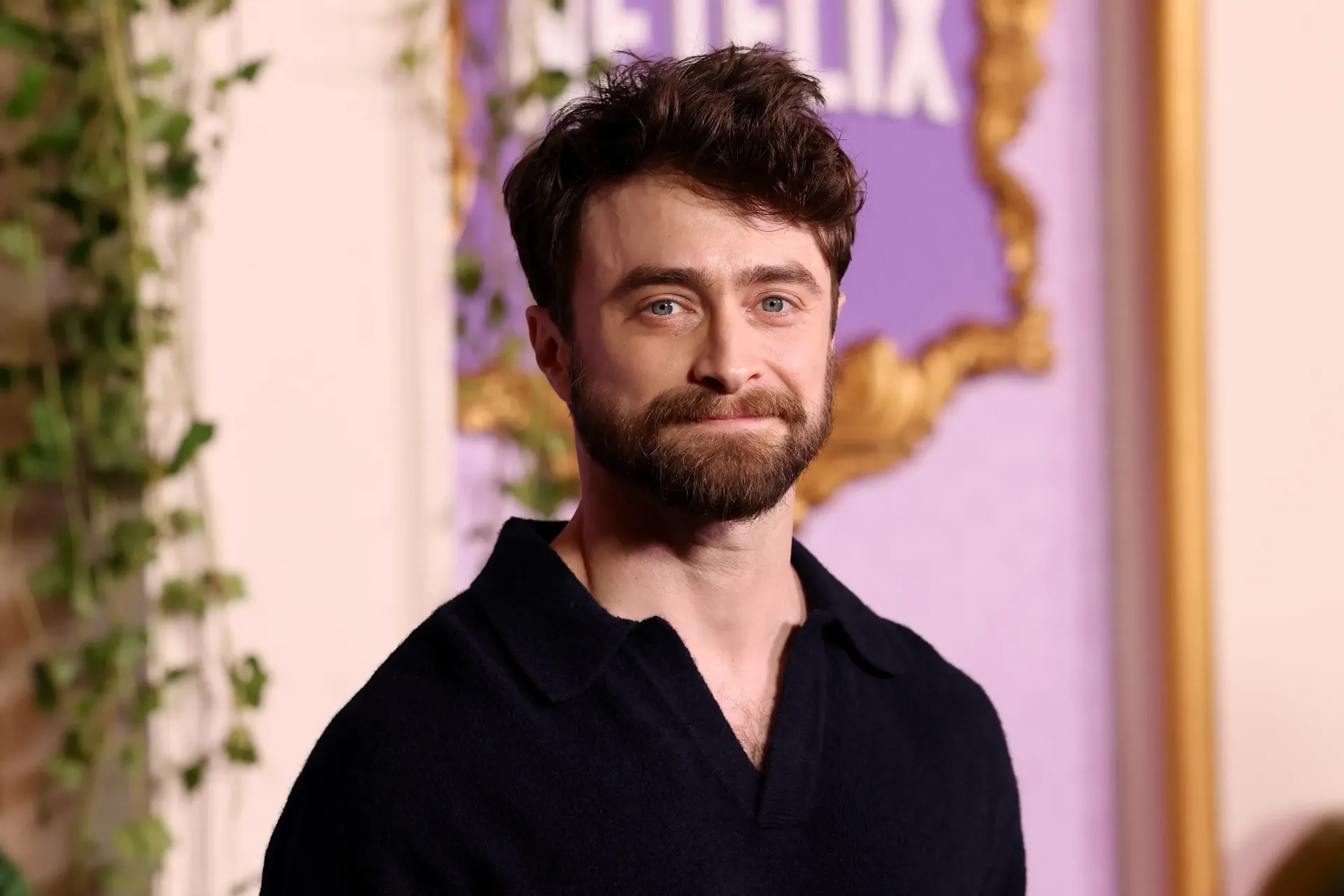
Daniel Radcliffe is cheering on the next actor to play Harry Potter without planning to become the new HBO adaptation’s most dedicated viewer. The actor, who led the eight-film Harry Potter series released between 2001 and 2011, says he may not watch the forthcoming television version starring Dominic McLaughlin.
It is not a dismissal of the new cast or a sign of bad blood with a production stepping into one of pop culture’s most closely watched handoffs. Radcliffe’s comments instead frame a measured, considerate distance: he has already spent an enormous part of his career inside this world, and television viewing is not a routine part of his life in the first place.
“Eight hours is a lot of anything to watch,” Radcliffe said when discussing the prospect. He noted that he does not generally watch TV, naming acclaimed series such as Breaking Bad and Mad Men among shows he has not seen. In that context, declining to commit to another Potter screen experience sounds less like a verdict on HBO’s project and more like an honest description of his viewing habits.
Support without becoming the benchmark
Radcliffe’s more revealing point is the approach he is taking toward McLaughlin, who is 12. He has deliberately chosen not to give the young performer public advice about taking on the role.
That restraint matters. The original film series made Radcliffe one of the most recognizable actors in the world while he was still growing up. A new child performer taking the same character has to contend with obvious comparisons before audiences have seen a finished episode. Advice from the previous Harry could easily be transformed into a headline, a supposed rulebook, or a question repeatedly put to McLaughlin in future interviews.
Radcliffe appears keenly aware of that risk. He said that a simple suggestion from him could lead interviewers to ask McLaughlin whether he is following it. Rather than create an extra standard for the new actor to answer to, he believes McLaughlin has what he needs and predicts that he will be great in the role.
It is a thoughtful distinction between goodwill and ownership. Radcliffe can wish the new cast well without positioning himself as the person whose approval, technique or interpretation defines their work. For a franchise reboot or adaptation, that is arguably one of the most useful forms of support an earlier star can offer: room to make the part his own.
A letter, and an intentionally light touch
Radcliffe has already reached out privately. Last year, he said that he wrote McLaughlin a letter and received what he described as a very sweet response. The message was encouraging rather than instructional: Radcliffe wanted the new Harry to have the best time possible, even better than his own positive experience.
Related coverage includes Daniel Radcliffe Sends Support to HBO’s New Harry Potter but May Not Watch.
He has also said he does not want to become a “specter” in the lives of the younger actors. That wording gets at a familiar challenge for any high-profile recasting. Fans naturally connect a character to the performer who first made an enduring screen version famous. But an adaptation has a better chance to establish its own identity when its incoming cast is not expected to constantly answer for the old one.
Radcliffe’s approach does not erase the historical connection; it acknowledges it without demanding that McLaughlin carry it as a burden. The two actors have exchanged words, and Radcliffe hopes they will meet someday. That leaves the door open for a personal connection while keeping the new actor’s work separate from the public mythology surrounding the films.
What “adaptation” means here
An adaptation is a new screen interpretation of existing material, not automatically a continuation of an earlier screen production. HBO’s upcoming Harry Potter series therefore brings a familiar title and central character back to television with McLaughlin in the lead, rather than asking Radcliffe to resume the role he played in the films.
That difference is important for expectations. The new show will inevitably be compared with the Warner Bros. films because those movies remain a defining version of the story for a huge audience. Still, a new cast is not simply re-performing an old production. Its actors will have their own working relationships, their own performances and their own experience of the material.
For McLaughlin, the assignment combines extraordinary visibility with the normal demands placed on a young lead: learning a large role, working as part of an ensemble and finding a performance that feels natural rather than imitative. Radcliffe’s refusal to prescribe how Harry should be played is a tacit recognition that there is no productive way to copy another performer’s childhood experience exactly.
Why Radcliffe’s absence as a viewer is not the story’s central tension
The prospect of an original star watching a replacement can invite a misleading kind of drama. Radcliffe has offered none. He is supportive of McLaughlin, excited by the possibility of meeting him and openly affectionate when discussing pictures of the new young cast. His likely decision not to watch stems from a combination of not being much of a television watcher and having already lived with Harry Potter for many years.
That is a reasonable boundary for an actor whose name remains inseparable from the role. Radcliffe does not need to serve as a weekly commentator, an on-screen mentor or a public evaluator for HBO’s version to demonstrate goodwill toward it. In fact, staying out of that cycle may help prevent the new production from being framed as an audition before its predecessor.
The decision also gives fans a clearer way to read his comments. There is support for the people making the new show, particularly its young star; there is no promise of personal viewership; and there is no attempt to establish a hierarchy between the films and the series before the latter has been seen.
Radcliffe’s career beyond the wizarding world
Since the film series ended in 2011, Radcliffe has built credits across Broadway, films and television. He can currently be seen opposite Tracy Morgan in NBC’s The Fall and Rise of Reggie Dinkins. He is also part of the voice cast of the animated film Steps, which arrives on Netflix on Nov. 20.
Those projects underline why it is too simple to describe him solely through Harry Potter, even if that role remains a landmark in his career. Radcliffe has had years to move through other mediums and roles. Meanwhile, HBO’s new adaptation is beginning its own chapter with a different generation of performers.
There is a wider business backdrop to how major franchises travel between films, television and streaming, too. HBO is part of a changing subscription landscape, with recent plans involving an HBO Max bundle illustrating the continued importance placed on large, recognizable entertainment libraries. But the immediate human story remains smaller and kinder: an actor who once carried the role is rooting for the kid who has it now, while carefully declining to cast a shadow over him.
For McLaughlin, that may be the best possible signal from a predecessor. Radcliffe is not handing down commandments or demanding a verdict on the new interpretation. He is offering encouragement, respecting distance and allowing the next Harry Potter to start as Dominic McLaughlin’s performance.