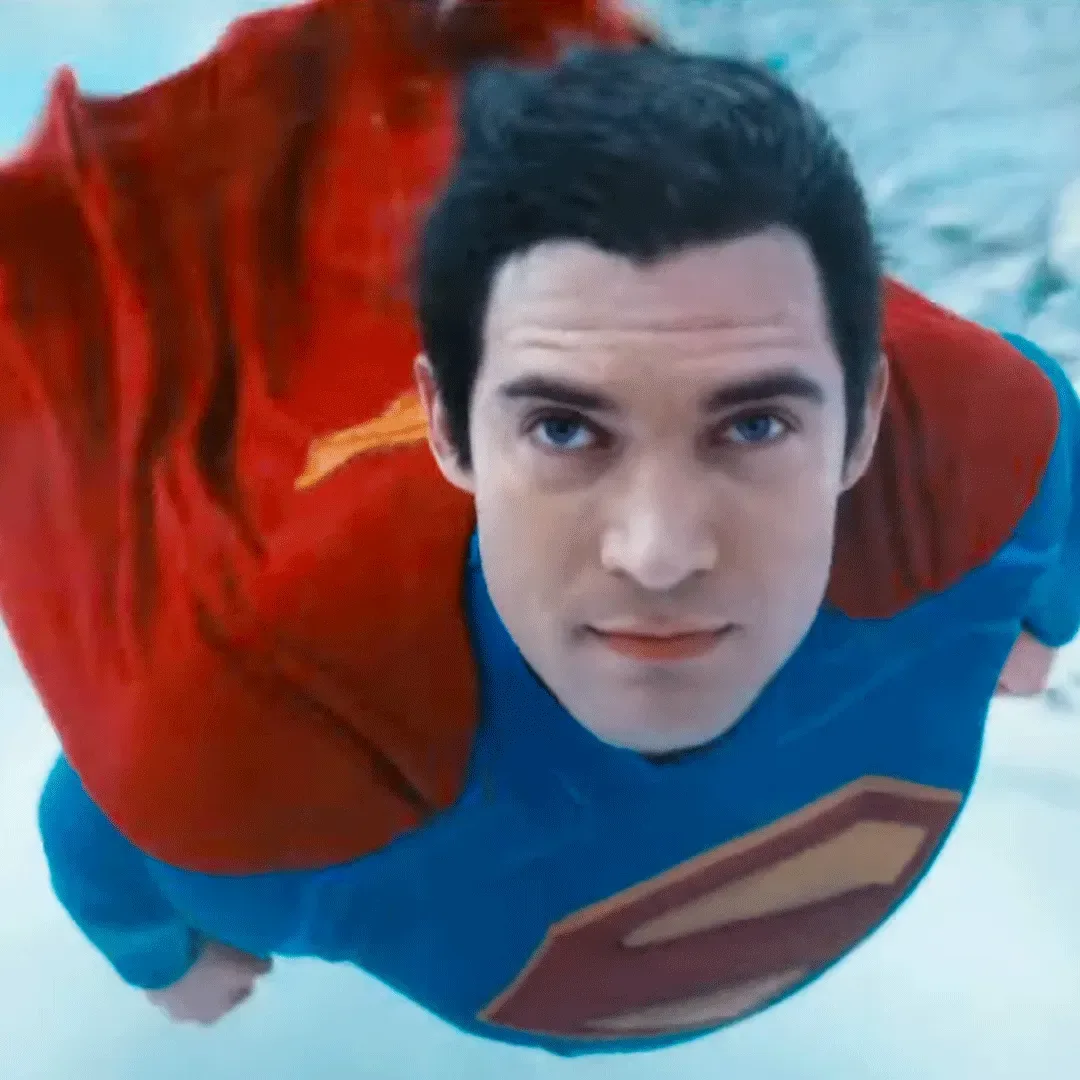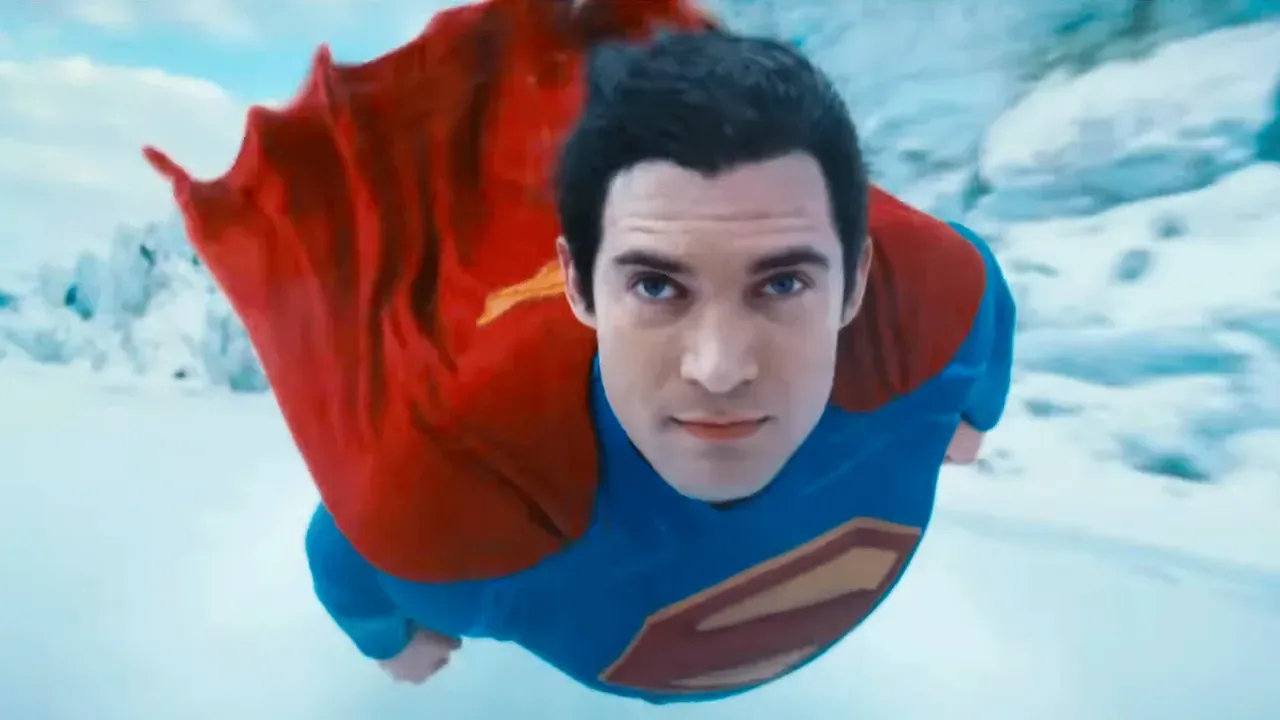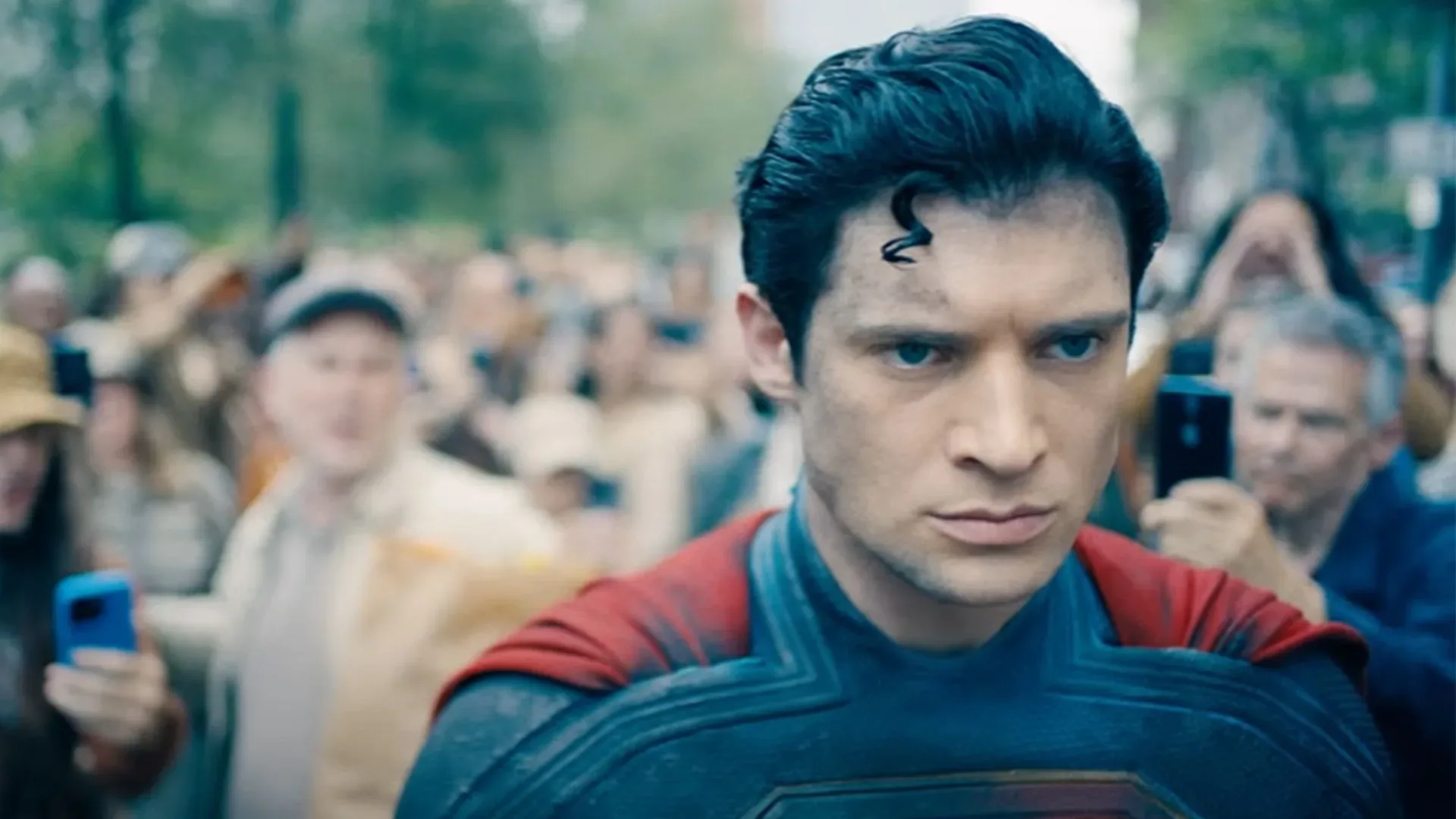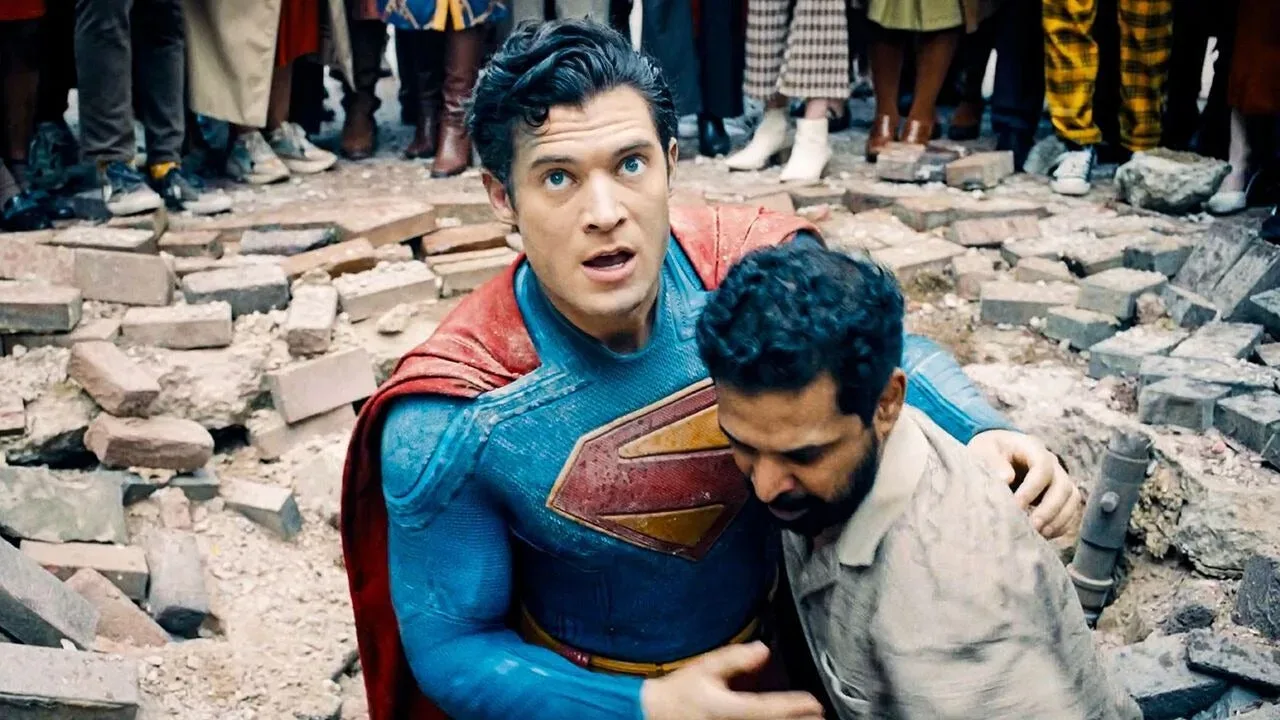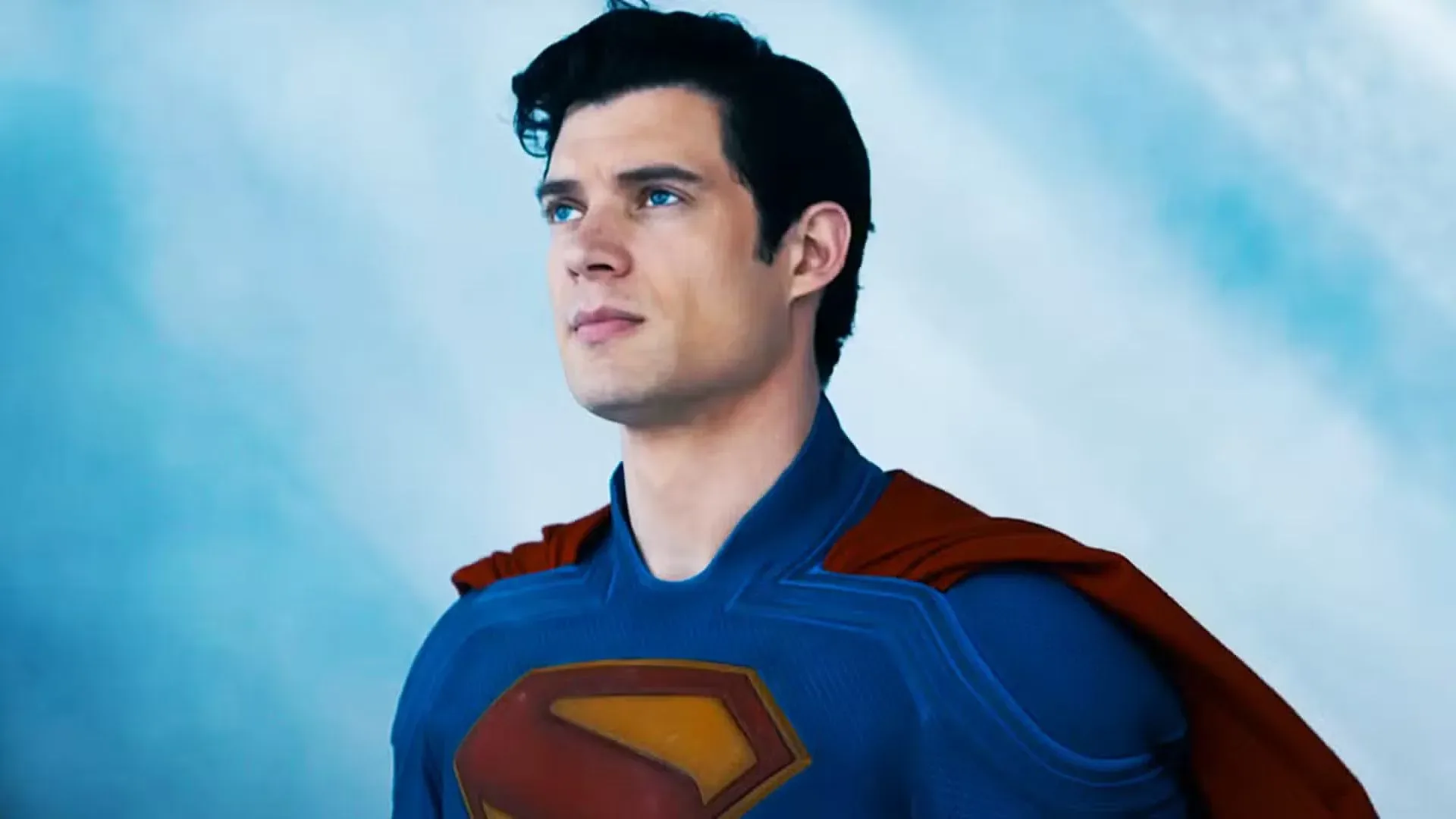
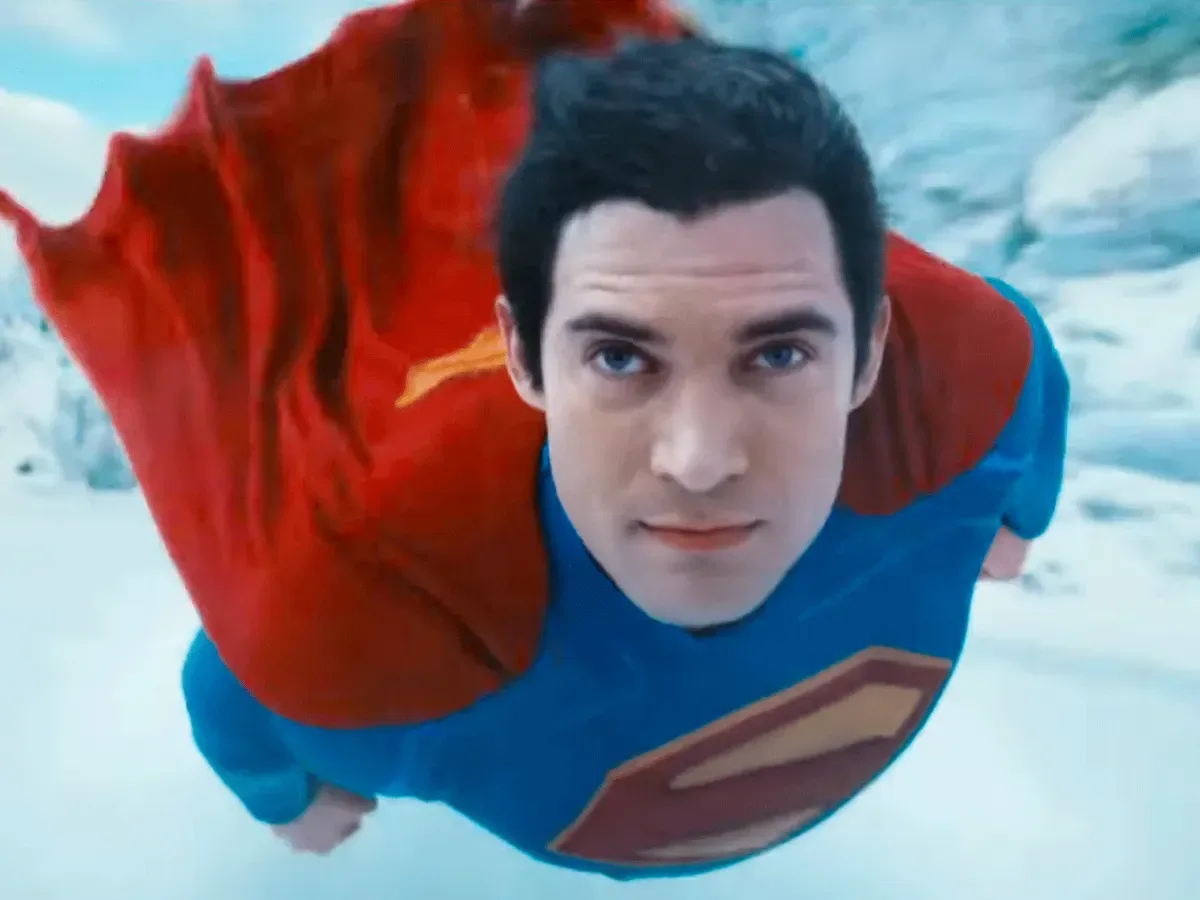
The reported shape of James Gunn’s long-term DC storytelling is coming into focus at exactly the moment its future has become far less clear. Before departing DC Studios alongside co-CEO Peter Safran, Gunn was reportedly developing a larger Superman-led plan: Man of Tomorrow, a third Superman film said to be in the writing stage, and an intention to release Superman movies on a two-year rhythm before potentially widening the story into a Justice League franchise.
That is not a confirmed slate, and it is especially important to treat it as a reported creative direction rather than a promise of finished films. Still, it helps explain why the leadership change at DC Studios carries implications beyond one sequel. A Superman series designed as the foundation of a connected universe affects when other heroes arrive, how they are cast, and whether individual films are meant to lead toward a team-up event.
Skydance has confirmed Gunn and Safran’s departure in a restructuring that places former Marvel Studios executive Jeremy Latcham in direct control of DC. Gunn had been only two years into rebuilding the DC Universe, or DCU, when the transition occurred. That makes the central question less about whether the old plan existed and more about which elements—if any—will be retained.
What the reported Superman roadmap involved
The immediate known stop on the route is Man of Tomorrow, the Superman follow-up due next summer. Beyond that, Gunn was reportedly writing a third Superman movie. The broader idea was to keep Superman on a regular two-year theatrical cadence, then potentially evolve the line into a Justice League franchise.
A two-year cadence means a proposed release pattern, not simply a claim that multiple scripts exist. It suggests a studio strategy in which Superman remains a dependable center of the shared universe while the audience is introduced to other characters around him. In this case, the characters discussed in connection with an eventual team-up include Superman, Supergirl, Wonder Woman, and Batman.
The term shared universe describes a group of movies and series designed to occupy the same fictional continuity. Its practical appeal is clear: characters can meet, story threads can continue across projects, and a major crossover can be positioned as the payoff for prior installments. Its practical risk is equally clear. A change to one central project can affect the release order, casting plans, and narrative purpose of several others.
Gunn had previously spoken publicly about the possibility of a superhero team-up in the DCU and teased an overarching villain for the universe’s major heroes. An overarching villain is a threat positioned above the conflict of a single film, intended to connect separate stories and, eventually, give a team-up event a larger reason to happen. The material available does not establish the villain’s identity, the stage of development for any Justice League film, or whether such a project received formal approval.
Why Batman is one of the clearest pressure points
The uncertainty also hangs over The Brave and the Bold, the planned Batman film. Only last month, Gunn said DC Studios was getting ready to cast the DCU’s Batman. Casting a new Batman would be one of the most consequential decisions in any connected DC screen plan, because Batman is not merely another supporting player: he is one of the characters named as part of the possible future team-up.
A leadership change does not automatically mean a casting search stops, a movie is canceled, or a character is recast. None of those outcomes has been confirmed here. But it does mean plans that were being formed under Gunn and Safran may be reassessed by the new leadership team. The difference matters. “Uncertain” is not the same as “discarded,” and a reported outline is not the same as a locked production commitment.
That distinction is particularly useful for fans tracking superhero franchises. Film development includes many stages: an idea, a treatment, a script, casting, production, release, and long-term sequel planning. Projects can change substantially between any of those stages. A reported third Superman screenplay indicates creative work may have been underway; it does not by itself establish a release date, an approved budget, a cast, or a completed production plan.
Box office is part of the story, but not the entire story
Reports about the executive shift have pointed to studio politics, different creative priorities, and the DCU’s commercial performance as factors. The available figures illustrate why individual results can be read very differently depending on the goals applied to them.
Superman earned $618 million worldwide. That is a substantial global theatrical total, but Skydance was reportedly looking for a level of cultural impact it did not believe the film reached. The reporting does not establish a specific internal financial threshold. Questions about whether $800 million or $1 billion would have met that expectation remain speculation, not a stated target.
Supergirl finished its theatrical run with $126.4 million worldwide and was described as a major disappointment. Clayface, meanwhile, has brought in $109 million so far and is seen as a success because it was a comparatively inexpensive body-horror movie to make.
Those examples show why raw revenue alone cannot explain a studio’s judgment. Worldwide box office is the total ticket revenue reported across markets; it is not automatically the same thing as the money a studio ultimately receives. A film’s perceived performance can also be shaped by production cost, marketing, distribution arrangements, franchise expectations, and whether executives see it as building long-term interest in a character. The supplied information supports the point that Clayface is viewed differently because of its lower cost, but it does not provide its budget or any film’s profitability.
There is also a strategic tension in the results. A Superman-centered universe and a future Justice League payoff imply an ambition for broad, mainstream audience reach. The reported success of a lower-cost, more specialized Clayface picture demonstrates that smaller-scale projects can work under different financial expectations. Whether the incoming leadership prioritizes larger four-quadrant-style appeal, smaller genre experiments, or a mixture of both is not yet established.
For further context on the leadership transition and the question of what creative direction may follow, see the discussion of Jeremy Latcham’s stated creative test for DC.
Gunn’s message leaves a narrow but meaningful opening
In a letter shared with fans after the news, Gunn indicated that he was glad to step away from the corporate politics of the co-CEO role and return to filmmaking. He also said that he and Safran had been involved with another DC project that Gunn is writing, while adding that the characters they introduced would continue.
That statement does not confirm that Gunn’s reported Superman roadmap will move forward intact. It does, however, complicate any assumption that every connection to the previous DCU leadership has vanished immediately. “The characters we set up will live on” can describe continuity at the character level without guaranteeing a particular storyline, release schedule, filmmaker, or crossover destination.
For audiences, that is the key distinction to watch. The next several DC decisions may answer separate questions:
- Does Man of Tomorrow release on its currently stated schedule?
- Will the DCU’s Batman be cast under the new leadership structure?
- Is the reported third Superman film still actively being developed?
- Will the same actors, continuity, and story foundations be carried into future projects?
- Does DC still intend to build toward a Justice League-style crossover?
At present, the provided information offers no definitive answer to those questions. The sensible reading is neither that the entire plan is safely preserved nor that it has already been erased. The franchise is in a transition period, and the status of individual projects may not all be decided at once.
The Snyderverse calls do not signal a confirmed revival
The news has predictably prompted renewed calls from some fans for the Zack Snyder-era DC film continuity to return, including requests for Henry Cavill to resume playing Superman and for the story to continue from Zack Snyder’s Justice League. Fans have also compared box-office results from four years of that earlier era with four years of Gunn’s DCU.
Those comparisons are part of the reaction, but they are not evidence of a studio plan. There is no indication that Skydance will reinstate the Snyderverse. The distinction is straightforward but essential: fan advocacy reflects what a portion of the audience wants; it does not establish what decision-makers have approved.
The more immediate, evidence-based development is the transfer of leadership to Latcham and the uncertainty surrounding work established during Gunn and Safran’s tenure. A potential Justice League franchise remains a reported ambition associated with the prior plan, not a confirmed next chapter.
What this means for the DCU right now
The reported Superman plan suggests Gunn was approaching the character as a continuing anchor rather than a one-film reset. A third entry and two-year release rhythm would have given the DCU a recurring focal point while other heroes developed in parallel. Building to the Justice League would then have supplied a large-scale crossover destination.
But franchise planning is only as durable as the executive backing, release strategy, and commercial expectations behind it. Gunn and Safran’s exit places all three variables in motion. The new leadership can retain pieces of the architecture, alter its priorities, or choose a different organizing principle for DC’s movies entirely.
For now, Man of Tomorrow is the strongest identified near-term signpost. The reported third Superman film, the prospective Batman casting, and the possible Justice League evolution are the pieces that require confirmation rather than assumption. The characters may indeed continue, as Gunn has indicated. What remains unknown is whether they will continue along the route originally mapped for them.