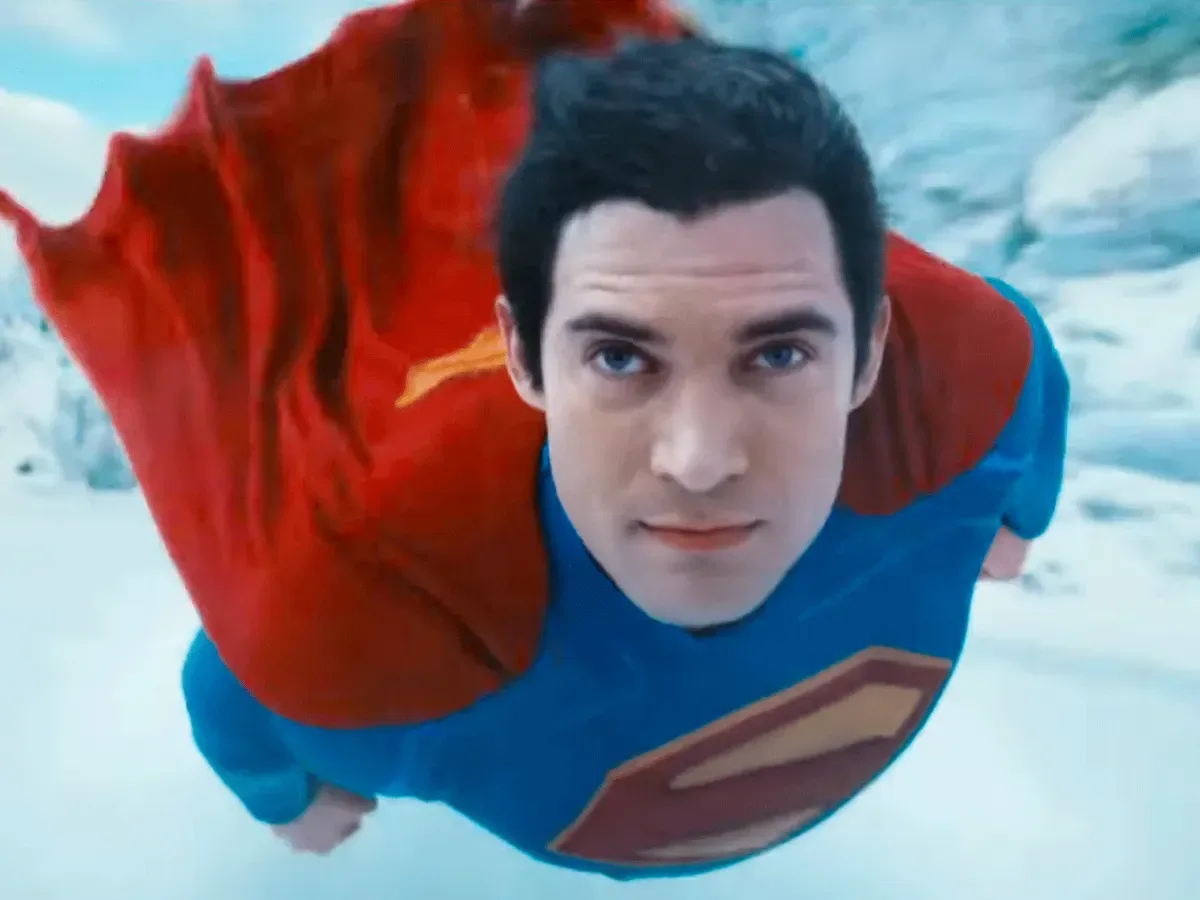
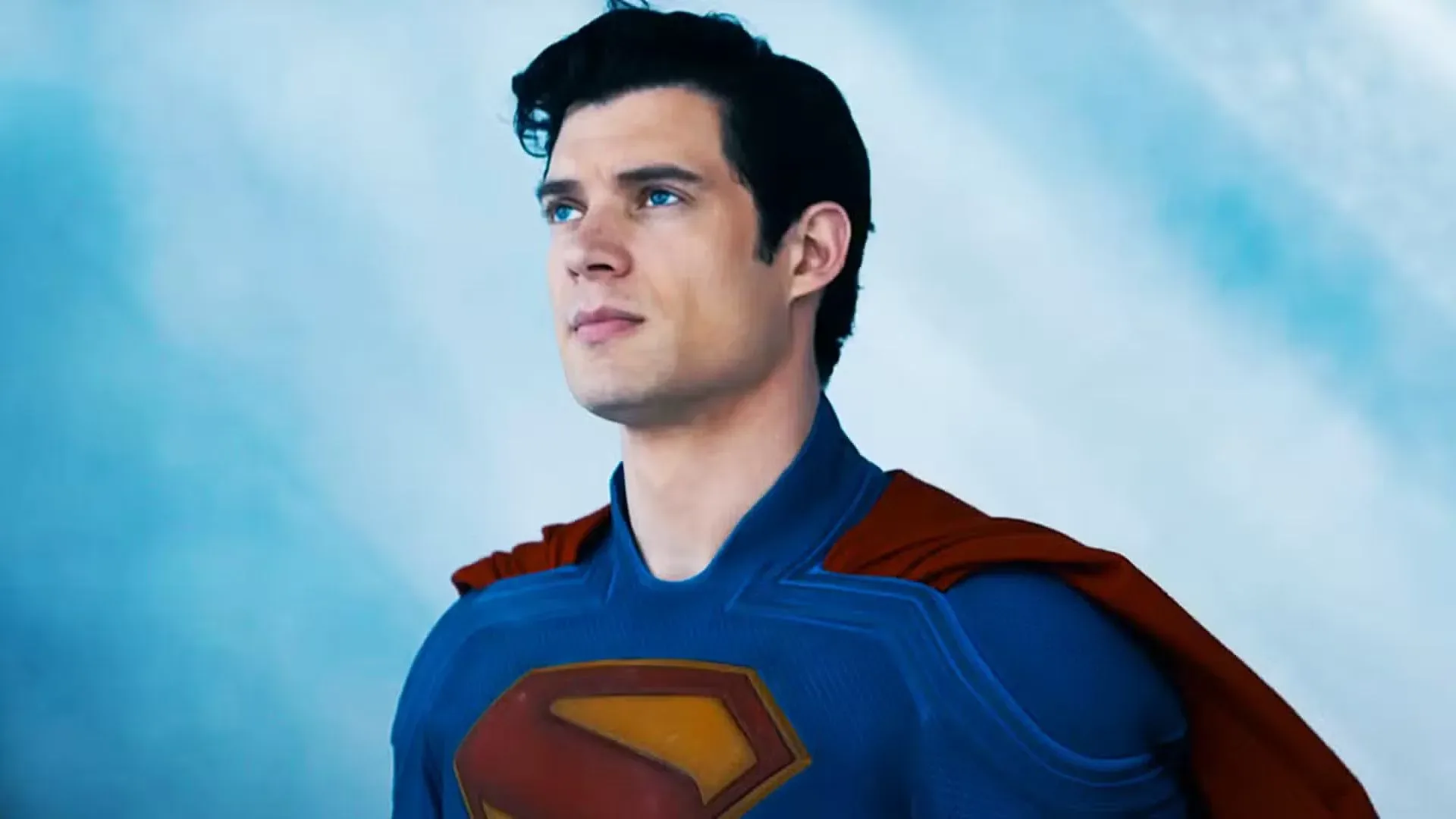
DC may be headed for another period of franchise uncertainty. James Gunn and Peter Safran are no longer co-CEOs of DC Studios, and a new report suggests the corporate leadership behind the newly merged Paramount and Warner Bros. could substantially reshape the screen universe they had been building.
The important word is could. No full replacement slate has been publicly detailed, and there is no confirmed list of projects that have been cancelled. Still, the report indicates that plans extending beyond Man of Tomorrow, the currently shooting The Batman: Part 2, and an HBO series in development may be dismantled. If that happens, it would place DC back in reboot territory only a relatively short time after Gunn and Safran established their Chapter One: Gods and Monsters framework.
What is reportedly safe for now
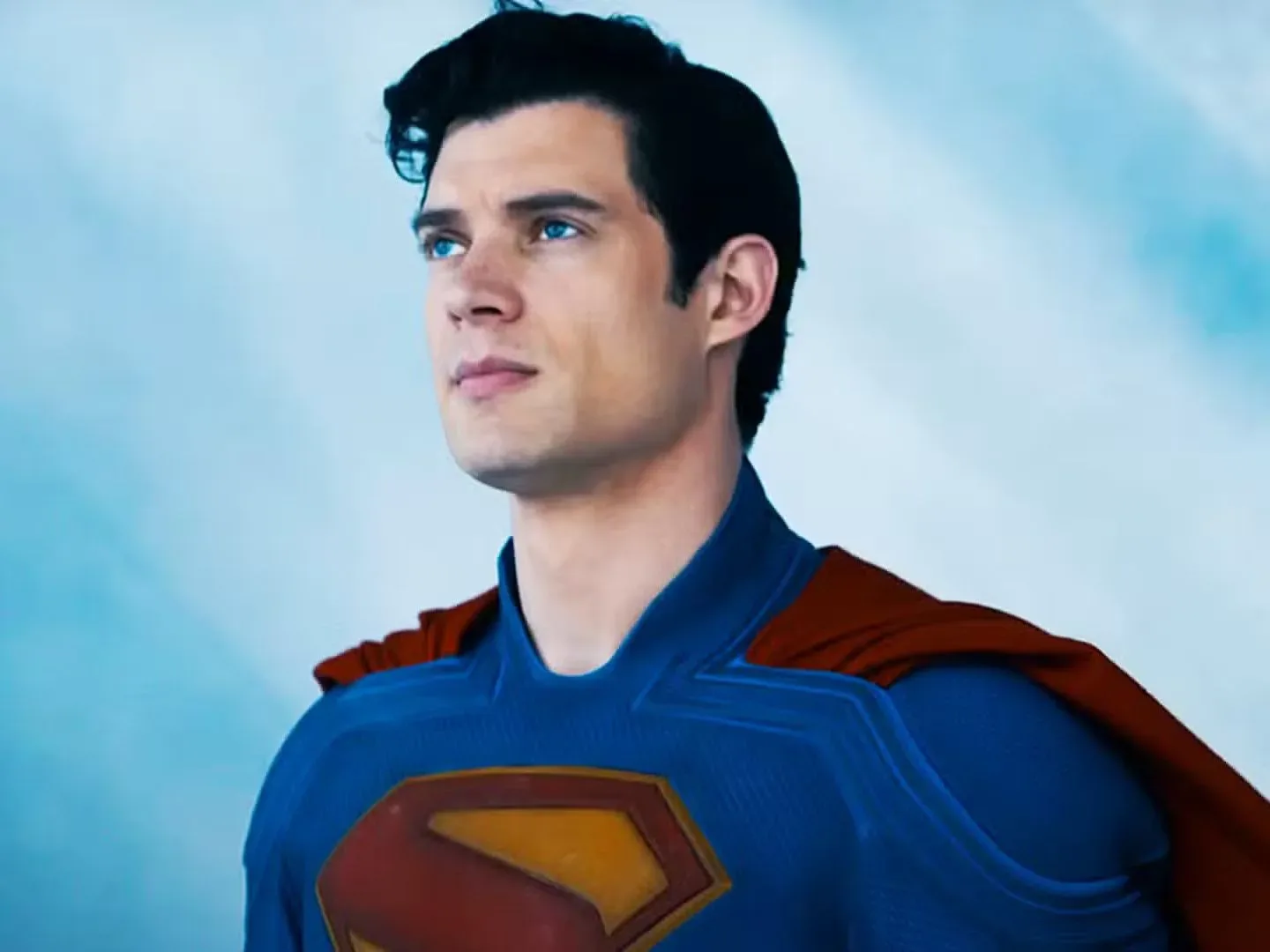
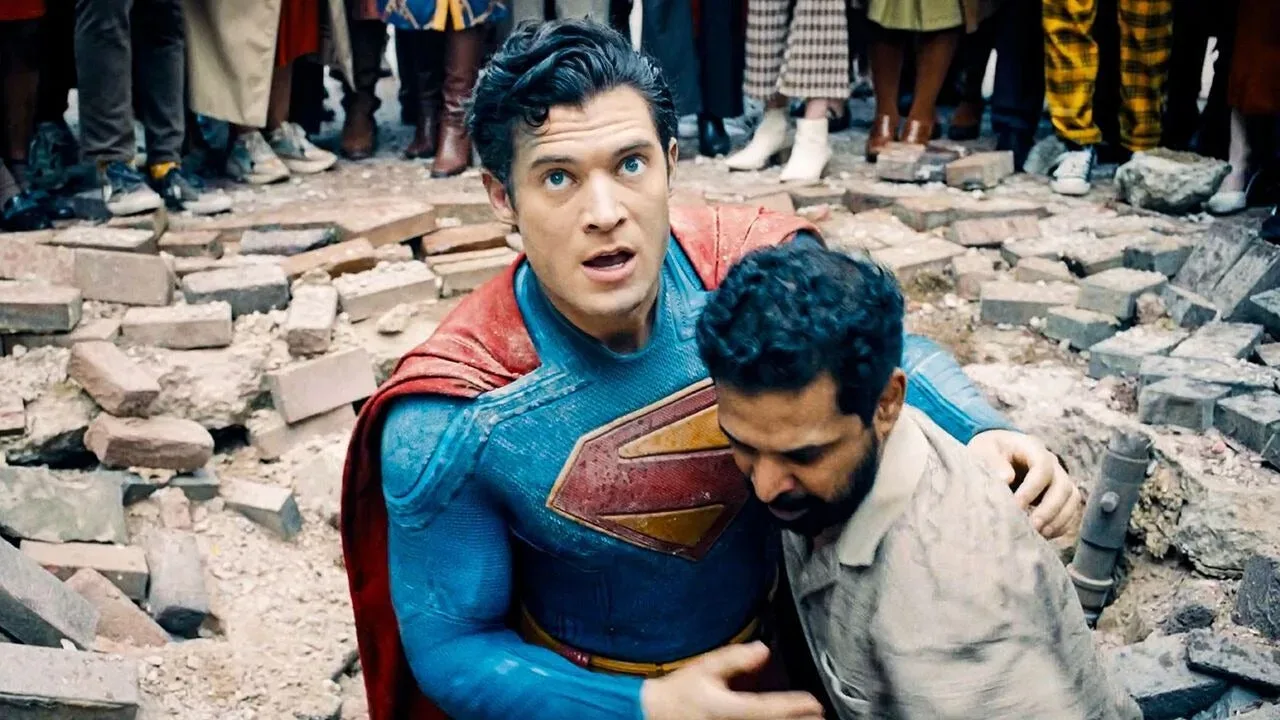
The clearest near-term project is Gunn’s Man of Tomorrow, which is dated for July 9, 2027. It is the next DC release specifically identified in the available information, and Gunn has described the production process so far as the best filmmaking experience of his life.
There are also two other projects named as continuing points amid the uncertainty:
- The Batman: Part 2: The film is currently shooting.
- An HBO series: A DC series remains in the works, though its title and exact place in the wider plans have not been specified here.
That does not necessarily mean the three projects share one continuity or that each is immune from future changes. It means they are the projects explicitly identified as standing apart from the broader plans reportedly under review. Fans should be careful not to turn that limited information into a definitive roadmap.
What “dismantling” a slate would actually mean
A slate is simply a studio’s planned group of films and series, usually mapped over multiple years. It can include scripts, creative attachments, release targets, casting plans and links between stories. A slate is not the same thing as a completed set of productions. Projects at different stages can be changed, delayed, revised, moved to another continuity, or stopped altogether.
That distinction matters in this case. The report does not establish that every DC project conceived under Gunn and Safran has already been cancelled. Instead, it points to a potential strategic reset after the projects closest to completion or already in active production.
For viewers, a reboot can mean anything from a clean cast-and-continuity break to a narrower reshaping of the projects that connect to one another. The available reporting does not say which route Skydance would choose. It also does not answer whether characters introduced during the Gunn and Safran era would be recast, retained, or placed into separate story worlds.
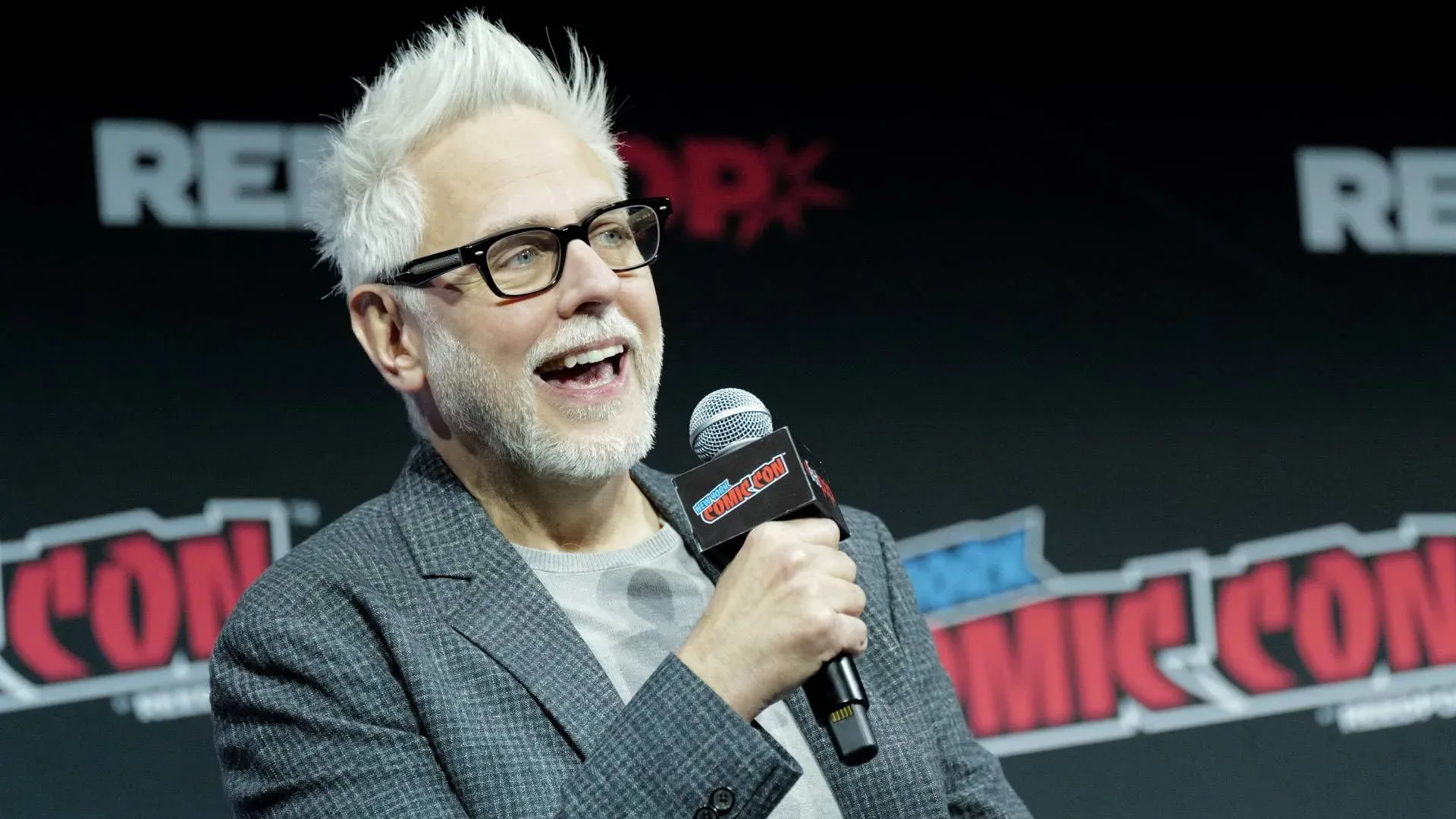
Gunn has offered one small reason not to assume every creative element disappears. In his statement about stepping down, he said that the characters set up during his tenure would live on. That is a broad sentiment rather than a project-by-project commitment, but it acknowledges that DC’s characters are larger than any one executive structure.
The unfinished Chapter One question
Gunn and Safran’s DC Studios plan was grouped under the Chapter One: Gods and Monsters label. At present, there is no confirmation of which parts of that slate, if any, will proceed after Man of Tomorrow.
That gap is significant because a shared-universe plan relies on coordination. A sequel, a spin-off and a crossover can each work alone, but a larger connected plan needs a continuing creative and business strategy. When the executives who were overseeing that strategy depart, new leadership may decide to preserve certain pieces, pursue different priorities, or build an entirely new structure around DC’s characters.
Reports had also indicated that Gunn was writing a third Superman film, with a proposed cadence of a new Superman movie every two years that could eventually build toward the Justice League. That information describes a plan, not a guaranteed production commitment. The reported review of the wider slate makes the difference especially important: a script in progress and a long-range intention are not the same as a greenlit film with a locked release date.
Gunn’s comments point to continued DC work
Although Gunn and Safran are out as studio co-CEOs, Gunn has not said that his relationship with DC is immediately over. He confirmed that Man of Tomorrow is still due in summer 2027 and said he and Safran had been engaged for another DC project that Gunn is writing.
That is meaningful, but it should not be overstated. The unnamed project has no publicly supplied title, schedule, format or confirmation of how it fits with the projects reportedly being reconsidered. It does show that Gunn’s exit from the executive role is not necessarily an exit from DC filmmaking altogether.
His statement also framed the departure in personal terms. Gunn expressed appreciation for releases and projects including Superman, Clayface, Peacemaker, The People Vs., and the work on Man of Tomorrow, while saying he was relieved and excited to return to pure filmmaking. That wording draws a useful line between being a filmmaker attached to DC characters and serving as one of the executives responsible for the whole studio operation.
For more on the immediate audience reaction to Gunn leaving DC, including renewed discussion around a possible Guardians of the Galaxy 4, see this look at what remains unconfirmed.
Why the distinction between DC projects matters
DC does not operate as one simple, automatically connected line of films and television series. The report’s wording separately identifies Man of Tomorrow, The Batman: Part 2, and an HBO project while describing broader plans as subject to possible dismantling. That is a reminder that projects can have separate creative paths even when they come from the same studio umbrella.
The source material does not clarify the relationship between these works, so it would be inaccurate to claim that they are all pieces of one surviving universe. Likewise, it would be premature to say that a potential reset erases the released work associated with the previous DC Studios leadership. Released films and series remain released; the unresolved question is what future projects will be produced and how, if at all, they will connect.
What fans can reasonably watch for next
Until DC or Skydance provides a formal plan, the most useful signals will be concrete rather than speculative:
- official confirmation of DC Studios’ new leadership structure;
- specific announcements on the remaining Chapter One: Gods and Monsters projects;
- production updates for The Batman: Part 2;
- details on the HBO series still described as in development;
- clarification of Gunn’s newly mentioned writing project; and
- any statement explaining whether the planned Superman and Justice League path continues, changes, or ends.
For now, the central fact is simple: Man of Tomorrow remains on the calendar for July 9, 2027, while the larger future of the Gunn and Safran-built DCU is unclear. The report of a dismantled slate describes a potentially major change, but the scope of that change—and which individual projects ultimately survive it—has yet to be publicly established.