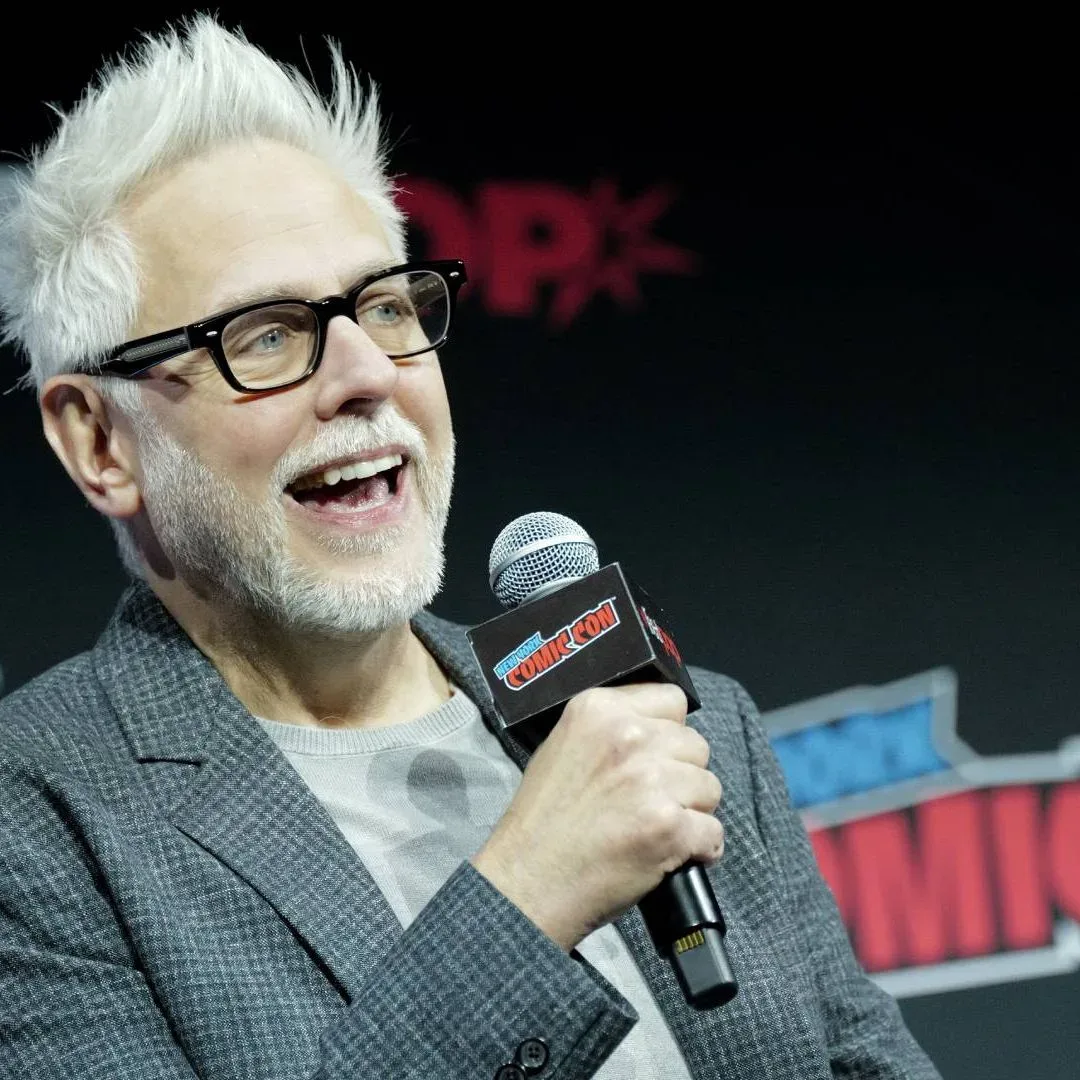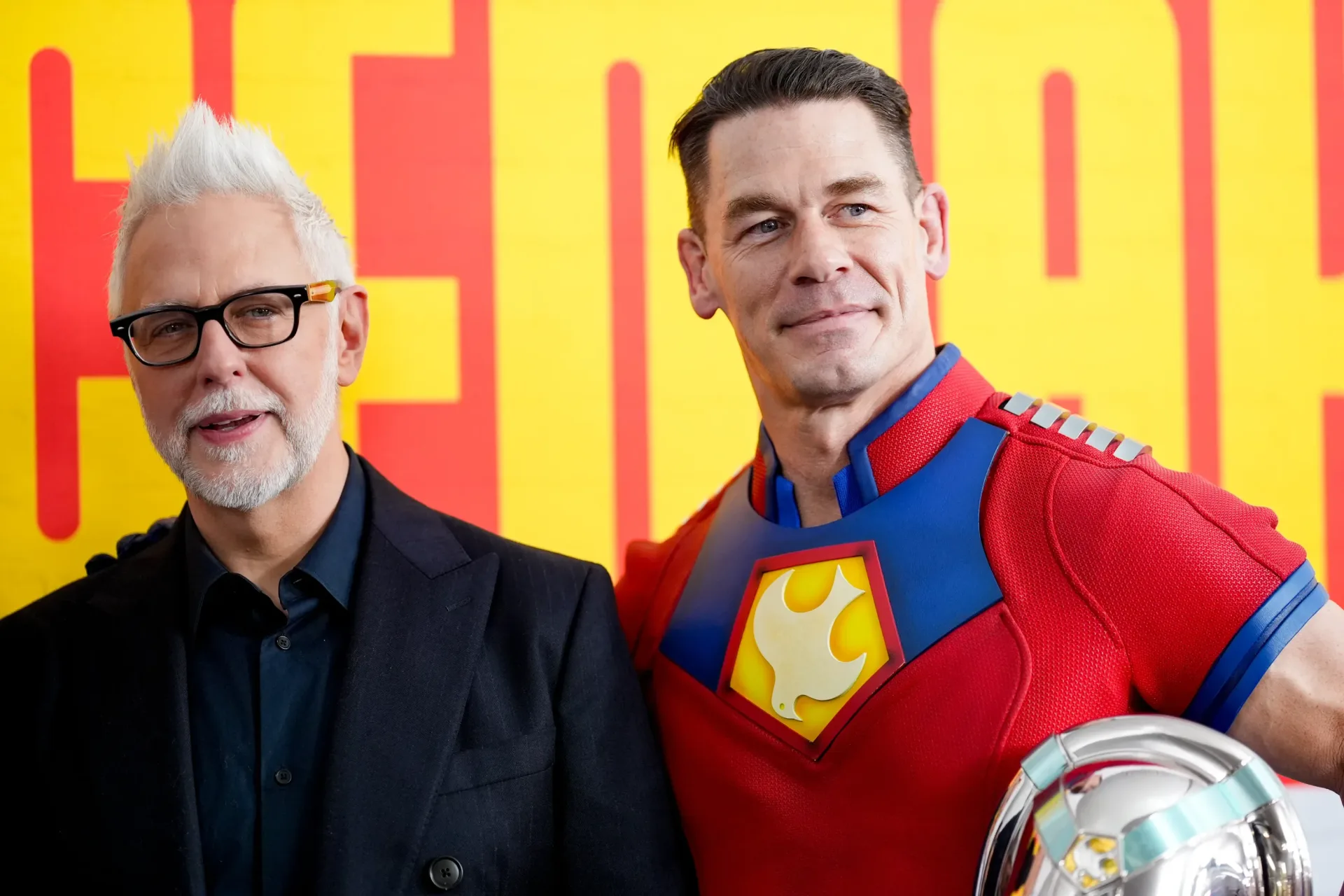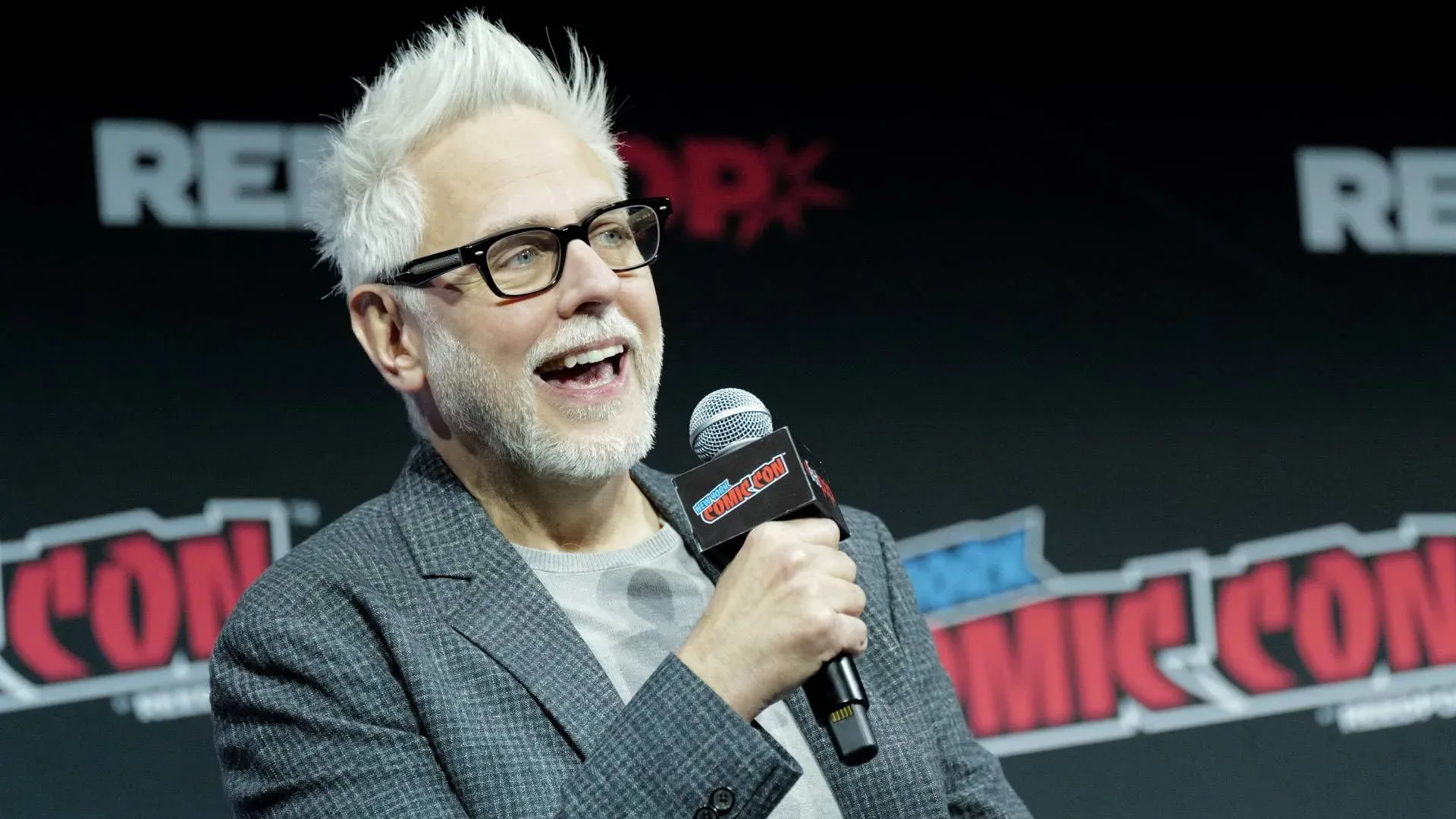
James Gunn’s decision to step down as co-CEO of DC Studios has immediately created a familiar kind of superhero-movie vacuum: fans have begun filling it with their preferred casting, directing and franchise scenarios. The loudest request is straightforward. Bring Gunn back to Marvel and let him make Guardians of the Galaxy 4.
That enthusiasm has spread across social platforms following news that Gunn and fellow DC Studios co-CEO Peter Safran will leave their roles. But the important distinction is also the least flashy one: there is no confirmation that Gunn is returning to Marvel Studios, no announced fourth Guardians movie, and no indication that either is automatically created by his departure from DC leadership.
What is confirmed in the reported timeline is substantial enough to explain the reaction. Gunn built a major portion of his modern filmmaking identity at Marvel, directed all three Guardians of the Galaxy films, and later became one of the people tasked with guiding DC’s broader screen strategy. His exit from the executive side of that work changes his professional availability in theory. It does not, by itself, reveal his next project.
Why the Marvel speculation arrived so quickly
Fans asking for more Guardians are responding to a genuine creative history. Gunn was hired in 2012 to co-write and direct the first Guardians of the Galaxy, which arrived in 2014. He subsequently wrote and directed the second film, contributed scene direction to Doctor Strange, and eventually wrote and directed Guardians of the Galaxy Vol. 3.
That run made him closely associated with Marvel’s cosmic corner—the stories set beyond Earth and often built around spacefaring characters, alien worlds and galaxy-scale stakes. For some viewers, that association is more meaningful than the corporate line separating the Marvel and DC film operations. Their logic is not especially mysterious: Gunn is potentially no longer running DC Studios, Gunn previously made three Guardians movies, therefore another collaboration with Marvel looks imaginable.
Imaginable is doing a lot of work there. Online posts calling a fourth film “confirmed” are speculation, not reporting. A studio can continue a franchise without its prior filmmaker; a filmmaker can make a new project without returning to a former franchise; and a leadership change does not establish a production schedule. Those possibilities can all be true at once.
There is also a difference between a director returning to a studio and a director taking on every role fans might want. Gunn’s Marvel history included writing, directing and some work connected to larger projects. Any future collaboration, if one happened, could take a different form entirely. It could involve a new film, an existing property, a producing role, a script contribution, or nothing at all. The available information does not choose among those outcomes.
Gunn’s Marvel and DC timeline, in brief
The current conversation can become muddled because it combines two distinct careers and a turbulent stretch between them. The simplest version of the documented sequence is:
- 2012: Gunn joined Marvel to co-write and direct the first Guardians of the Galaxy.
- 2014: The first Guardians film was released.
- 2018: Disney removed Gunn from Marvel Studios following resurfaced social-media posts, at a point when he had been expected to direct the third film.
- 2019: Marvel rehired Gunn.
- 2021: He wrote and directed DC’s The Suicide Squad, then worked on Peacemaker.
- 2022: Gunn and Safran became co-CEOs of DC Studios.
- Later: Gunn directed Guardians of the Galaxy Vol. 3.
- December 1, 2026: Former Marvel Studios executive Jeremy Latcham is set to replace Gunn and Safran.
This is why the moment feels unusually consequential to fans of both comic-book universes. Gunn did not merely move from directing a few DC projects to working elsewhere. He became part of the executive leadership responsible for establishing the DCU, or DC Universe, a connected line of projects intended to share a larger continuity and direction.
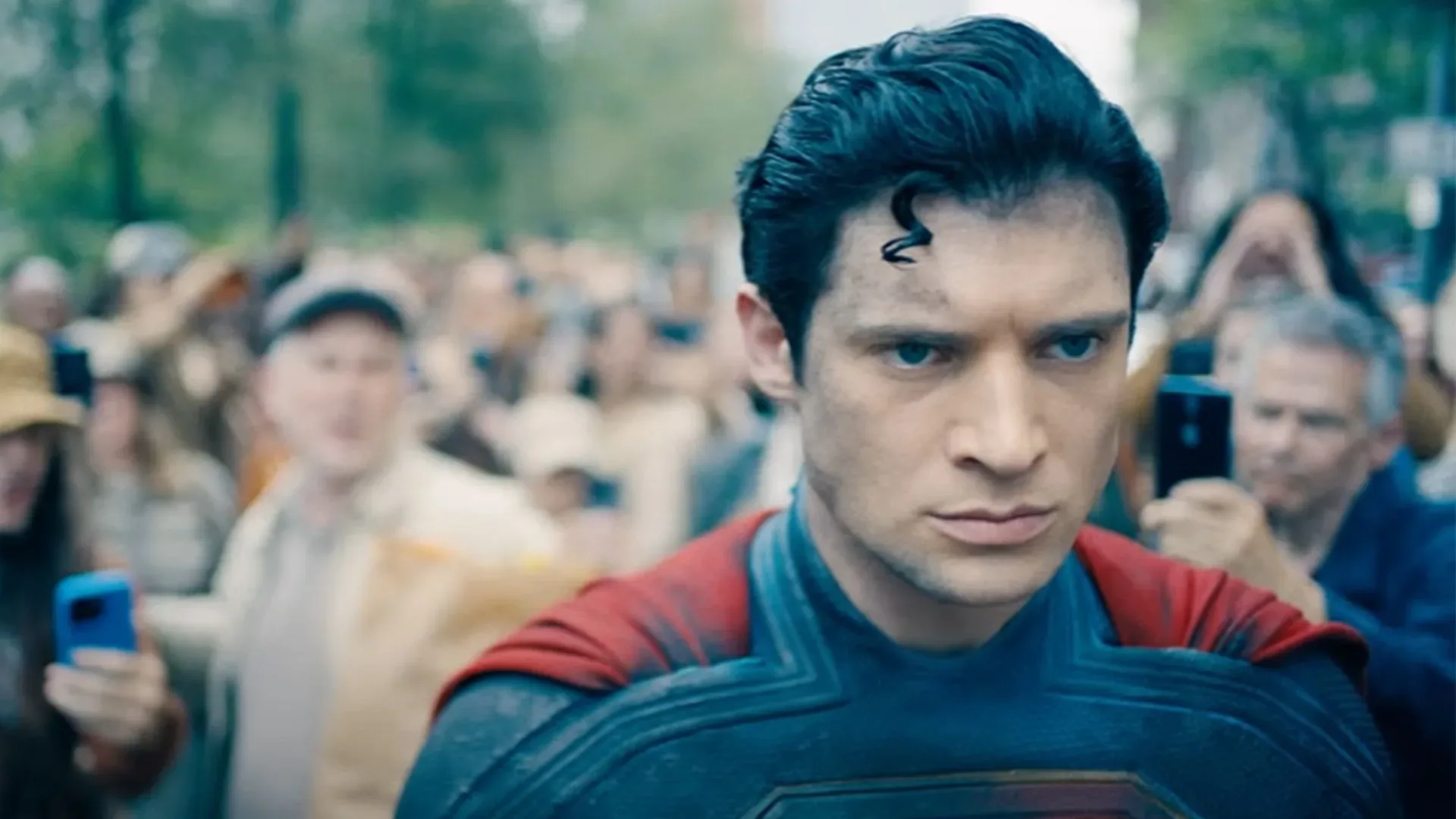
Superman launched DCU Chapter One last year. Projects already in development are still expected to move forward, including Man of Tomorrow, The People v. Gorilla Grodd and season two of Creature Commandos, even amid reports that the wider DCU could be dismantled. That makes it premature to characterize Gunn’s departure as a total stop for every project associated with the current plan.
What Gunn has said about leaving the CEO job
Gunn addressed the move in an Instagram statement, saying he felt relieved to be leaving the position. He also described discomfort with the role’s sometimes corporate character and said dividing his time between projects and executive responsibilities had been difficult.
That explanation supplies a more grounded reading of the departure than fan-made franchise mathematics. A studio co-CEO’s work is not the same as a director’s work. Leadership involves long-range planning, decisions across multiple productions and the coordination of a large organization. Writing or directing centers on a particular project’s storytelling and production. Those jobs can overlap, but they impose competing demands on time and attention.
Gunn’s comments suggest that split was a meaningful issue for him. They do not specify what he will make next, where he will make it, or whether he will seek another executive post. Treating the decision as proof of a Marvel homecoming skips several steps that have not happened publicly.
The business circumstances matter as well. The leadership transition follows Skydance’s acquisition of Warner Bros. earlier this year. Safran is also departing, and Latcham is scheduled to take over the leadership role. That is a company-level change, rather than a simple case of one filmmaker deciding to leave a single movie series behind.
Could Guardians of the Galaxy 4 happen?
It could happen in the broadest sense that major superhero properties can return in new forms, but no announced information here establishes it. A title on a fan’s wish list is not a studio slate entry. Nor does the existence of a completed trilogy mean a fourth installment is required.
It is useful to separate three questions that are often bundled together:
- Will Marvel make another Guardians project? Nothing in the current information answers that.
- Would Gunn return to Marvel Studios? His DC leadership exit makes the idea possible to discuss, but it remains unconfirmed.
- Would Gunn write or direct a fourth Guardians film? This is an even more specific claim with no confirmation.
Keeping those questions separate is not an attempt to drain the fun from fan speculation. It is a way to identify what fans are actually asking for: not just another appearance by the team, but a reunion with the filmmaker whose work shaped the trilogy. The request is creative as much as commercial.
That distinction matters because comic-book franchises often involve several kinds of continuity. There is character continuity—whether familiar heroes return. There is story continuity—whether a new project follows the earlier narrative. And there is creative continuity—whether the same writers, directors or producers are involved. Fans calling for Gunn are primarily asking for the third kind, even though the slogan is “Guardians of the Galaxy 4.”
What this may mean for DC viewers
For DC audiences, the immediate question is less about Marvel and more about the projects already moving through development. The stated expectation is that Man of Tomorrow, The People v. Gorilla Grodd and Creature Commandos season two will proceed. At the same time, reports of a possible dismantling of the DCU mean the broader picture remains unsettled.
That uncertainty is worth treating carefully. “In the works” does not guarantee an unchanged release plan, while reports of a restructuring do not automatically identify the fate of every individual title. The dependable takeaway is that a leadership transition is underway, with Latcham due to take over on December 1, 2026, and that several named projects remain expected to continue.
It also reinforces a basic reality of franchise filmmaking: a cinematic universe is larger than one person, even when that person has been its most visible architect. Gunn’s departure can alter the leadership structure and creative expectations around DC without supplying a definitive answer about every film, show or character connected to the current era.
Why fans should resist treating a wish as a schedule
The internet is exceptionally fast at turning a plausible possibility into an apparent certainty. This is particularly true when the possibility reunites a popular filmmaker with a beloved series. Yet the evidence currently supports only a narrower statement: Gunn is leaving his role at DC Studios, and many fans would like him to return to Marvel, especially for another Guardians film.
That is a meaningful expression of affection for the trilogy, but it is not a production announcement. Until Marvel, Gunn, or the relevant studios provide a concrete statement, claims of an imminent Guardians of the Galaxy 4 should be read as hopes and conversation rather than confirmed plans.
The wider shift comes as entertainment companies continue to wrestle with creative identity, executive strategy and changing production pressures—an issue also visible in Nintendo’s discussion of making work that feels unmistakably Nintendo. In Gunn’s case, the confirmed development is a change in studio leadership. Everything beyond that—Marvel, a fourth Guardians outing, or the exact future shape of DC—still needs official clarity.