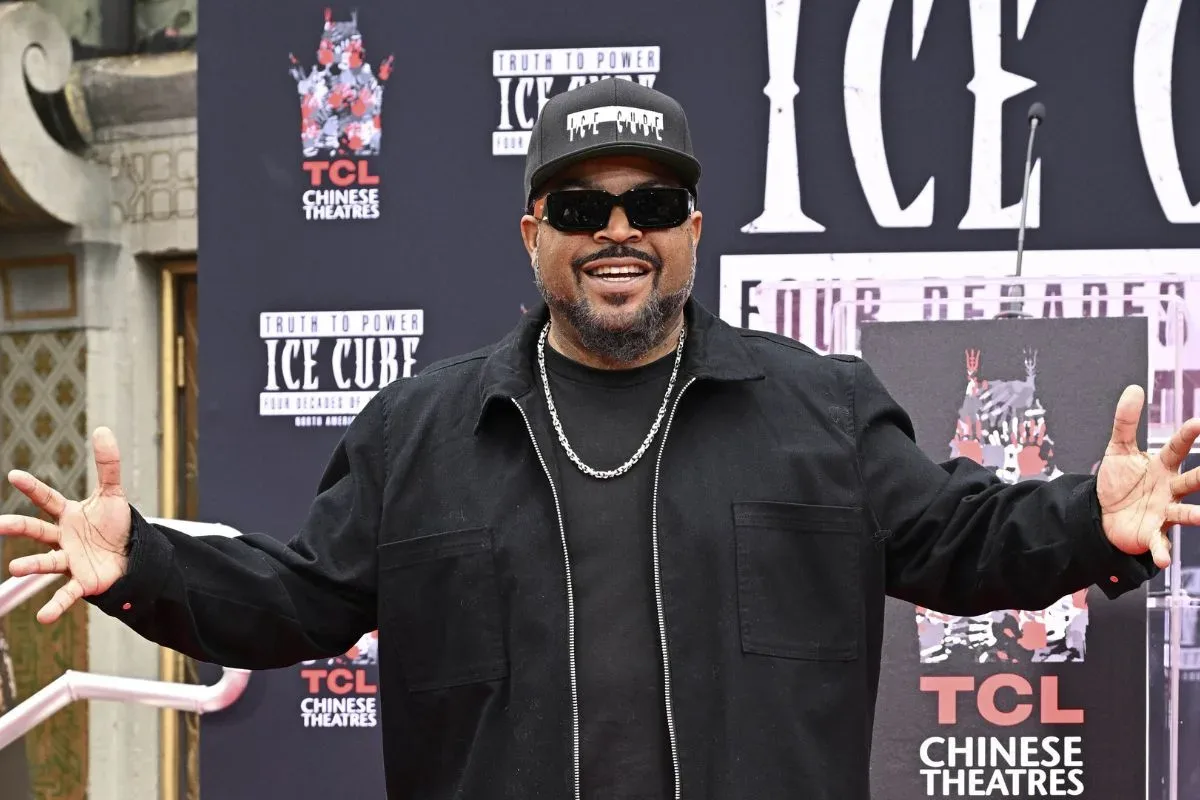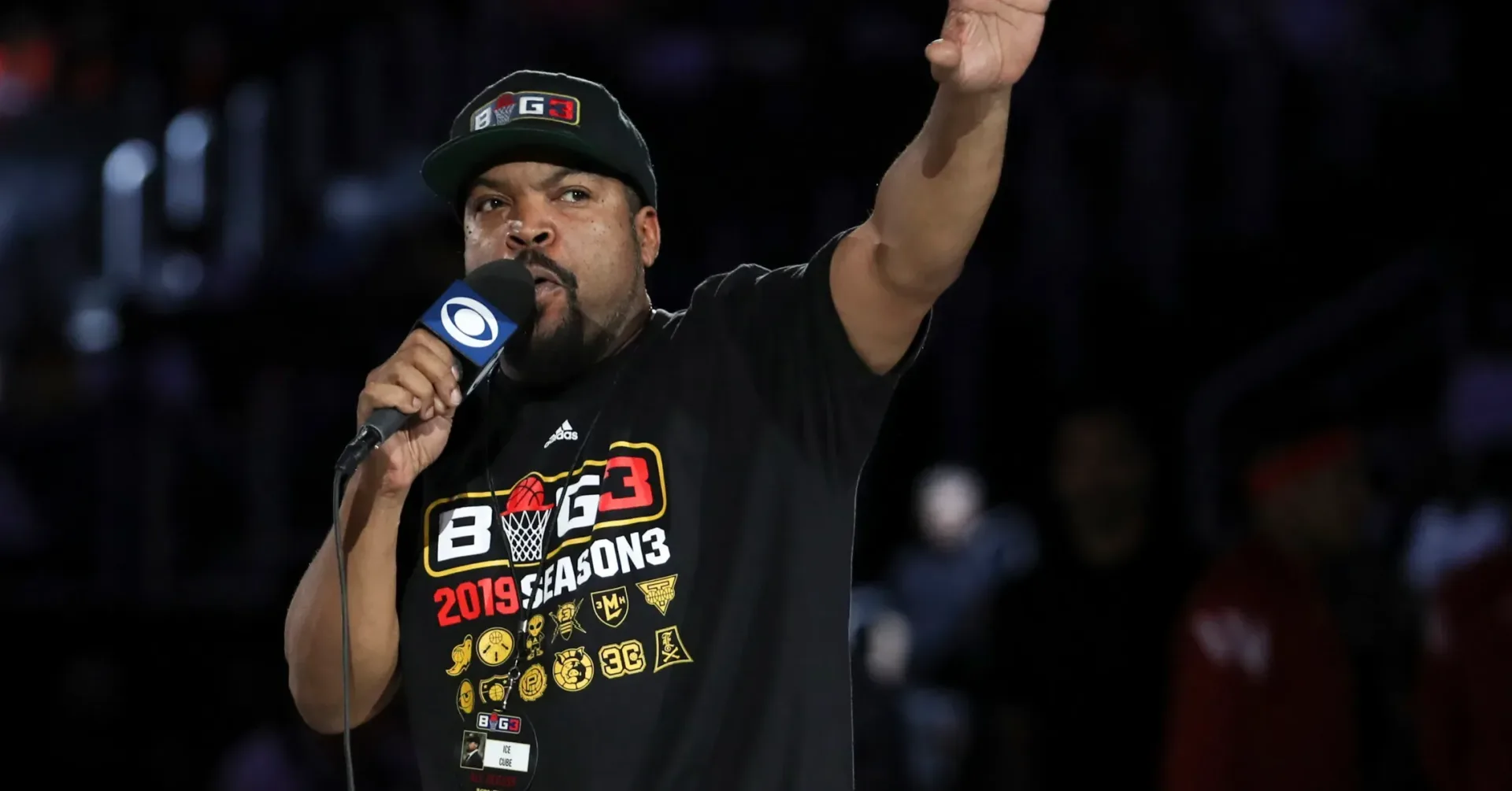
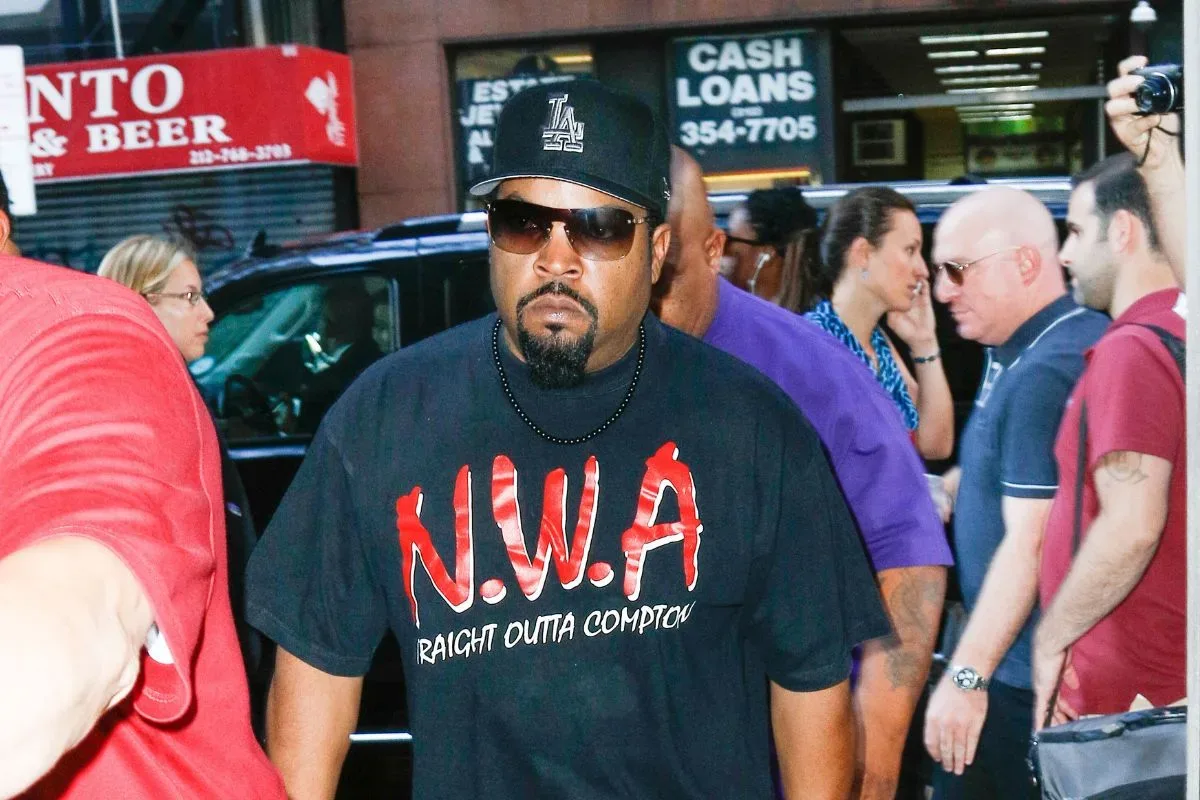
Ice Cube has returned to a long-running entertainment-industry mystery with an important qualification: he says there is no personal feud with Oprah Winfrey. Speaking alongside Mike Epps on the November 11 episode of Club Shay Shay, Cube nevertheless suggested that an improvised joke from their 2002 film All About the Benjamins may have affected whether he was included in a later Barbershop cast appearance on Winfrey’s television program.
The conversation matters less as a confirmed account of a booking decision than as a revealing look at how a single unscripted moment can live on in public memory. Cube did not claim to know that the line was the reason for his absence. He presented it as a possible explanation. That distinction is central: a theory voiced years after the fact is not confirmation of what a producer, host, or program decided at the time.
Still, the exchange brought Cube and Epps back to a familiar creative dynamic. Their screen collaborations have paired Cube’s structured filmmaking and character work with Epps’ willingness to push dialogue beyond the page. That kind of comic spontaneity can create a memorable scene—but it can also make the boundaries between a finished film, a performer’s persona, and later professional relationships feel much blurrier.
The joke Cube believes may have mattered
Cube recalled a scene in All About the Benjamins in which Epps’ character refuses to reach into a fish tank to retrieve a gun. The character explains his reluctance with a crude comparison involving Winfrey. Cube said the Oprah reference was not part of the script, placing responsibility for the line with Epps’ on-set improvisation rather than the written dialogue.
Improvisation, often shortened to “improv,” means dialogue or performance choices created outside the finalized script. It does not necessarily mean a performer is working without direction, or that a line enters the completed movie automatically. In a film production, an improvised line must still be filmed, selected in editing, and retained in the final cut. But Cube’s recollection underscores why spontaneous material can become particularly complicated: the person who conceived the joke, the people who approved its inclusion, and the public figures referenced in it may all be viewed differently by audiences.
Epps addressed Winfrey directly in the interview and said that he loves her. He also described his mother as a fan of her program. The moment was not framed as a fresh attack or a newly declared dispute. Rather, it was a retrospective acknowledgment that the joke had an edge, and that its target may not have welcomed it.
Cube’s own wording was equally notable. He plainly said he had no “beef” with Winfrey, rejecting the idea of an active feud. Yet he revisited the possibility that the line influenced who was invited when Barbershop co-stars appeared on her show. The result is a story with two separate layers: Cube’s explicit denial of personal animosity, and his continued uncertainty about a professional slight he feels may have occurred.
Why the distinction between suspicion and proof matters
It is easy for a celebrity anecdote to harden into a definitive narrative online, especially when it connects a provocative movie gag with a missing television appearance. But the information available here does not establish a causal link between the All About the Benjamins scene and Cube’s absence from the Barbershop segment.
Cube has offered a possible cause, not documentary evidence of a decision. No explanation from Winfrey or her program about that particular appearance is presented. There is also no indication that Epps’ line was discussed internally as part of the guest-selection process. That leaves the theory in the realm of interpretation.
This does not make Cube’s recollection insignificant. Entertainment careers are built through a mixture of work, relationships, publicity opportunities, and perception. When a performer feels excluded from a promotional moment connected to their own project, the experience can linger. The absence of a confirmed explanation may make it linger even longer, because there is no clear event to resolve—only a possible reason attached to a highly memorable line.
It is also worth separating a host’s public stance from a program’s booking choices. A television appearance can involve many participants and practical considerations, while an individual performer’s absence can be interpreted personally. Neither Cube’s theory nor Epps’ apology-like reassurance settles what happened. They do, however, show how those interpretations can endure across decades.
A wider history of questions about rap artists on daytime TV
Cube’s complaints about missing the Winfrey appearance did not begin with this interview. His criticism had already become public in 2006, during a period when Ludacris was also questioning how rappers were treated when appearing on the program to promote film work.
Ludacris had appeared in October 2005 with his Crash castmates. He later criticized the way that interview had been edited. Winfrey publicly rejected the accusation that she disliked rap music, citing artists she listened to while responding to broader questions about how rappers were handled on the show.
Those episodes are related by a shared cultural argument, but they should not be collapsed into one proven incident. Ludacris’ concern involved editing following a specific appearance. Cube’s concern involves not being included in a Barbershop cast appearance, with the Epps joke offered as a possible explanation. Both situations fed a larger debate about rap artists moving into Hollywood and seeking space in mainstream television promotion, but the factual circumstances described are different.
The distinction is useful because it clarifies what is actually being revisited now. Cube is not presenting new evidence that an organized policy existed, nor is he saying that he and Winfrey are in conflict. He is connecting a specific improvised joke to a professional moment that has remained unresolved for him.
Cube and Epps’ collaborative history gives the story its context
Cube’s film career had begun long before the Barbershop question. After his time with N.W.A, he moved into acting through John Singleton’s 1991 film Boyz n the Hood. His work with Epps later included Next Friday, All About the Benjamins, and Friday After Next.
That run helps explain why the new discussion feels less like a random reopening of an old controversy and more like two longtime collaborators processing part of their shared history. Their films combined written material with room for Epps’ comic instincts. Cube’s observation that the Winfrey reference was not scripted effectively identifies the tension in that arrangement: improvisation can add voice, rhythm, and surprise, but it can also introduce a joke that has consequences outside the scene.
The pair’s rapport remains a relevant part of their public work. Elsewhere in hip-hop and entertainment, longtime partnerships can remain compelling precisely because an audience knows the history behind the exchange; the enduring chemistry in the Method Man and Redman campaign is another example of how shared history can be part of the appeal. For Cube and Epps, that history includes movies that turned their contrasting styles into a recognizable pairing.
In this case, the rapport also allowed a difficult subject to be raised with the alleged author of the joke sitting beside Cube. Epps did not dispute that he made the remark. Cube did not turn the conversation into a declaration of war with Winfrey. The tone, based on the remarks described, was reflective: an old line, an old unanswered question, and an acknowledgment that words designed for a comedic scene can acquire a longer afterlife.
What comes next for the Friday collaborators
The interview arrives as Cube and Epps work toward another installment in the Friday franchise, titled Last Friday. Cube has said that the story will determine who returns, while Epps has said he has heard from people interested in joining the movie. Those comments establish that the project is moving through a story-led casting discussion, but they do not confirm a final roster or other production details.
Cube and Epps have also launched Listen and Laugh, with Dr. Dre appearing as its first guest. The podcast gives the two performers another setting for the kind of frank, history-rich conversation heard in the November 11 interview. It also creates an outlet separate from their film roles, where recollections about their work and their circles can be explored directly.
For now, the Oprah question remains just that: a question. Cube’s position is not that he has a feud with Winfrey, and the record described does not prove that Epps’ improvised All About the Benjamins line cost him an appearance. What it does show is why the subject has remained memorable. A joke that began as an unscripted bit of movie dialogue became, in Cube’s view, a possible explanation for a career moment that never made complete sense to him.