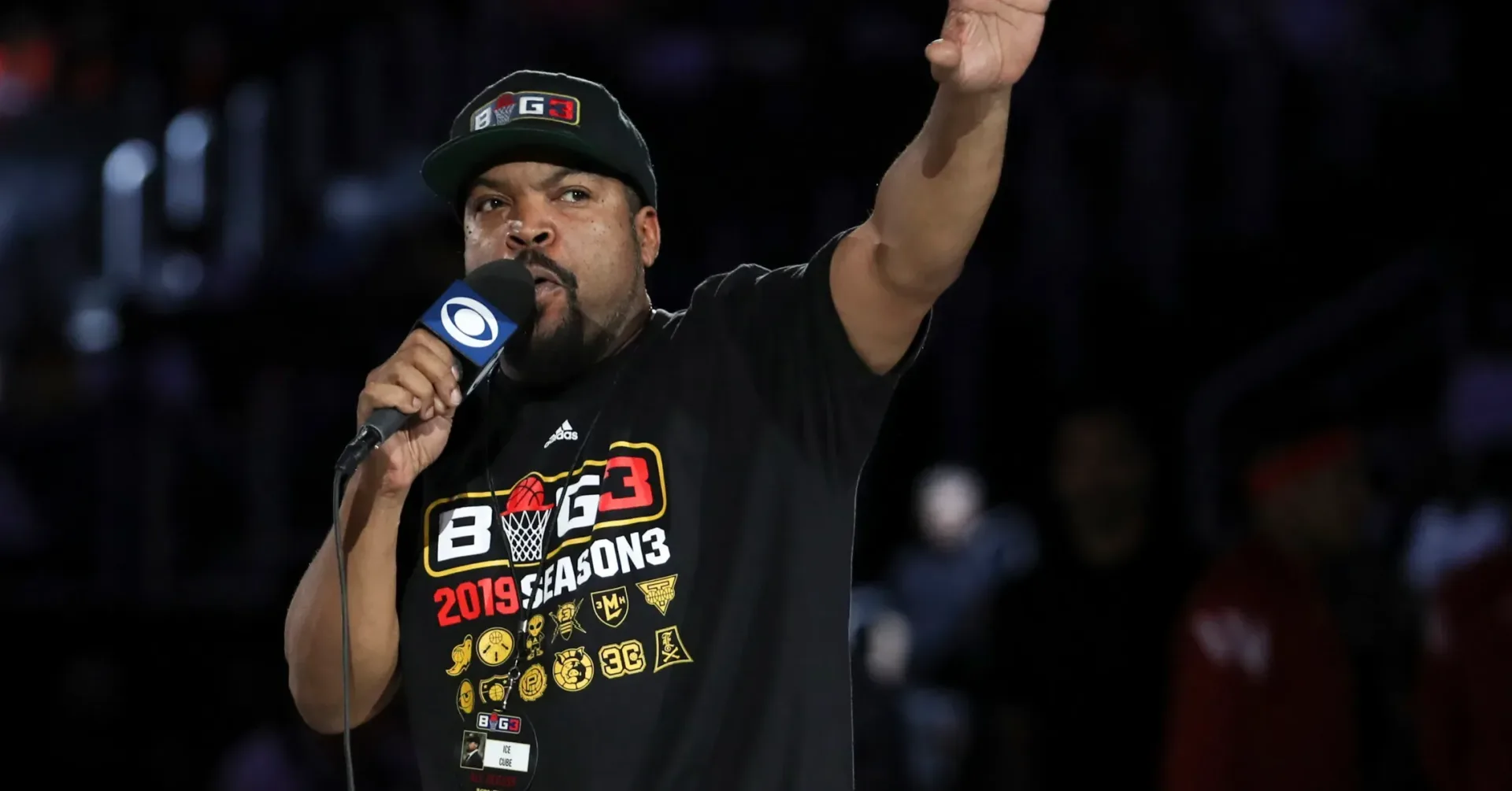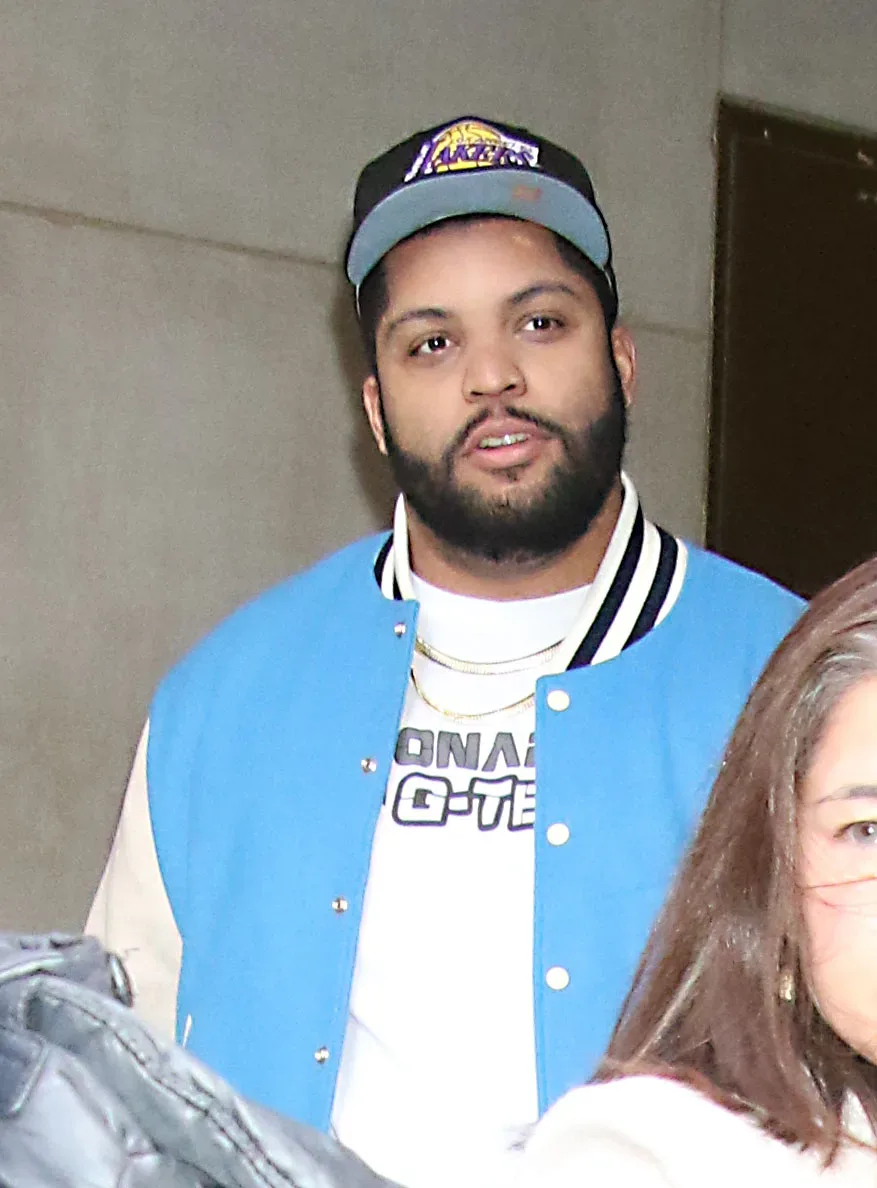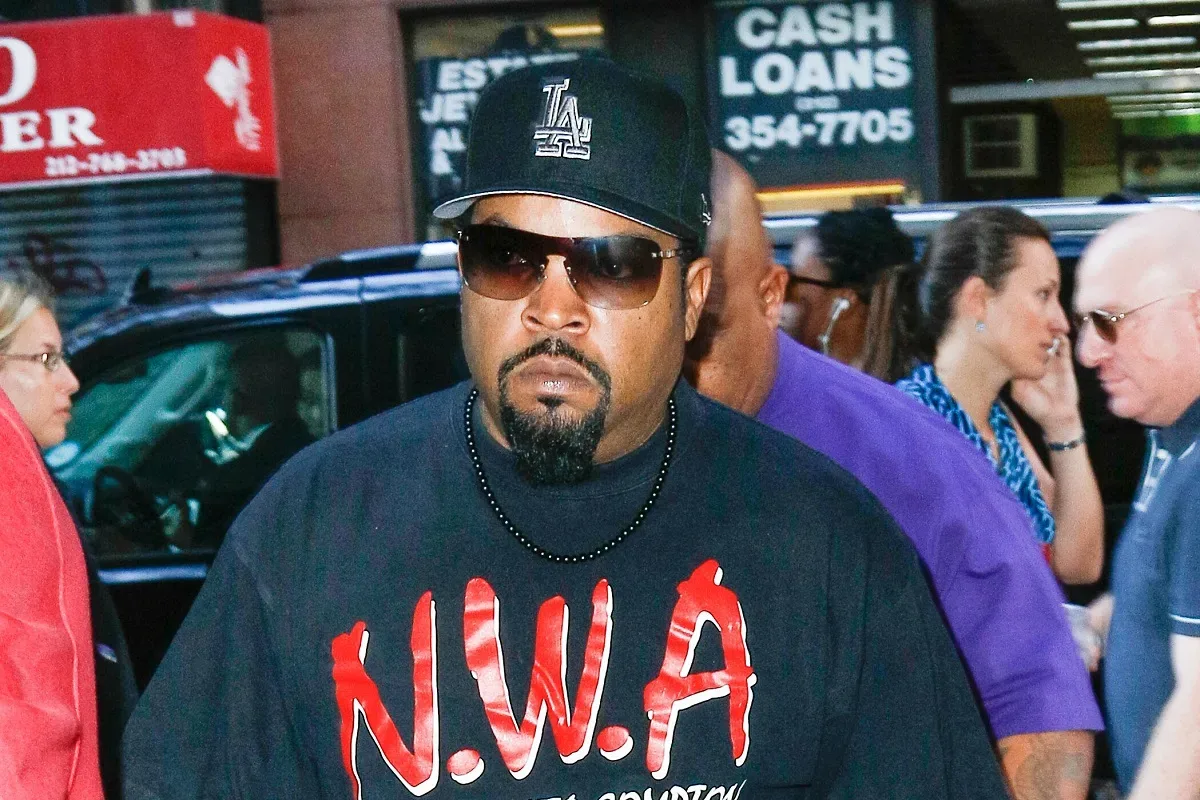
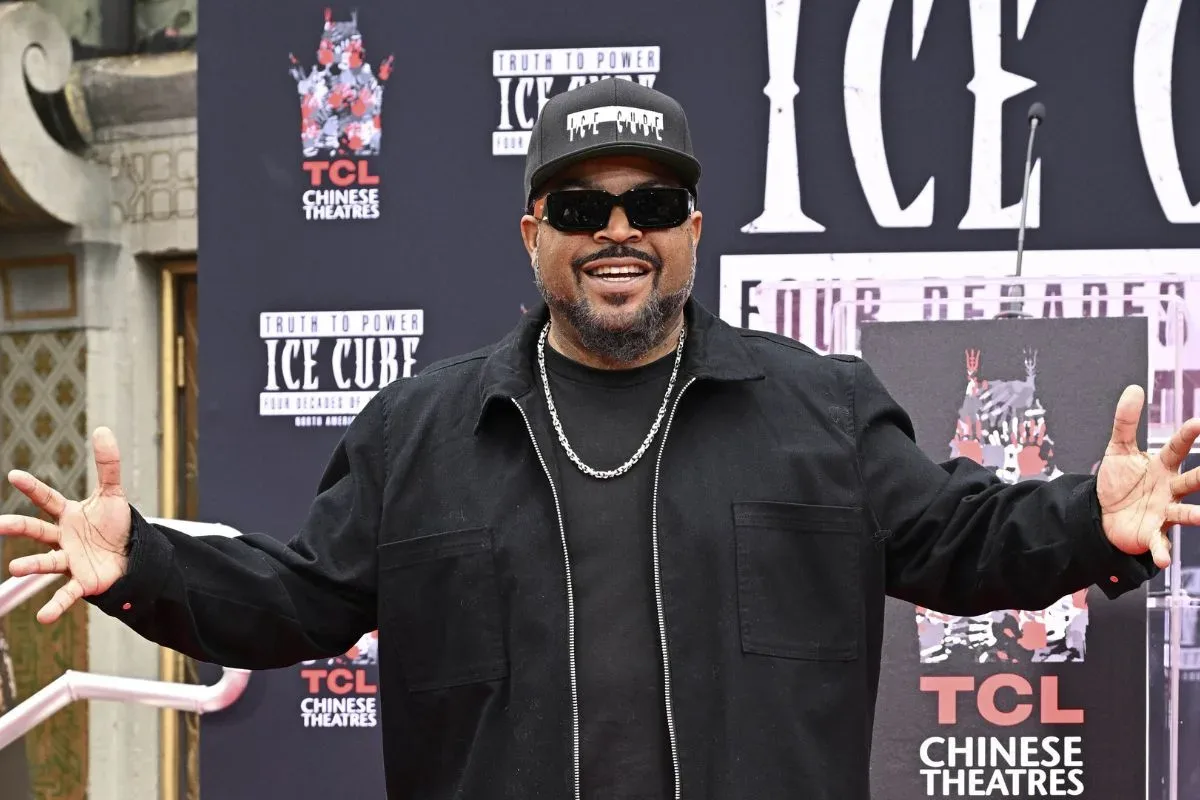
Ice Cube has set a clear creative rule for Last Friday: a recognizable face is not automatically a reason to put someone on screen. The returning writer, producer and star says the fourth Friday film will judge possible cameos and returning characters by whether they serve its plot.
That approach matters because Last Friday carries a long list of audience associations. The series began in 1995 with Cube as Craig and Chris Tucker as Smokey, under director F. Gary Gray. Mike Epps later joined the franchise as Day-Day, while John Witherspoon’s portrayal of Craig’s father became another defining part of its ensemble. But it has also been a long time since the last installment: Friday After Next arrived in 2002.
In a November 11 conversation, Cube addressed interest from people hoping to return. Epps described receiving calls from prospective participants, including somebody who had previously been an extra. Cube’s response was firm: “We can’t just be throwing people in the movie just because people want to see them.”
Nostalgia is not a plot
The distinction Cube is drawing is between a cameo and a character-driven appearance. A cameo is generally a brief role designed around recognition: the audience knows the performer or remembers the character, and that familiarity becomes part of the moment. There is nothing inherently wrong with that device. In a franchise with decades of history, it can create an immediate connection between a new chapter and what came before it.
But recognition alone cannot explain what the character wants, why they cross paths with the leads, or what changes because they are present. Cube’s stated standard is that returning faces must connect to the larger story and to one another. His shorter version of the principle was equally direct: “It just got to make sense.”
That is a particularly practical concern for a comedy built around an ensemble. Every addition needs screen time, setup and a reason to be in the scene. If a film repeatedly pauses its own momentum to introduce familiar people, the result can turn into a roll call rather than a story. Cube’s comments suggest Last Friday is trying to avoid treating its cast as a checklist of fan requests.
The stance does not reveal which legacy characters will or will not appear. It also does not rule out reunions. Instead, it establishes the condition for them: a return must arise from the screenplay rather than be attached to it afterward. For viewers, that means any eventual casting news should not be read as a promise that every well-known figure from the franchise will be part of the movie.
The franchise has changed settings before
Cube pointed to the series’ earlier change of location as an example of why not everyone can simply follow a franchise into its next chapter. When the action moved away from the original neighborhood to Rancho Cucamonga, the setting changed and brought different people into the story. The solution was not to relocate the entire original group just to preserve familiarity.
Related coverage includes Ice Cube Says ‘Last Friday’ Cameos Must Serve the Story.
That history is useful context for Last Friday. The title may signal a return to an established world, but the franchise has never been only about preserving a fixed lineup. Its later entries already showed that a new place can demand new relationships, new circumstances and new comic pressures. Cube’s current comments indicate that the fourth film is approaching legacy casting through that same lens.
In other words, the issue is not whether the audience remembers somebody. The issue is whether the world of this particular movie has room for them. It is a storytelling question before it is a fandom question.
Lawrence Lamont joins as director
The project has Lawrence Lamont attached as director. His recent feature work includes One Of Them Days, starring Keke Palmer and SZA as two friends trying to save their home after their rent money goes missing. That premise places pressure on a close central relationship while drawing comedy from a concrete, escalating problem.
Lamont also has music-video experience with Big Sean and J. Cole, and television credits that include Rap Sh!t. Those credits provide a relevant creative background for a film series rooted in neighborhood comedy and Hip-Hop culture, though they do not spell out the story or style of Last Friday.
What is known is the division of key roles: Lamont is directing, while Cube is set to star, write and produce. The arrangement leaves Cube in a central position over the script, which makes his comments about character logic more than a general preference. They describe how he says the project is being written and assembled.
There is a useful parallel in another franchise discussion: a proposed Tony Stark return for VisionQuest was reportedly limited by story and budget considerations. The specifics are different, but the underlying creative problem is familiar. A beloved character can be appealing in theory while still not being the right fit for the narrative being made.
What California tax-credit support tells us—and what it does not
Last Friday is also among New Line projects awarded California tax-credit support on October 7. The production is returning to Southern California and is expected to employ more than 180 local cast and crew members.
A tax credit is a production incentive offered by a government to encourage eligible film and television work in a particular location. In this case, the support signals a planned Southern California production footprint and local employment. It should not be mistaken for a cast announcement, a release-date confirmation, or a description of the finished movie. It is evidence of production planning, not evidence that filming has been completed or that every role has been publicly disclosed.
The planned local hiring is nevertheless meaningful for a series whose identity is closely tied to Southern California. A production returning there can draw on area crews and places connected to the franchise’s broader sense of place, without requiring that the new story duplicate the exact character mix or setting of earlier entries.
What remains unconfirmed
Cube’s remarks answer one creative question while leaving several others open. No full cast has been detailed here. There is no established rundown of which past characters will return, how large their roles might be, or whether viewers should expect a particular reunion. The comments also do not provide a release date or plot synopsis.
That uncertainty is important because legacy sequels are often discussed through wish lists. Viewers may have favorite pairings, running jokes or characters they would like to see again. Cube is effectively cautioning against assuming that popular demand will dictate the screenplay. His stated priority is the story’s internal logic.
For Last Friday, that could mean a returning character has a substantial purpose, a brief but motivated appearance, or no appearance at all. Until more official details emerge, the most concrete takeaway is not a particular cameo prediction. It is the creative filter behind the decisions: the fourth film is intended to build its cast around the needs of its plot rather than nostalgia alone.