For a shared superhero universe, a corporate merger is the sort of off-screen crossover that can make even the most seasoned continuity tracker reach for a corkboard. The immediate outlook for DC Studios, however, appears more stable than months of speculation suggested. James Gunn and Peter Safran are expected to be invited to remain at the studio initially as Paramount and Warner Bros. complete their transition under the Skydance banner.
That wording matters. “Initially” is not the same as a permanent extension, a fresh mandate or an immovable promise about every project currently associated with DC. It does mean that the leadership team behind the present DCU plan does not appear to be facing an instant exit as the corporate structure changes. For a franchise built around connected films and television, continuity behind the camera can be nearly as consequential as continuity between the characters on screen.
Gunn and Safran took over DC’s entertainment operation in 2022. Their existing contracts run through 2027, leaving a defined period in which the current team can keep guiding the universe, while any decision beyond that point remains open. The central takeaway is cautious rather than triumphant: the plan looks alive, but the merger has not eliminated all long-range questions.
Why the “initially” qualifier is the entire Bat-Signal
In this context, an initial transition means the new ownership structure would retain the people already responsible for DC Studios while the broader organization settles into place. It does not establish what happens when Gunn and Safran’s contracts expire in 2027, whether they will seek renewals, or what terms a new leadership structure might offer.
That distinction is particularly useful for avoiding two opposite overreactions. One would be to treat the news as proof that nothing can change. The other would be to assume that an ownership transition automatically wipes out every existing creative plan. Neither conclusion follows from the available information.
The more reasonable reading is that DC’s current slate has a measure of near-term protection. Movies and series already moving through development benefit when the executives charged with maintaining their larger direction remain involved. That does not turn every rumored project into a certainty, and it does not mean every creative choice is beyond revision. It simply reduces the chance of an immediate leadership reset interrupting the DCU at the moment it is establishing itself.
A DCU still getting its bearings
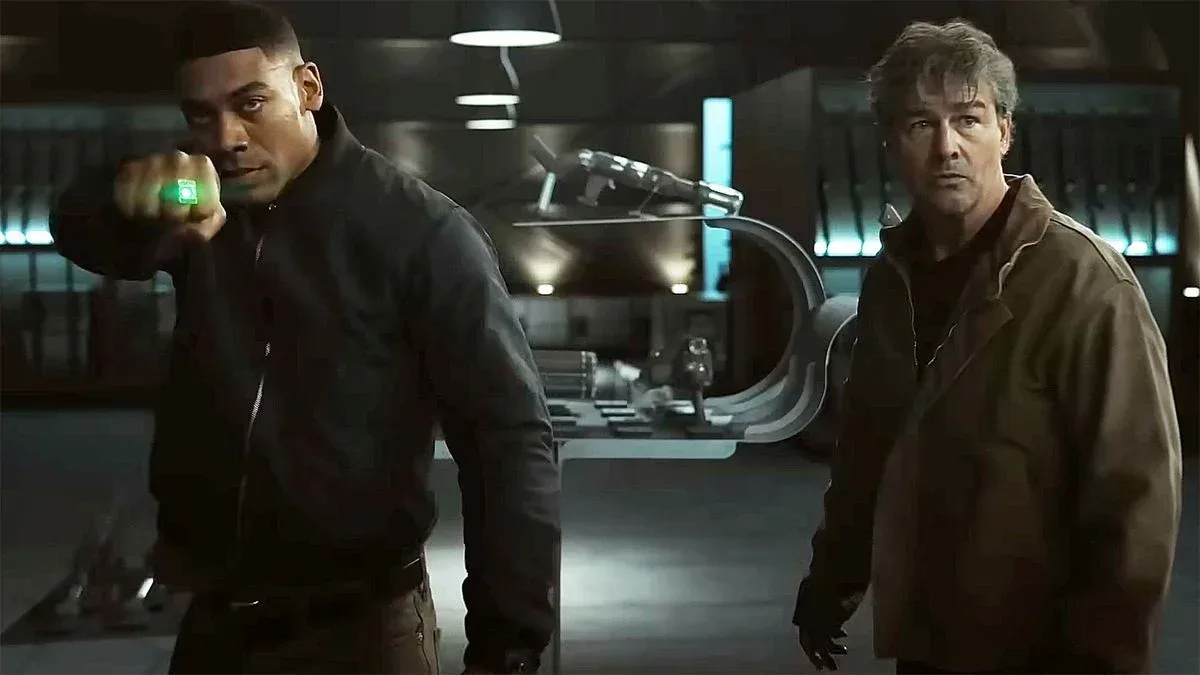
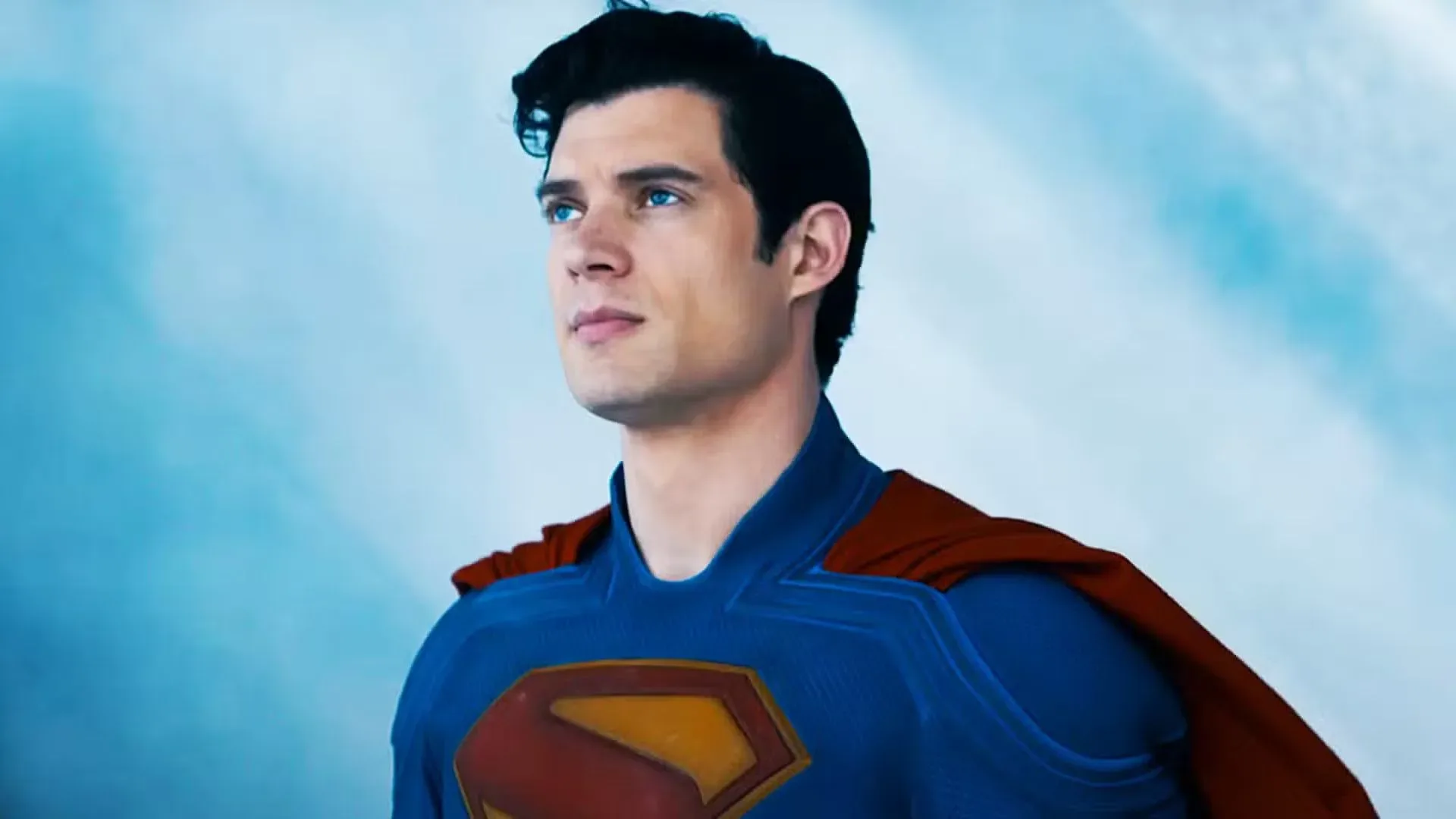
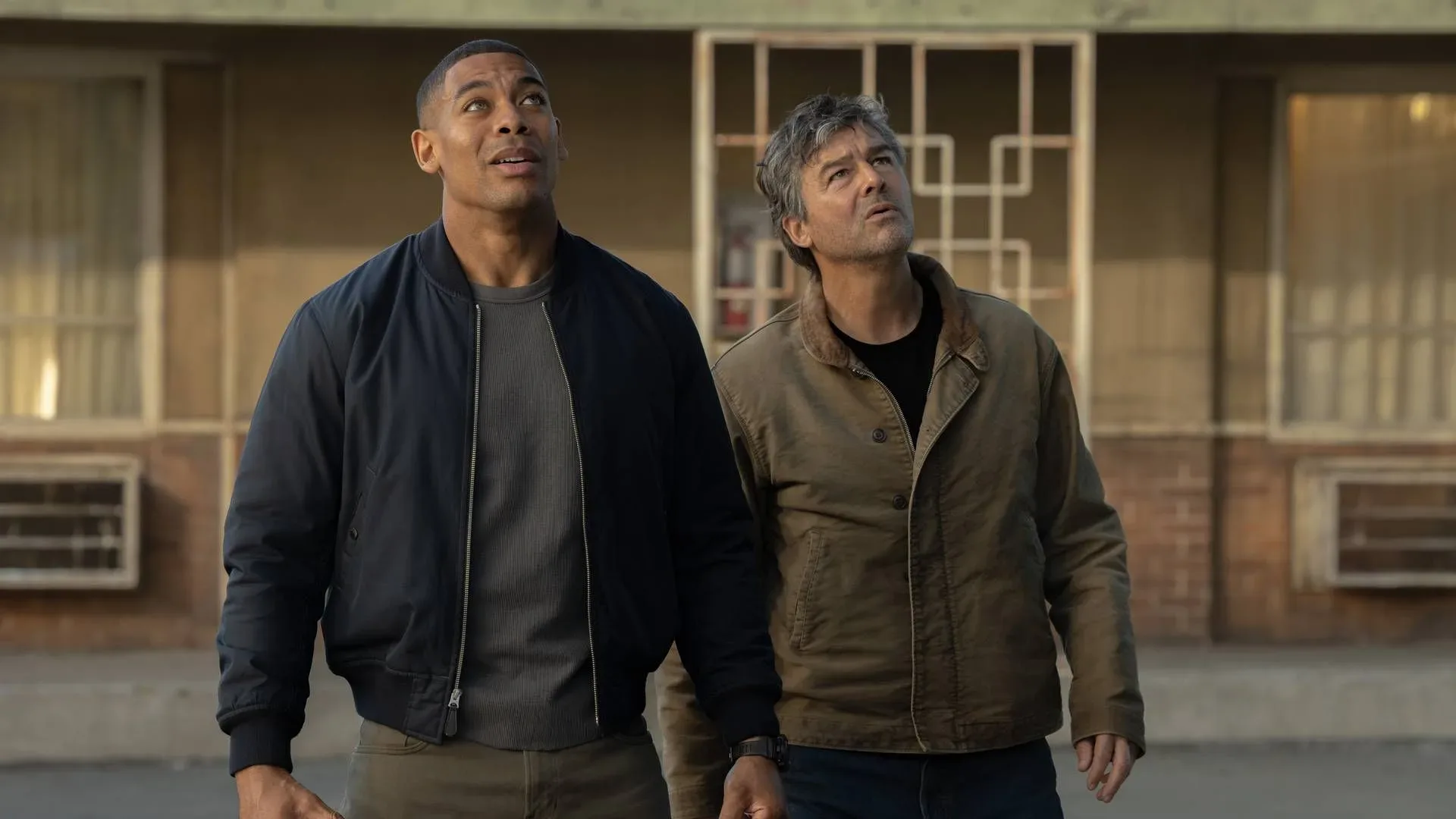
The current DCU is early enough in its run that leadership continuity has extra weight. Superman launched the new era in 2025, while Lanterns has brought Hal Jordan and John Stewart into the television side of the universe. Kyle Chandler plays Hal Jordan and Aaron Pierre plays John Stewart, with the series nearing its first-season finale. Its reception has highlighted the value of its central casting, giving the franchise another active pillar beyond the big-screen Kryptonian corner.
That television momentum is worth separating from the broader merger story. A corporate transaction does not itself guarantee a series’ creative quality or the audience response to future episodes. But keeping DC Studios’ current leaders in place gives the people shaping the larger framework a chance to carry ongoing work across the transition rather than handing it to a new team halfway through the process.
Readers looking for where the show leaves its ongoing story can find more on the biggest questions left open by the Lanterns Season 1 ending. Those questions are creative ones; the merger adds the separate business question of who will be stewarding the universe around them. For now, the answer appears to be Gunn and Safran.
The upcoming slate also offers reasons the studio would value a steady hand. Clayface, a Batman-connected body-horror spinoff, is due for a theatrical release this month. Next July brings Man of Tomorrow, the next Superman film. Those projects point to a DC strategy that is not restricted to a single format or tone: a flagship Superman continuation can sit alongside a darker genre-specific Batman-adjacent film.
That range can be an advantage, but it requires clarity about what belongs where. A cinematic universe is a set of stories designed to share some degree of setting, character continuity, or narrative consequence. It does not require every DC adaptation to be the same style, and it does not necessarily require every DC character project to occupy one uninterrupted timeline. The value of studio leadership is in deciding how those lanes relate, where audiences should expect connections, and where a separate approach is the point.
Gunn’s post is encouraging, not a contract announcement
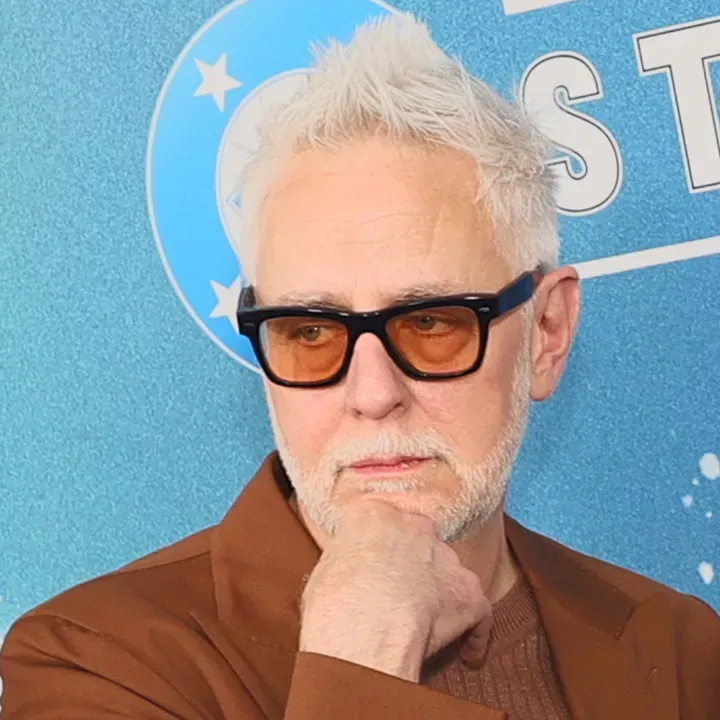
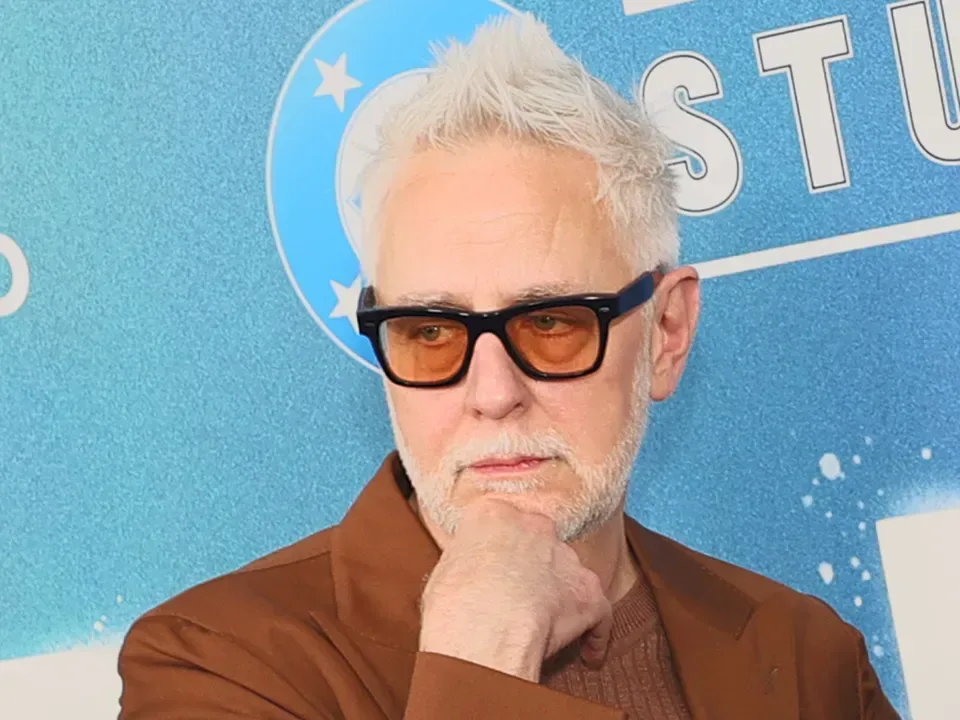
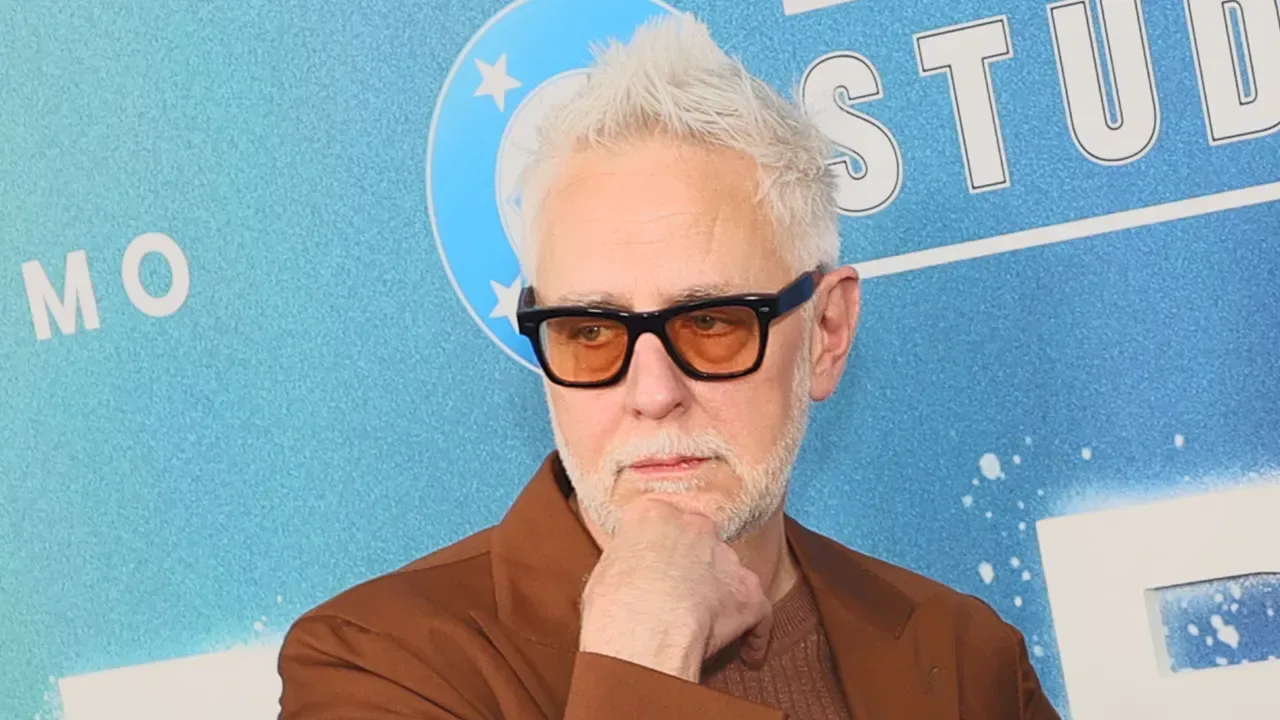
Gunn offered a public sign of optimism after the Skydance branding was unveiled, posting its trailer on Instagram. The footage included imagery associated with Superman, Robert Pattinson’s The Batman, and DC branding. His caption repeated the trailer’s line: “What once was the peak, is now just the beginning.”
“What once was the peak, is now just the beginning.”
It is understandable that audiences would read that as a show of confidence in DC’s place within the newly configured company. It is also important not to inflate a celebratory social post into a detailed operational roadmap. The stronger evidence on the immediate question is the indication that Gunn and Safran will be asked to stay at DC at first; the post reinforces the impression that Gunn is publicly embracing the new chapter.
There is an added layer of fan interest in the presence of Pattinson’s Batman imagery. Questions about whether his Batman might cross over with David Corenswet’s Superman have persisted, but branding imagery in a corporate trailer is not confirmation of a crossover. It signals the commercial importance of DC’s broader character portfolio, not a newly announced story decision. The distinction may sound painfully unglamorous, but it prevents a logo montage from doing unauthorized screenwriting.
What this means for the projects people are watching
The clearest practical implication is that the existing DCU direction can continue while the merger’s moving parts are sorted out. That matters to projects explicitly tied to the current universe and to the people working to establish its identity across film and television.
- Lanterns: The Green Lantern-focused series has already introduced its principal heroes through Chandler’s Hal Jordan and Pierre’s John Stewart. Stable studio leadership can help keep its place in the wider DC picture coherent after the season finale.
- Clayface: Its status as a Batman body-horror spinoff demonstrates the breadth of material moving forward. Its theatrical release remains the next DC-related movie event this month.
- Man of Tomorrow: The Superman sequel is scheduled for July next year, making it one of the major near-term tests of whether the film side can build from Superman’s launch.
- Future character expansion: Xolo Maridueña is set to return as Blue Beetle. A new Wonder Woman remains a subject of audience anticipation, including interest in Adria Arjona, but no casting outcome should be treated as settled from that interest alone.
Not everything has landed equally. While Superman began the new era strongly, Supergirl did not meet expectations. That unevenness is not unusual for an expanding franchise, but it does make a consistent creative office more valuable. A studio needs room to learn from a project’s response without treating every disappointing result as proof that its entire plan should be discarded.
In other words, retaining Gunn and Safran in the short term should be seen as an opportunity for adjustment rather than a declaration that the DCU has solved every problem. The studio still has to deliver on each movie and series individually. Strong casting does not write a finale; a logo does not establish a crossover; and an executive contract through 2027 does not answer what comes after 2027.
The questions that remain genuinely open
The eventual future of Gunn and Safran at DC is the biggest unresolved piece. Their current contracts establish a known endpoint, but there is no confirmed answer yet on whether either will extend their tenure under the post-merger structure. There is also no verified indication that all developing DC ideas will proceed unchanged.
That leaves viewers with a fairly straightforward way to interpret the moment. Watch for formal project updates, release plans, completed casting announcements and the creative results of the shows and films already on the calendar. Treat broad corporate branding, fan hopes and ongoing speculation as context, not confirmation.
For now, the DCU appears to have avoided the abrupt behind-the-scenes break that merger rumors had put on the table. Gunn and Safran look positioned to keep steering the universe at least in the immediate period, with their current agreements lasting through 2027. In superhero terms, it is less a definitive “everything is saved forever” ending than the useful kind of cliffhanger: the leads are still on the bridge, the next missions are scheduled, and the longer season arc has yet to reveal itself.