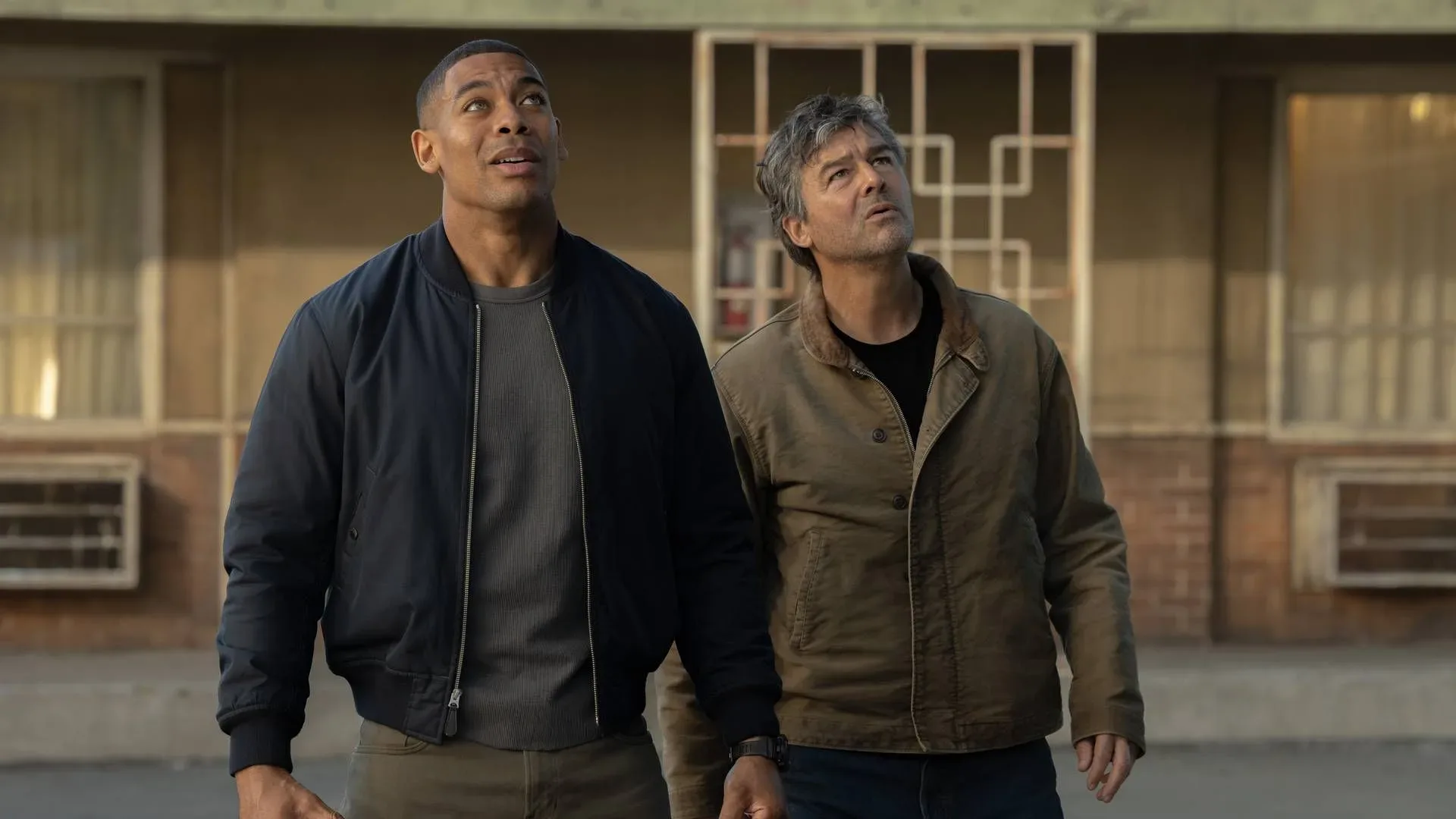
Lanterns is heading into a season finale, not a series finale. That distinction came directly from DC Studios co-CEO James Gunn after a social-media post about the approaching end of the show’s current run prompted a fan to ask whether the finale would close the series altogether. Gunn’s answer was brief and clear: it is the season finale.
That is not the same thing as an official renewal. No second season has been formally announced. It does, however, establish an important point for viewers approaching the finale: the series is being framed as a continuing story rather than a one-and-done event. The wording also aligns with comments from co-creator and showrunner Chris Mundy, who has said that preliminary work on a potential follow-up is already in progress.
For a series built around a mystery with cosmic stakes, the difference matters. A series finale conventionally promises finality: major questions should be answered, the central conflict resolved, and the characters given a definitive stopping point. A season finale can certainly resolve a case or deliver a major payoff, but it also has room to leave consequences, character arcs, and larger threats in motion.
What Gunn actually confirmed — and what remains unconfirmed
Gunn had said he was excited for the upcoming finale even after seeing Lanterns many times. When asked to clarify whether he meant the end of the series or merely the end of its first season, he specified the latter.
That confirmation should be read narrowly. It tells audiences how the episode is being positioned. It does not confirm a Season 2 order, a production timetable, a returning cast list, an episode count, or a release window. Those are all separate decisions that have not been announced in the information available.
Still, the language is encouraging for anyone invested in the show’s longer-term prospects. Calling an episode a season finale signals that the current installment is one chapter in a potentially larger plan. It is a small but meaningful correction to the natural anxiety that arrives whenever a high-profile series reaches its final episode of the year.
Season 2 has story work underway, but it is not greenlit
Mundy has provided the more practical update on where a second season stands. He said the creative team is already laying out another season and had been doing so for roughly six weeks at the time of his remarks. In television development, “laying out” generally refers to early story construction: identifying the broad shape of a season, working through major plot turns, and considering how the characters would change across a new set of episodes.
That is significant preparation, but it is not equivalent to a green light. A formal green light is the commitment that allows a project to proceed as an approved production. Before that happens, early planning can help a team demonstrate that it has a viable next chapter ready to discuss. Mundy has been candid about the dependency at the center of that process: whether viewers are interested in the story continuing.
“The question is whether [season two] is a story people are interested in,” Mundy said. “If that's the case, then we'll get to do another one. We'll tell it in a slightly different way, so that it feels fresh, with characters you know and care about.”
His comments offer two useful takeaways. First, the creative team is not treating a possible second season as an abstract wish. It has begun considering the story. Second, Mundy’s reference to telling it “in a slightly different way” suggests an intention to avoid simply repeating the first season’s exact formula. No details have been provided about what that change would look like, so it would be premature to turn that idea into predictions about settings, formats, or new leads. But the stated goal is continuity without staleness: familiar characters, paired with a fresh approach.
The first season’s mystery leaves plenty of room to continue
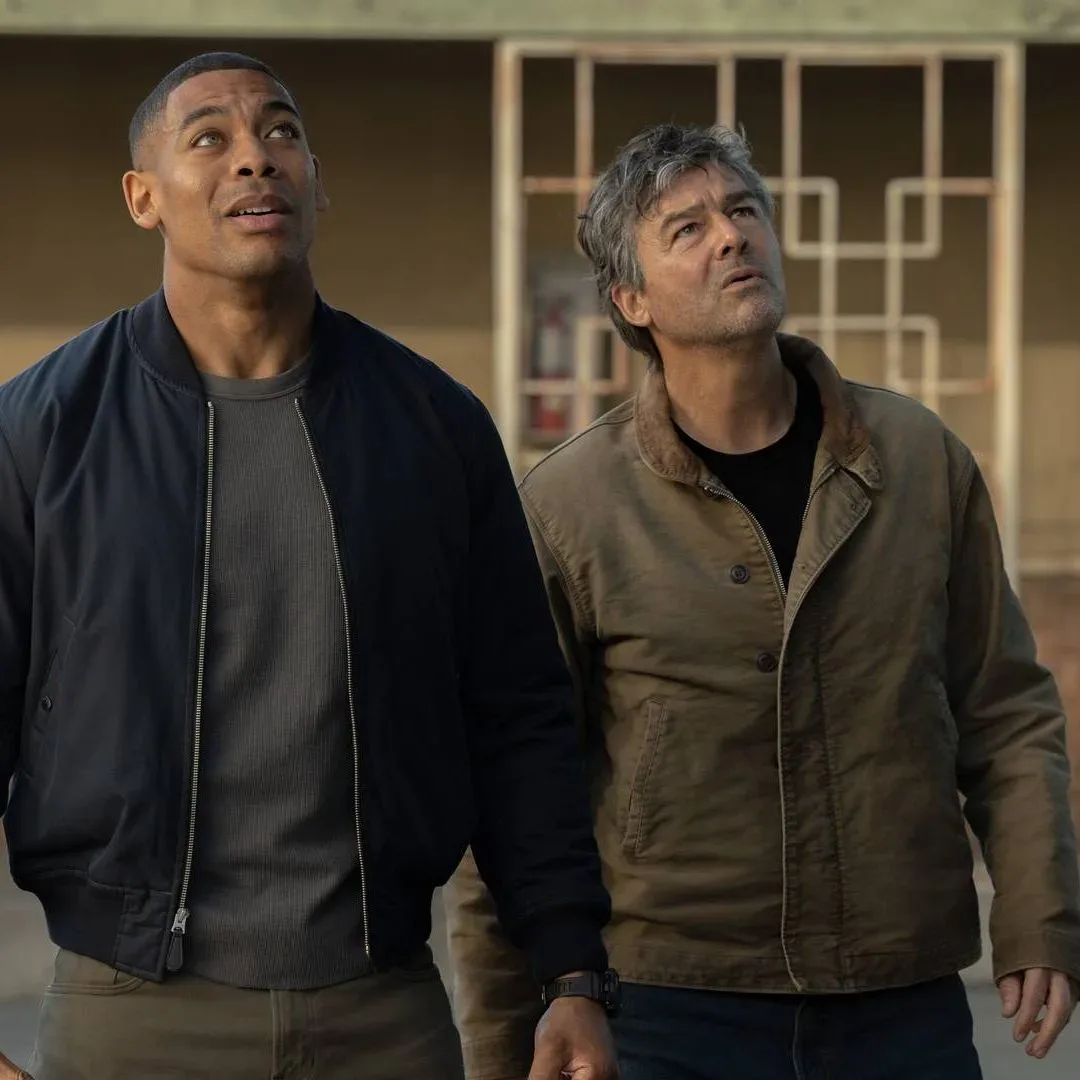
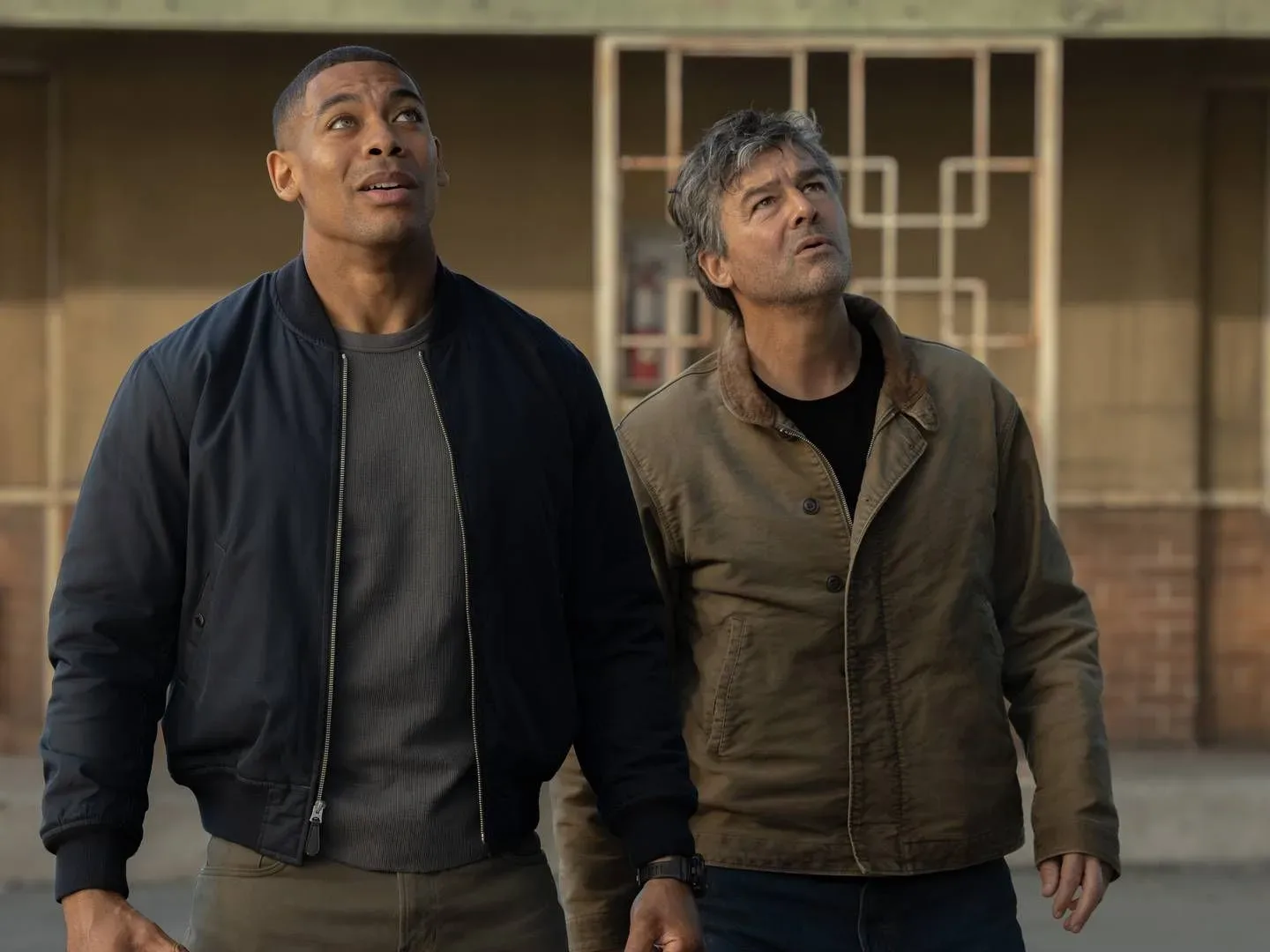
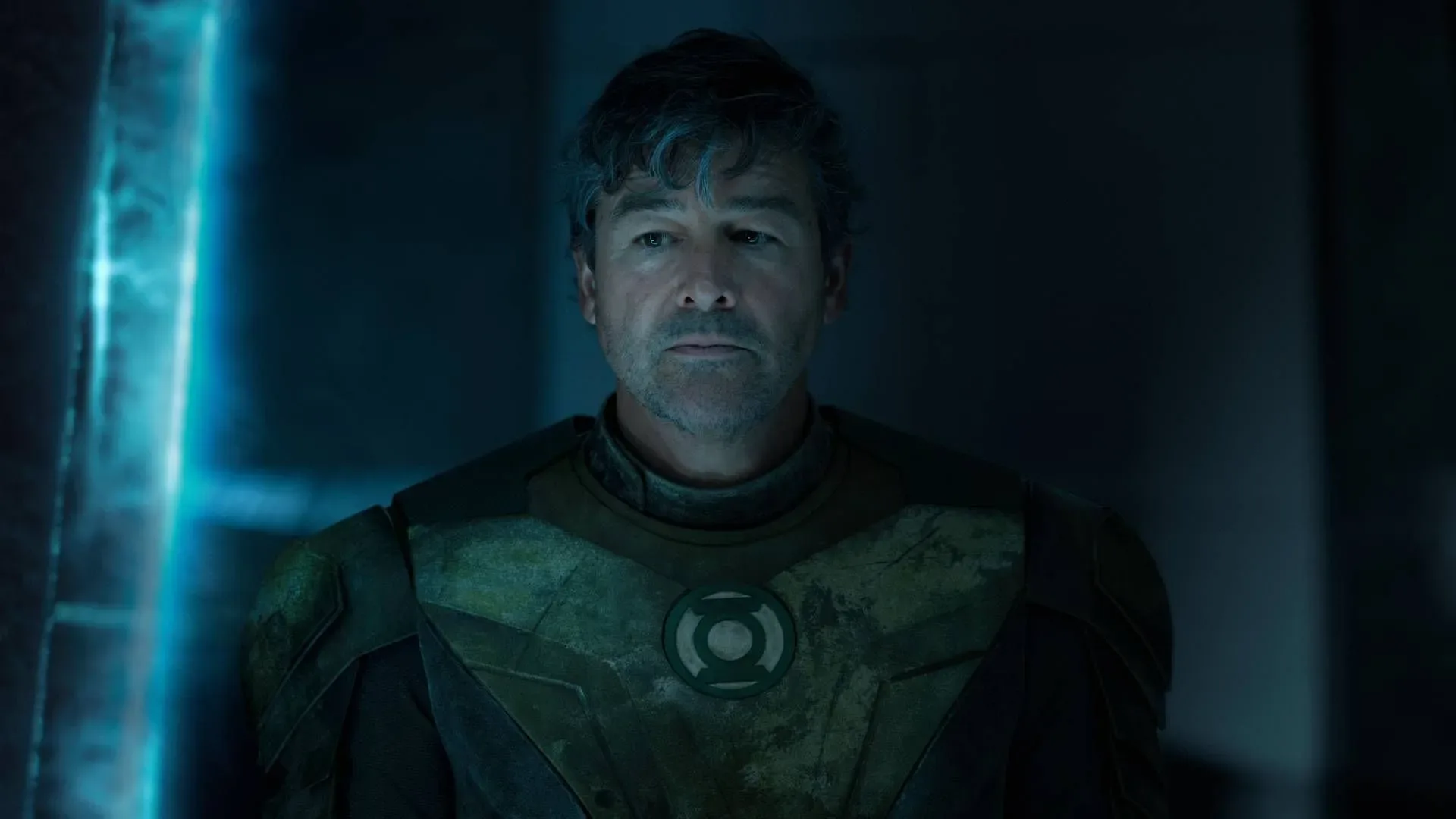
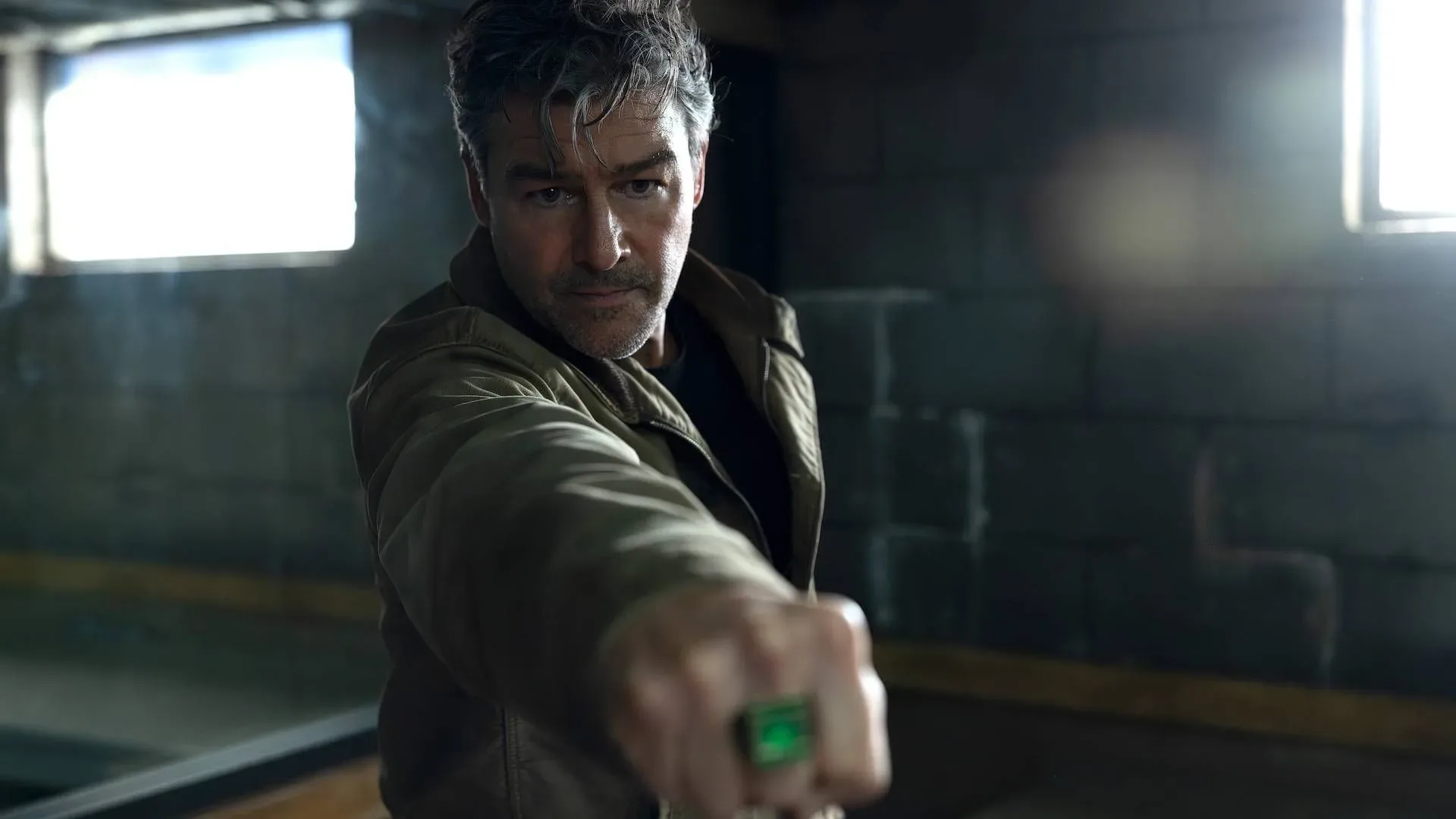
The current season follows Hal Jordan, played by Kyle Chandler, and John Stewart, played by Aaron Pierre. Their investigation begins in Rushville, Nebraska, a small-town setting that stands in pointed contrast to the scale of the mystery they are confronting. The story is described as cosmic in scope, yet it is rooted in a specific place and in the partnership between its two Lanterns.
By Episode 7, the show has also put a particularly sharp question at its center: who killed Hal Jordan? The premise is unusual enough to make the finale’s status feel especially important. A death involving one half of the lead duo could be an endpoint, a pivot, a mystery-box answer, or the launch point for a different arrangement going forward. The available information does not reveal which of those paths the finale takes.
That uncertainty is precisely why Gunn’s clarification carries weight. If the story still has major questions around Hal, then a season-finale designation makes it easier to imagine answers that generate new complications rather than close every door. That is analysis, not a spoiler or a promise about the ending: audiences should not assume the finale will withhold a resolution simply because the show might continue. A season can solve its headline mystery and still create meaningful reasons for another season.
The series also has another established figure waiting beyond the immediate duo. Guy Gardner, played by Nathan Fillion, remains part of the wider picture. His presence gives the show an additional character avenue should it return, though there has been no confirmation of how large a role he might have in any future season.
Why the wording around a finale changes expectations
“Season finale” and “series finale” can sound like a minor semantic difference, particularly when a show has not yet been renewed. In practice, each phrase asks the audience to expect something different.
- A season finale usually concludes the current run while preserving options for continuation. It may answer urgent questions, change relationships, or present a new problem.
- A series finale ordinarily functions as the final chapter. It is expected to provide a greater degree of closure because there may be no later season to revisit unresolved material.
- A renewal is the business decision that officially authorizes the next season. Gunn’s wording does not substitute for that announcement.
- Early development is creative preparation before the formal approval stage. Mundy’s comments place a potential second season here.
For viewers, the practical implication is simple: it is reasonable to watch the finale as a major payoff for Season 1 without treating it as the last possible Lanterns episode. It is not reasonable, at least yet, to regard a second season as guaranteed.
A second season would need to balance familiarity with change
Mundy’s statement about a different approach is perhaps the most revealing part of the discussion, even though it remains broad. A continuing mystery drama faces a common challenge: the elements that made the first season appealing can become limiting if they are copied too closely. The answer is not necessarily to abandon the core premise. It can mean changing the nature of the case, the pressure on the main characters, or the perspective through which the story is told.
In Lanterns, the fixed points currently known are Hal Jordan, John Stewart, Rushville’s connection to an enormous mystery, and the looming question around Hal’s death. The showrunner’s emphasis on characters audiences know and care about suggests that character continuity would be central to any next chapter. At the same time, “fresh” does not inherently mean an entirely new cast, a new location, or a new genre. Those are possible storytelling tools in the abstract, but none has been confirmed here.
The strongest reading is therefore a cautious one: the team appears to be developing a way to extend the show’s world without simply rerunning Season 1’s narrative machinery. Whether that plan proceeds will depend on the eventual decision to order more episodes.
What to watch for in the Season 1 closer
With no official Season 2 announcement, the finale itself will be the immediate focus. The unanswered question surrounding Hal is naturally the largest thread for viewers to track, but it will also be worth observing how the episode positions John Stewart and the broader Lantern corner of the story.
A finale can communicate confidence in a future even without a post-credit-style declaration or an explicit cliffhanger. It can do so by resolving one layer of a mystery while exposing another, by reshaping a central relationship, or by showing that the cost of the first season’s events cannot be left behind. Conversely, it can offer an emotionally satisfying conclusion that still leaves space for later stories. Either shape would fit the label Gunn used.
Fans should also separate what is on screen from the status of a renewal. An open-ended moment can invite more episodes, but it is not proof that they have been ordered. A relatively complete ending would not necessarily rule them out either, especially given that Mundy has said the team is already discussing a different-feeling follow-up.
The broader entertainment landscape is full of speculation whenever an ambitious franchise story reaches a turning point. Recent debate around franchise casting and legacy names shows how quickly a small clue can become a much larger theory; see the discussion around why the evidence behind one familiar-name theory remains thin. With Lanterns, the verified facts are more grounded: the first season is ending, Gunn calls that episode a season finale, and the showrunner says potential Season 2 story work has begun without a formal order.
Where Lanterns stands now
Lanterns is currently airing weekly on HBO and HBO Max, with its first-season finale next. The series has not been officially renewed. Yet Gunn’s clarification and Mundy’s development update give viewers a concrete reason to see the finale as something other than a farewell.
For now, that is the appropriate middle ground between optimism and certainty. The door is open; the next step has not been announced. Season 1 still has its most important episode ahead, and the answer to its central mystery may determine just how compelling the case for returning to this corner of the DC universe becomes.