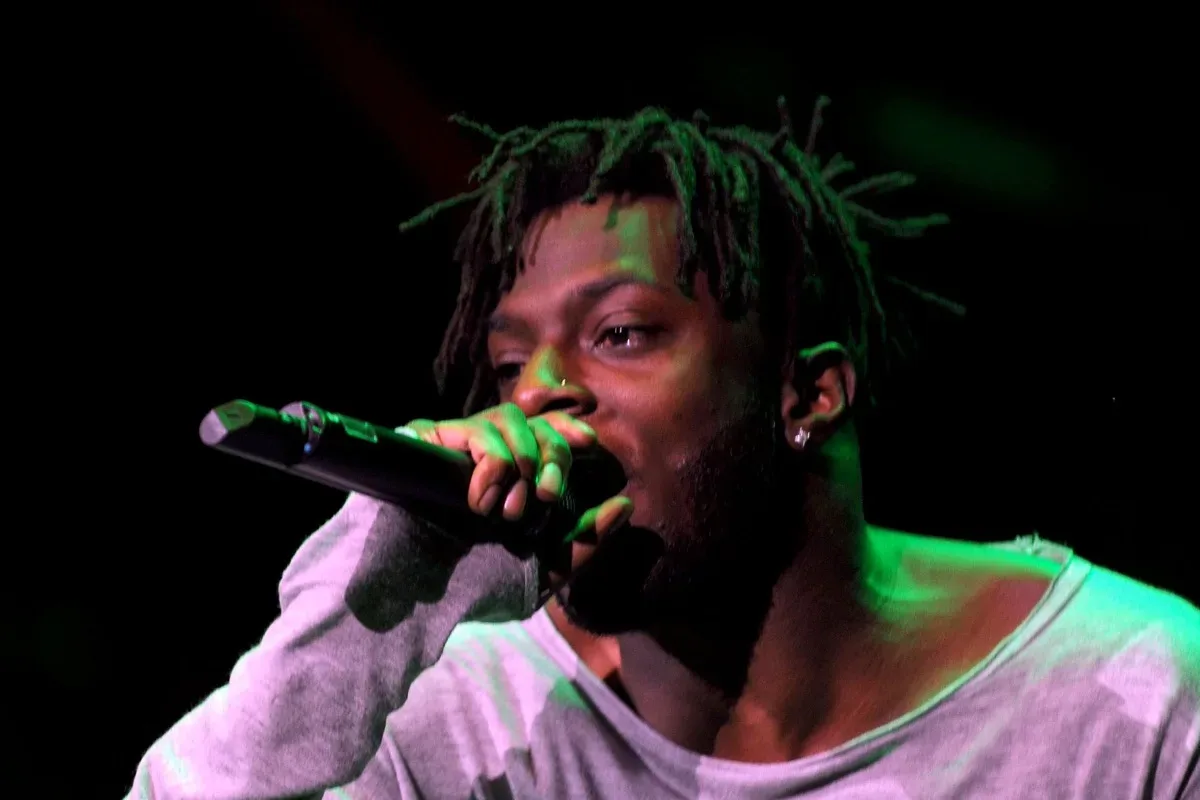
Isaiah Rashad has put a plainly human name to one of touring’s less glamorous transitions: the sudden quiet that arrives after a life built around crowds, crew members, travel and nightly performance. In a recent conversation, the Chattanooga rapper said returning home after a tour left him feeling depressed within days. What initially seemed like welcome time alone became an uncomfortable realization that he missed simply being around other people.
“I go from interacting with people every day to just not,” Rashad said, describing the contrast between the social density of the road and the relative stillness of home.
It is an important distinction. Rashad was not presenting the experience as a complaint about touring or as a simple hunger for applause. Instead, he identified an adjustment problem: a routine filled with continual interaction ended abruptly, and his own reaction surprised him. He later said he was more struck by “the drop off” than anything else.
The difference between attention and connection
Touring is often imagined through a narrow highlight reel: performances, packed rooms, travel and celebration. Rashad’s comments point to the infrastructure around those moments. An artist on the road can move through a day full of soundchecks, transit, backstage conversations, staff coordination, meet-and-greets and audience contact. Even when that schedule is tiring, it supplies repeated points of contact.
At home, that framework can disappear all at once. Rashad said he spent three days at home before recognizing that he needed to get out and speak with somebody. He recalled going to a Jay-Z event largely because he wanted human contact. The detail makes the issue more specific than celebrity access: the event mattered because it put him among people after several days alone.
That is also why it is worth resisting a reductive reading of the story. When the interviewer suggested Rashad might be chasing the feeling that surrounds performing, he pushed back. His account was about learning what the contrast did to him, not declaring that he needed to reproduce a stage high in everyday life.
Analysis: The gap Rashad describes can be understood as a change in social rhythm. A social rhythm is the recurring pattern of contact, activity and routine that structures daily life. Touring creates an unusually intense one. Its end can leave an artist with less external structure, fewer spontaneous conversations and more unoccupied time than they had only days earlier. Rashad’s account does not establish a universal experience for all performers, but it does make clear why “going home” is not always synonymous with instantly settling back in.
Meet-and-greets put the contrast in focus
Rashad’s discussion also touched on meet-and-greets during the first leg of a tour. These events are often treated as a promotional add-on, but in the context of his comments they also illustrate how much direct interaction can be folded into a touring day. Meeting listeners in person is a distinct kind of contact from performing to a crowd, yet both contribute to an environment in which an artist is continually surrounded by people.
The significance is not that meet-and-greets solve isolation or that fans are responsible for an artist’s emotional well-being. Rather, they show the scale of the transition Rashad is describing. On tour, personal exchanges can occur as part of the job. Afterward, ordinary social connection has to be sought out deliberately.
That distinction has practical implications beyond music. For performers, touring teams and the people close to them, the end of a run may be more than a logistical endpoint. It can be a moment when routines change sharply. Rashad’s experience suggests that recognizing the transition itself matters: regular contact, family time, conversations with friends and a plan for the first days back may carry more value than treating post-tour downtime as an automatic reset.
None of that should be mistaken for medical guidance or a diagnosis of Rashad’s feelings. He is describing his own response to a specific change in circumstances. But the honesty is useful because it avoids two common myths at once: that constant public attention cancels out loneliness, and that solitude always feels restorative simply because someone has been busy.
A career shaped by long gaps and high expectations
Rashad’s comments arrive alongside a period in which his music and public role have carried layered expectations. He has also spoken about the pressure of being viewed as a representative figure for recovery and queer communities. That pressure is separate from the post-tour isolation he described, but the two subjects sit near one another in a meaningful way. Both concern the distance between the public meaning assigned to an artist and the private work of continuing to live a life offstage.
Being treated as an example by listeners can be affirming, but it can also create weight. Rashad has framed that expectation as something he has had to manage. His recent reflections do not offer a grand resolution to that burden. They instead reveal a person paying attention to his own needs and reactions while navigating an audience’s investment in his story.
His album It’s Been Awful arrived five years after The House Is Burning, released in 2021. The newer record explored childhood and family experiences, and Rashad’s brother, Keem the Cipher, served as a lead producer. That family connection was not confined to the studio: Rashad has said Keem lived and traveled with him, while his mother was present for important tour moments.
Those details complicate any idea of touring as a totally detached or anonymous lifestyle. For Rashad, family has been part of the work itself. Yet having familiar people near on the road does not erase the adjustment of returning to a different daily environment. The same closeness can underline how much a tour’s shared routines become part of a person’s normal life while it is underway.
Chattanooga, Los Angeles and the meaning of home
Rashad has also discussed making a life in Los Angeles while staying connected to Chattanooga. He called Los Angeles his second home and said he had spent much of the previous decade there. The language of a “second home” fits the larger picture: home is not necessarily a single, fixed emotional setting, particularly for an artist whose career, family ties and travel all pull in different directions.
In this context, coming off tour is not just a matter of returning to one address. It is a shift out of an intense temporary community and into the quieter realities of an established life. Rashad’s description is compelling because he does not flatten that shift into a victory or failure. At first he appreciated the time by himself. Then, after a few days, he realized he needed conversation and company. Both responses can be true.
For listeners, the takeaway need not be voyeuristic. Rashad’s remarks are most valuable as a clear articulation of a transition that can otherwise remain invisible behind tour photos and anniversary events. The public sees the crowd; the artist later encounters its absence.
Anniversary milestones and what comes next
Rashad’s September 29 Anniversary Show at YouTube Theater marked several major points in his catalog: 10 years of The Sun’s Tirade, 12 years of Cilvia Demo and five years of The House Is Burning. The occasion placed work from different phases of his career in one setting, recognizing a body of music that listeners have continued to revisit across more than a decade.
He has also said that he is working on a deluxe edition of It’s Been Awful. No further details on its content, timing or release plans were provided in the discussion at hand, so it is best understood as work in progress rather than a confirmed rollout.
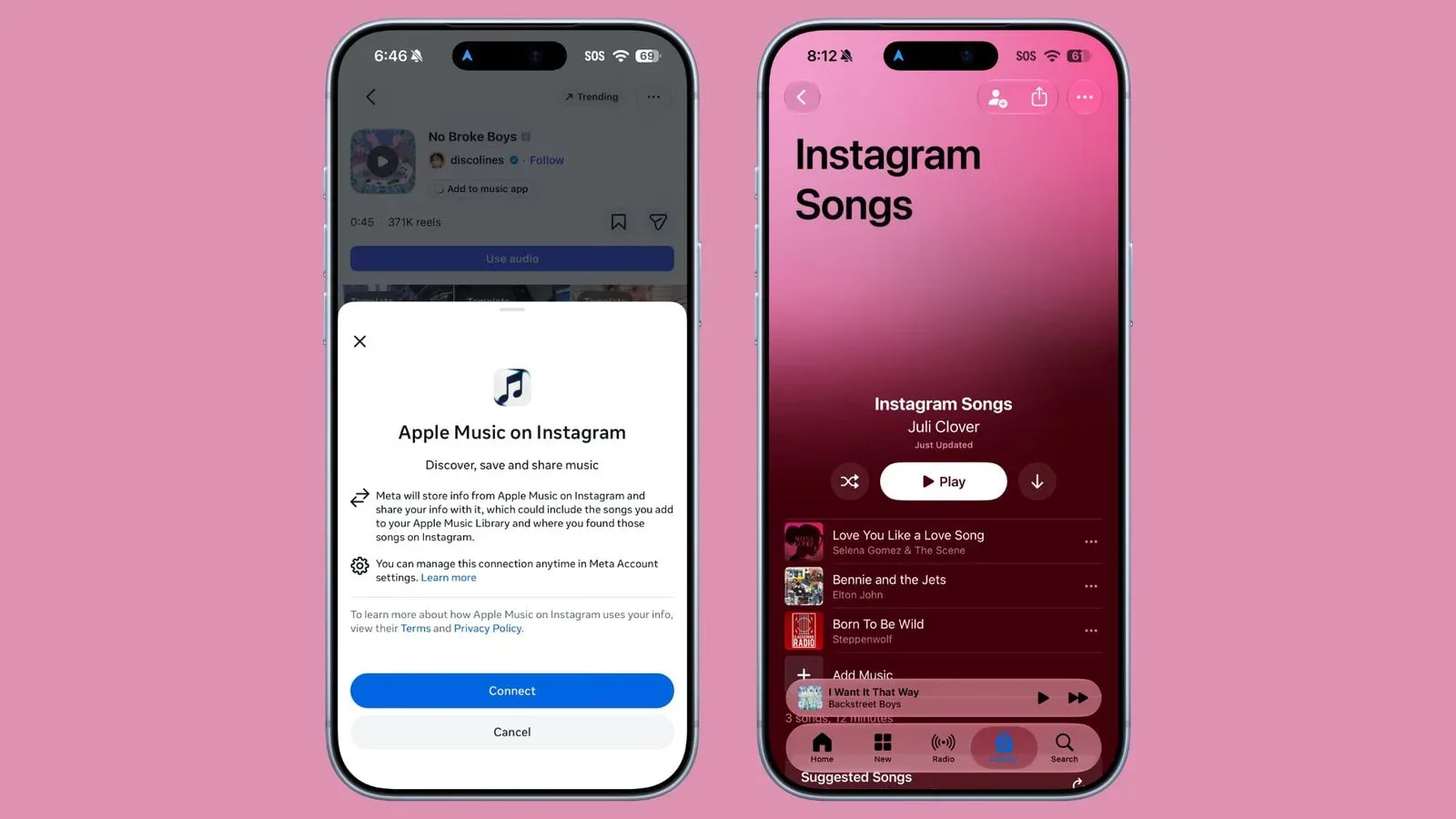
That restraint matters in a music ecosystem that frequently turns partial information into assumed promises. Fans can follow the work Rashad has explicitly identified while leaving room for the fact that creative plans change. They can also keep their listening organized through newer tools, including song-saving links between social posts and Apple Music playlists, without confusing convenience features with news about an artist’s release schedule.
Why Rashad’s account lands
There is no dramatic twist in Rashad’s story of the first days home: he felt low, noticed the change, and went somewhere he could be around people. That modesty is precisely what makes it land. It describes the ordinary need for connection inside an extraordinary profession.
Touring can provide momentum, purpose and nearly nonstop interaction. Returning home can provide privacy and rest, but it can also expose the absence of that rhythm. Rashad has not framed the answer as permanently choosing one world over the other. He has framed it as learning to recognize the impact of the switch.
For an artist whose recent work has engaged with family, childhood and the demands listeners place on him, that recognition feels consistent with the broader picture. The performance ends, the travel stops and the calendar opens up. What remains is the task of building a life that can hold both the noise and the quiet.