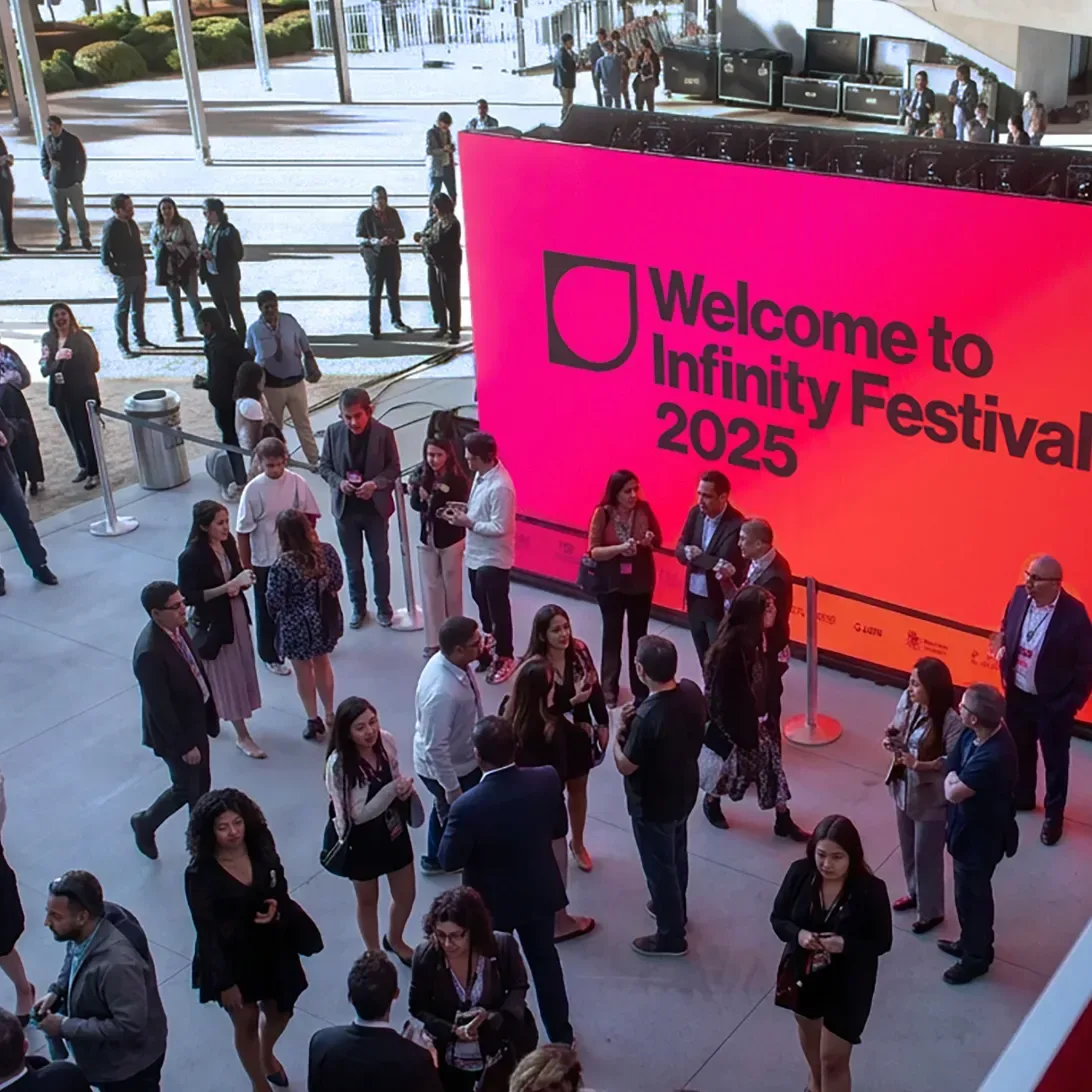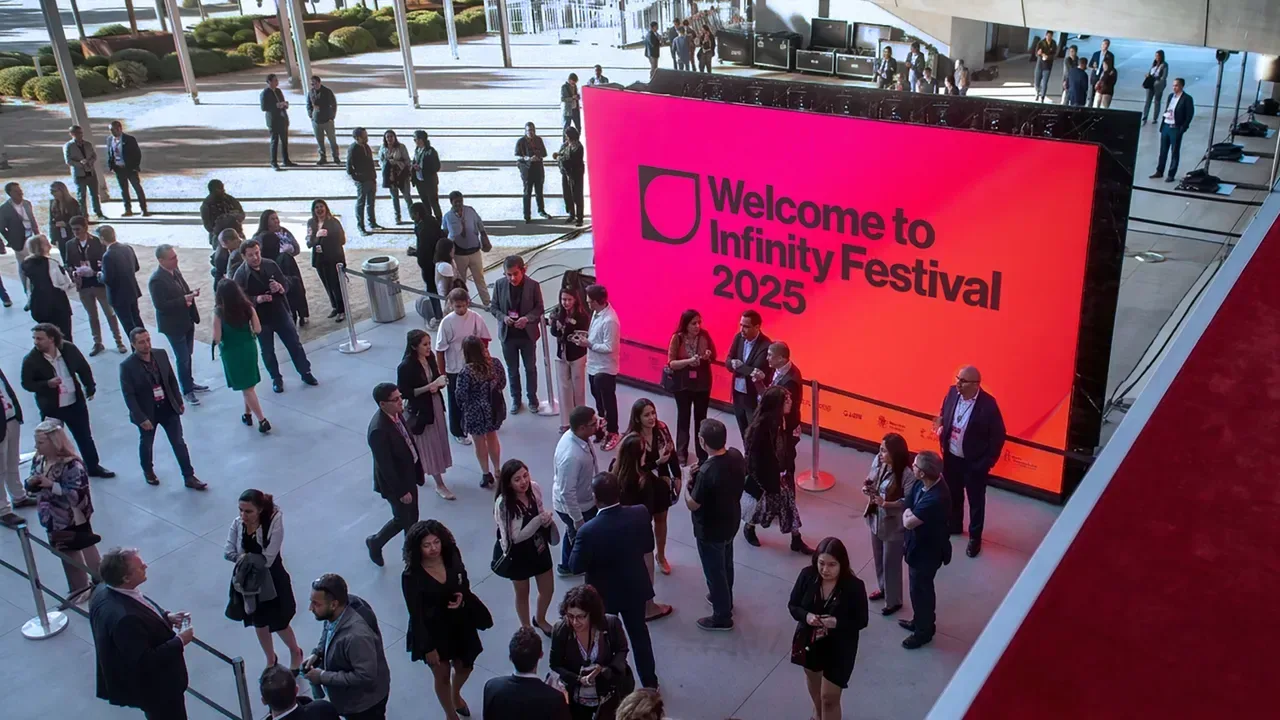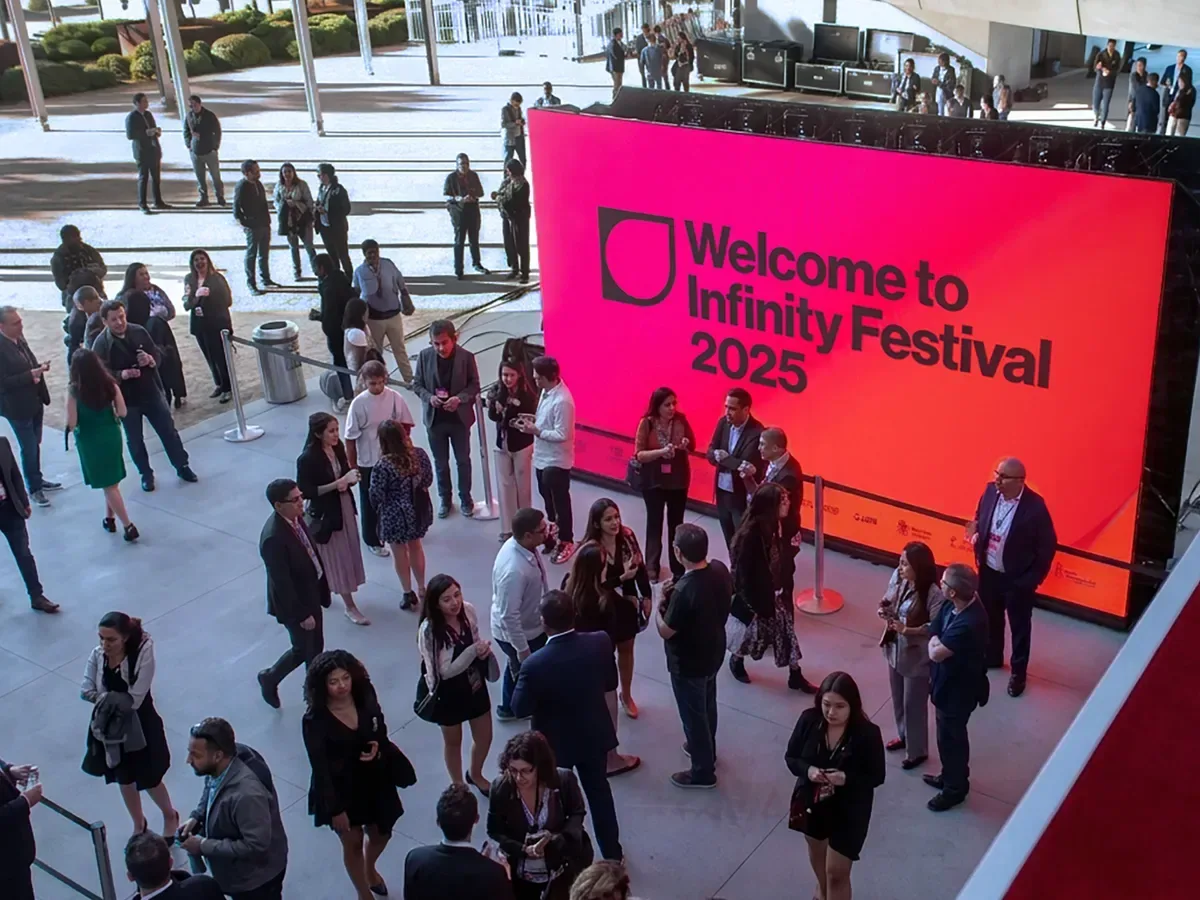
Infinity Festival will return to Los Angeles from November 12 through 15 with a program built around a question that matters to far more than one corner of entertainment: how does technology change the way stories are made, presented and understood?
The 2026 lineup puts that question in front of several major animation figures. Seth Rogen and the creative team behind Tangles are set to appear alongside filmmaker Brad Bird and LAIKA president and CEO Travis Knight. The event’s scope spans film, television, gaming, animation and music, framing those industries as connected creative spaces rather than separate lanes with suspiciously guarded snack tables.
For audiences interested in animation, the most notable part of the program is that it does not treat “technology” as shorthand for one method or one tool. The scheduled projects point to sharply different kinds of animated filmmaking: Tangles, the Netflix/Skydance feature Ray Gunn, and LAIKA’s stop-motion feature Wildwood. That makes the festival’s programming less about declaring a single future for animation and more about examining the decisions that sit behind a finished image.
What is on the Infinity Festival schedule
Tangles will receive a special screening at the festival. Seth Rogen, who is producing and voice acting in the film, is included in the lineup with producer Lauren Miller Rogen, director, producer and co-screenwriter Leah Nelson, and co-writer Sarah Leavitt.
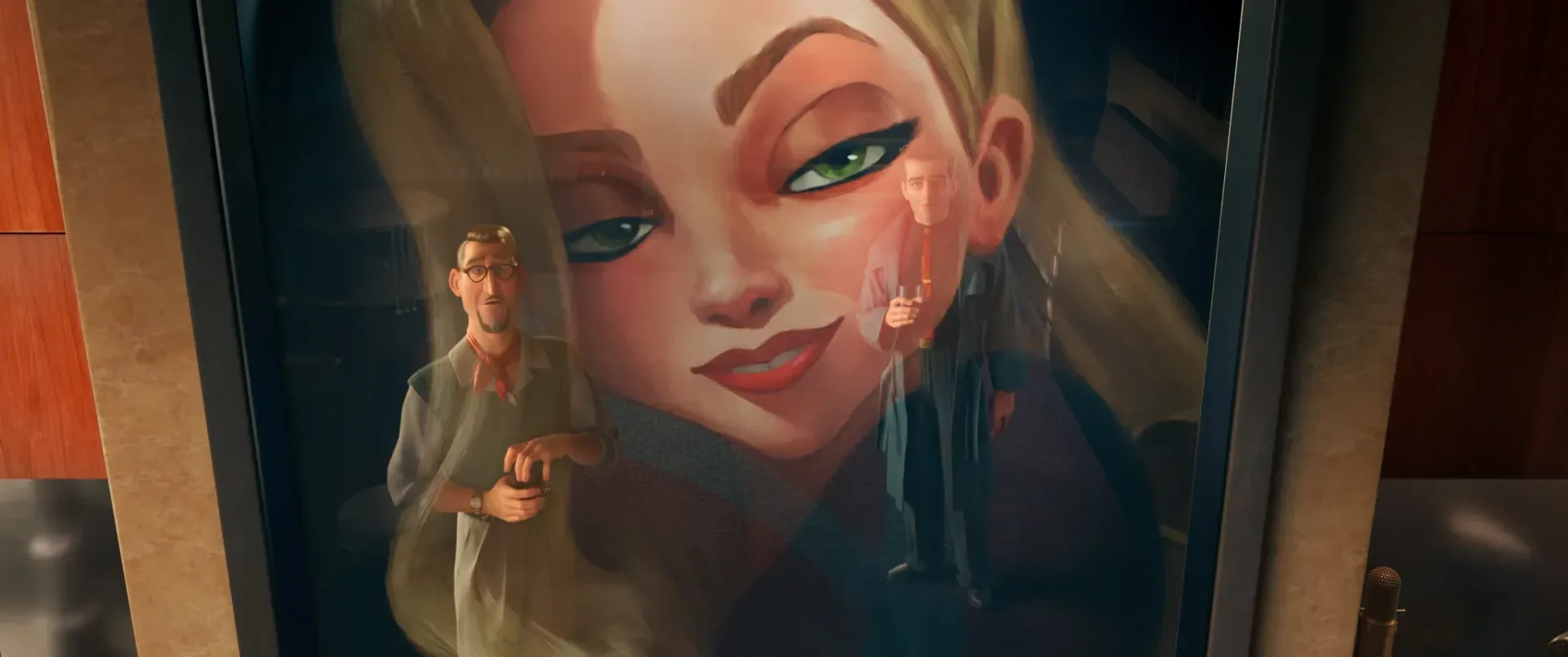
Brad Bird will receive Infinity Festival’s Lifetime Achievement Award, recognizing his contributions to animation and filmmaking. Bird’s directing credits include The Incredibles and Ratatouille. His upcoming Netflix/Skydance animated feature, Ray Gunn, is also scheduled for a special screening.
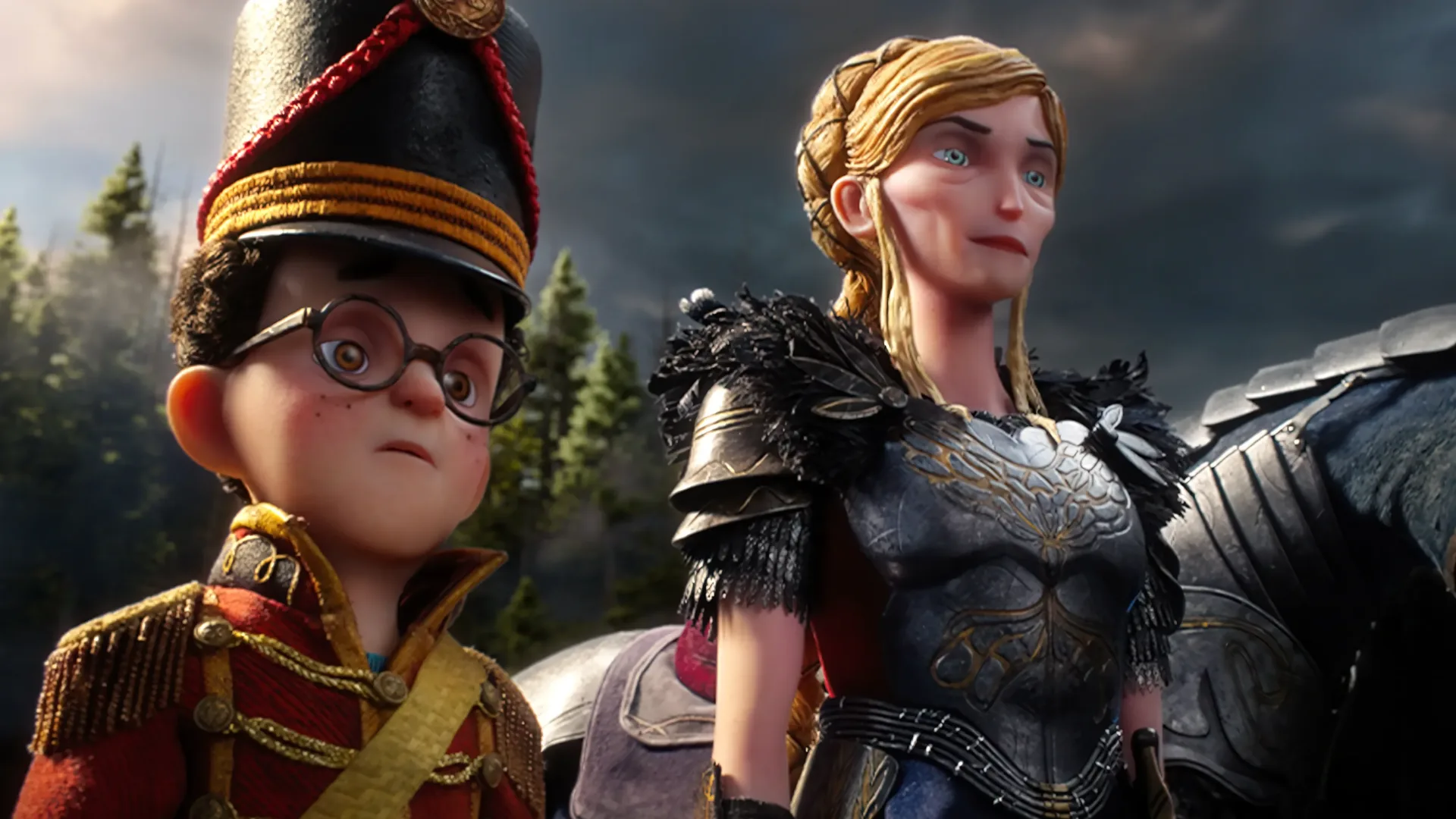
Travis Knight will receive the festival’s Monolith Award for Visionary Storytelling. Knight leads LAIKA and is directing the studio’s upcoming stop-motion animated feature Wildwood. His festival appearance is set to include an inside look at the film’s creative process and technologies developed specifically to bring it to life.
Those are distinct kinds of festival moments. A screening gives viewers the work itself; an award recognizes a body of achievement; a process-focused presentation can illuminate the choices, labour and problem-solving that rarely fit into a film’s running time. Together, they give the event a practical structure: watch the stories, consider the people making them, then look under the hood without pretending there is only one kind of engine.
Why the animation focus matters
Animation is often discussed as a visual category, but it is equally a production discipline. Every movement, shot and performance reaches the screen through a chain of artistic and technical choices. Those choices vary enormously from project to project. A festival examining technology’s effect on storytelling has a strong reason to place animation at the centre of its agenda: the medium makes the relationship between tool and story unusually visible.
That does not mean technology alone creates a compelling film. A new workflow can make a creative option possible, speed up a task or solve a difficult production challenge, but it cannot independently supply character, rhythm or emotional stakes. The interest in hearing from filmmakers and creative teams comes from the human part of that equation: why a particular approach was selected and what it was intended to accomplish for the story.
In the case of Wildwood, the stated focus on technology developed specifically for the film is especially worth noting. “Developed specifically” suggests tools or methods tailored to the requirements of that production, rather than a generic product demonstration. The festival has not detailed those technologies here, so it would be premature to infer precisely what they do. Still, Knight’s presentation is positioned to address the creative process as well as the technical work, an important distinction whenever a conversation risks becoming a list of impressive-sounding machinery.
Stop-motion is a method, not an absence of technology
Stop-motion animation is created by photographing physical objects in incremental positions so that, when the images are played sequentially, the objects appear to move. Its tangible materials can make it seem separate from technology-driven filmmaking, but that is a misleading split. Bringing any stop-motion feature to a finished state entails an extensive production process, and Knight’s scheduled discussion explicitly places technical development within that process for Wildwood.
The useful takeaway is not that one format is “traditional” while another is “modern.” It is that production tools are part of how every animated work translates an idea into something an audience can see and hear. The creative question is always whether the method supports the intended story and experience.
Bird’s recognition connects achievement with the next project
Bird’s Lifetime Achievement Award acknowledges an existing career in animation and filmmaking, while the Ray Gunn screening points forward. That pairing gives the honor more context than a retrospective celebration alone. An audience can recognize the work that made Bird a significant figure in the field while also seeing an upcoming feature associated with his current directing work.
The value of that format is straightforward. Career recognition can sometimes turn a filmmaker into a fixed museum exhibit, polished daily and forbidden from making anything new. A screening of Ray Gunn avoids that implication. It places a director known for earlier animated features in an active present tense, where a new film can be discussed on its own terms rather than only as a footnote to familiar titles.
The same applies to the broader festival theme. Storytelling technology is not merely an abstract prediction about what might arrive someday. It is a present production concern across moving-image media. The program’s combination of special screenings and creator appearances gives attendees a chance to connect broad industry discussion with named works and the people responsible for them.
What the Tangles team adds to the conversation
The Tangles session brings together people occupying multiple creative roles: producing, voice acting, directing and screenwriting. That is meaningful because a film’s creative identity is rarely expressed through a single job title. Producers help shape and advance a project; directors guide its overall realization; screenwriters construct its written foundations; voice performers contribute the vocal dimension of characters. The festival’s lineup recognizes that a feature reaches the screen through collaboration, not through the lone-genius myth with better lighting.
Rogen’s listed roles as producer and voice actor are a reminder that creative participation can stretch across departments. Nelson’s credits as director, producer and co-screenwriter likewise put several central responsibilities in one person’s remit. Leavitt’s presence as co-writer further underscores the collaborative writing side of the project. The announced screening will offer audiences an opportunity to engage with the completed film, while the team’s appearance creates room for discussion around the work without reducing it to a tech demo.
That balance is worth preserving at any event that joins Hollywood and Silicon Valley. The vocabulary of emerging technology can easily flatten creative work into efficiency, novelty or disruption. Those concepts may be relevant to production, but films and games remain experiences for audiences. The criteria that ultimately matter are whether the work communicates, surprises, entertains or moves someone—not whether a panel’s vocabulary has achieved maximum density.
Where gaming fits in a cross-media festival
Gaming is included within Infinity Festival’s stated programming range, alongside film, television, animation and music. No game-specific sessions or guests are detailed in the announced lineup, so there is no basis to predict particular game news or reveals. But its inclusion is still significant in the context of an event focused on storytelling and emerging technology.
Games have their own storytelling grammar, shaped by player input, rules, systems and the possibility of failure or discovery. Film and animation generally present a fixed sequence to viewers; games can ask players to participate in the sequence, interpret systems and sometimes construct their own route through a world. Putting these fields near one another can be useful when the discussion stays specific about those differences instead of pretending every screen tells stories in precisely the same way.
For readers following the wider creative-tech debate, concerns about artificial intelligence remain part of the entertainment landscape; one recent discussion of AI’s place in entertainment shows just how quickly the subject can move from technical possibility to questions of authorship, artistic control and audience expectations. Infinity Festival’s announced program does not specify AI sessions, and it should not be assumed that its technology focus means any one subject will dominate. Its stated premise is wider: examining the relationship between emerging technology and storytelling across media.
Practical details for prospective attendees
Infinity Festival is scheduled for Los Angeles from November 12 to 15. The announcement identifies special screenings for Tangles and Ray Gunn, Bird’s Lifetime Achievement Award, and Knight’s Monolith Award for Visionary Storytelling and Wildwood presentation.
Anyone considering the event should consult Infinity Festival’s official website for current information on programming and attendance. The announced material establishes the dates, city, featured guests and projects, but does not provide ticket pricing, venue specifics, screening times or a full session-by-session timetable.
For now, the clearest picture is of a Los Angeles gathering designed to examine storytelling at the point where creative practice and changing tools meet. With Rogen and the Tangles team, Bird and Ray Gunn, and Knight’s look at the making of Wildwood, the 2026 program has a compelling animation core—and an appropriately broad invitation to think about what technology does, and does not, bring to a story.