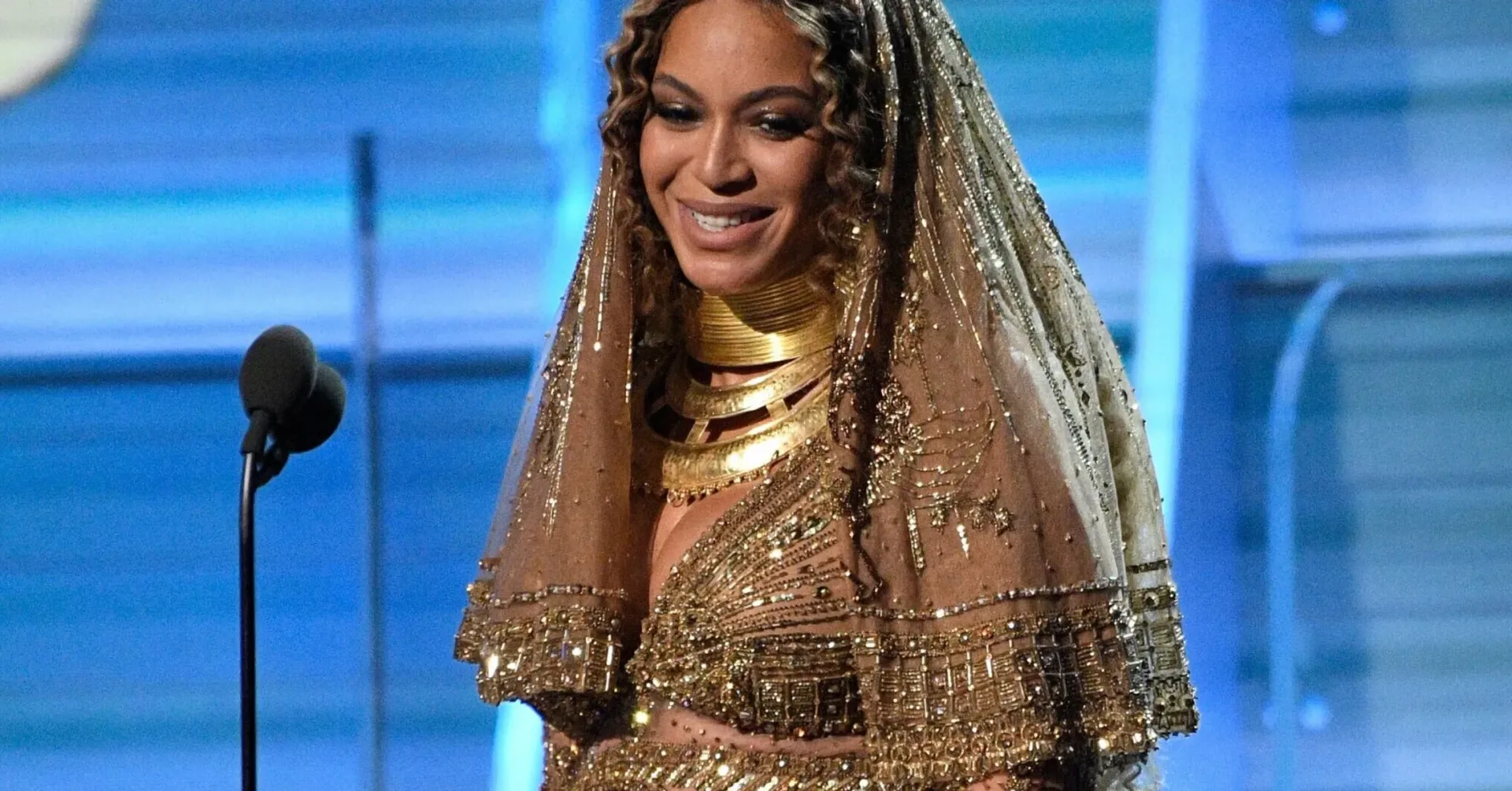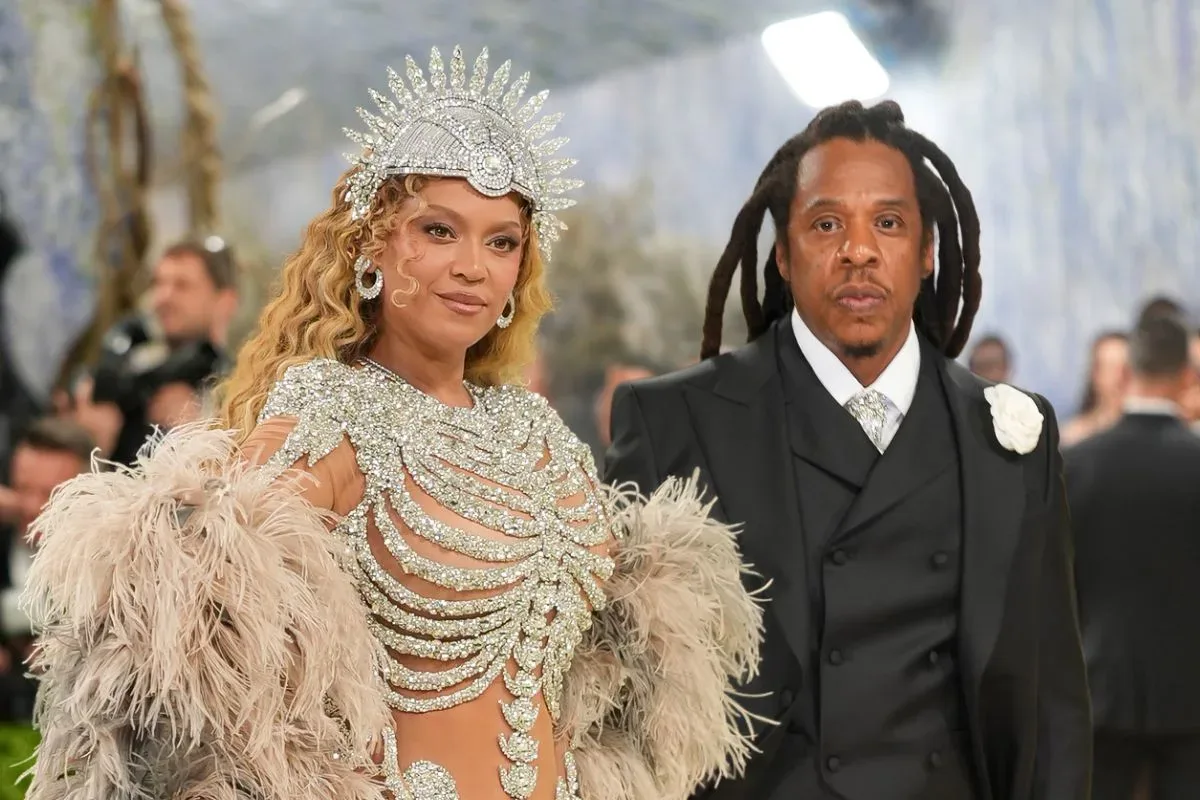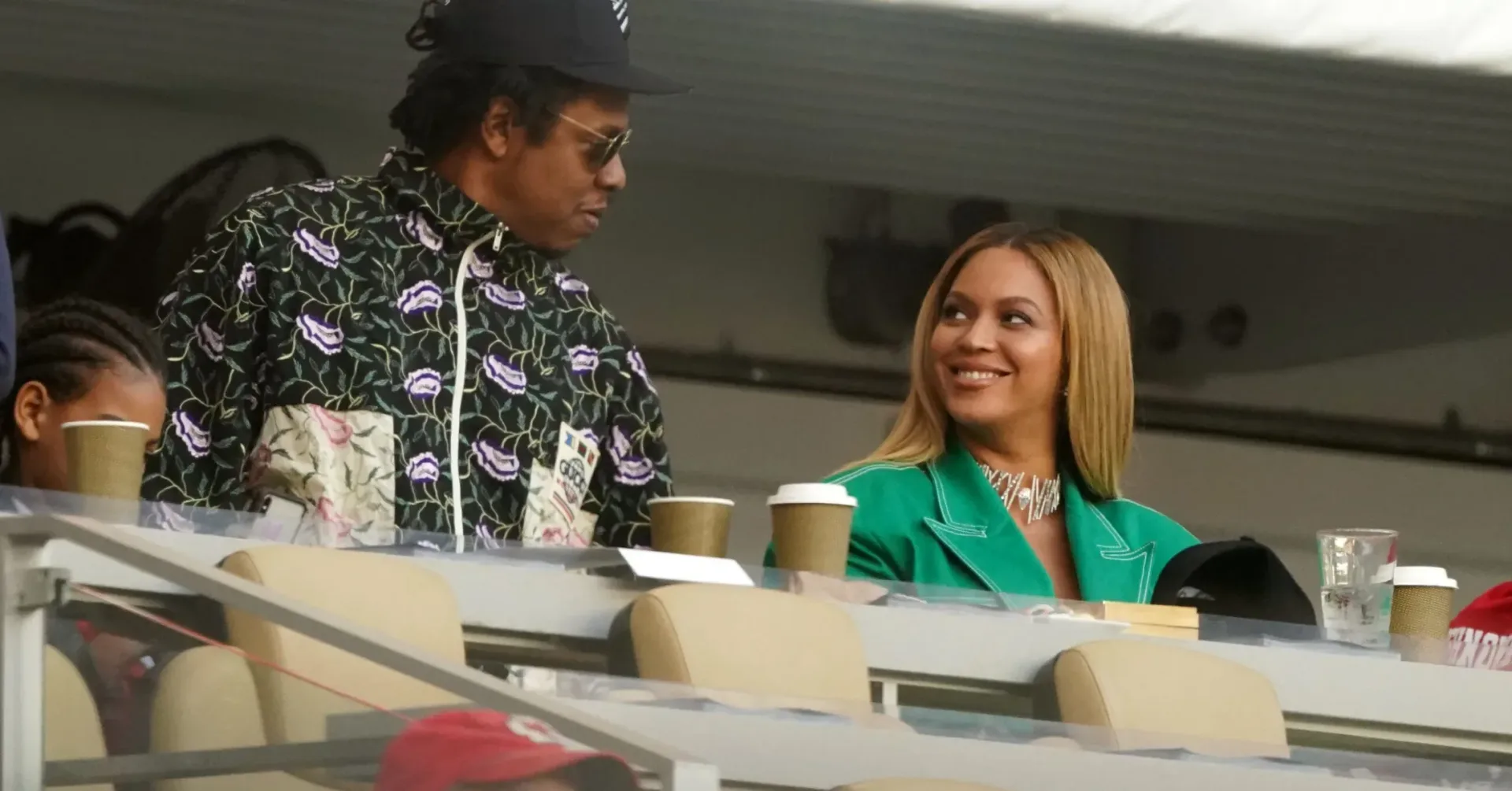
Ariana Grande’s “God Is a Woman” could have taken a dramatically different route. Songwriter Ilya Salmanzadeh has said the song was originally written with Beyoncé and JAY-Z in mind, potentially for their 2018 collaborative album Everything Is Love. Instead, it became one of the defining songs on Grande’s Sweetener.
The revelation came during Salmanzadeh’s appearance on And The Writer Is..., where he discussed the song’s early direction and the creative session that changed its destination. The concept initially involved Beyoncé and JAY-Z, but a later session with Grande turned the track into a vehicle for her voice and songwriting.
That is more than a trivia-worthy alternate-history moment. It offers a rare glimpse at how fluid pop songwriting can be before a song reaches listeners. A track may begin with one artist—or, in this case, a superstar couple—in mind, then transform completely once another artist recognizes something personal in its melody, lyric or emotional premise.
How “God Is a Woman” moved from an idea to Ariana Grande’s song
Salmanzadeh said the original plan did not come together. When work resumed with Grande, the thinking was reportedly that she could handle the chorus while the finished version might include a rap feature.
Grande had a different instinct after hearing it. Salmanzadeh recalled that she asserted that they were writing the song for her. He said Grande then wrote the verses and pre-chorus and created the layered harmonies during that same day.
Pre-chorus is the section that typically builds tension between a verse and a chorus. In a pop arrangement, it can serve as the lift that makes the arriving chorus feel bigger or more inevitable. Harmonies, meanwhile, are additional vocal lines that support or contrast with the main melody. They can make a vocal sound wider, denser and more theatrical without changing the song’s principal tune.
Those details matter because they point to Grande’s role in defining the released song rather than simply recording a pre-existing demo. Salmanzadeh’s account describes an active writing process: Grande did not merely replace an intended performer; she supplied core lyrical and vocal elements that shaped the final identity of “God Is a Woman.”
A different assignment would have meant a different song
It is tempting to imagine the released recording with Beyoncé and JAY-Z in its place, but Salmanzadeh’s comments do not establish that a version by the pair was ever completed or recorded. They establish an initial intention, followed by a change in direction.
That distinction is important. In music-making, “written for” can describe an early creative target rather than a locked-in track list entry. Songs often evolve as writers find the artist whose perspective best fits the material. A proposed feature can vanish. A chorus can become the core of a solo song. New verses can change the narrator, the meaning and the entire performance style.
The available account suggests “God Is a Woman” reached that turning point when Grande heard it and decided it should be hers. Her newly written verses, pre-chorus and vocal arrangements made the released version more than an interchangeable song assignment.
There is still room for the harmless fan question: what might the original concept have sounded like? Beyoncé and JAY-Z released Everything Is Love in 2018, the same year Grande released Sweetener, so the timing makes the alternate path especially easy to picture. But it remains a hypothetical. There is no basis here to claim the couple recorded the song, that they rejected a finished version, or that its eventual form would have matched Grande’s release.
Why the Grande version became the version people know
“God Is a Woman” appeared on Sweetener in 2018 and went on to reach No. 8 on the Billboard Hot 100. It is also described as four-times platinum. Those markers show that the song connected widely in its finished form, but they do not erase the unusually collaborative route that got it there.
Commercial results are only one part of why the final version feels inseparable from Grande. The key creative contribution described by Salmanzadeh is the one listeners can hear in principle: the song’s verses, its rising section before the chorus, and its vocal layering were developed around Grande’s own writing and arrangement choices.
That helps explain why a track initially envisioned for a completely different set of artists could still feel so specific in its ultimate form. The song was not simply transferred from one name to another. Its direction changed once Grande entered the session and wrote herself into it.
What this says about songwriting credits and demos
The story is a useful reminder that a song’s public life starts long after its first idea. A demo is an early recorded blueprint, not necessarily a final statement. It may contain the central chord progression, hook or melody while leaving the lyrics, vocal texture, guest artists and production choices open to revision.
Likewise, an artist being considered for a song does not mean the eventual recording would have resembled the release fans know. The singer’s phrasing, range, lyrical perspective and choices in the room can alter the arrangement and narrative. Salmanzadeh’s description of Grande writing the verses and pre-chorus demonstrates precisely that kind of shift.
For listeners, these stories can deepen appreciation without requiring an alternate version to exist. They reveal the decisions hidden behind a familiar three- or four-minute song: who takes ownership of an idea, which sections are rewritten, and how a vocalist’s creative input changes a work’s center of gravity.
It also puts a spotlight on the work of songwriters and collaborators whose names may be less immediately visible than the performers’. Salmanzadeh’s recollection supplies the connective tissue between an abandoned direction involving Beyoncé and JAY-Z and the final Grande recording that reached a mass audience.
One of pop music’s more interesting “what ifs”
The notion of “God Is a Woman” on Everything Is Love will naturally invite speculation. Beyoncé and JAY-Z are major artists with a distinct collaborative identity, while Grande’s version is now closely tied to the creative world of Sweetener. Yet the more revealing part of Salmanzadeh’s account is not the unmade version; it is the decision that produced the one that exists.
Grande heard a possible chorus-and-feature structure and saw a full solo statement. She then contributed writing across the verses and pre-chorus while building the song’s intricate harmonies. That creative pivot turned an early idea aimed elsewhere into a top-10 hit with a clear authorial connection to Grande.
Music careers are full of tracks that find their way to unexpected performers. This particular case stands out because the initial target was so high-profile and because the final result became a signature-era release for another pop star. For more current music-industry pop-culture coverage, see Young Miko’s Intuit Dome sellout and what it signals for her arena tour.
As for “God Is a Woman,” the available story leaves no need to treat it as an unfinished Beyoncé and JAY-Z artifact. It is better understood as an example of a song finding its final artist in the writing room—and being substantially remade through that artist’s own contributions.