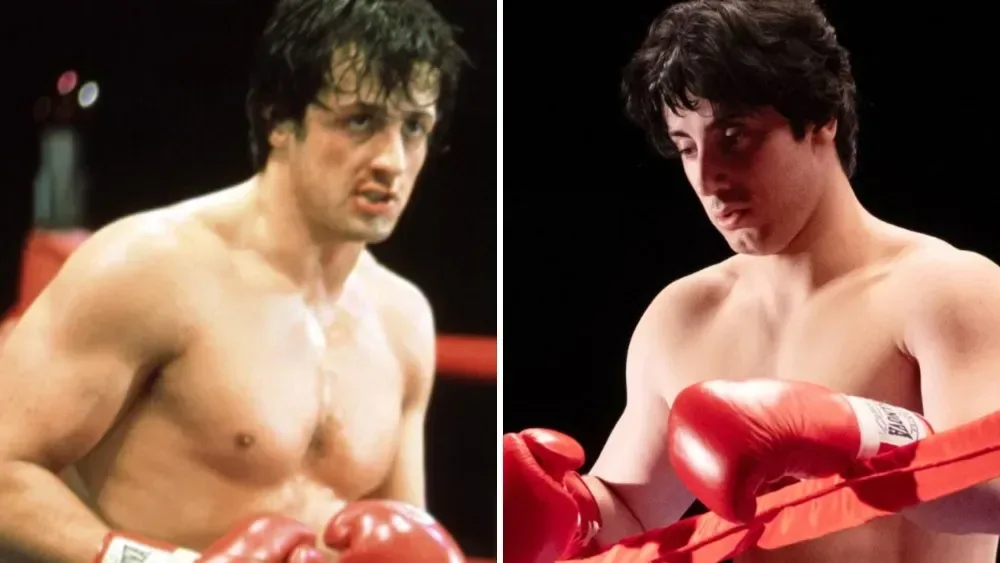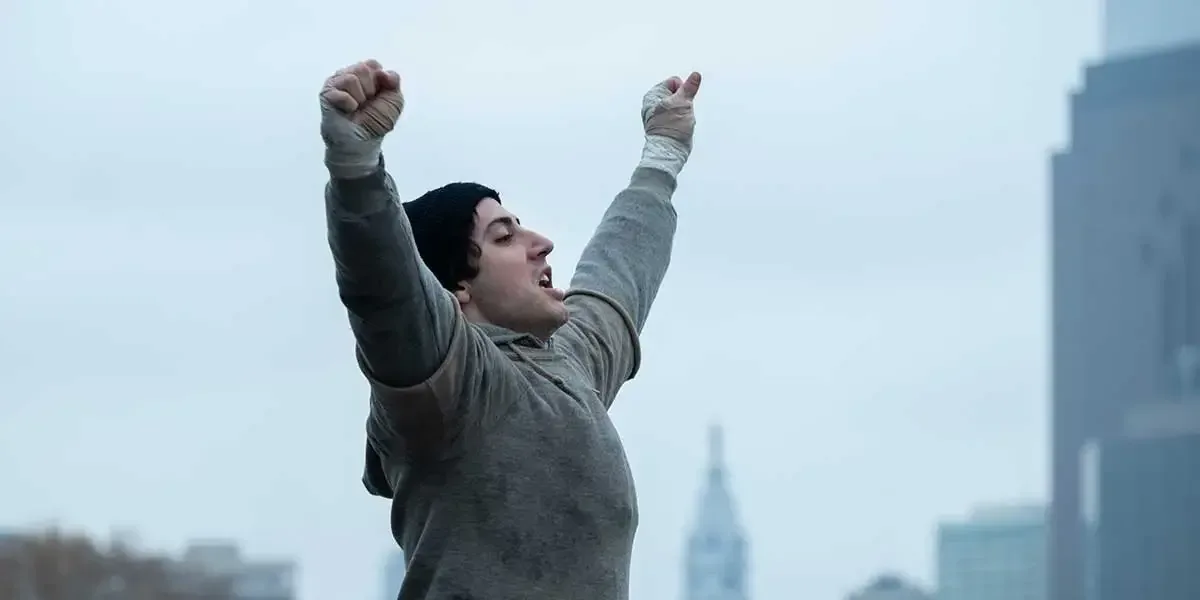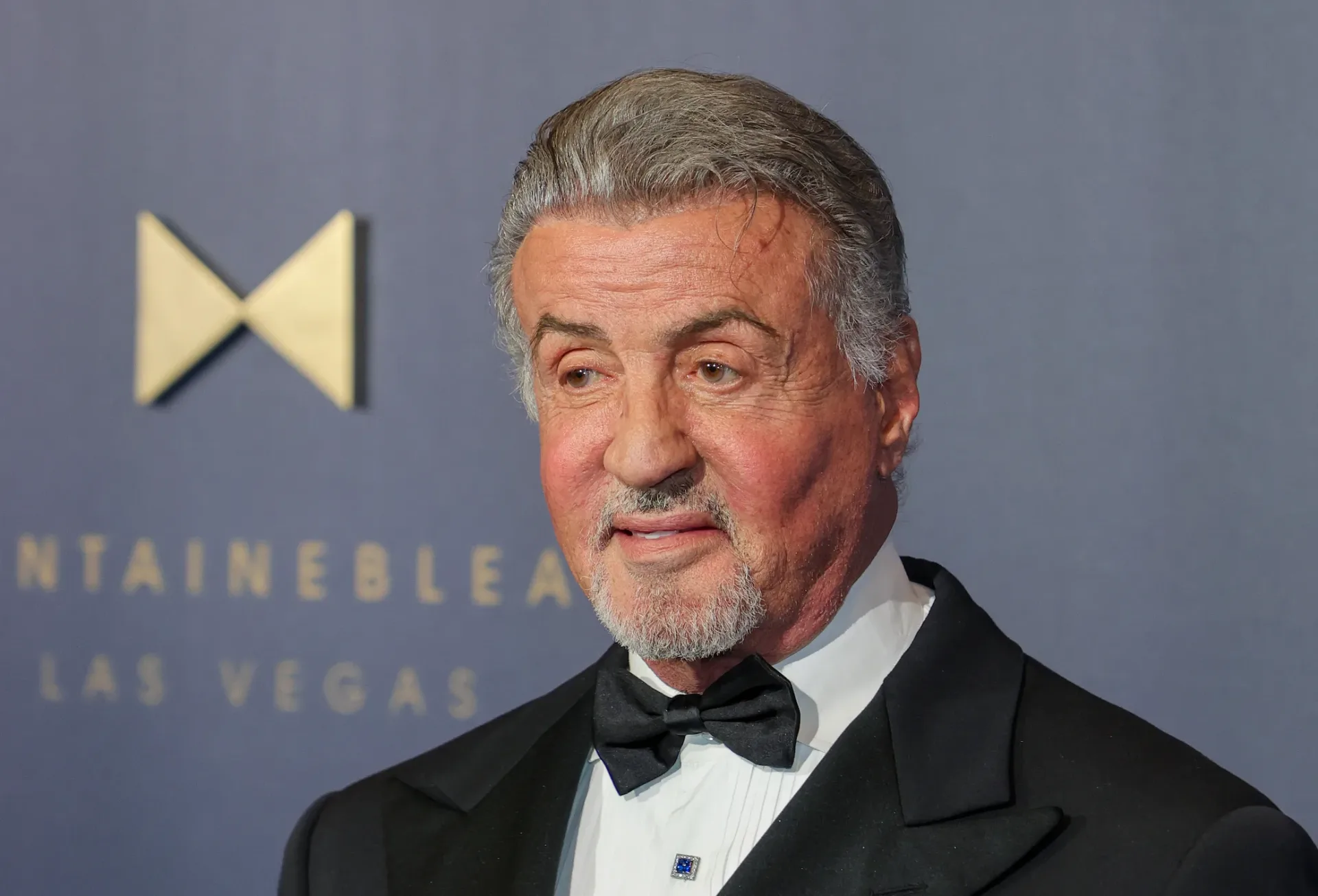
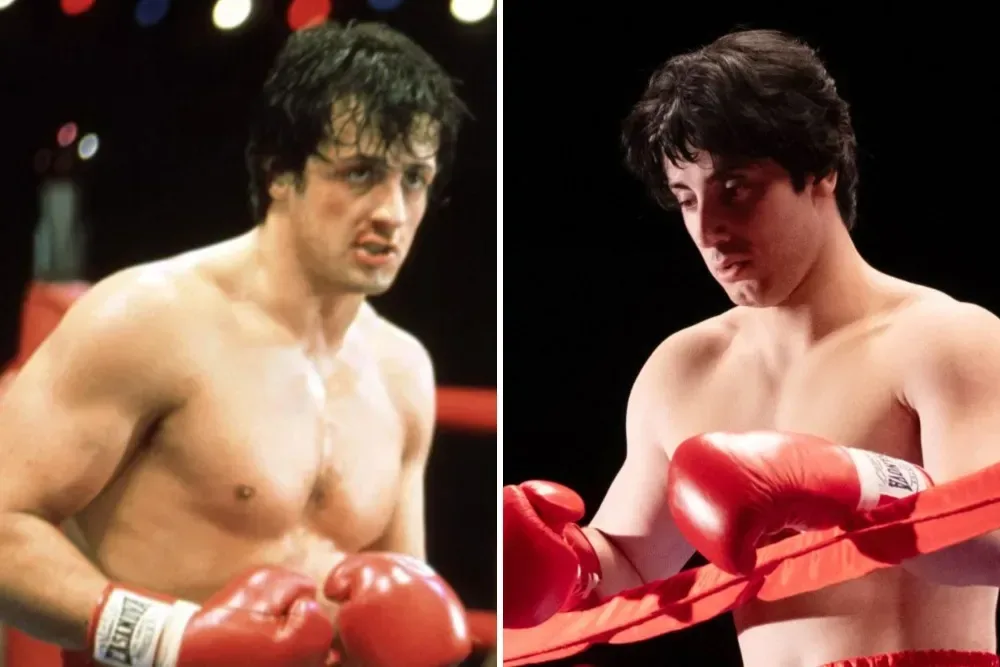
I Play Rocky turns the making of Rocky into its own underdog drama: Sylvester Stallone, then a struggling writer and actor, refuses to sell his boxing screenplay unless he can play Rocky Balboa himself. It is an irresistible premise because the original film’s eventual best-picture Oscar makes the ending feel preordained. Yet a movie about how a movie got made has its own challenge. It must condense negotiations, competing recollections and weeks of work into scenes with clean stakes.
That is the key to separating the history from the heightened storytelling. Several central elements are well grounded: Stallone rapidly began a boxer script after watching a fight, pushed to star, worked through a punishing low-budget shoot and was injured while filming. Other moments are more streamlined. The deal was not solely a writer staring down producers; agents and producers helped create the opening. The famous dog story has sharply conflicting versions. And some scenes that look inseparable from Philadelphia were filmed in Southern California.
The result is not a case of every dramatized scene being simply true or false. Rather, I Play Rocky appears to use a familiar biopic toolkit: preserving the emotional direction of events while making their timing, participants and mechanics easier to follow. That distinction matters especially for a film built around a creator whose own recollections, accounts from colleagues and later books do not always align.
The 72-hour Rocky screenplay story needs an asterisk
The claim that Stallone wrote Rocky in three days is based on something real, but it can produce a misleading image of a finished classic emerging intact over one sleepless weekend. Stallone worked intensively for 72 hours on the basic idea, with his wife typing his handwritten pages. The burst produced roughly the first third of the story, not the complete shooting script. Dozens of revisions followed before cameras rolled.
That distinction is more than pedantry. A treatment, outline or early draft establishes the characters and broad dramatic movement; a production-ready screenplay has been revised into a document that a cast and crew can actually use. The early writing sprint is still remarkable, but the later rewrites were part of the accomplishment, not a footnote that diminishes it.
The screenplay arose after an earlier Stallone script, Hell’s Kitchen, had been discussed as a possible project. That script later became Paradise Alley, but Stallone had already sold it elsewhere. His early agents, Craig Rumar and Larry Kubik, had introduced producer Gene Kirkwood—who had a deal with Robert Chartoff and Irwin Winkler—to Stallone. The agents and Kirkwood therefore form an important part of the chain of events that a direct producer-versus-unknown-writer scene naturally compresses.
Stallone was not yet a bankable star, but neither was he wholly disconnected from the business. That is where the biopic’s simplified version can make the victory look even more solitary than it was. The available accounts support both sides of the larger story: he was a neophyte actor taking an extraordinary risk by demanding the lead, and he had advocates helping move the material into the right rooms.
“I play Rocky” captures the principle, not necessarily a recorded line
The heart of the negotiation is broadly supported. The studio preferred more established possibilities including James Caan, Nick Nolte and Ryan O’Neal. Stallone insisted that he play the boxer he created. Reports have said United Artists offered as much as $250,000 for him to step aside, and that he refused.
Whether he delivered the crisp title phrase at the exact moment portrayed—“I play Rocky”—is less certain. No firm recollection establishes that it happened verbatim. But the phrase functions as dramatic shorthand for the authentic non-negotiable term: Stallone would not merely sell the words. He wanted to embody the character.
It is also worth recognizing how negotiation works in a film deal. A performer or writer may be the public face of a demand, while agents handle proposals, counteroffers and contractual details behind the scenes. Removing that machinery makes a scene faster and more legible. It can also obscure the people whose work made an improbable agreement possible.
Butkus is the most disputed part of the legend
Butkus, Stallone’s bull mastiff, is a beloved part of Rocky lore and naturally offers I Play Rocky a ready-made emotional beat. In Stallone’s frequently repeated version, financial hardship forced him to sell the dog for around $40 to a man called Little Jimmy. After selling the Rocky script, he sought Butkus out again for the film and paid thousands to get him back. The reported buyback amount has varied widely, from $1,500 to $15,000.
There is, however, a materially different recollection from Jimmy Gambina, a boxing trainer who worked on Rocky. Gambina said that he looked after Butkus during the first film’s production, then received the dog from Stallone after the birth of Stallone’s son Sage because the pair had bonded. In Gambina’s telling, Stallone later wanted Butkus back for Rocky II, after Gambina’s family had lived with the dog for nearly three years. Gambina said the disagreement over taking him back ultimately damaged their relationship.
These accounts do not merely disagree over the amount of a transaction. They place the dog’s transfer at different moments and with different circumstances. The safest reading is that Butkus genuinely mattered to Stallone and appeared in the original film, while the famous sale-and-rescue version cannot be treated as settled fact. A biopic can choose the cleaner anecdote because it expresses poverty, loyalty and eventual vindication in one scene. Viewers should understand that the neatness is exactly what the contested evidence complicates.
Rocky’s Philadelphia look was built across two places
Rocky is culturally entwined with Philadelphia, particularly the steps that became a lasting symbol of the character. But its production geography was more fragmented than its screen identity suggests. The Philadelphia steps, Rocky’s apartment and certain exterior shots were captured during a hectic five-day stretch in the city. Much of the remainder was made in and around Los Angeles.
That includes one of the franchise’s defining images: Rocky striking hanging slabs of meat. The training sequence was filmed at Shamrock Meats in Vernon, California, not at a Philadelphia facility. The sides of beef were frozen solid, and Stallone reportedly punched them for eight hours, breaking a knuckle. Thus, the physical injury is supported, while the location used in the dramatization is not.
Other locations similarly show how a convincing movie city is assembled. The rink where Rocky and Adrian skate after hours was the Ice Capades Chalet in Santa Monica. The final boxing material was shot at the Olympic Auditorium and the Los Angeles Sports Arena. The practical lesson is that an iconic setting can be a combination of location work, substitutes and carefully selected interiors rather than a single-city production.
The shoot was physically rough in ways that fit the film’s myth without requiring embellishment. Stallone broke a rib during the final bout with Carl Weathers, while Weathers suffered a broken nose. Those are consequential injuries, and they underline the low-budget production’s willingness to put its leads through demanding work.
A tight contract was pressure, not proof of sabotage
I Play Rocky depicts pressure that could be read as an attempt to force Stallone out of the starring role. The underlying conditions were unquestionably severe. Accounts describe Stallone running about nine miles on the first day of shooting and 11 on the second, in Converse shoes, then developing shin splints. It remains unclear whether doctors specifically ordered him off his feet for two weeks, as dramatized.
The contract reportedly allowed producers to replace Stallone and imposed a restrictive timetable and budget. Stallone later recalled a 14-day period in which he could be fired and an all-in budget that could be reduced to $900,000, with a 30-day shooting target. That is a major form of leverage. A completion constraint—the requirement to finish a production within a specified schedule and budget—can determine what is shot, how scenes are staged and how much room artists have for setbacks.
But harsh contractual leverage is not the same as a deliberate effort to make the star fail. Kubik’s account makes the practical objection clear: once substantial footage had been shot with Stallone, replacing him would create its own expensive problem. The evidence supports a production operating under intense cost control, not a clear case that the studio was trying to sabotage its own film after filming began.
Cost-saving choices extended well beyond the contract. Director John Avildsen used Stallone for several disguised background voices heard in bars and on television sets, reportedly saving $200. Producer Gene Kirkwood also arranged promotional tie-ins to help bring and retain unpaid extras at the Sports Arena, including merchandise giveaways and a foreign-car raffle tied to a film plug. Some background performers recalled receiving Kentucky Fried Chicken meals. These details show the granular improvisation that often sits beneath a supposedly effortless underdog success.
The Frank Stallone Sr. scene changes who initiated the reconciliation
The film’s depiction of Stallone calling his father, Frank Stallone Sr., and offering him a tiny part gives the production story a simple gesture of reconciliation. Stallone’s memoir gives the situation a very different shape. He wrote that his father arrived on set and insisted on being in the film, even though the timekeeper role had already been cast. Stallone says he dismissed the original performer to accommodate him.
The filming itself reportedly became contentious when Frank Sr. repeatedly missed the cue to ring the bell. In this version, the cameo is not an olive branch carefully extended by a son. It is a difficult family confrontation arriving uninvited in the middle of an already pressured shoot. That change is significant because it shifts agency and emotional meaning. One version offers a hopeful outreach; the other reinforces Stallone’s description of a fraught relationship with an abusive father and an absentee mother.
Why the distinctions matter
None of these corrections erase the central achievement of Rocky: Stallone created a character, fought to play him and endured a constrained production that ultimately became a cultural landmark. If anything, the more complicated record makes the accomplishment more interesting. It replaces the idea of a lone genius winning by force of will with a messier reality of agents, producers, contracts, revisions, injuries, locations and personal conflict.
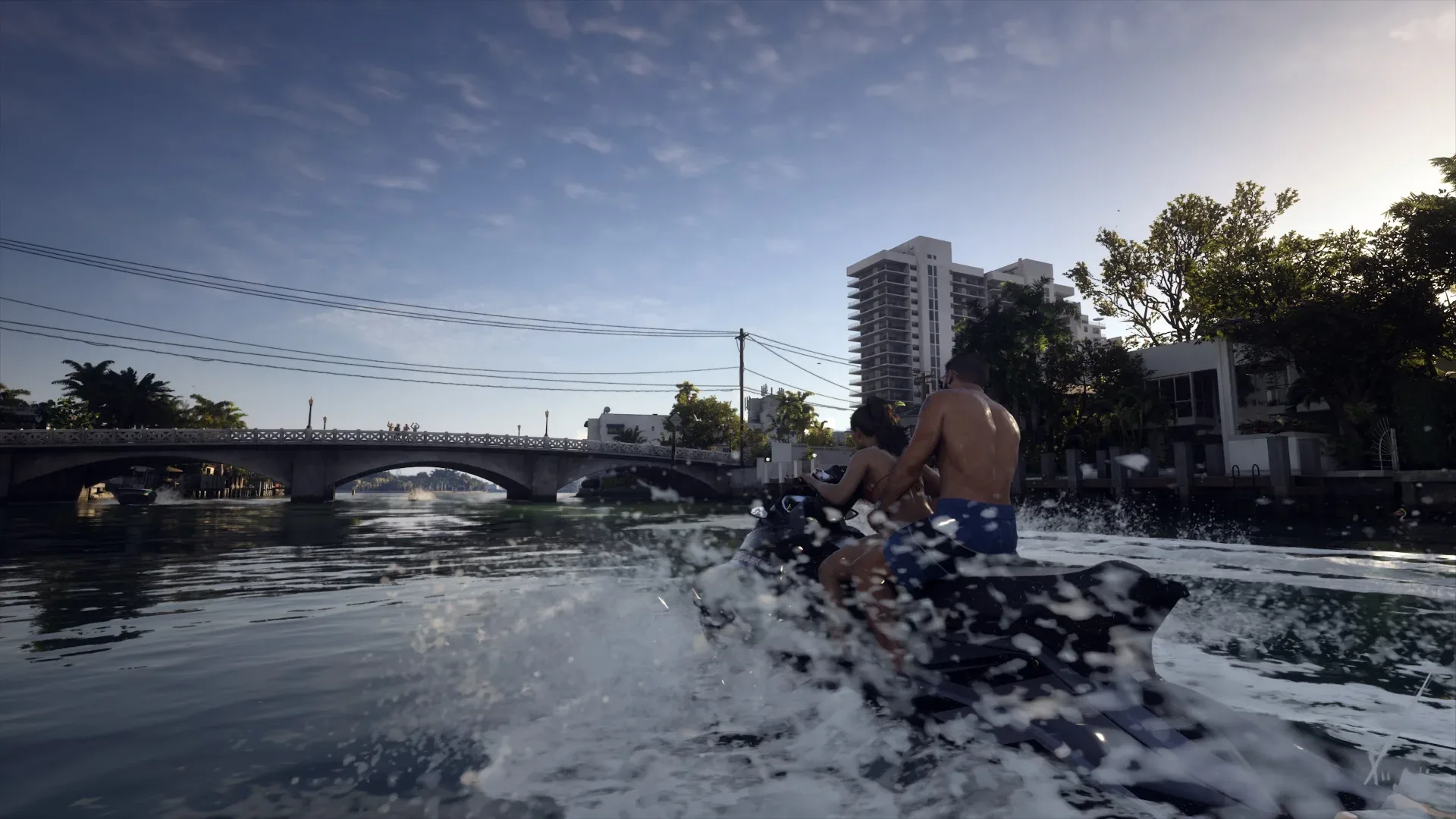
That is also why a making-of biopic should be approached as interpretation rather than a transcript. I Play Rocky can be emotionally faithful to a well-known story while arranging disputed or sprawling evidence into cleaner scenes. For viewers interested in another entertainment story where the line between a scene and its cultural afterlife matters, Joking Joystick has also examined how a carefully placed song can carry a major moment in GTA VI’s Carly Rae Jepsen moment.
With Rocky, the enduring image remains easy to understand: a writer-actor refusing to let someone else play his creation. The surrounding facts are less tidy. The script was developed beyond the initial three-day burst, Butkus’s history is disputed, the frozen meat was in California, and contractual pressure does not itself establish sabotage. Those caveats do not weaken the story. They reveal how a famous Hollywood legend was made—through persistence, collaboration and plenty of real-world complications that no two-hour drama can fully contain.