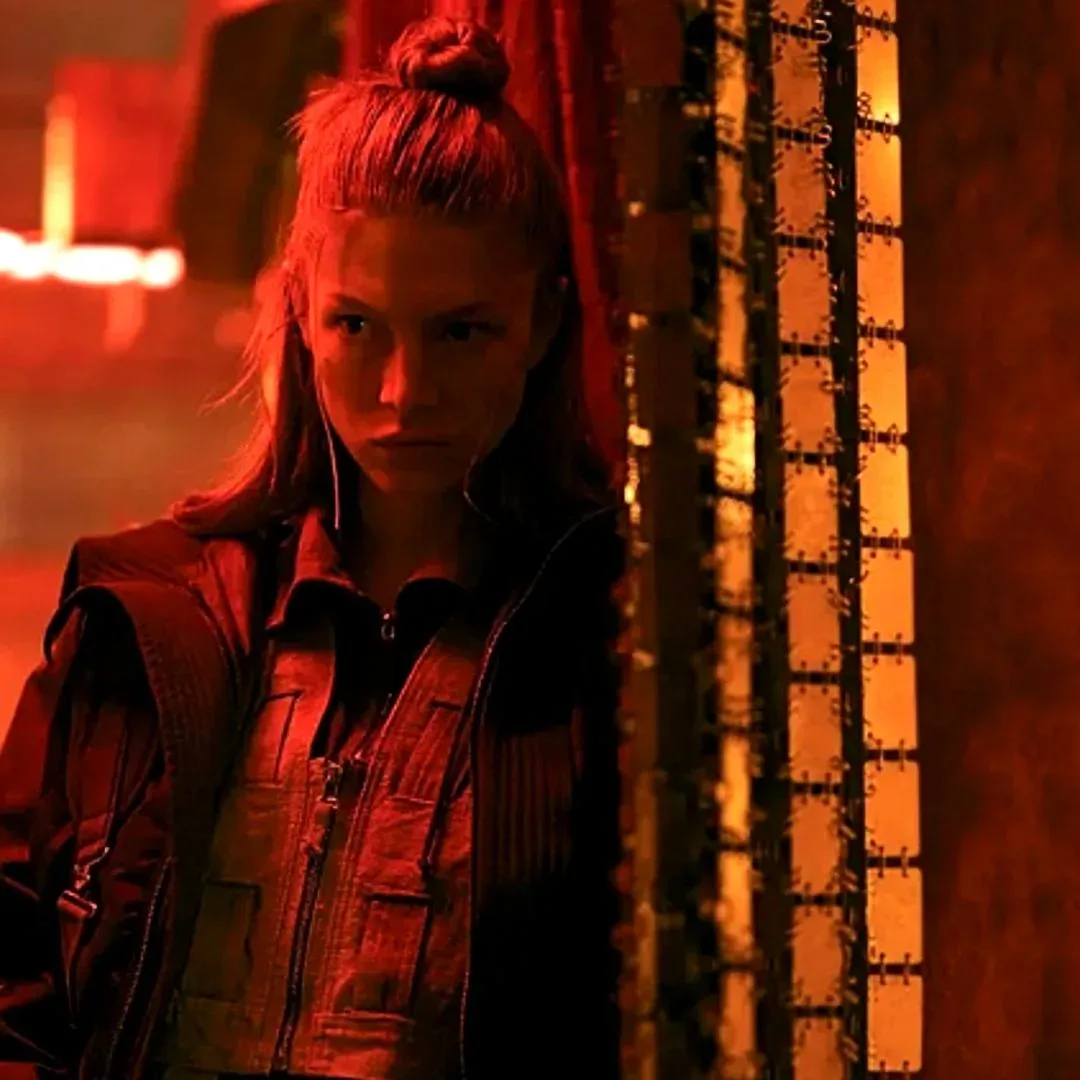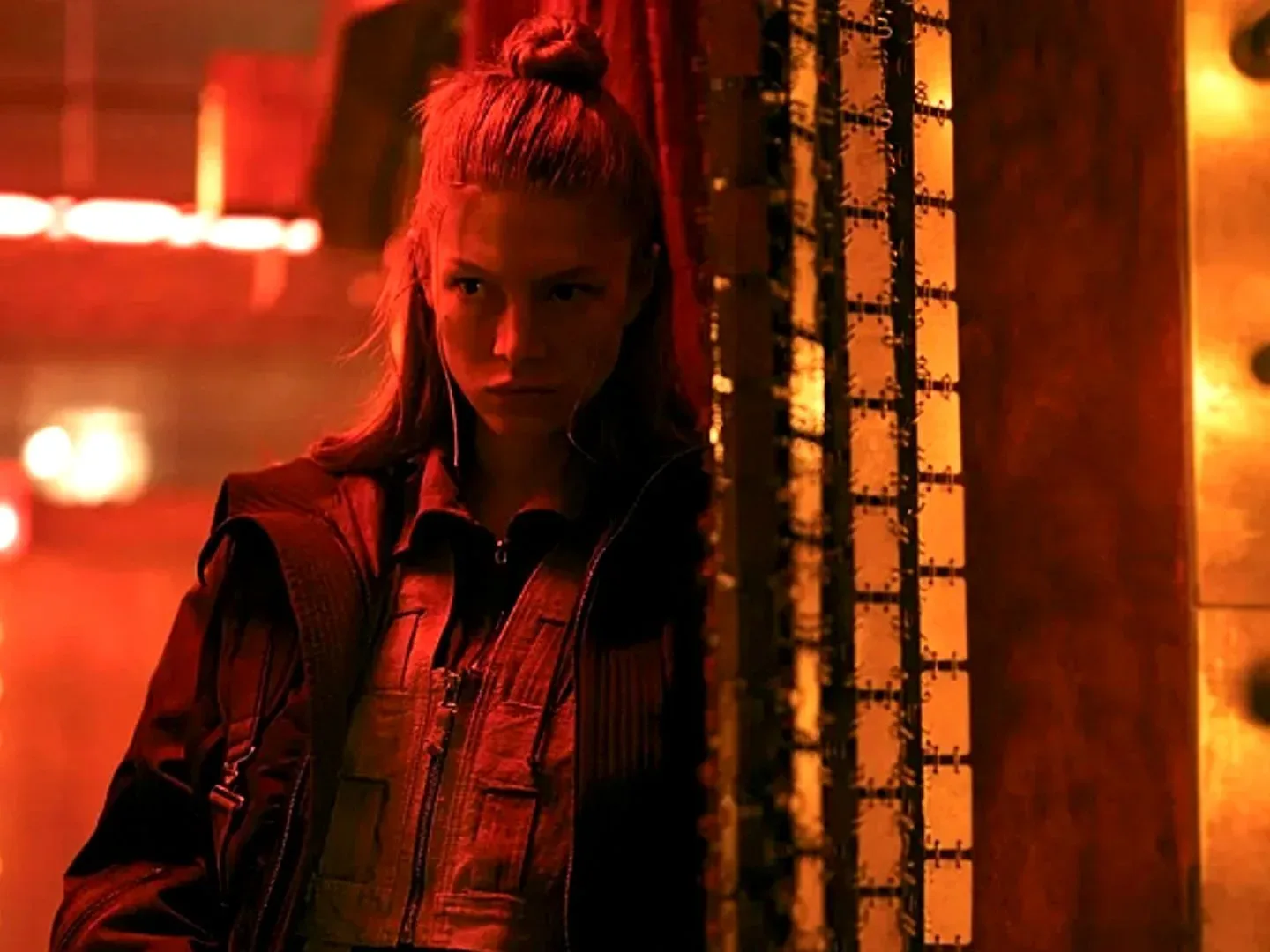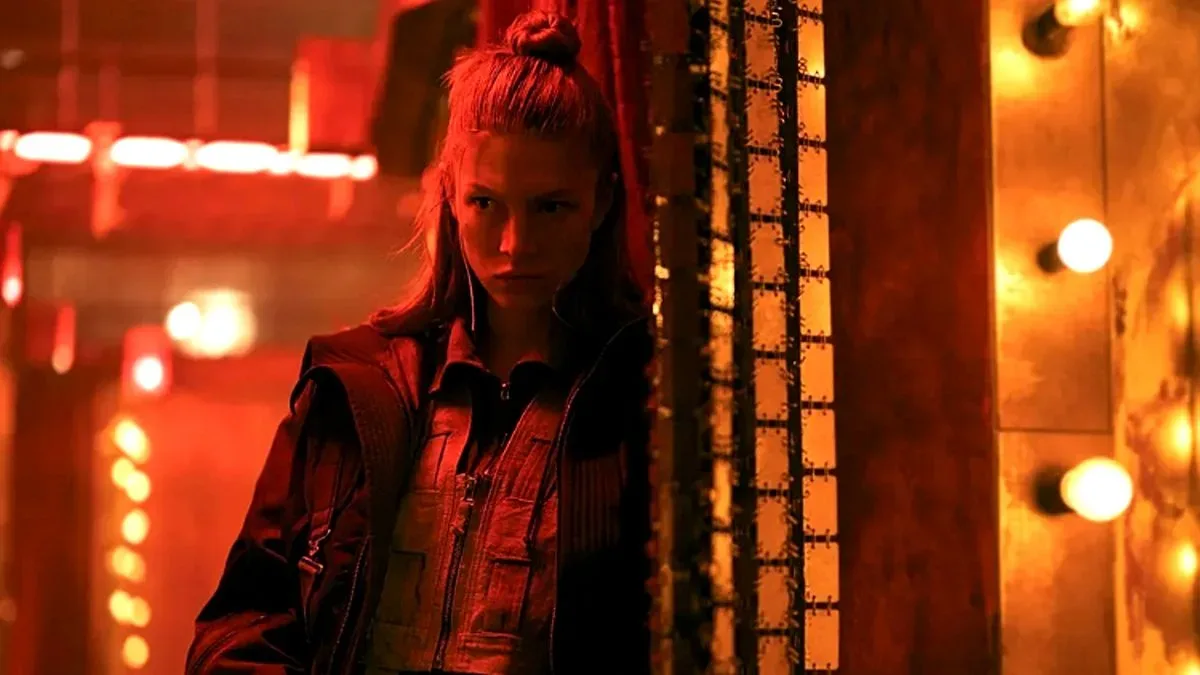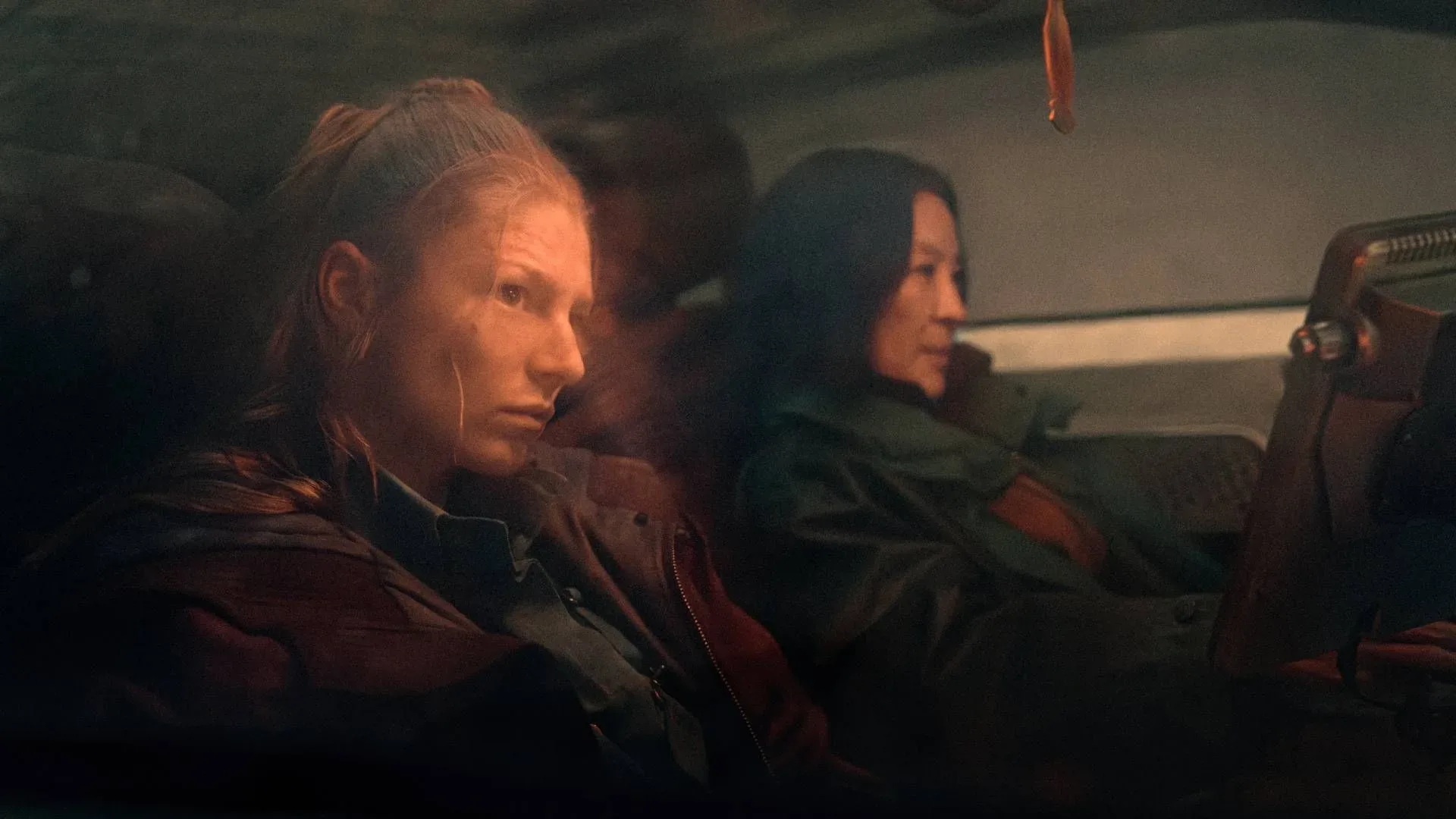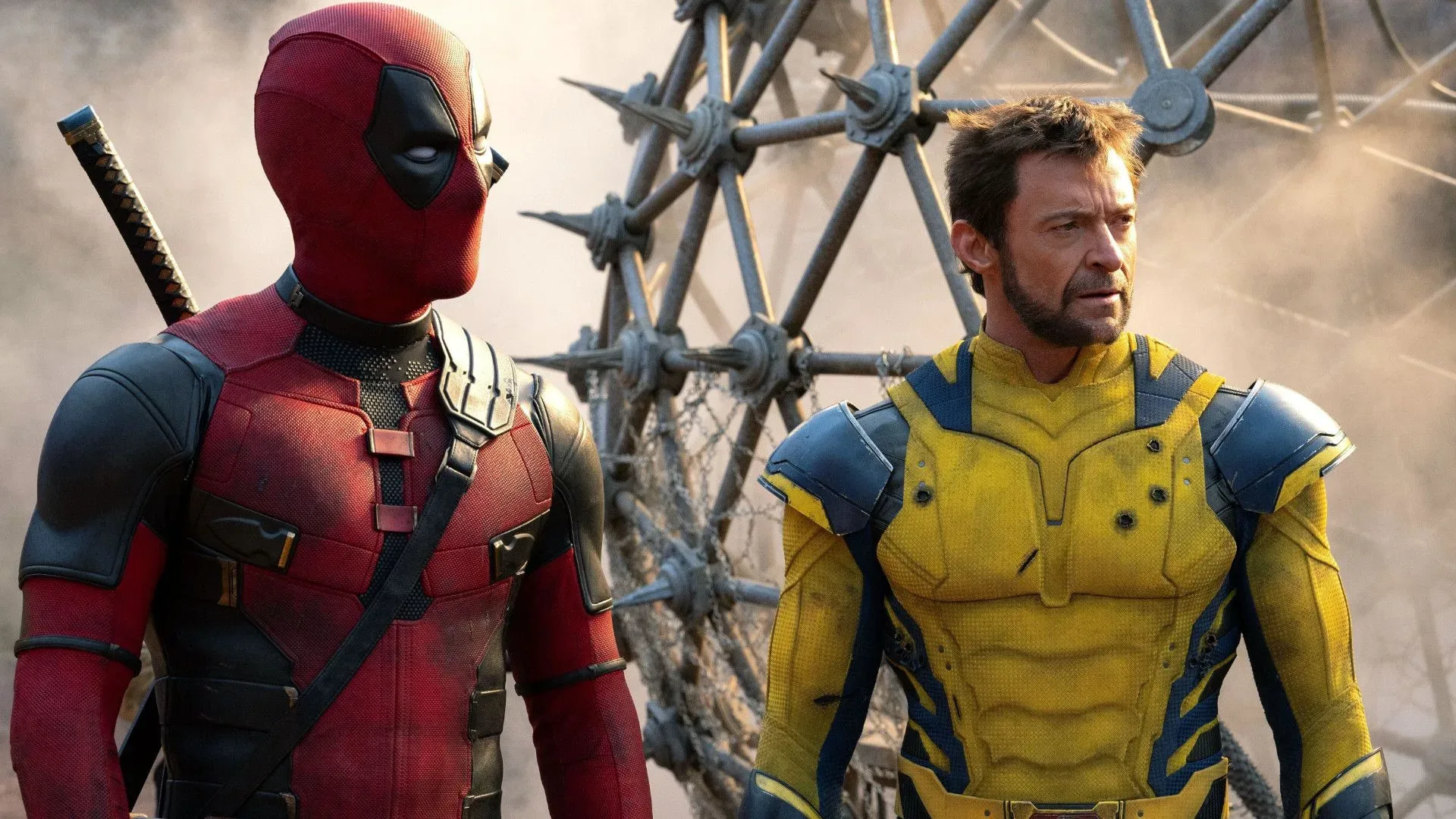
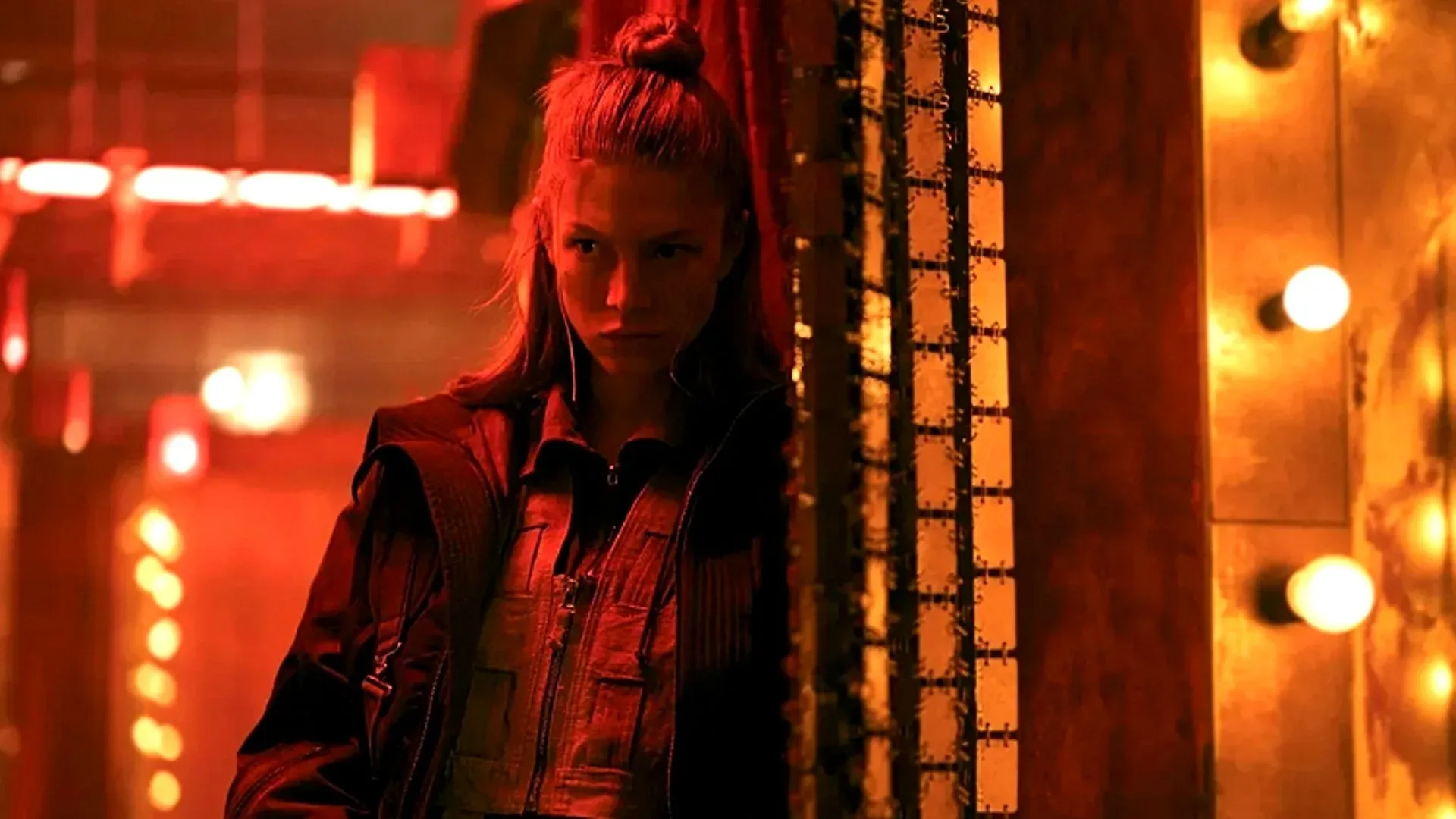
Hunter Schafer has signaled that she would be interested in playing Mystique in Marvel’s upcoming X-Men film, a role fans have frequently connected with the actor. The important qualifier is that this is not a casting announcement: Mystique has not been confirmed as cast, and Schafer’s comments amount to openness to the part rather than confirmation that discussions are underway.
Asked whether she would want to portray the blue-skinned mutant in director Jake Schreier’s take on the team, Schafer gave an unequivocal response:
“For sure. I thoroughly enjoyed action [in Blade Runner 2099]. I hope I get to do more action in the future no matter what it is so who knows? Whatever it is, I’m looking forward to it.”
It is an understandable match on paper. Schafer is known for playing Jules in Euphoria and, more recently, for an action-oriented role as a human turned Replicant spy in Blade Runner 2099. Still, a fan-cast is not a deal, and Marvel has not attached Schafer to the 2028 movie. For now, it is best treated as an actor expressing interest in one of the franchise’s most recognizable, complicated characters.
Why Mystique is such a demanding role
Mystique is Raven Darkholme, a mutant whose natural form is generally depicted with blue, scaled skin, vivid yellow eyes, and red hair. Her primary ability is shapeshifting: she can alter her appearance to resemble another person or being. That makes her a uniquely flexible character in an X-Men story, capable of operating as an infiltrator, a manipulator, an ally, or an adversary depending on the story.
There is one significant limitation to the ability described here: Mystique can imitate a target’s appearance, but not that target’s superhuman powers. In practical storytelling terms, that keeps shapeshifting from being an automatic answer to every conflict. Looking like a powerful mutant is not the same thing as wielding that mutant’s abilities.
Her powers also put performance at the center of the character. Mystique’s physical transformations are visually spectacular, but the human tension comes from identity and deception: who she is, who she is pretending to be, and what she wants from the people around her. That combination of action, transformation, and character work is likely part of why the role continues to inspire casting conversations.
Mystique first appeared in Marvel Comics around 1968 in Ms. Marvel #16. Over decades of comic-book stories, she has become one of the mutant corner of Marvel’s defining figures, particularly because she does not fit neatly into a single heroic or villainous box. An X-Men film can use that ambiguity to create suspicion within a young team or to give its heroes an adversary whose threat is not only physical.
A role with a prominent screen history
Mystique has already had two major live-action interpretations. Rebecca Romijn played the character in the Fox-era X-Men films beginning with 2000’s X-Men. Jennifer Lawrence later took over the role in the franchise’s 2010s reboot era.
That history means a future performer would inherit a part audiences already strongly associate with two distinct portrayals. It also gives Marvel room to approach the character differently as the X-Men enter the Marvel Cinematic Universe. A new version does not have to repeat the function Mystique served in previous films; the character’s central power and uncertain allegiances offer plenty of ways to reposition her within a different generation of mutants.
The prospect is especially interesting because the incoming film is expected to focus on a younger set of characters still learning to manage their gifts. That premise changes the texture of the traditional team dynamic. Rather than beginning with fully seasoned superheroes, this iteration appears positioned to explore the uncertainty that comes with powers emerging before the people who possess them know how to control them.
What is known about Marvel’s new X-Men lineup
X-Men is scheduled to reach theaters on May 5, 2028, and is intended to bring the team into the MCU proper. The stated setup points toward younger mutants receiving guidance from a younger Professor Charles Xavier, rather than simply recreating the established mentor-and-students model from prior films.
Sadie Sink’s Jean Grey has been cited as an indication that these mutants may be inexperienced with their powers. Jean Grey is a particularly consequential character for that idea: her abilities are often associated with exceptional psychic force, so lack of control could become a major element of the group’s early development. Beyond that broad direction, detailed plot information has not been established here.
The cast named so far includes:
- Christopher Abbott as Charles Xavier
- Maya Boyd as Storm
- Asa Germann as Angel
- Adam Driver as Mister Sinister
- Inde Navarrette as Rogue
- Samara Weaving as Emma Frost
Ben Wang is reportedly being considered for Bobby Drake, also known as Iceman, but that possibility is not set. In a franchise where even one character can fill several possible story roles, the distinction between confirmed casting and reported interest matters. Schafer’s Mystique comments belong even more firmly in the latter category: they establish enthusiasm, not participation.
The known group offers a broad range of mutant experiences. Xavier is the mentor figure. Storm, Angel, Rogue, Jean Grey, and a possible Iceman represent familiar members of the wider X-Men roster. Emma Frost and Mister Sinister, meanwhile, suggest that the movie could have powerful forces around the young team whose goals may not align with Xavier’s. Mystique would be a natural fit in that kind of environment, but no role for her has been confirmed.
Why Schafer’s action interest matters
Schafer’s reference to enjoying action work is more than a generic endorsement of blockbuster filmmaking. Mystique is a role that can demand a combination of close-quarters movement, stunt-driven set pieces, concealed motives, and rapid shifts in presentation. A performer does not merely play Mystique in her blue form; the character’s shapeshifting can require her to convincingly inhabit the intent behind an entirely different identity.
That is also why the character can be useful in an ensemble movie. A shapeshifter naturally creates uncertainty, and uncertainty gives a team story pressure. If a group of newly developing mutants is already struggling with control, trust can become just as fragile as their command of their powers. That is analysis of the premise, not a claim about the film’s plot, but it illustrates the storytelling leverage Marvel has if Mystique is included.
For audiences watching MCU casting take shape, patience is the practical takeaway. The project has a release date and several named performers, but its full roster remains incomplete. An actor saying yes in principle is not the same as a studio selecting that actor, and a reported casting possibility is not the same as a finalized deal.
Marvel’s wider Disney-connected screen slate continues to evolve in parallel, including projects outside the superhero space; Disney’s planned illusion shorts and Cardboard Wars addition to Disney+ are a separate example of that broader activity. For the X-Men specifically, though, the next meaningful development will be a formal confirmation of whether Mystique is part of the 2028 lineup—and, if so, who will take on Raven Darkholme.