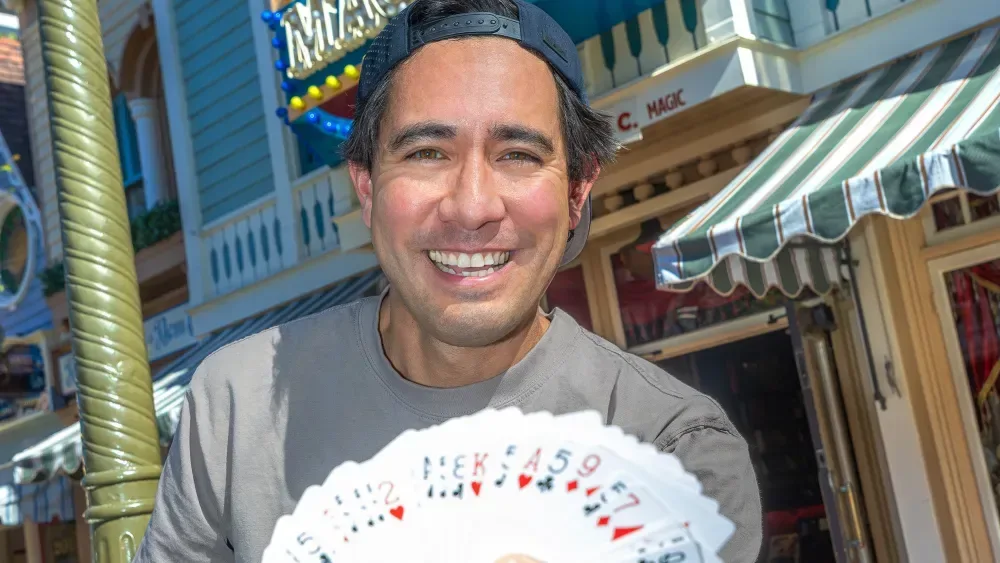
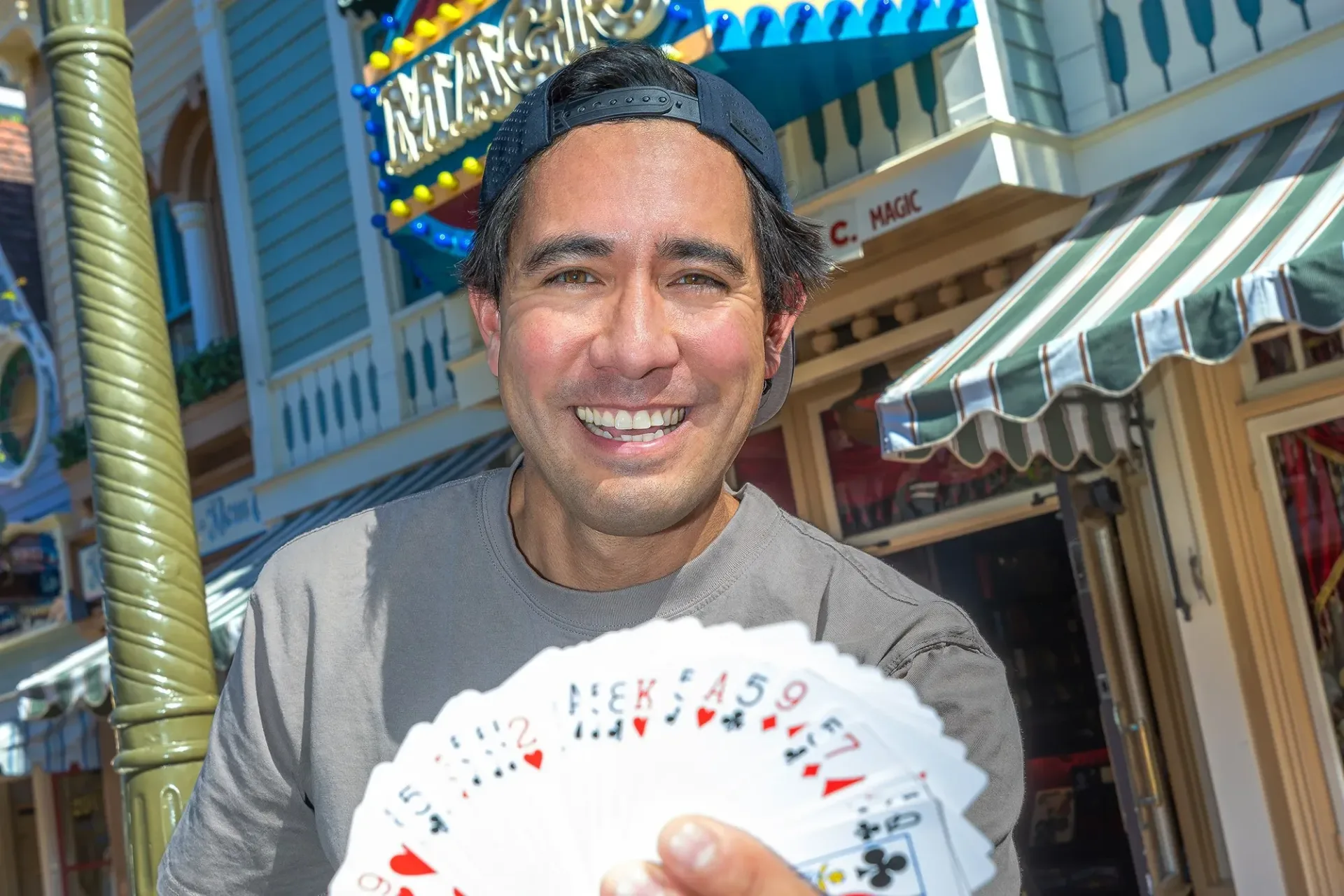
Disney is expanding its work with online creators through a new creative partnership with filmmaker Zach King, whose visual-effects-driven “digital sleight-of-hand” videos have reached a vast audience across social platforms. The arrangement calls for 10 original Illusion Shorts that Disney will distribute exclusively, including on Disney+.
For viewers, the immediate headline is straightforward: King’s particular style of compact, camera-led visual trickery is being applied to Disney-owned worlds. The longer-term significance is more interesting. Disney is framing the agreement as a creative relationship rather than a one-off branded promotion, pairing short-form entertainment with behind-the-scenes material that explains the filmmaking techniques used to create it.
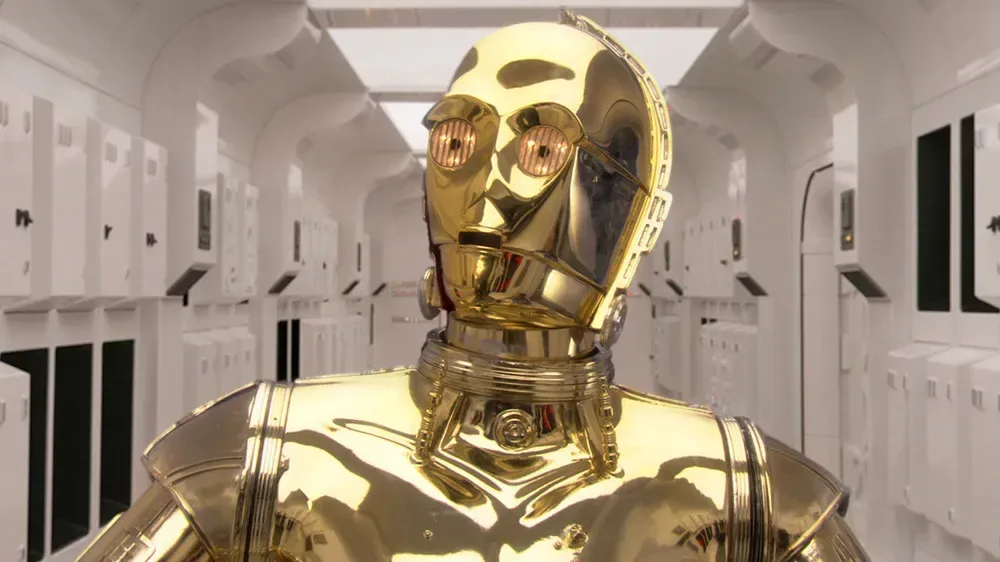
The first set of material is expected to draw inspiration from Hexed, which is scheduled for release on November 25, as well as Star Wars and other Disney films and experiences. The deal also brings King’s 52-minute fan-made Star Wars project, Cardboard Wars, to Disney+.
What Disney and Zach King are making
The agreement covers 10 original Illusion Shorts. “Shorts” here describes brief-form video work rather than a conventional short film release, while an illusion in King’s format generally means a carefully constructed on-screen effect that makes an impossible action appear seamless. His work is known for making ordinary spaces and objects behave in extraordinary ways through visual effects, staging and editing.
For more context, explore GTA 6 Performance Reportedly Holds Near 30fps on PS5 Pro and Series X, While Series S Can Dip Below 20fps.
Disney has not outlined individual episode plots, runtimes or release dates for the 10 videos. It has, however, identified the broad creative foundation: King’s signature illusion work will be used for new content connected to Disney properties and experiences. That leaves room for the pieces to function as self-contained visual gags, small story moments or theme-driven showcases, but those formats have not been specified.
Importantly, the deal does not limit the collaboration to Disney+. King will also make material for his own channels. That dual approach places the work in two very different viewing environments: a streaming service built around a catalog and individual creator platforms built around sharing, discovery and rapidly consumed clips.
Disney is additionally planning behind-the-scenes content for its social channels. This is not merely supplementary promotion. It is a distinct part of the project aimed at showing how King’s illusions are made, including the filmmaking and visual-effects work behind the finished videos.
Why the behind-the-scenes angle matters
Visual effects, often abbreviated to VFX, are imagery created or altered after and alongside live-action filming. In a short illusion video, VFX can work with practical staging, camera movement, prop design and editing to hide the handoff between what was physically filmed and what was digitally changed. The result is frequently strongest when an audience cannot immediately locate that handoff.
That makes the planned production material an especially logical companion to King’s work. An illusion short asks the viewer to enjoy the impossible result. A making-of video invites the same viewer to appreciate the craft: how a shot was designed, what was built, where an edit occurs, or how an effect was layered into a scene. Disney has said this material will offer a look at the filmmaking and visual effects that make the illusions possible.
There is a productive tension in revealing a trick. Explaining an effect can remove part of its mystery, but it can also replace that mystery with an understanding of skill and planning. For aspiring creators, that can be more valuable than a polished final clip alone. King has said that Disney movies and behind-the-scenes DVD featurettes influenced many of his early films, making the educational component notably aligned with the pathway he describes into filmmaking.
“There was always a sense of magic I would see on the screen,” King said, describing the influence of Disney films and DVD bonus material on his early work.
Disney’s stated ambition is to continue that filmmaking magic for another generation of storytellers. It is a sensible fit for a creator whose public identity has been built around showing a spectacular result, then occasionally opening up the method behind it.
Cardboard Wars gives the deal a longer-form component
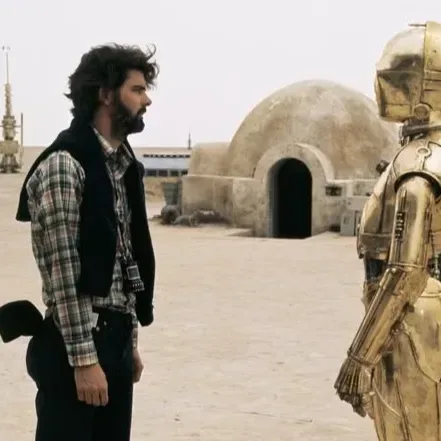
Alongside the new shorts, Disney+ will receive Cardboard Wars, King’s 52-minute tribute to the original 1977 Star Wars film, A New Hope. The project uses cardboard sets, props and costumes, translating a famously expansive science-fiction world into a deliberately handmade production style.
The film premiered on YouTube on August 14, 2026, where it has generated 3.9 million views. Its arrival on Disney+ gives the partnership a second format beyond ultra-short illusion videos: a longer project with a clear Star Wars connection and a physical, craft-forward aesthetic.
That distinction is worth noting. King is widely associated with visual effects, but Cardboard Wars also foregrounds material production. Cardboard scenery and costumes can make the construction of a world visible rather than concealing it. In that sense, the project complements the deal’s behind-the-scenes promise. Both point toward process, resourcefulness and filmmaking mechanics, even as they pursue different tones.
No Disney+ date for Cardboard Wars was provided. Nor were additional details given about whether its arrival will be coordinated with the Illusion Shorts or treated as a separate release.
A creator partnership, not simply a campaign
King is the CEO of Los Angeles-based King Studio and has more than 185 million followers across online platforms. His videos have accumulated billions of views worldwide. That reach is clearly meaningful, but the partnership is not being presented solely as a distribution deal that borrows an existing audience. Disney has characterized it as part of a wider shift away from isolated brand campaigns and toward longer-term creative partnerships with creators.
That distinction changes the role of the creator. A conventional campaign often places a personality beside a product or franchise for a limited promotional moment. A continuing creative partnership, at least in principle, gives that person space to make work in a recognizable voice while drawing on the company’s stories and platforms.
Disney chief marketing and brand officer Asad Ayaz described King as bringing both filmmaking ingenuity and fan passion to Disney stories, while emphasizing the company’s interest in giving creators room for their ideas to grow across Disney. The language signals that the company sees King’s method of storytelling as part of the appeal, not simply a delivery mechanism for familiar intellectual property.
Whether viewers experience the resulting videos as genuinely creator-led will depend on the work itself. The announced facts establish the number of shorts, the Disney distribution plan and the broad pool of inspirations. They do not yet reveal how much narrative continuity the videos will have, which characters or settings may appear, or how closely the individual pieces will connect to larger releases.
Part of a broader push into creator-led programming
King’s agreement sits alongside several other recent creator initiatives. Disney has an arrangement with TikTok that will bring select creator content to Disney+ beginning in December, timed around the December 18 theatrical release of Avengers: Doomsday. The company has also reached an initial 20-episode original-content order with Dhar Mann Studios.
Other partnerships include work with YouTube creator Like Nastya on an original animated preschool series and live-action children’s content, and an agreement with Dude Perfect spanning entertainment, sports, products and experiences. Taken together, these projects point to a strategy that is broader than recruiting individual influencers for social promotion.
Each partnership serves a different audience and format. Like Nastya is connected to preschool programming. Dhar Mann Studios is attached to a defined initial episode order. Dude Perfect’s deal reaches beyond video into sports, products and experiences. King’s project centers on visual illusion, practical filmmaking interest and a mix of Disney+ programming, creator-channel work and social production content.
For Disney+, the potential advantage is that creator-made work may arrive with its own built-in viewing habits. A traditional streaming release asks audiences to seek out a title in an app. Short-form creators often build an audience relationship through recurring formats, direct platform-native communication and instantly recognizable production styles. The challenge is preserving what makes that work feel native to the creator while giving it a meaningful home within a major entertainment brand.
What audiences can reasonably expect—and what remains unknown
The announced information supports a few clear expectations. Disney+ subscribers can expect original Zach King Illusion Shorts as part of the exclusive Disney distribution arrangement, and Cardboard Wars is set for a Disney+ debut. Fans can also expect behind-the-scenes posts on Disney social channels, plus related material on King’s own channels.
There are also firm creative reference points: Hexed, Star Wars, Disney films and Disney experiences. King’s established specialty suggests that the core attraction will be clever screen illusions rather than a conventional behind-the-scenes documentary or a standard franchise tie-in.
But many practical questions remain open. Disney has not announced a release schedule for the shorts or Cardboard Wars, a complete list of the franchises involved, or where each creator-channel video will appear. It also has not detailed how the behind-the-scenes material will be packaged or how directly it will correspond to particular Illusion Shorts.
For now, the appeal is in the combination: a creator famous for turning visual-effects craft into accessible, bite-sized spectacle; Disney properties with deep visual identities; and an explicit effort to let audiences see part of the work required to make an illusion land. It is a partnership built around the old entertainment promise of movie magic, but with the process increasingly visible beside the finished trick.