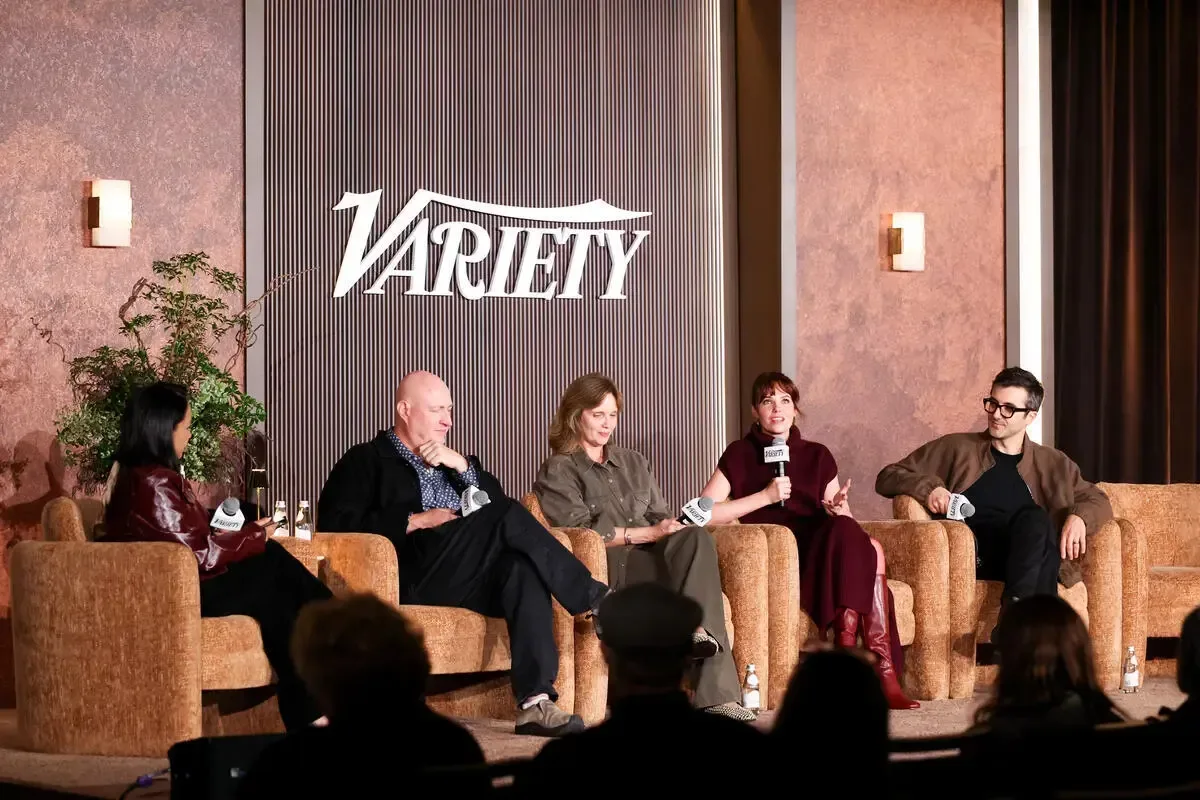
Blade Runner 2099 is stepping into a future built on mystery, and its creative team went back to the person who helped define that mystery in the first place. Showrunner Silka Luisa says she sought guidance from Ridley Scott while writing the Prime Video limited series, using the original Blade Runner director’s perspective to navigate questions the franchise has intentionally left unresolved.
The new show arrives November 25 and is set 80 years after the 1982 film. That distance gives the production room to tell a new story, but it also raises a difficult franchise-writing problem: how do you extend a fictional world when some of its most important foundations were designed to remain ambiguous?
Luisa’s answer was to ask Scott. He directed the first film, serves as an executive producer on Blade Runner 2099, and was also an executive producer on 2017’s Blade Runner 2049. That gives him an unusually direct creative connection across all three live-action projects.
An intentionally incomplete world needs interpretation
Luisa described Scott’s input as essential when she began working through the setting’s history. Her questions reached beyond simple continuity checks. They concerned the meaning of “Off-world,” the origins of Replicants, and Scott’s conception of the Tyrell corporation and its founder.
“I needed the Bible for our show, and that was Ridley,” Luisa said.
In franchise development, a “bible” generally means a shared reference document or body of creative guidance that establishes the rules, characters, history, terminology, and tone of a fictional setting. It is meant to help writers and other creators keep a project consistent. Luisa’s description is notable because it does not suggest that Blade Runner arrived with one fixed, exhaustive canon document available to every future production. Instead, Scott’s own perspective became a key point of reference.
That distinction matters. The original film leaves much beyond the frame. Its world is evocative precisely because viewers are not handed full explanations for every institution, place, or historical event. “Off-world,” for example, evokes settlements beyond Earth, but the supplied details do not establish a definitive onscreen blueprint for what those places are like. Replicants, meanwhile, are synthetic humans central to the setting, but Luisa’s questions show that even their deeper historical context needed discussion while building a series set decades later.
Ambiguity can be a creative strength: it invites audiences to infer a bigger world than the story directly shows. It can also make expansion challenging. A new project must decide which gaps to preserve, which to explore, and which implied details need to become concrete in order for a plot to function. Those decisions can affect everything from character motivations to the political structure surrounding the leads.
Related coverage includes Blade Runner 2099 Built Its Canon Questions Around Ridley Scott.
What canon means in Blade Runner 2099’s case
Canon is the collection of story elements treated as authoritative within a fictional universe. It can include events, characters, institutions, technologies, and rules established across films, television, books, games, or other media. Some large franchises appoint a dedicated group to oversee canon. The Blade Runner setting, by contrast, does not have a single identified authority operating in that way.
That means individual creative teams have more responsibility when they add to the world. It also means a direct conversation with Scott carries particular value. Rather than treating every unanswered question as an error to be corrected, Luisa could ask the filmmaker behind the original work what he imagined—even where the film itself chose not to spell it out.
Scott’s role does not turn every past ambiguity into a public, exhaustive rulebook. The value for the production is more practical: it gives its writers a foundation for internal decisions. Viewers may never need to hear every answer that informed the show, but a shared understanding can help its setting feel coherent when the story references older institutions or introduces the consequences of decades of change.
It is also worth separating creator intent from what an audience has explicitly seen onscreen. Scott’s answers can inform Blade Runner 2099’s construction, while the series itself will still be judged by what it puts into its eight episodes. A useful expansion should not require viewers to know every behind-the-scenes discussion. It should communicate the information necessary for its own characters and stakes.
A standalone story, not a direct 2049 continuation
Blade Runner 2099 is not described as a direct continuation of Blade Runner 2049. It will not directly pick up that film’s events and has been designed to stand on its own. That approach makes sense for a story positioned so far forward in the timeline: it can respect the larger world without making prior-film homework the price of admission.
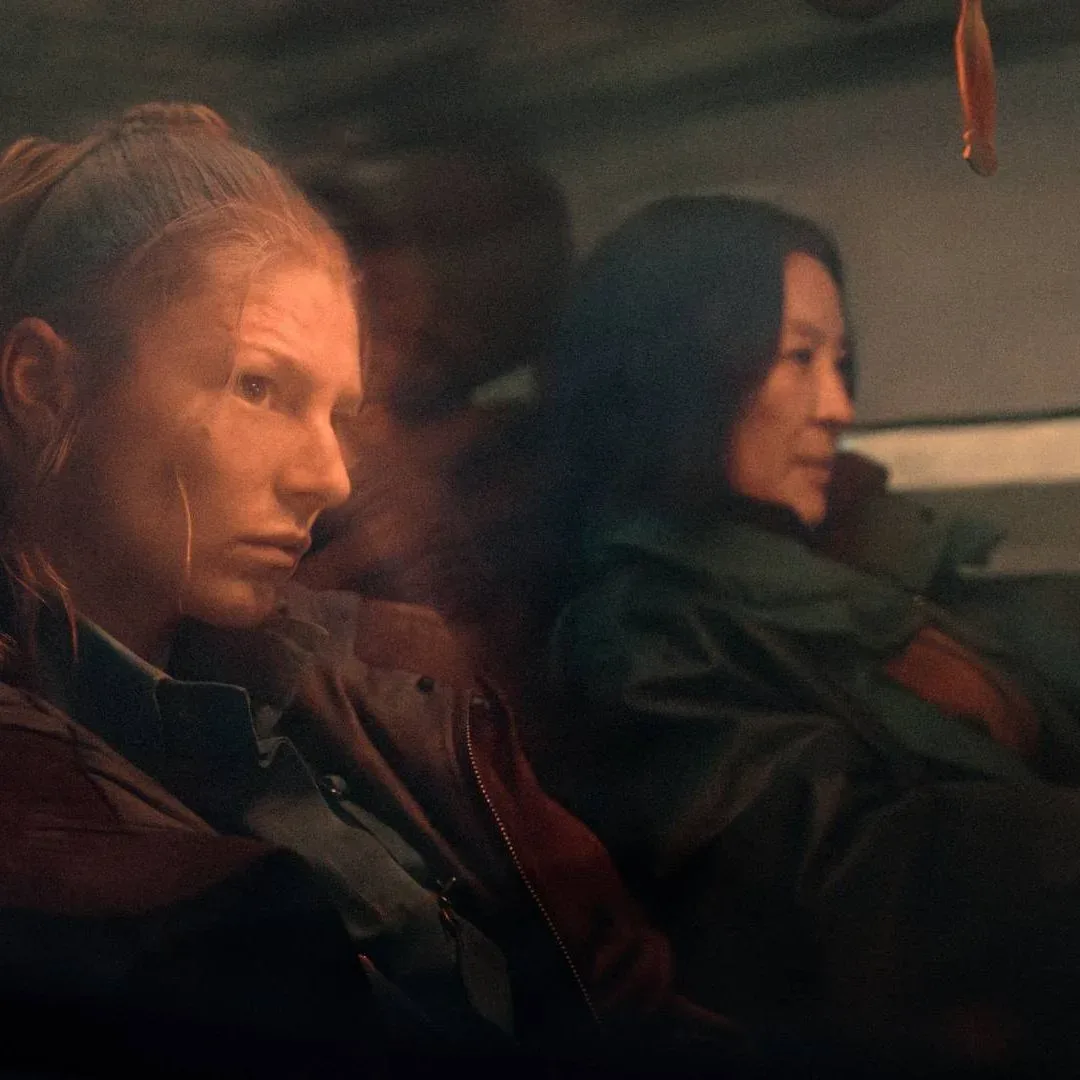
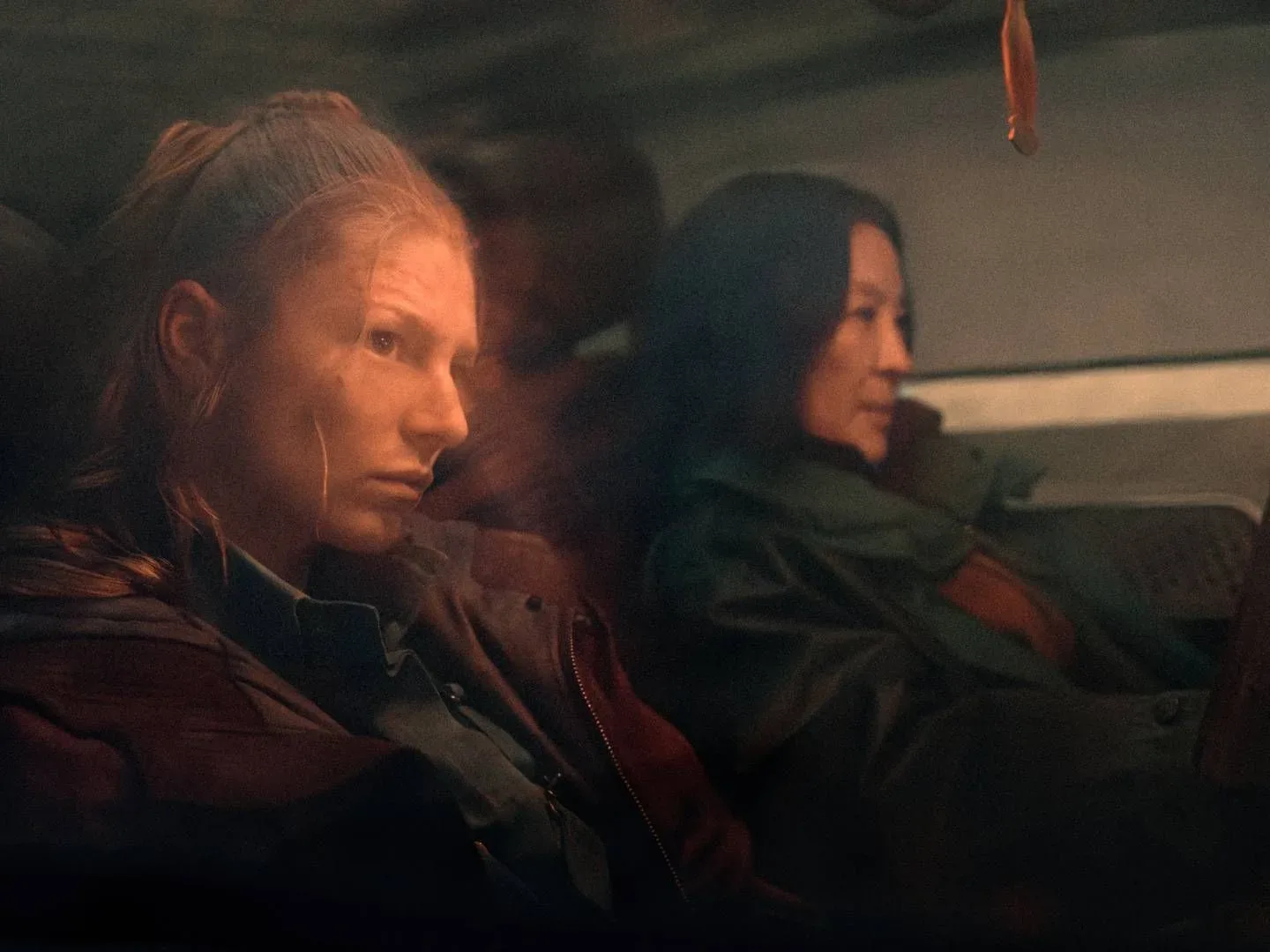
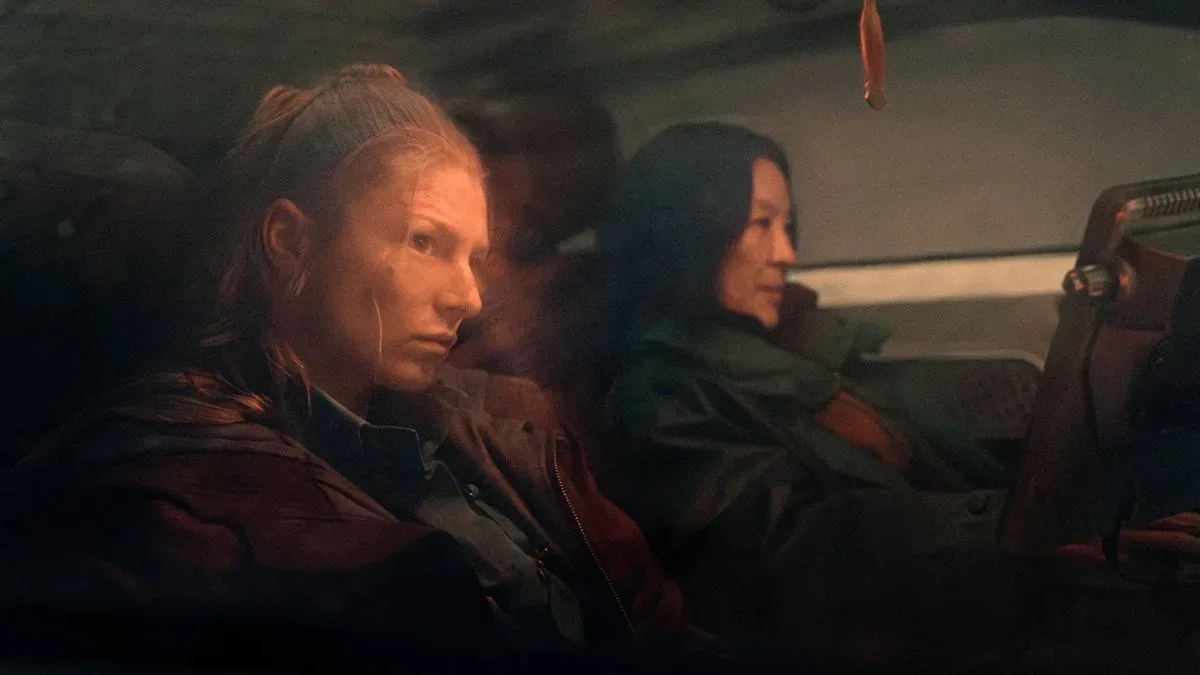
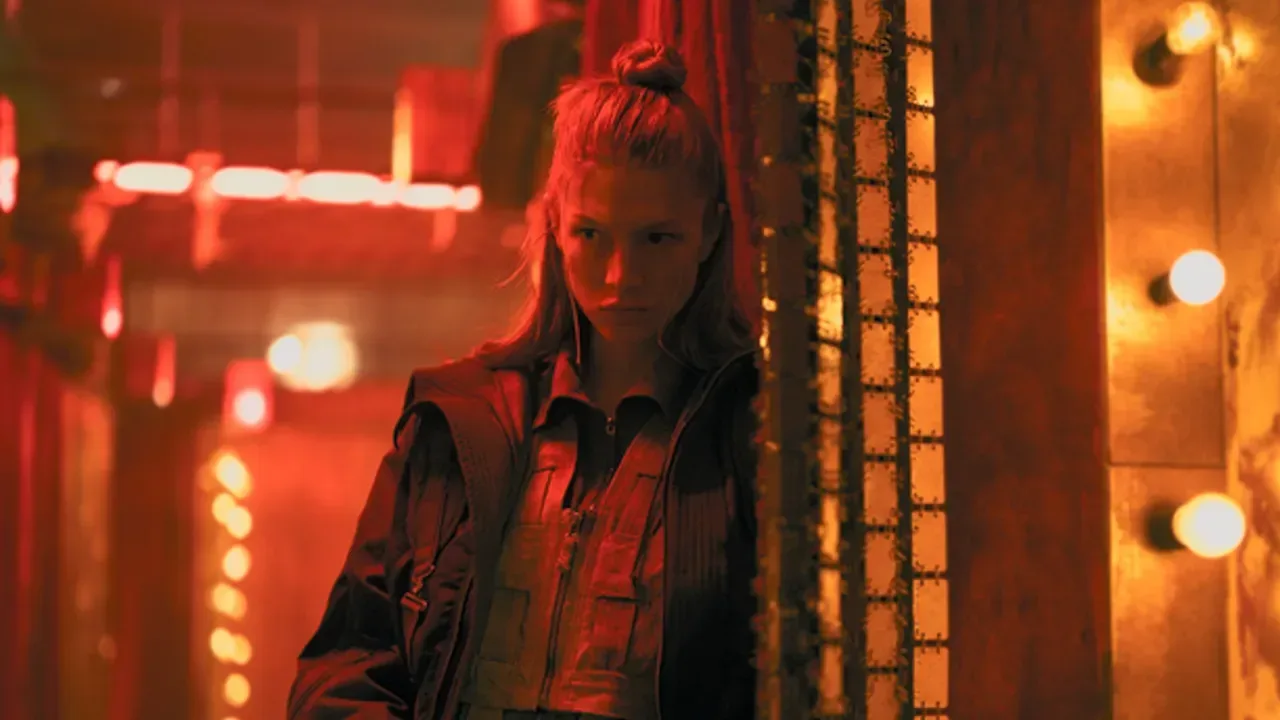
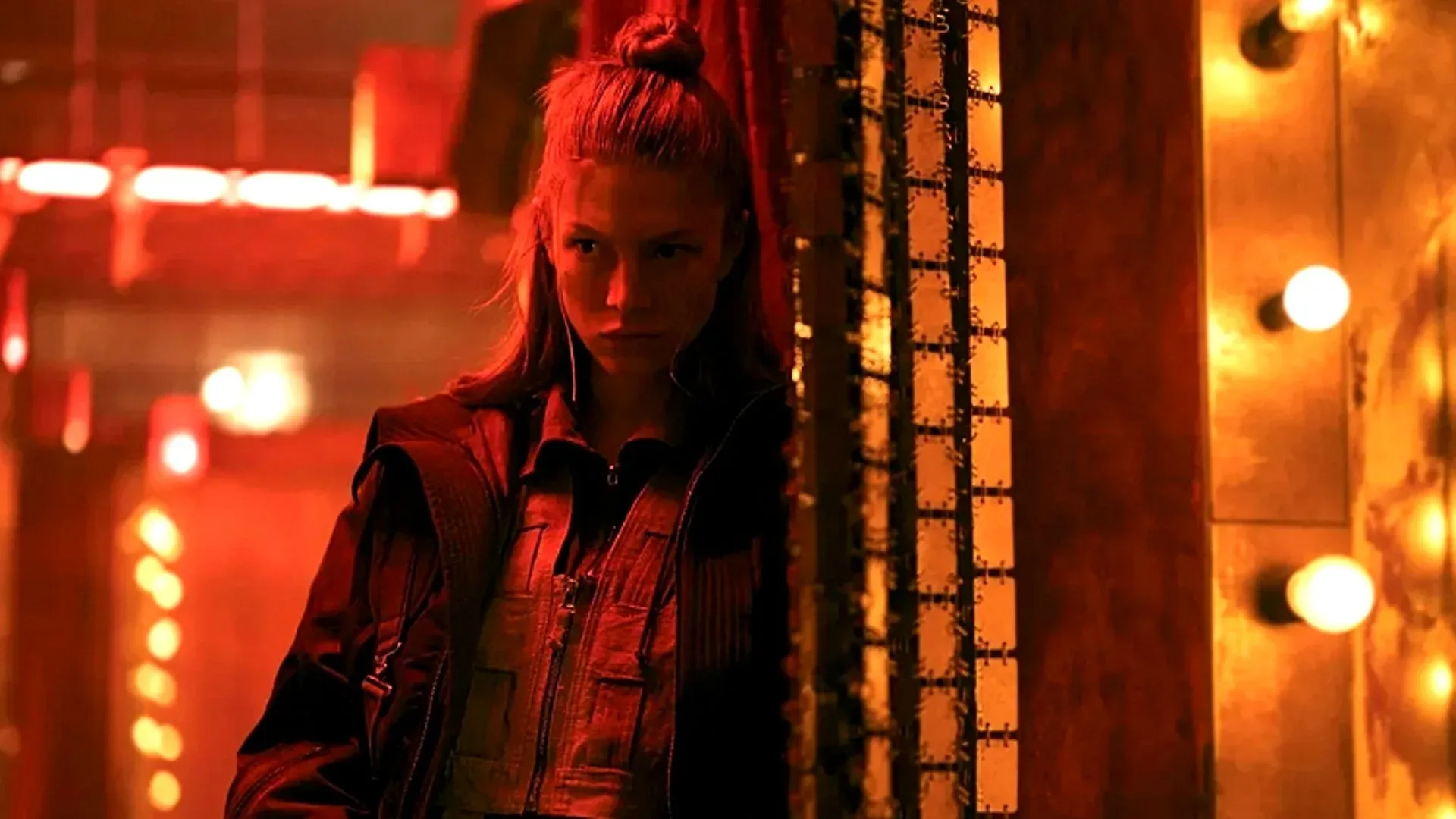
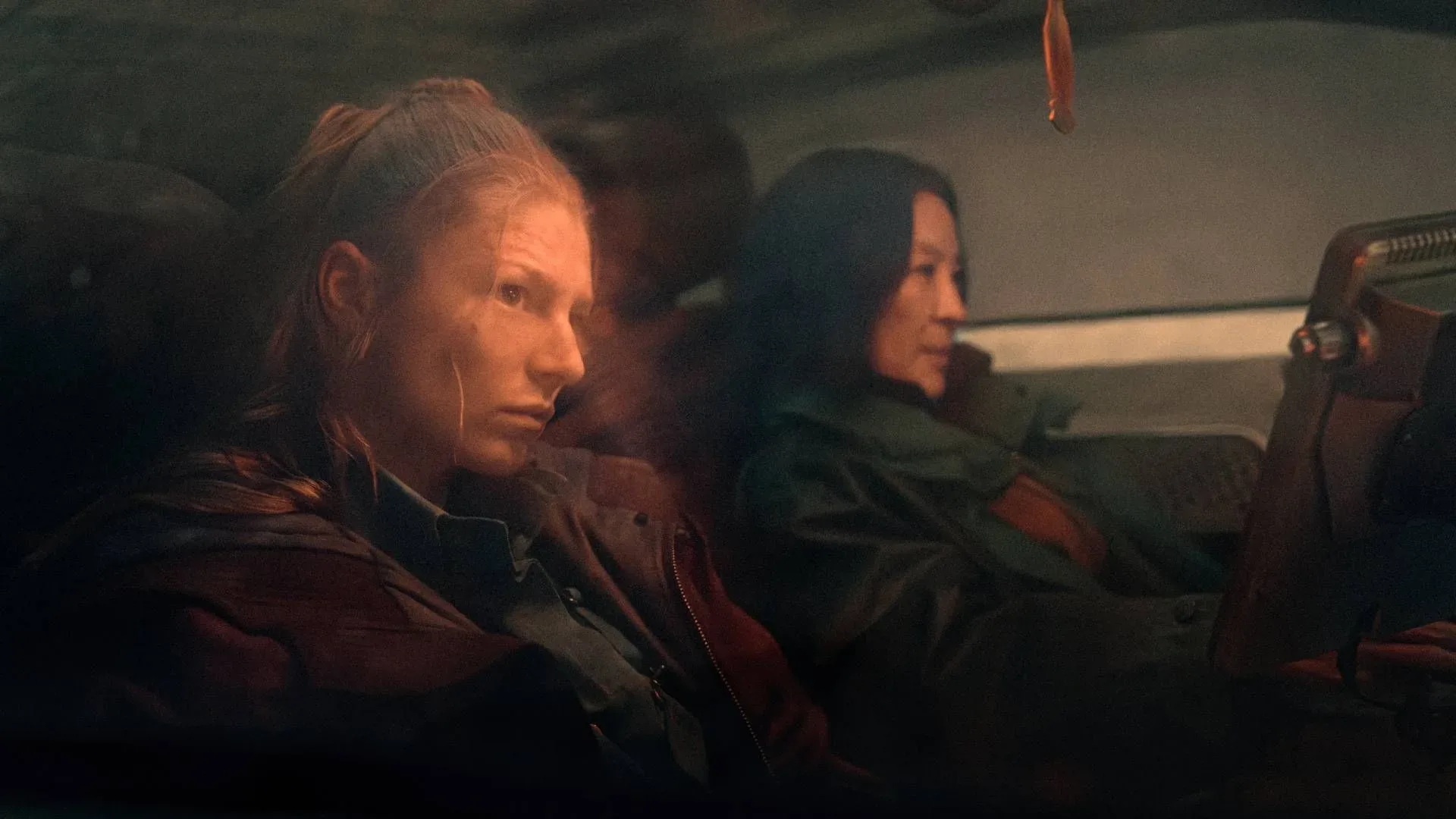
The supplied premise puts the series in the aftermath of a Replicant revolt. In this version of the future, synthetic humans have risen to power and humans have been subjugated. Michelle Yeoh plays Olwen, a Replicant, while Hunter Schafer plays Cora, a human. Cora’s story involves going undercover at the LAPD in an effort to secure freedom for herself and her brother.
Those details establish a sharp reversal of power that gives the show its own dramatic territory. The original premise of Blade Runner centers on humans pursuing Replicants; the new series is positioned in a world where the relationship between those groups has changed drastically. The important implication is not merely that the timeline has advanced. The institutions and social hierarchy surrounding the characters have changed with it.
For Cora, the undercover LAPD setup creates an immediate personal objective: freedom for her and her brother. For the larger franchise, it gives the show a familiar point of contact—the Los Angeles Police Department—while placing that institution inside a substantially altered society. The material provided does not reveal how the LAPD operates in 2099, how Cora gains access, or what role Olwen plays in her mission. Those are story questions the series itself will need to answer.
Why Scott’s guidance is relevant to this premise
A major status-quo shift like a Replicant revolt risks feeling detached from the franchise if it is treated only as a convenient backdrop. Scott’s input could help the series connect its future conflict to the setting’s older building blocks: Replicants, corporate power, the meaning of life beyond Earth, and the human systems that shape who has freedom.
That does not mean the show must explain every intervening decade between 1982 and 2099. In fact, Luisa’s comments suggest the production understands that unanswered questions are part of the property’s DNA. The creative challenge is to provide enough clarity for a new political order to feel legible, while preserving the noir-like uncertainty that has made the setting durable.
There is a practical benefit for newcomers, too. A standalone limited series can use its own protagonist, conflict, and time period as an entry point. Longtime fans may look for continuity in the terminology, atmosphere, and treatment of Replicants. New viewers need a complete narrative that establishes what is at stake for Cora without relying on a detailed memory of previous films.
An eight-episode limited series with larger franchise questions nearby
The show is billed as an eight-episode limited series, making a second season appear unlikely on the information currently available. That label generally indicates a story designed with a defined run rather than an open-ended seasonal structure. It does not by itself reveal the ending, but it suggests viewers should expect the central arc to be contained within these episodes.
At the same time, the broader property may have another future beyond television. Alcon Entertainment has suggested that a AAA Blade Runner video game is in the works. “AAA” is an industry term usually used for large-scale games with substantial development resources and commercial ambitions; beyond that suggestion, no specific gameplay, platform, release timing, or developer information is established here.
That possibility reinforces why franchise continuity discussions matter. Film, television, and games can each tell distinct stories, but shared terminology and foundational assumptions become more important when a fictional setting expands across formats. The most useful lesson from Luisa’s comments is not that every mystery needs one public answer. It is that a world as open-ended as Blade Runner still benefits from creators knowing which questions they are answering and why.
For more screen-industry development news, see Teyana Taylor’s group-chat dating comedy entering early development.
Blade Runner 2099 releases in full on Prime Video on November 25. Its final trailer is available now.