Adapting a known property for television is not a matter of transferring a plot from one format to another. The writers behind Cape Fear, Blade Runner 2099 and American Hostage outlined three versions of the same central challenge: audiences may arrive with expectations, but a limited series still needs a reason to exist beyond recognition.
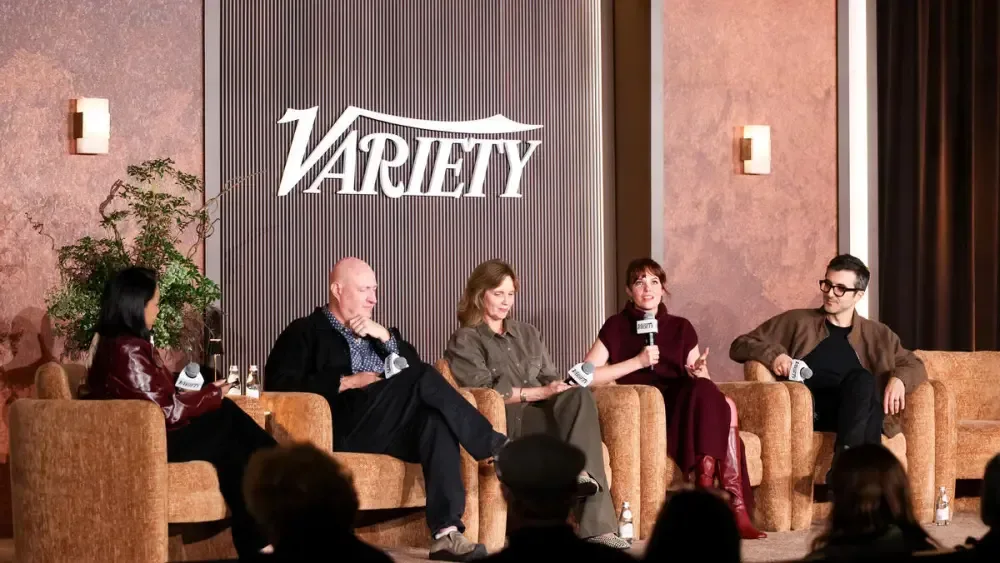
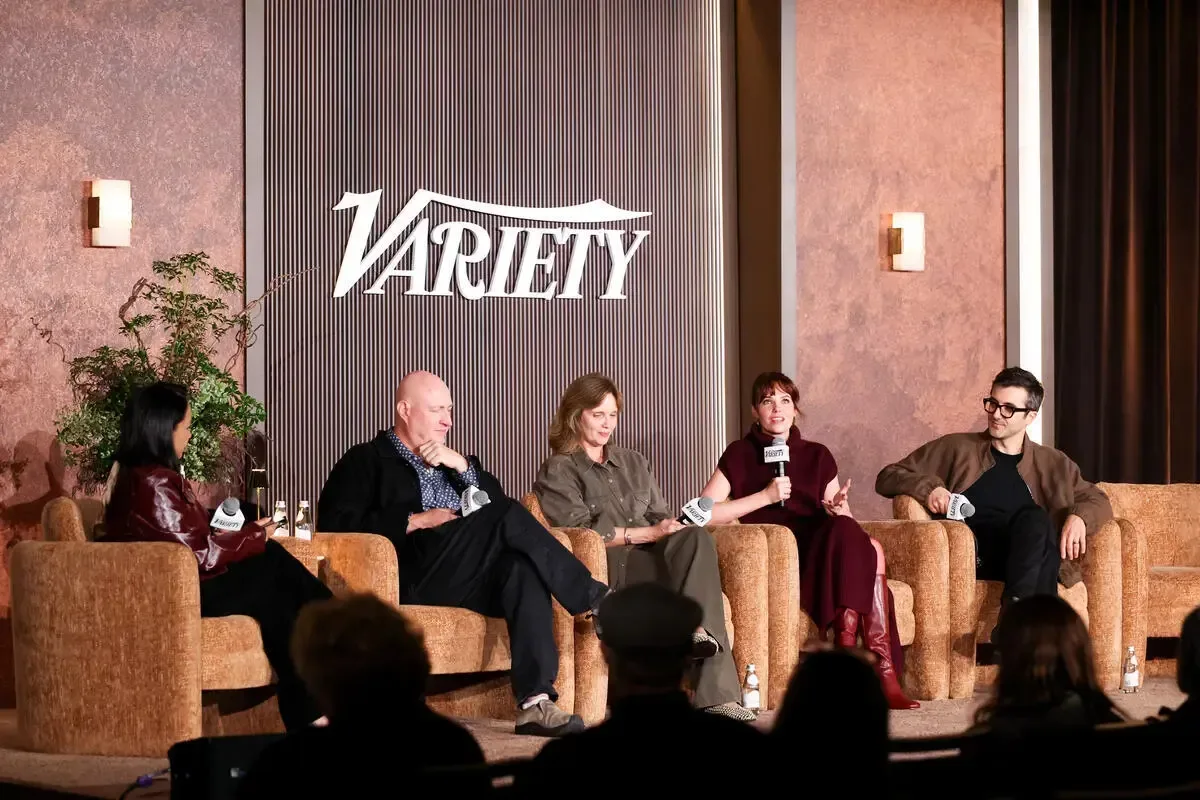
At a recent writers’ panel, Nick Antosca, Silka Luisa, Shawn Ryan and Eileen Myers discussed their approaches to established material. Their projects draw from very different starting points: Cape Fear follows two earlier film adaptations; Blade Runner 2099 returns to an established science-fiction world set 50 years in the future; and American Hostage is based on a real event from 1977. Yet the conversation repeatedly came back to the same idea. An adaptation needs to preserve the emotional or thematic ingredients people recognize while finding room for a new perspective, a new structure and new collaborators.
For Cape Fear, familiarity is only the starting point
Antosca described adaptation less as a faithful replay than as the unsettling aftereffect of experiencing the earlier work. His image was a nightmare after seeing the original: certain vivid elements survive, but they combine with unexpected material and produce something at once recognizable and strange.
That is a useful distinction for a property such as Cape Fear, which has already been adapted twice for film. A new version cannot rely solely on the appeal of seeing familiar material again. It has to determine which pieces remain essential—whether that means a particular tension, fear or moral pressure—and which elements can be transformed for a new story.
The approach does not suggest discarding the past. Rather, it treats prior versions as part of the audience’s memory of the project. That memory can become creative material. Antosca pointed to the first episode title, “Fingers & Toes,” which refers to a disturbing passage in the 1962 film in which Robert Mitchum’s character talks about cutting off children’s fingers and toes. The title is a small but pointed connection: it is not simply a recap of an old scene, but it signals that the new series understands the menace embedded in the earlier film.
Episode names can carry more weight than viewers may initially notice. They can establish a mood before an episode begins, offer an allusion for longtime fans or preserve an idea that otherwise lives outside the finished scene. In this case, “Fingers & Toes” functions as an Easter egg—a deliberately placed reference for attentive viewers—while also setting an ominous tone.
Blade Runner 2099 has to add to a world, not just occupy it
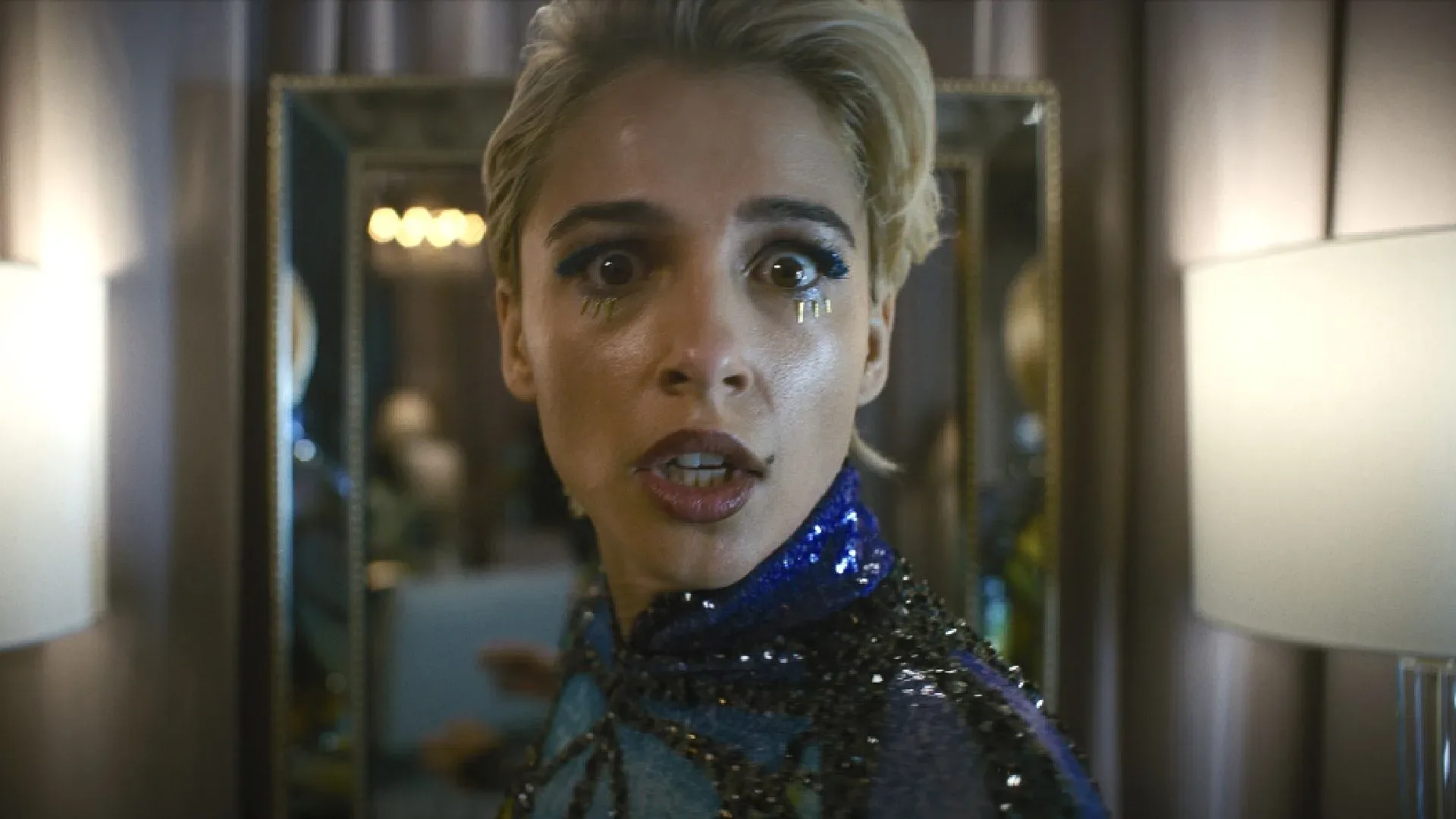
Luisa’s challenge on Blade Runner 2099 is different in detail but similar in principle. The project is set 50 years into the future and works within a franchise with an established world. The pressure in that situation is twofold: the series must feel connected to the setting people know, while also having an identity that belongs to its own story.
World-building is the key technical term here. It means the process of establishing the physical, social and visual rules of a fictional environment: what places look like, how people move through them, what technologies or institutions shape daily life, and what the audience can understand without a character spelling it out. For a visually driven science-fiction series, those choices are not merely decorative. They communicate story.
Related coverage includes Limited Series Creators on Adaptation, Research and the Writers’ Room.
Luisa emphasized that she finds it difficult to write a scene without understanding the world surrounding the characters. That view treats setting as an active part of the screenplay rather than a backdrop added after the dialogue is finished. A conversation plays differently depending on its surroundings; a character’s choices can be clarified or complicated by what the viewer sees around them. The narrative, in other words, can emerge from elements outside spoken lines.
This is also why collaboration with department heads was central to the work. Department heads, often shortened to HODs, lead individual production departments. In the context described by Luisa, they were craftspeople from around the world who interpreted the written material through their own disciplines. Their work helps turn an idea on the page into a screen world with texture, space and visual meaning.
That process is worth separating from the common assumption that writing is completed before production begins. The script supplies the plan, but a show’s final storytelling is shaped by the people who realize that plan. Production design, costume, photography and other departments can all affect how viewers read a location, character or moment. Luisa’s description of seeing each collaborator’s “little voice” in the finished work captures an important reality of television: authorship may begin with writing, but screen storytelling is collaborative by nature.
The same kind of audiovisual construction can be crucial when a story asks viewers to experience a character’s perspective through more than exposition. For another example of screen craft built around sensory point of view, see how Tuner uses Dolby Atmos to place audiences within Niki’s hyperacusis.
American Hostage faces the distinct responsibility of real events
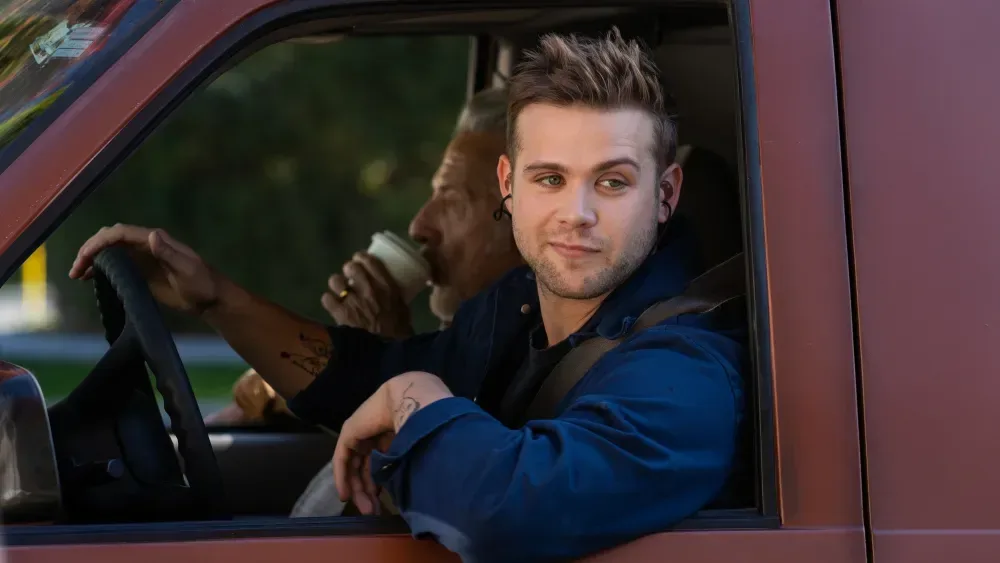
American Hostage presents a third kind of adaptation problem. It is rooted in a true story from 1977, which brings an obligation to distinguish documented history from dramatic invention. Ryan said the team conducted extensive research using 911 calls, newspapers and court documents. Those materials create a factual framework, but they do not necessarily record every private conversation, internal thought or missing moment required to build a television narrative.
That gap is where creative judgment enters. Ryan described the goal as telling an honest story grounded in the available facts while making decisions about details that cannot be known. This is not the same task as adapting fiction. With fictional source material, writers may debate how much to retain from an original plot or character. With a true story, the additional question is how to dramatize uncertainty without presenting speculation as if it were a verified record.
Research therefore serves more than a fact-checking role. It can help writers understand chronology, language, institutions and the public record surrounding events. But documents have limits. A 911 call records what was said on that call; a court document records what entered a legal process; a newspaper can show what was reported at a particular time. None automatically provides a complete account of every experience involved. The writers’ stated approach recognizes both the value and the boundaries of the evidence.
The series’ episode titles extend the research into the structure of the show. Each episode is named for commercials and advertisements that aired on WIBC in real life. That detail gives the titles a period-specific connection rather than treating them as detached slogans. It also demonstrates how an adaptation can use archival texture in ways that do not require interrupting the narrative to explain themselves.
The writers’ room is a creative system, not a collection of résumés
The panel’s most broadly applicable observations concerned the writers’ room. A writers’ room is the collaborative group responsible for developing a television series’ stories and scripts. Its work can include breaking a season’s plot, mapping episodes, developing characters, revising scenes and solving problems that emerge as the show takes shape.
Ryan said his first principle in staffing a room is identifying where he needs help. That means recognizing personal weaknesses and seeking writers whose experiences and perspectives fill gaps. It is a practical philosophy, but it also challenges the notion that the ideal room is one where everyone approaches story in the same way.
Myers framed the room as a group sharing the same risks and outcomes: everyone rises or falls together. Her emphasis on the best idea winning, along with an openness to the experiences people bring, describes a workplace culture where disagreement can be useful rather than destructive. The condition is that contributors can offer ideas without every failed pitch becoming a personal loss.
Antosca used a band as the metaphor. A successful room needs people with distinct roles: someone with an instinct for a particular character, someone who brings humor, someone whose knowledge covers a specialized subject. The point is not that writers must be limited to a single function. It is that a group benefits when its members contribute different strengths and can combine those strengths effectively.
Chemistry is the less measurable part of that process. A room can include talented people and still fail to function if its members do not communicate well, cannot challenge one another productively or lack enough trust to take creative risks. Antosca’s “wrong alchemy” point is a reminder that staffing is not only about individual ability. It is about whether the group can make a coherent show together.
Why department heads become close storytelling partners
The writers also stressed that the room is only one layer of collaboration. Once a script moves into production, department heads become essential creative partners. Antosca described the value of finding collaborators with whom a creator has shorthand: a shared understanding that can make complex choices clearer and faster without flattening the work.
That shorthand should not be confused with everyone doing exactly what one person says. In the account of Blade Runner 2099, individual craftspeople interpreted the writing differently. The value lies in those informed interpretations being brought into a common production, where the separate contributions become part of one screen world.
Luisa also connected this collaboration to the value of human craftsmanship at a time when its role is being questioned. Her observation is not a claim that technology has no place in production. Instead, it identifies what can be seen in collaborative creative work: decisions made by people with particular skills, judgments and perspectives. In a visually rich series, that human contribution is part of the storytelling viewers receive, whether or not they can identify the individual department behind every detail.
What these adaptation approaches have in common
The three projects begin from distinct kinds of material—earlier films, a major science-fiction franchise and a real event—but the discussion makes clear that no universal adaptation formula exists. Cape Fear is concerned with carrying forward a haunting emotional residue without repeating prior versions. Blade Runner 2099 must make an inherited world feel both connected and newly inhabited. American Hostage has to balance extensive documentation with honest acknowledgment of what remains unknown.
Still, several shared principles emerge. Writers need a clear answer to what the new version contributes. They need collaborators whose perspectives and skills broaden the work. And they need to treat production departments as narrative partners, especially when environment and sensory detail tell as much story as dialogue.
For audiences, the result may be most visible in seemingly small choices: an episode title that points back to an earlier film, advertisements that anchor a true-story drama to its historical setting, or a science-fiction scene whose meaning depends on the world around the actors. Those details are not separate from adaptation. They are part of how a new series makes a familiar premise feel like its own work.