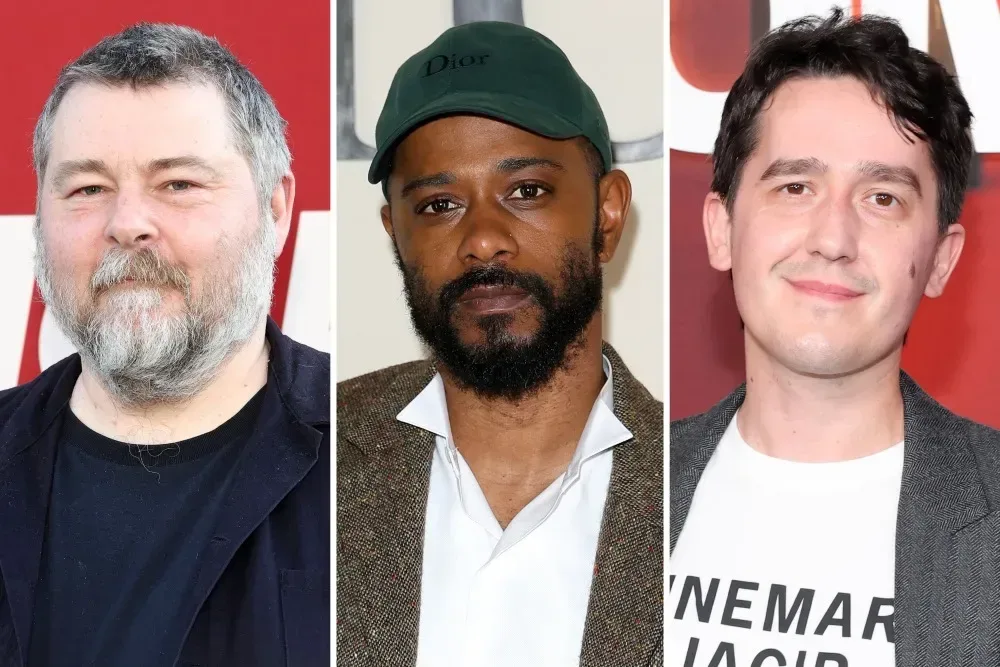
Smile 3 is in development, but the horror series is changing hands behind the camera. Parker Finn, the writer-director who guided the first two Smile films, is attached to the third entry as a producer rather than director. David Bruckner is set to direct, while Nick Antosca is writing the screenplay.
That is a meaningful creative handoff for a franchise whose first two chapters were closely associated with Finn’s sensibility: an intimate, escalating nightmare built around an unnerving smile and a curse that turns witnesses into the next links in its chain. Finn has reportedly provided the framework for the planned trilogy finale, so the next film is not being presented as a total reset. Still, Bruckner and Antosca will be responsible for translating that framework into the movie audiences ultimately see.
Details beyond the core creative team remain scarce. There is no confirmed release date, cast list, plot outline, or indication of which characters may return. For now, the clearest takeaway is simple: Smile 3 is moving ahead, and it will do so with a new director and writer steering the final chapter.
What the change means for Smile 3
Calling Finn a producer does not automatically reveal how much day-to-day creative involvement he will have. A producer credit can cover many different levels of participation, from helping shape a project early to overseeing key decisions throughout production. The information available establishes that Finn pitched the trilogy’s framework, but it does not define his continuing role beyond producing. It would therefore be premature to assume either that he is creatively absent or that he will direct the movie indirectly.
What is clear is that director and screenwriter are distinct jobs, even when one person handles both, as Finn did on the earlier films. The director leads the film’s overall screen execution: performances, visual language, rhythm, atmosphere, and the way scares unfold from scene to scene. The screenwriter builds the script’s narrative architecture, including characters, scenes, dialogue, and plot mechanics. In Smile 3, those responsibilities will belong to Bruckner and Antosca respectively.
That division creates both continuity and uncertainty. Finn’s foundational idea remains part of the project through his reported trilogy pitch, which suggests a through-line from the first two films. But horror franchises can feel dramatically different when a new creative team interprets their rules, imagery, and tone. The central question is not whether the third film will have a different authorial touch—it almost certainly will—but how closely it will retain the specific tension that made the first two entries work for viewers.
The curse is built to expand
Spoilers for the premise and ending implications of the first two Smile films follow.
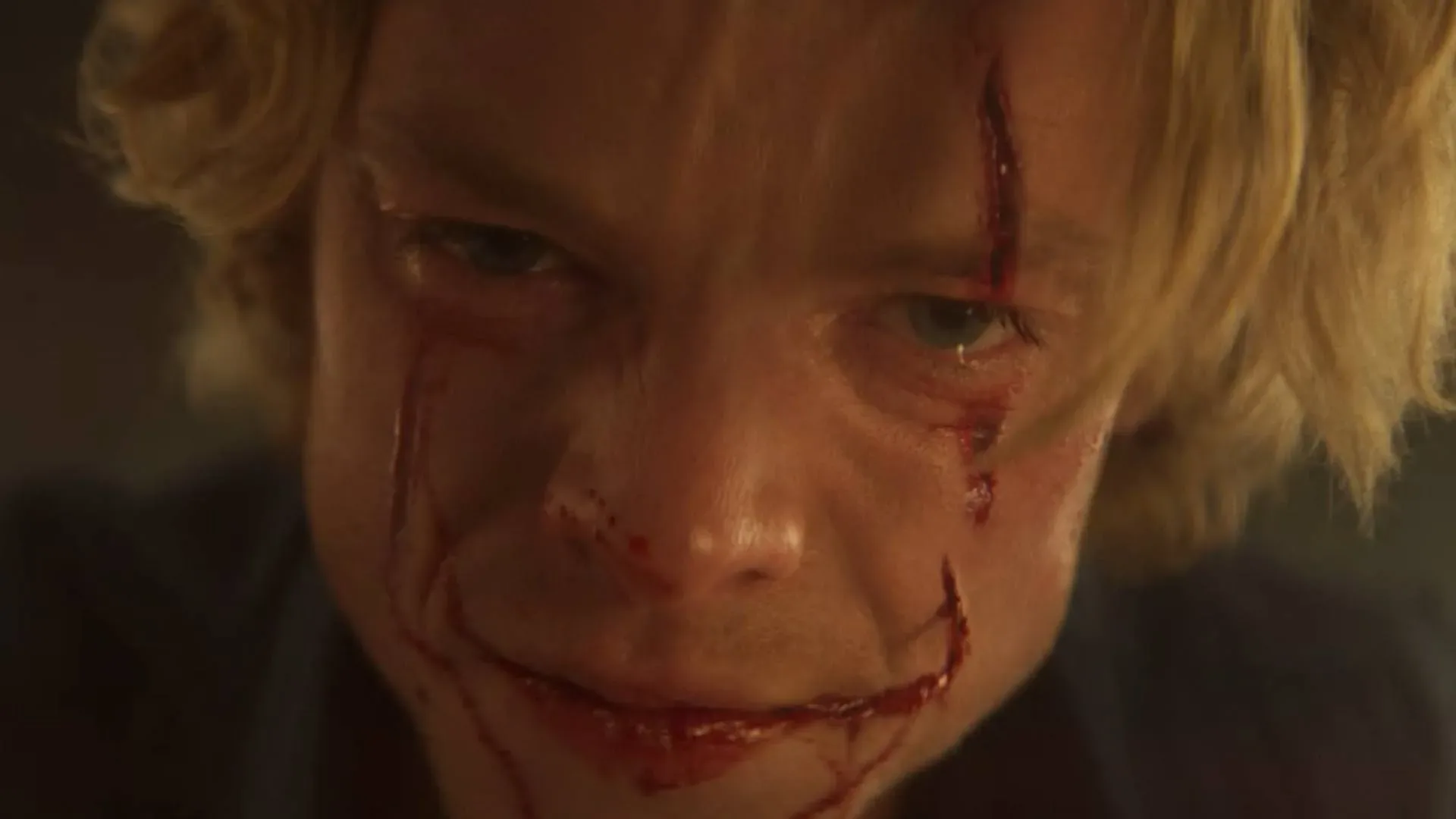
The franchise revolves around a supernatural curse associated with its grotesque, fixed grins. Its rules are central to the series’ horror: the curse can be broken only when its afflicted victim murders someone in front of a witness. That witness can then become part of the curse’s continuing cycle.
This is more than a piece of lore designed to explain jump scares. It is a narrative engine. The condition forces afflicted characters toward an appalling moral choice, while the presence of witnesses means each attempt to escape carries the risk of spreading the danger further. In practical sequel terms, such a mechanism gives the series a natural route to widen its scope without needing to discard its core concept.
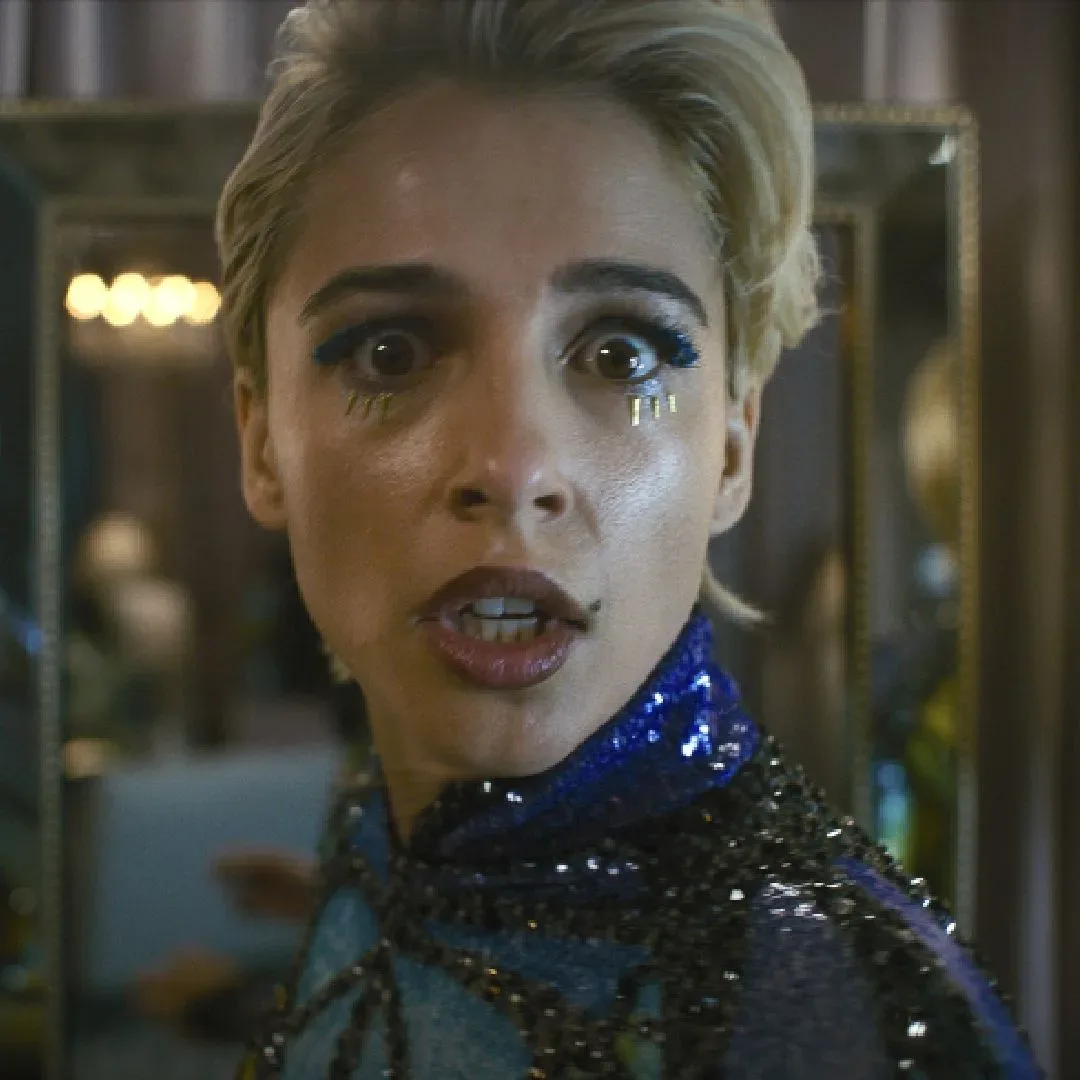
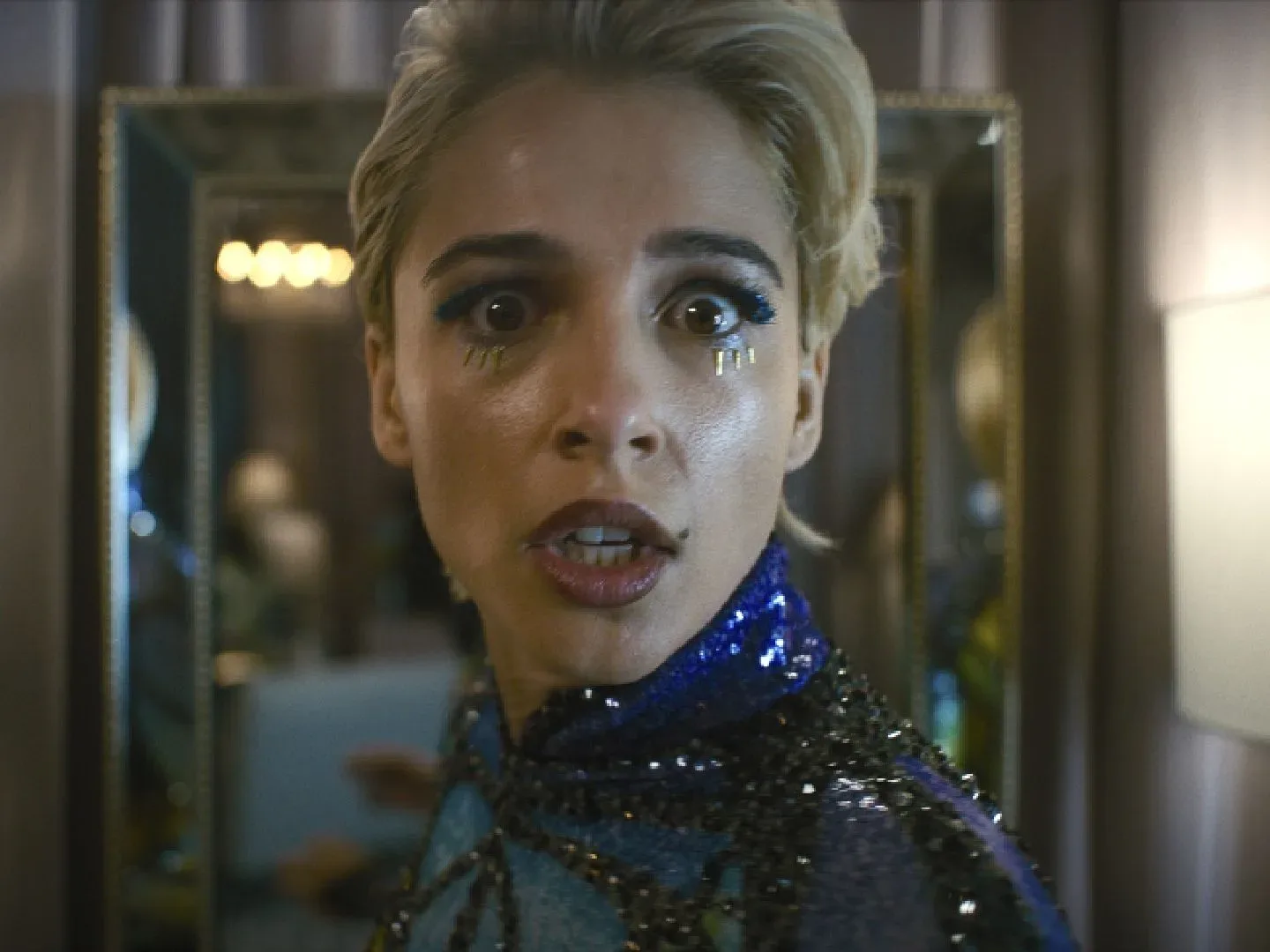
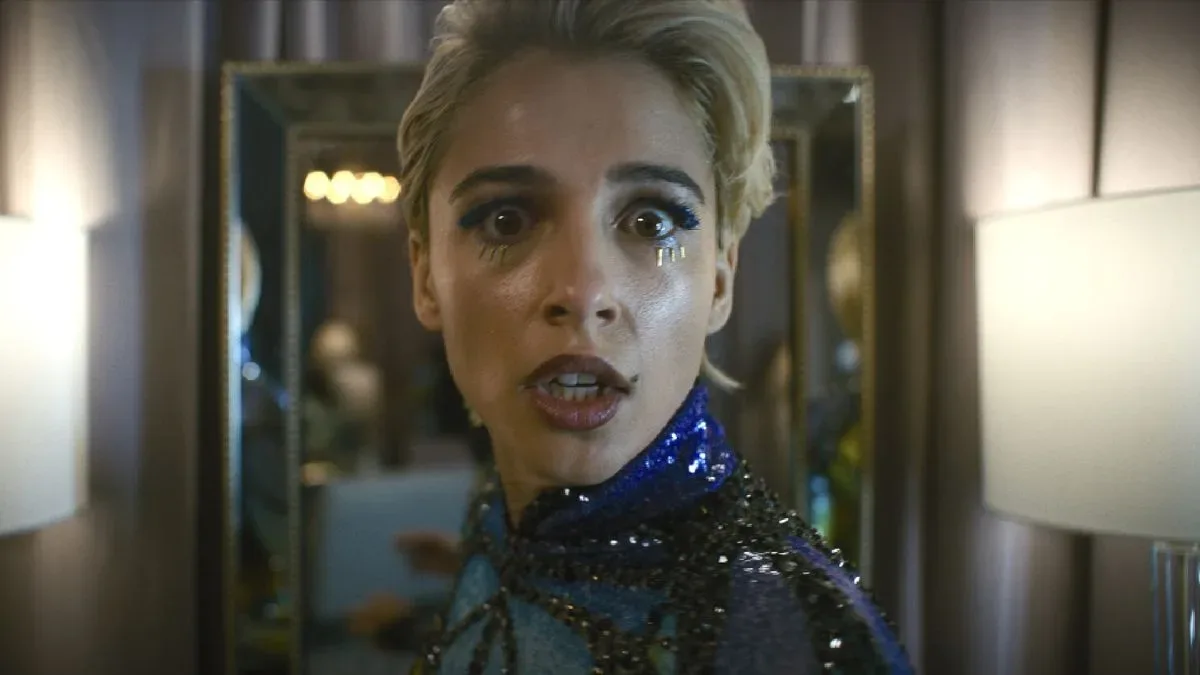
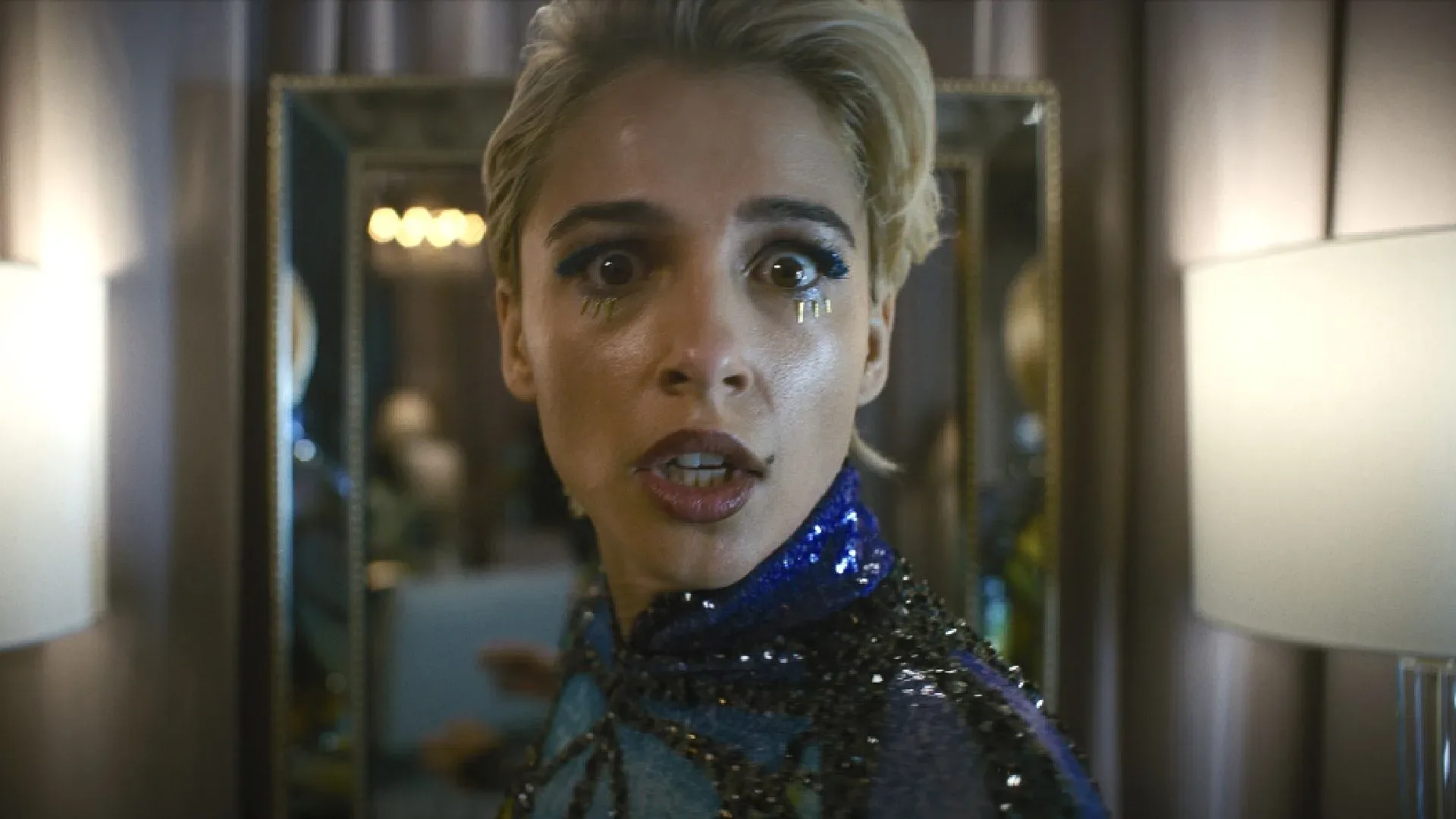
The ending of Smile 2 points especially strongly toward that possibility. The second film follows pop star Skye Riley, played by Naomi Scott, as a comeback tour becomes entangled with the curse. Its conclusion leaves open the prospect of a substantially larger group of potential hosts. That does not confirm the exact direction of Smile 3, but it makes a broader outbreak-style escalation an understandable possibility.
Scale, however, is not automatically the same thing as stakes. The earlier films’ premise works because the curse is experienced as a personal crisis: a victim is isolated, disbelieved, frightened by what they see, and pressured by rules that make every possible choice feel contaminated. If the third film grows the number of people involved, it will still need to preserve that sense of dread. A larger canvas can make the threat feel bigger; the challenge is ensuring the audience does not become emotionally farther away from it.
A trilogy finale with a new horror perspective
Bruckner arrives with a horror feature credit as director of 2022’s Hellraiser. Antosca is identified as the showrunner of Cape Fear. Those credits establish the pair’s experience in genre storytelling, but they do not tell audiences what the finished Smile 3 will look like. There is no confirmed information about its visual approach, rating, setting, plot, or whether it will focus on familiar or new characters.
That absence of detail matters because franchise speculation can quickly harden into assumed fact. The final moments of Smile 2 may invite theories about a much larger curse event, but the current information does not verify any particular structure for the third film. Nor does it establish whether the story will immediately continue from the second movie’s ending, spend time with a new protagonist, or use a different format to explore the premise.
For fans, the better lens is to view this as a transition rather than a promise of a specific creative outcome. Finn has supplied a high-level foundation; Bruckner and Antosca are now positioned to decide how that foundation becomes a conclusion. That can allow a trilogy to feel connected without forcing the new filmmakers to merely imitate the previous installments.
It also puts extra focus on the franchise’s rules. Horror sequels often face a balancing act between explaining more and preserving mystery. Explain too little, and escalation can feel arbitrary. Explain too much, and a supernatural threat can lose the unknown quality that gives it power. The curse in Smile already has a clear, cruel transmission logic. A third installment can explore the consequences of that logic without necessarily stripping every unsettling ambiguity out of it.
The first two films set a substantial benchmark
The original Smile arrived in 2022 and became a major box-office success, taking in more than $200 million worldwide. Its performance established the premise as more than a one-film curiosity and provided a strong commercial base for continuation.
Smile 2 was less successful at the box office than its predecessor, but its shift toward Skye Riley’s pop-star comeback tour gave the series a conspicuously different setting for the curse. The sequel’s premise placed public performance, celebrity pressure, and a rapidly collapsing private reality in direct conflict. That variation is useful context for the third film: the series has already shown a willingness to move its central threat into a fresh social environment rather than simply replaying the first movie’s setup.
Whether Smile 3 leans into a bigger-scale fallout or returns to a more contained nightmare is unknown. Either route could fit the premise. A broader story would confront the consequences of a curse moving through multiple witnesses. A more focused story could use the same rules to trap one character in an increasingly impossible situation. The available information supports the potential for expansion, not a confirmed blueprint for how that expansion will happen.
Finn’s next project and a crowded 2027 horror slate
Finn is not stepping away from horror. He is also connected to a 2027 remake of Possession, with Callum Turner and Margaret Qualley set to star. The project means his producer role on Smile 3 comes alongside another genre path rather than signaling a departure from horror filmmaking.
The wider 2027 calendar is also expected to include Mike Flanagan’s The Exorcist: Martyrs, A Quiet Place Part 3, The Conjuring: First Communion, a new Paranormal Activity, and a Blair Witch Project reboot. None of those projects changes what Smile 3 will be, but together they underline how prominently familiar horror names are positioned in the coming slate.
That franchise-heavy landscape makes distinct identity especially important. Smile has one: the awful contradiction of a smile becoming an omen, coupled with a curse whose escape clause is itself monstrous. The task for its new director and writer is to carry that identity into a finale that feels consequential rather than merely larger.
Elsewhere in franchise pop-culture conversation, audiences are also debating whether familiar threats should change, return, or be redeemed, as seen in discussion around VisionQuest and Ultron’s possible role. Smile 3 faces a different problem, of course: its menace is not one that seems designed to negotiate.
Until more is revealed, expectations should remain grounded. Smile 3 has a director, a writer, a producing role for the original filmmaker, and a reported trilogy framework. Everything else—including cast, release timing, story specifics, and the full meaning of the second film’s ending for the next chapter—remains to be announced.