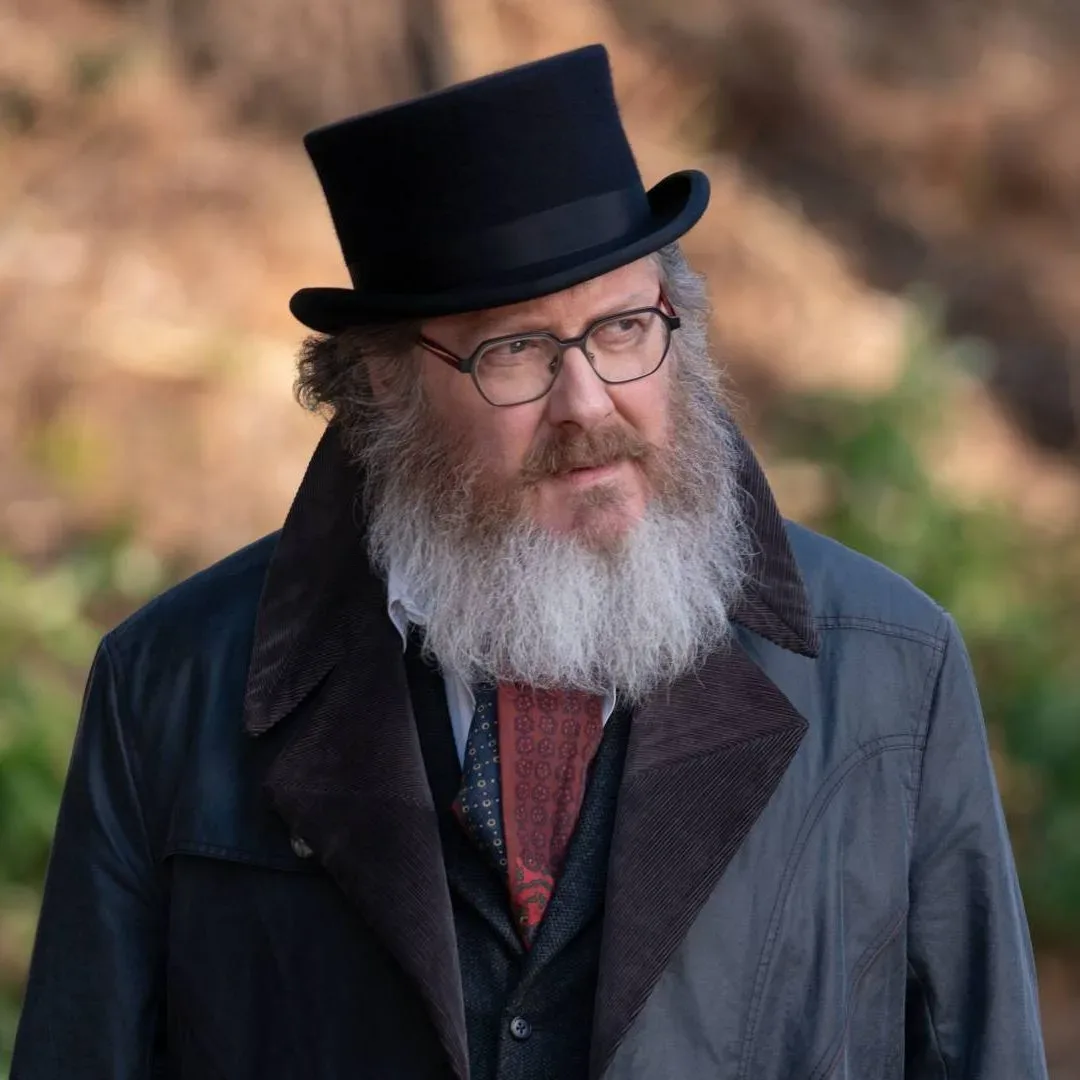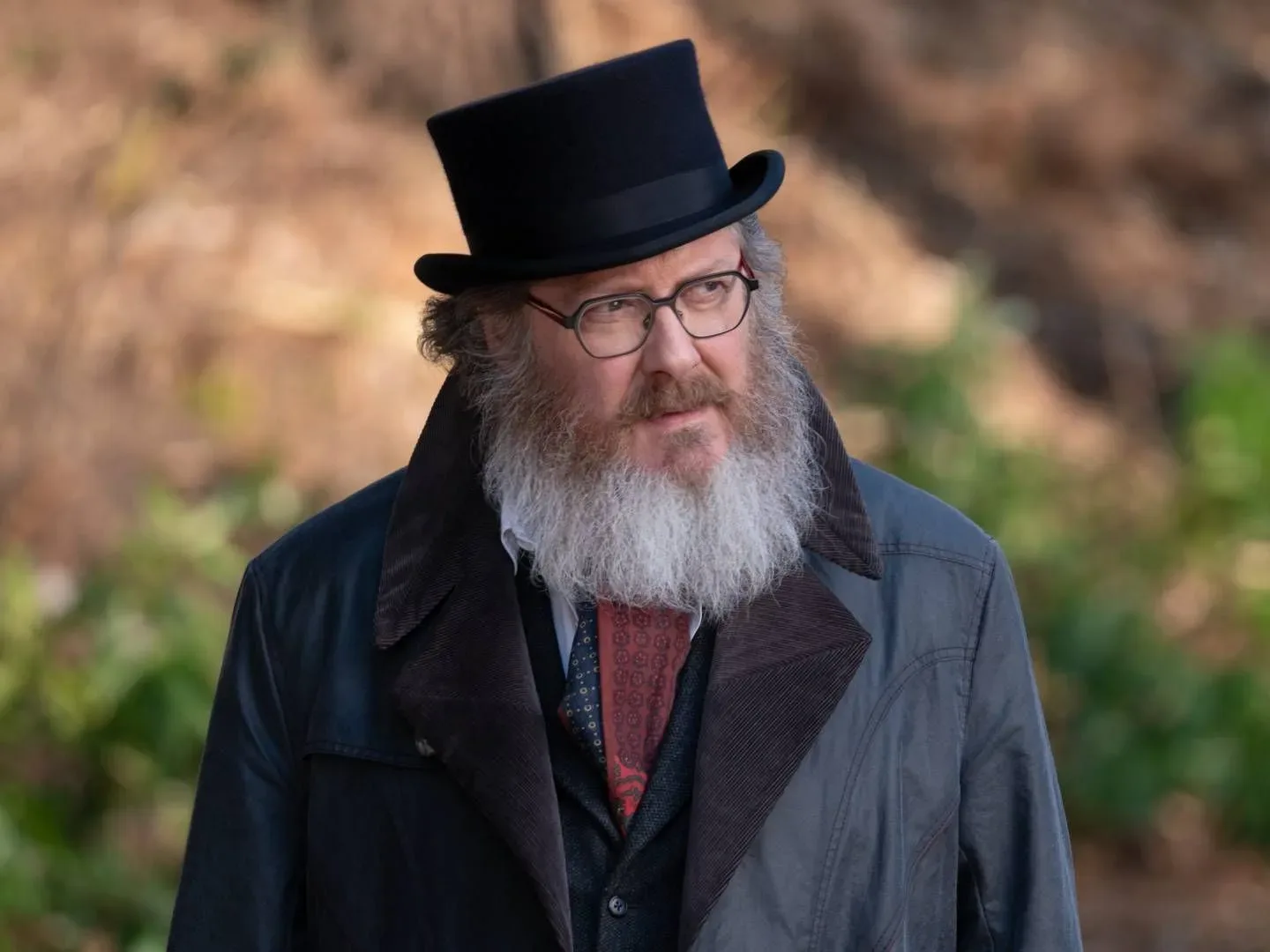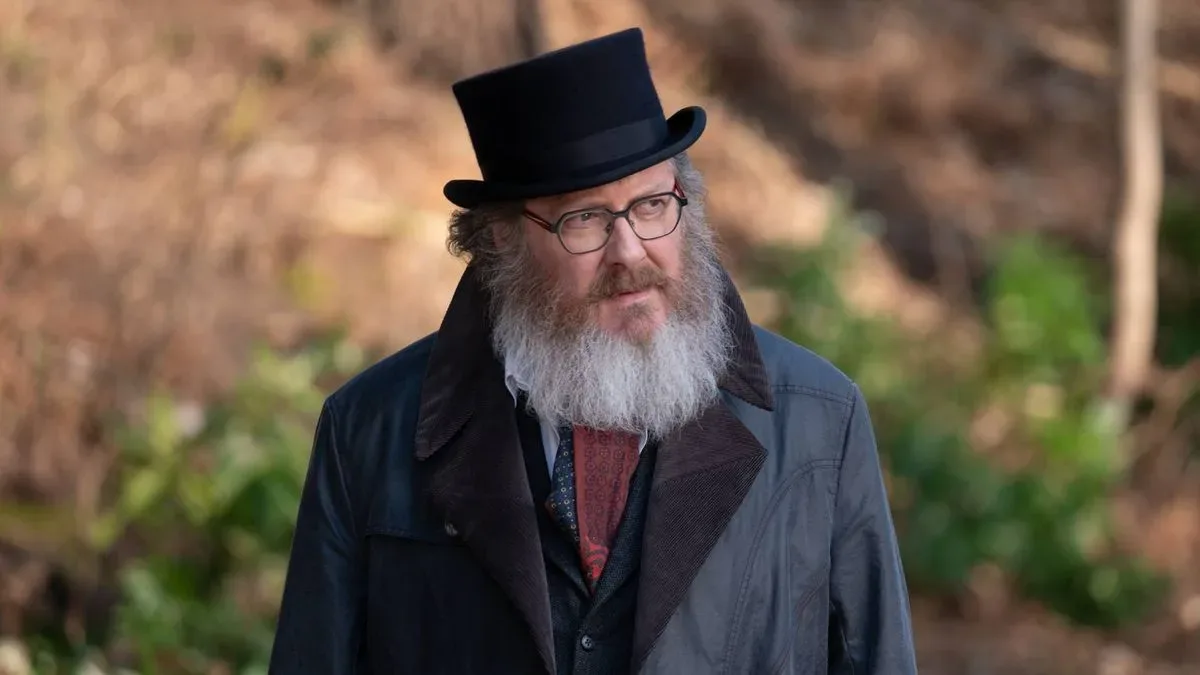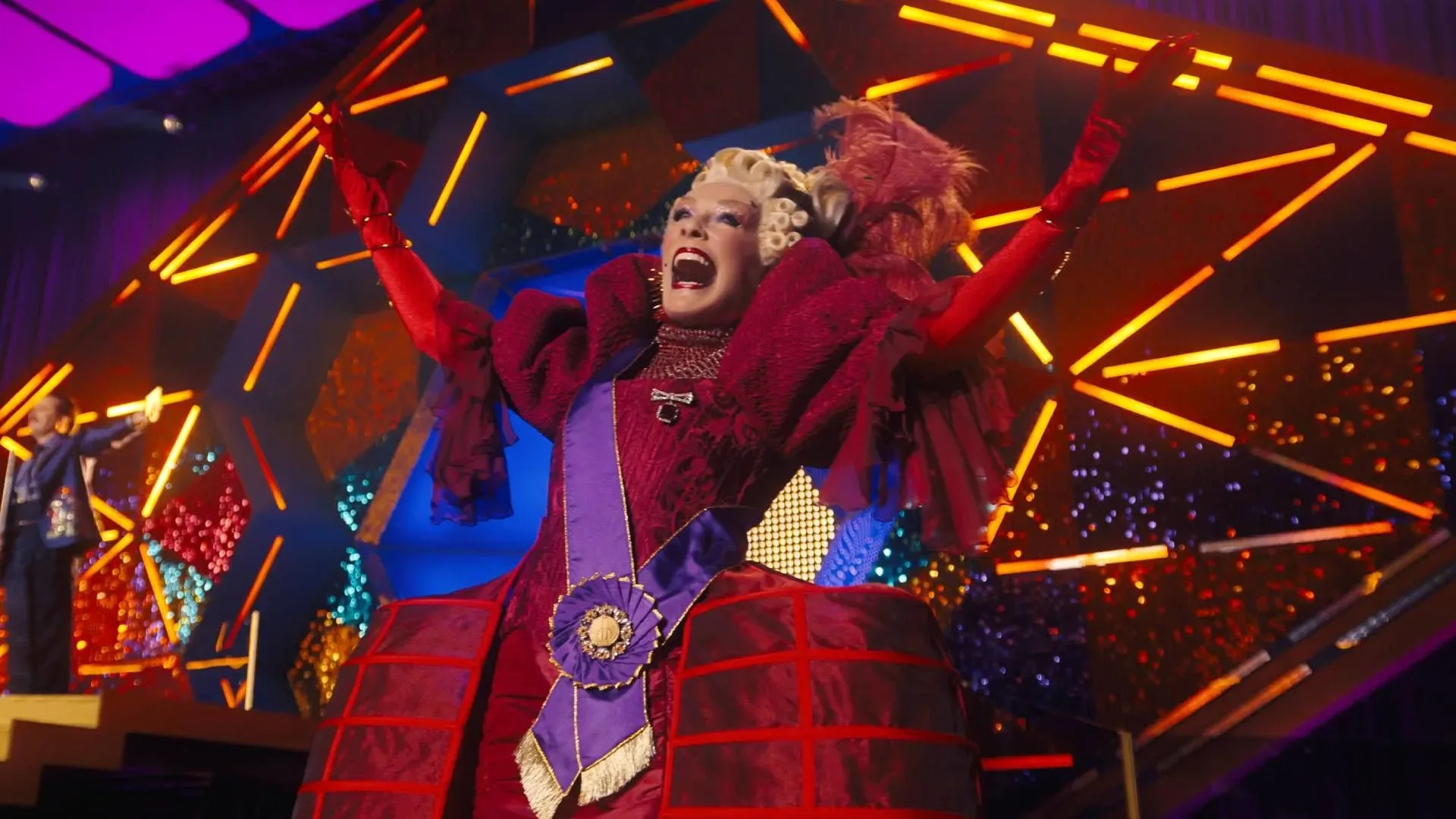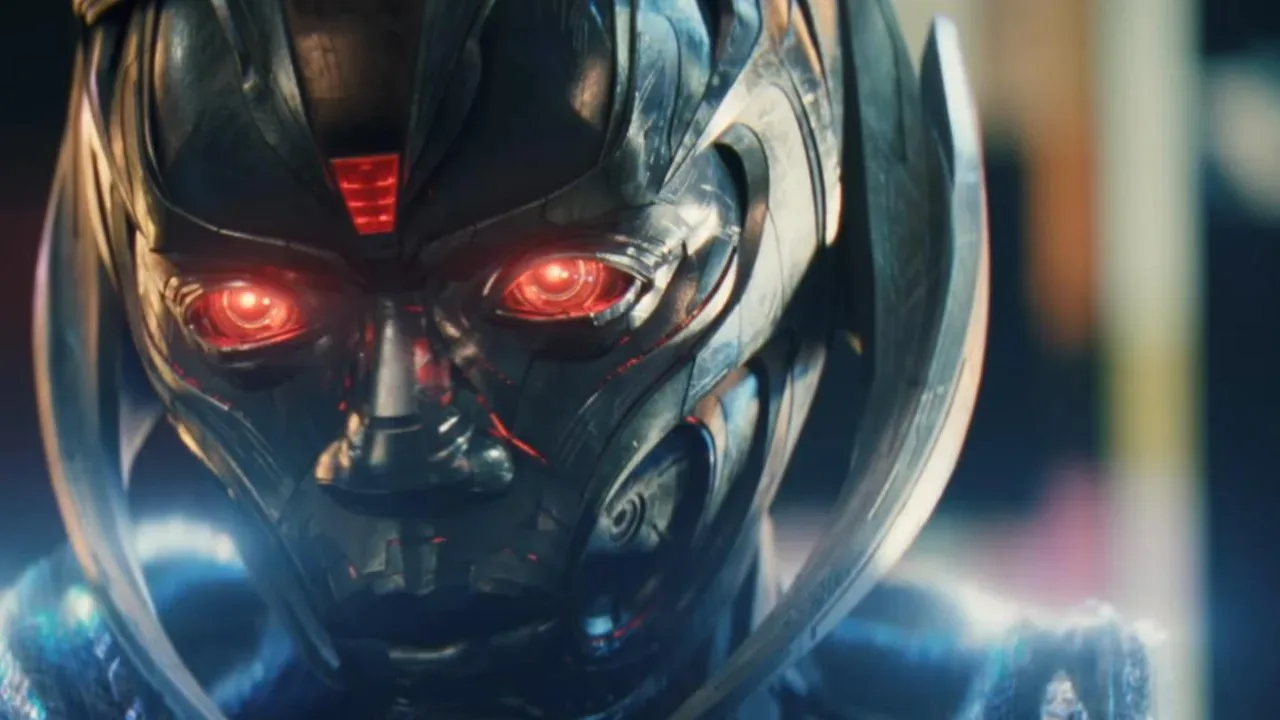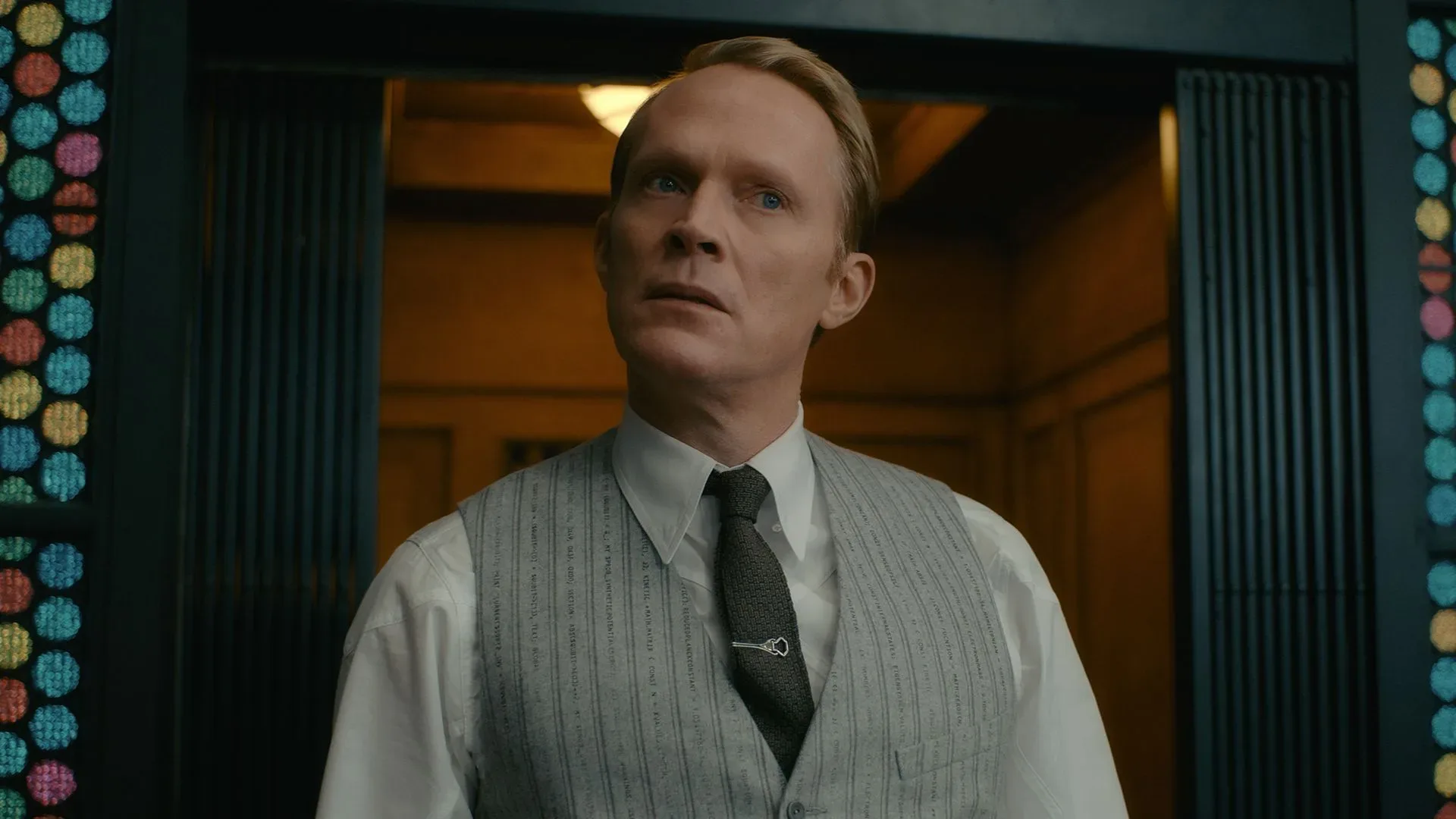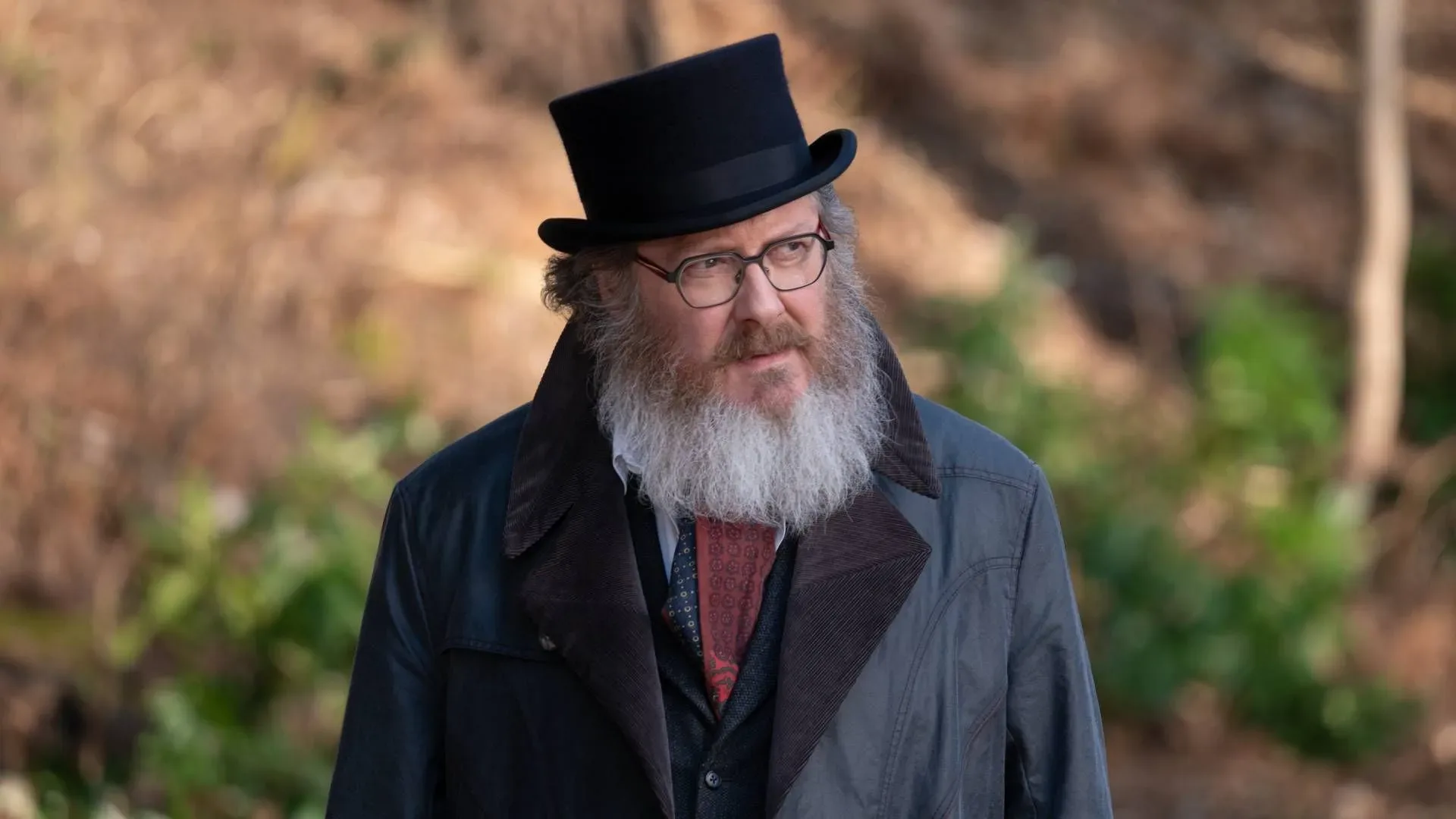
VisionQuest has reopened one of Marvel’s more volatile character questions: what, exactly, should become of Ultron? The returning artificial-intelligence villain is being framed in a markedly different light from his earlier big-screen reputation, with the series presenting him as a reluctant father figure to Vision and a grandfather-like presence around Tommy Shepherd.
That adjustment has viewers considering a possibility that would once have sounded absurd: an Ultron redemption arc. The debate is not simply whether the character should survive the series. It is about what survival would mean for a villain defined by murderous ambition, and whether a story can reveal new emotional dimensions without flattening him into another uncomplicated hero.
As VisionQuest continues weekly on Disney Plus, the available discussion points to three broad camps. One wants Ultron to atone and live. Another expects a final sacrificial act, possibly in opposition to Jocasta. A third wants him preserved as a villain — perhaps less apocalyptic than before, but still fundamentally dangerous.
Why viewers think a redemption story may be forming
The key difference is the show’s use of family dynamics. Ultron’s relationship to Vision now reads less like a conventional hero-versus-villain arrangement and more like a tense, dysfunctional lineage. The added connection to Tommy gives that structure another generation. Even if Ultron remains hostile or self-serving, those relationships create opportunities for attachment, protection, resentment and responsibility that a purely destructive antagonist would not normally have.
Some viewers point to Ultron saving Tommy as evidence that the series has already shown an affection for his own kind. Others have focused on his response when Jocasta presents a nanobot concept: his concern that it would put “strings” on them has been interpreted as opposition to control and coercion.
That reading does not automatically make Ultron benevolent. A character can reject another villain’s methods for reasons that are selfish, ideological or rooted in personal identification. But it does create an intelligible basis for a temporary alliance. If Ultron sees Vision, Tommy or other artificial beings as part of a category he claims to understand or protect, then a conflict with Jocasta could follow without requiring him to become a conventional Avenger-style hero.
What a redemption arc actually requires
In storytelling terms, a redemption arc is more than a villain performing one helpful act. It generally asks a character to confront the harm they caused, make a meaningful choice against their old values or instincts, and accept some cost in the process. A last-minute rescue can be emotionally powerful, but it may be better described as a redemptive act than full redemption if the character has not truly changed.
That distinction is central to the VisionQuest debate. Viewers speculating that Ultron may turn against Jocasta to save Vision, Tommy or both are not necessarily predicting that he will become good. They may be expecting a narrower moment in which he refuses to let someone else inflict the kind of domination he rejects, or chooses family over his own survival.
The practical narrative advantage is clear: such a choice can deepen Ultron without erasing his history. It gives the series an emotional climax tied to the characters it has placed around him, rather than treating the villain solely as a machine built to trigger a larger fight.
The case for an Ultron sacrifice
A significant middle position is that Ultron may do the right thing and still not be allowed a peaceful future. Some viewers expect him to stop Jocasta but die in the process. This outcome would give the character a measure of grace while avoiding the larger question of whether the people he endangered should accept him as a lasting ally.
It also fits the difference between atonement and forgiveness. Atonement is the wrongdoer’s attempt to repair or answer for harm; forgiveness belongs to those who were harmed. VisionQuest can plausibly give Ultron a chance to make a better choice without insisting that everyone around him must immediately trust him, welcome him, or overlook what he has done.
For viewers who want an emotional reckoning but remain wary of calling Ultron a hero, a sacrifice offers an appealing compromise. The character could demonstrate care for Vision or Tommy at the moment it matters most, while the story retains the moral weight of his past.
Why many fans want him to remain a villain
The opposition is just as specific. Some viewers argue that not every villain needs redemption, and that Ultron is particularly ill-suited to a wholesale conversion. Their preferred version is not necessarily an endlessly repetitive rerun of a world-ending plot. Instead, they want an enduring antagonist: quieter, more informed and more strategically patient after learning how the Avengers and their allies operate.
This approach would preserve what makes Ultron useful in a shared-universe setting. A recurring antagonist does not need to dominate every story. He can be a lurking complication, a figure with his own agenda, or an occasional enemy whose goals temporarily overlap with the heroes’ interests. That ambiguity can be more unsettling than another immediate escalation to an Avengers-level crisis.
One especially nuanced fan position is that Ultron could remain “mostly evil” while no longer wanting humanity extinct. That is not redemption; it is recalibration. The character would still be a threat, but with limits, preferences and perhaps even attachments that make him harder to predict.
There is a real storytelling difference between a villain who wants total destruction and one who has decided that destruction is inefficient, personally undesirable, or contrary to the survival of beings he values. The latter can generate more complex conflicts. Heroes may need to oppose him even when he is not pursuing the largest possible atrocity, and he may occasionally oppose a worse danger for reasons that are not altruistic.
Jocasta could be the test, not the answer
Much of the speculation revolves around Jocasta, particularly the nanobot discussion and the possibility of Ultron ultimately opposing her. If that direction proves accurate, Jocasta could function as a moral contrast for Ultron rather than a device that absolves him.
That is an important caveat. Introducing a greater or more immediately controlling threat can make a former villain look better by comparison, but comparison is not absolution. If Ultron rejects the idea of putting “strings” on others, VisionQuest still has room to ask why he rejects it, whom he believes deserves autonomy, and whether he can apply that principle beyond beings he regards as his own.
Those questions are more interesting than a simple switch from evil to good. They test whether the series is examining a genuine shift in Ultron’s worldview or merely arranging a temporary team-up. Either can work, but they promise different futures for the character.
A Louvre ending is funny because it recognizes the problem
Among the more playful suggestions is an ending in which Ultron survives and spends eternity appreciating art at the Louvre, arguing with tourists about Renaissance paintings while others deal with cosmic threats. The joke works because it offers the most extreme version of rehabilitation: not a heroic death or continued warfare, but retirement.
It is also an acknowledgement that viewers want something stranger than a standard villain defeat. Ultron’s new family-adjacent role has made the character feel newly possible, whether that possibility leads to peace, a noble sacrifice, or a more subtle menace.
For a broader look at the screen releases vying for attention this season, see five November 2026 movies to put on your cinema calendar.
For now, VisionQuest appears to have accomplished the most valuable thing it could with Ultron: it has made viewers argue not just about how he should be defeated, but about what kind of character he can credibly become. Whether he saves Vision and Tommy, opposes Jocasta for his own reasons, or slips away to become a patient long-term adversary, the series has made a familiar villain’s next choice matter again.