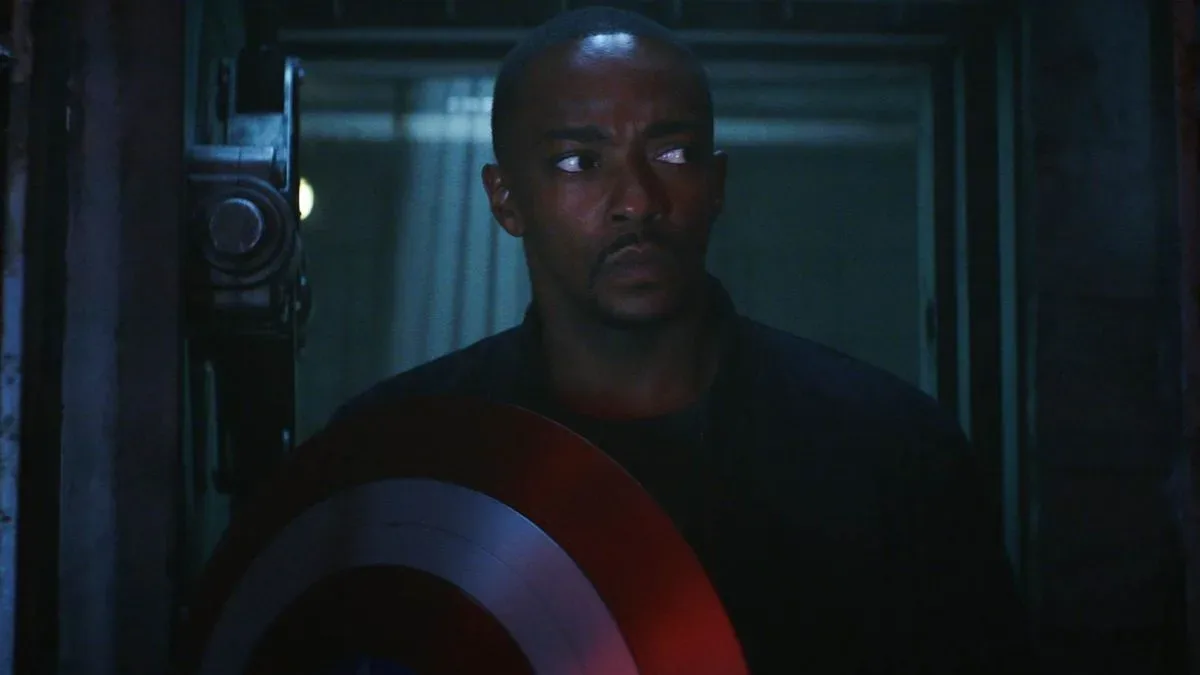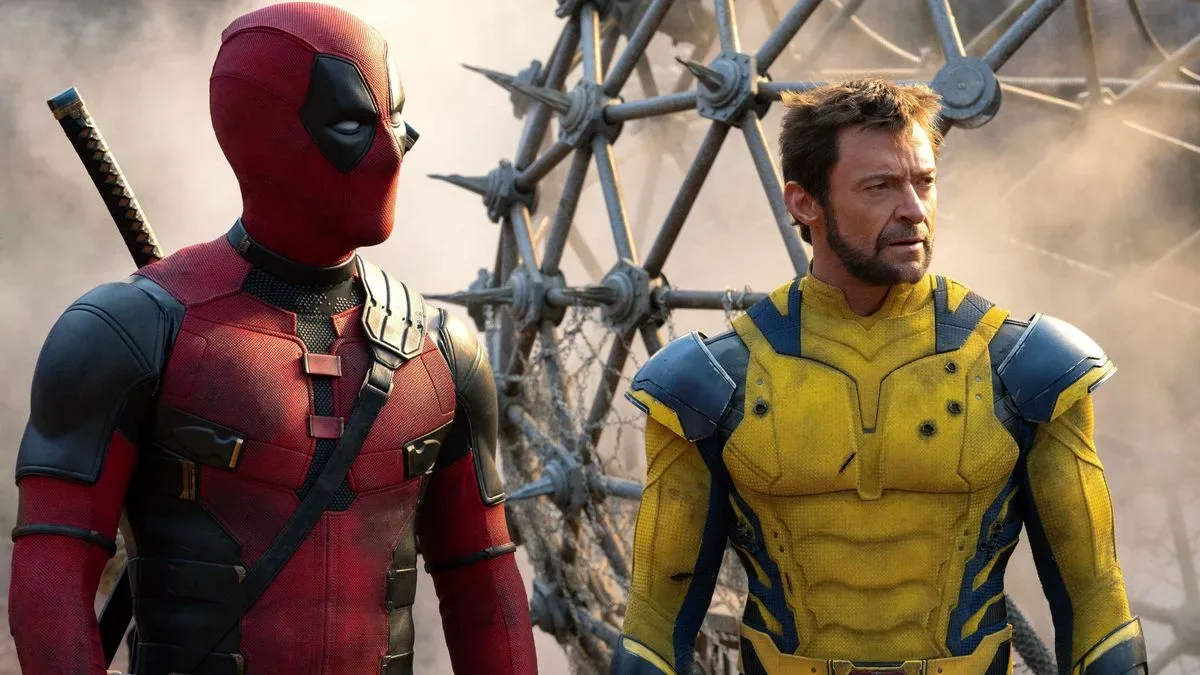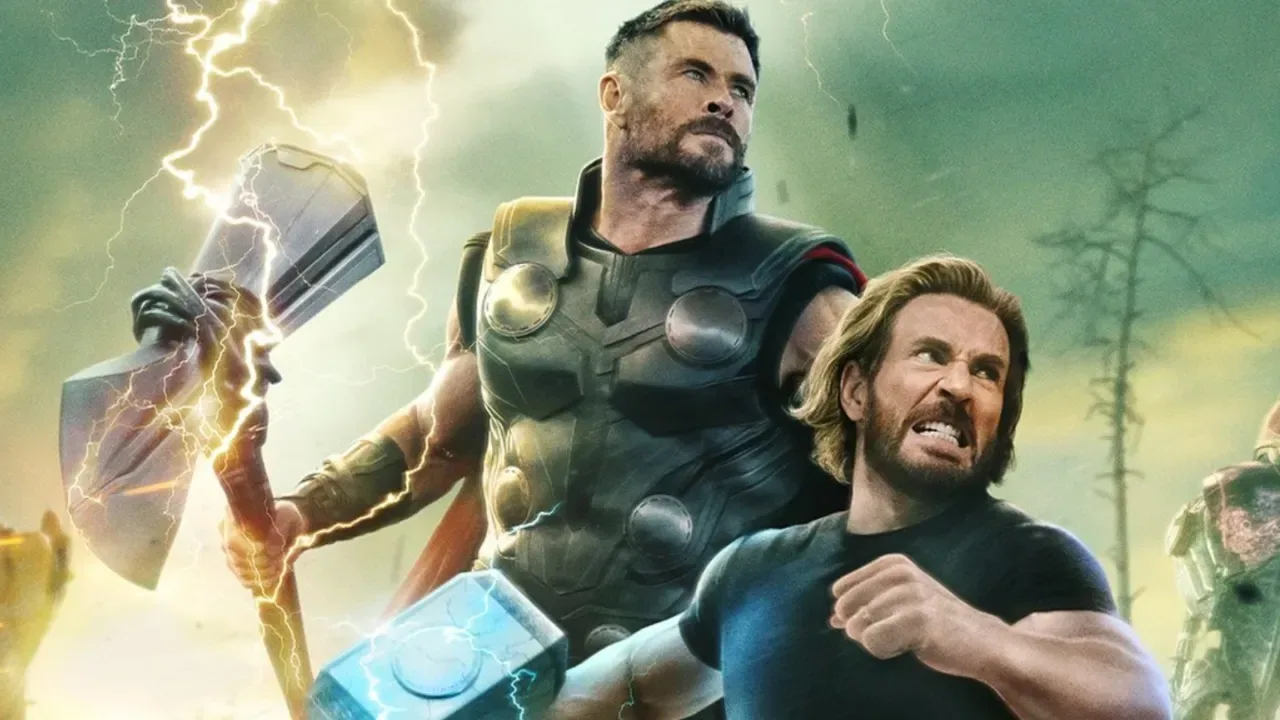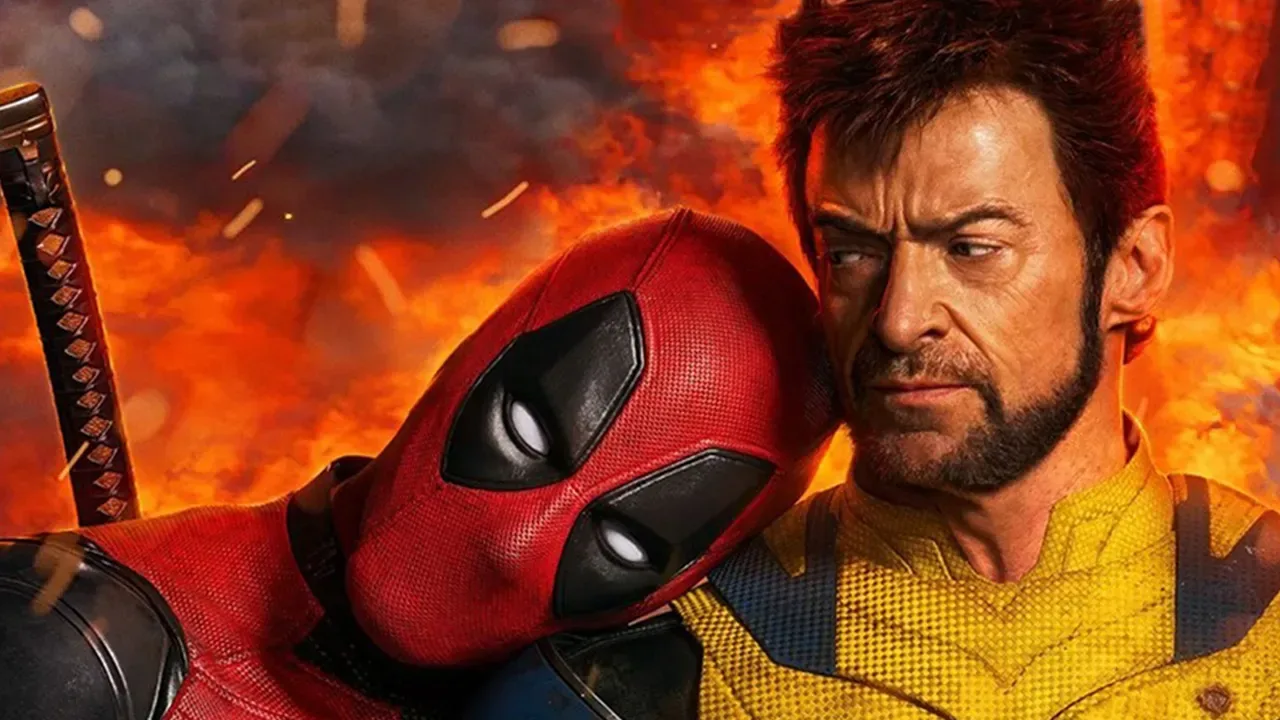
Avengers: Doomsday is approaching with the kind of premise that makes every scene sound like it ought to arrive under a thunderclap. Its official setup has courageous teams from three universes joining forces to avert a catastrophe, with their decisions shaping what comes next for the Multiverse. That is not merely a large superhero problem; it is a story built around potential endings, changing lineups, and the possibility that familiar versions of characters may not get a comfortable exit.
The darker framing makes sense for an Avengers-scale event, particularly one positioned as a turning point for the MCU. But enormous stakes create a storytelling challenge. If every exchange is solemn, every danger is existential, and every character reacts as if the universe has already ended, the emotional effect can flatten out. Audiences need contrast to feel the weight of the serious material. That is why Deadpool & Wolverine may be relevant preparation for Doomsday even if Ryan Reynolds’ Deadpool and Hugh Jackman’s Wolverine ultimately do not appear.
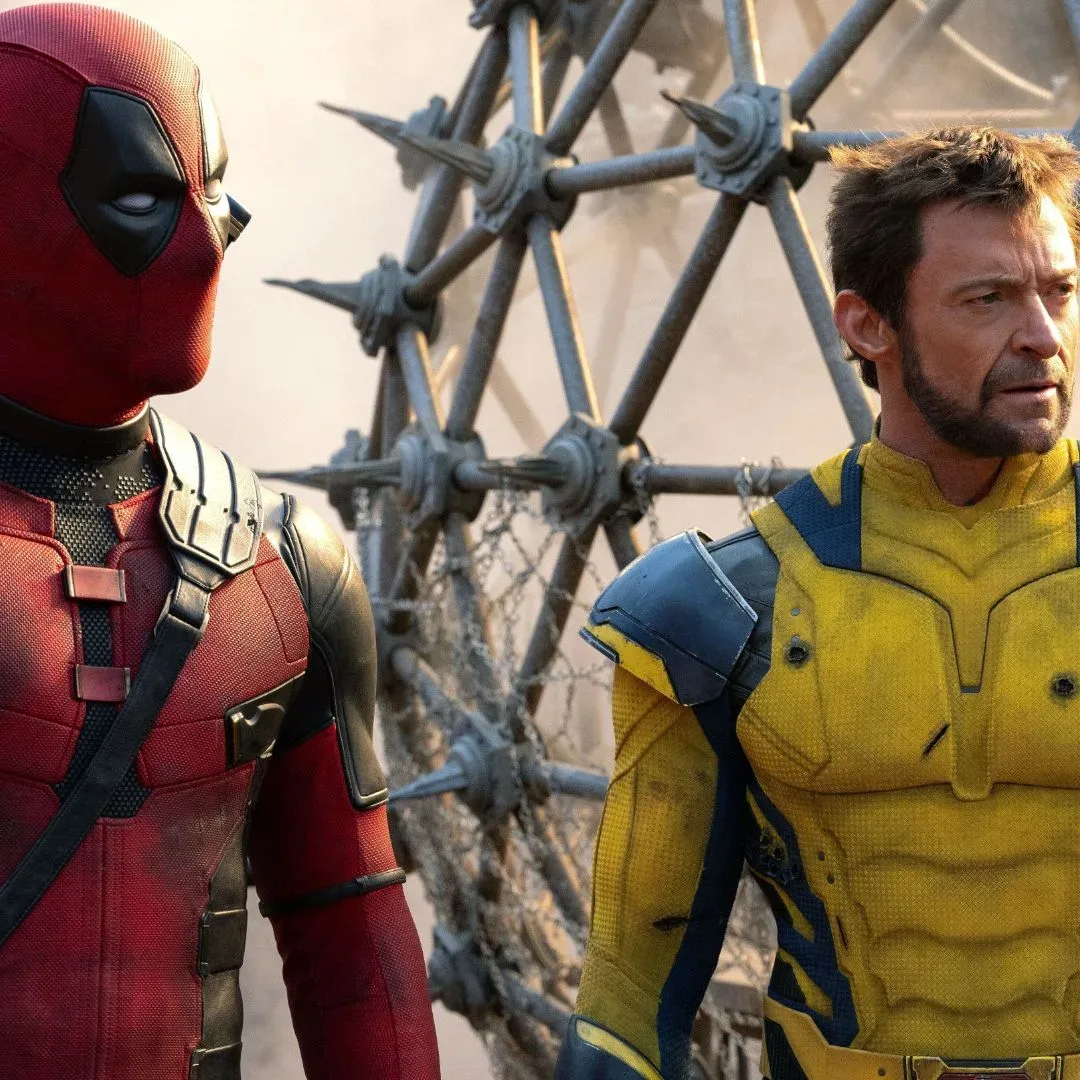
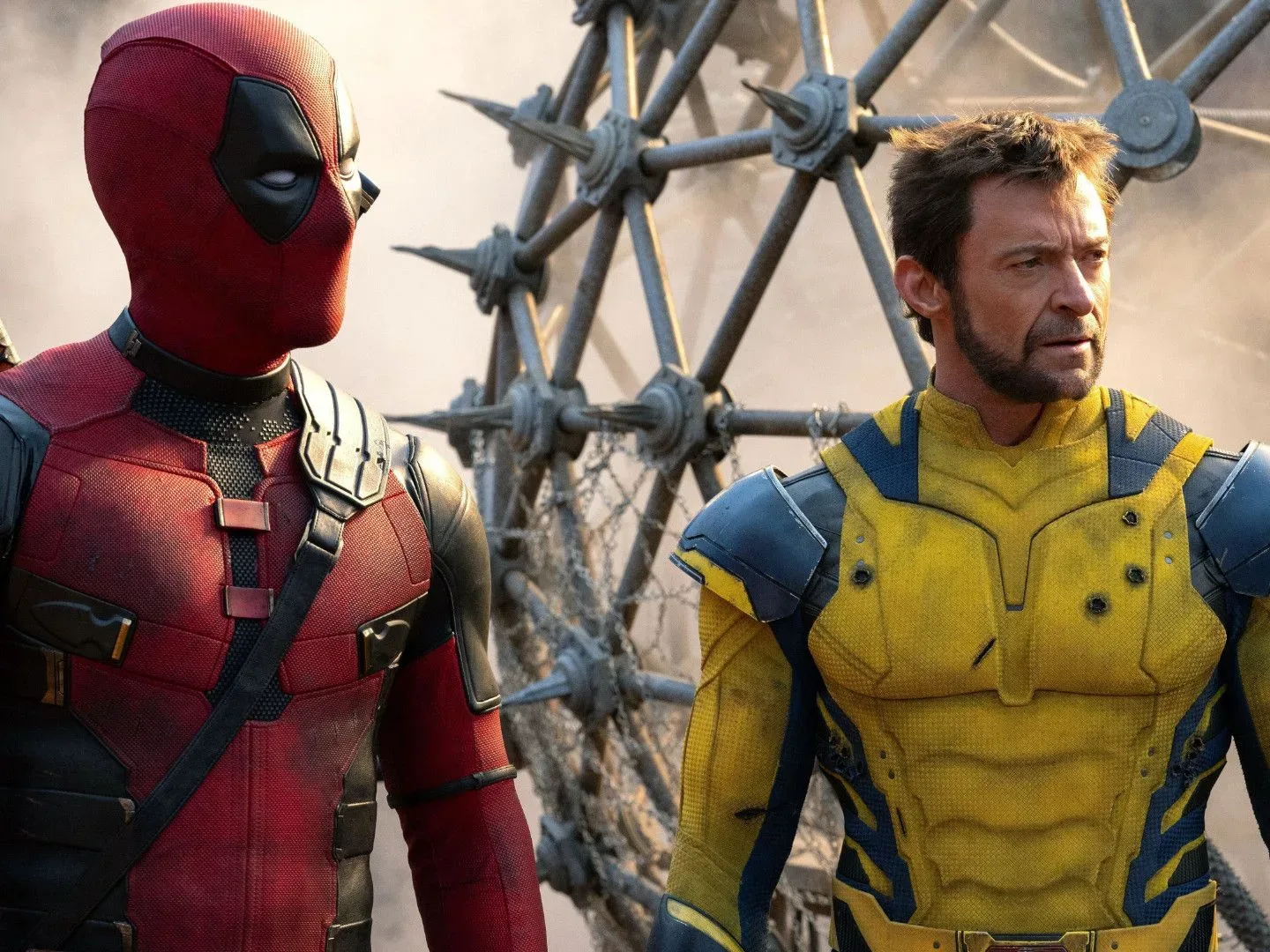
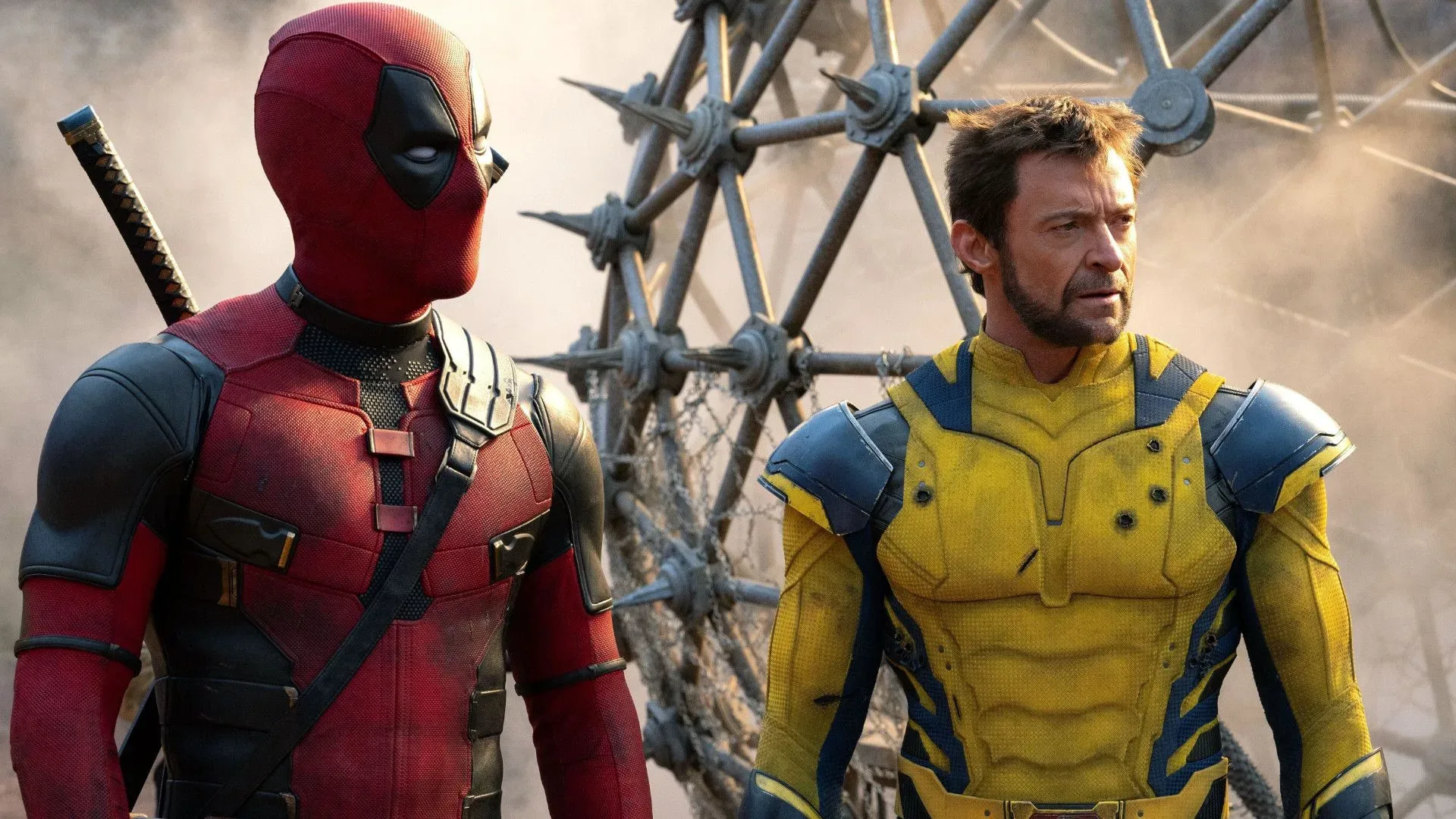
The 2024 film placed its leads in a similarly extreme situation: a threat to Deadpool’s universe, a collision of Marvel continuities, and a need to recruit help across familiar comic-book territory. Yet it made room for irreverence, absurdity and character-driven banter amid the violence and sentiment. The useful lesson is not that Doomsday should imitate Deadpool’s R-rated style. It is that humor can make apocalyptic stakes more legible rather than less important.
A multiverse movie needs tonal contrast
“Multiverse” is now a core piece of Marvel vocabulary, but in practical narrative terms it means more than alternate worlds. It lets a film bring together characters and versions of characters who would not otherwise share a scene. That opportunity is central to Avengers: Doomsday, whose synopsis points to teams from three separate universes. It also raises immediate questions: which world will be protected, what will be lost, and whether cooperation is even possible when the people involved arrive with different histories and loyalties.
For more context, explore GTA VI Album Brings New Tracks From Young Thug, Gunna, Kodak Black, Don Toliver and JT.
Stories with that architecture can become emotionally demanding very quickly. A catastrophe affecting one city can be grasped through the people who live there. A catastrophe threatening multiple universes is harder to hold onto unless the movie keeps returning to specific relationships, disagreements and human-scale reactions. Comedy is one way to accomplish that. A joke at the right moment does not deny danger; it shows how a person handles danger.
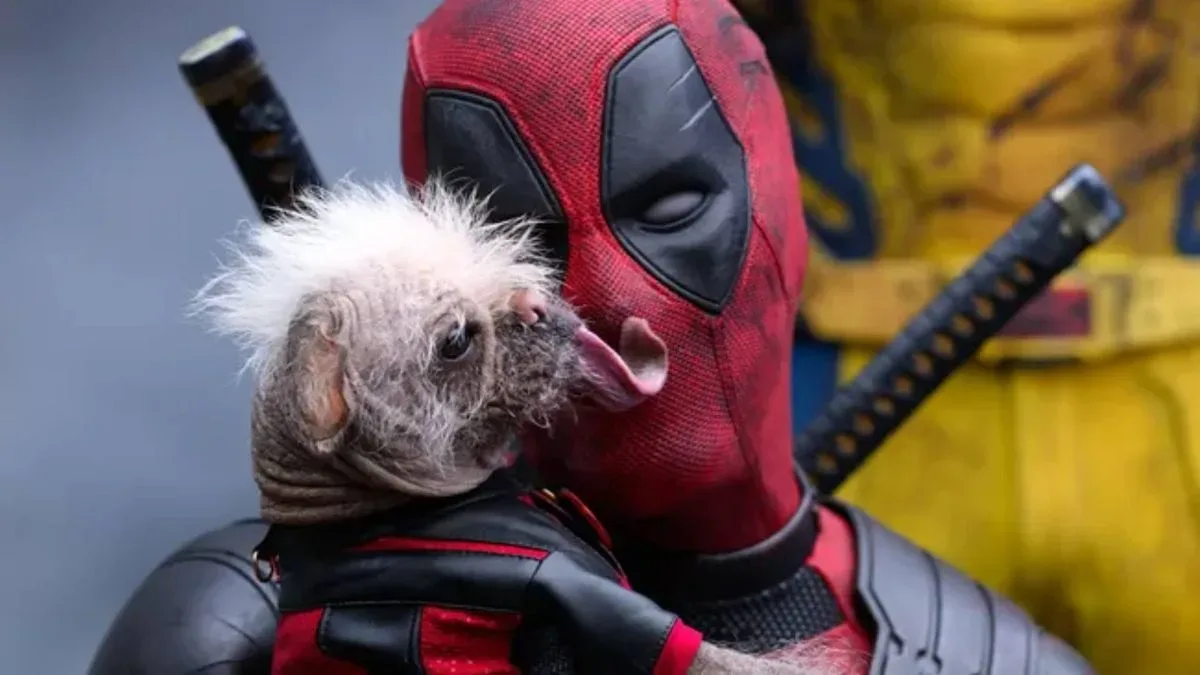
Deadpool is the loudest possible example. His jokes are not simply decorative punchlines. They are part of how the character processes pain, loss and fear. His background includes profound setbacks, but the humor alters the audience’s route into those emotions. The character can turn a grave situation ridiculous, then allow the genuine stakes to land when the performance or plot demands it.
That particular approach would not fit every Avenger, nor should it. The advantage of an ensemble is that its members do not need the same response to crisis. One character can carry the strategic burden, another can be terrified, another can provide hope, and another can puncture an overinflated moment. The resulting variation gives a major event movie rhythm. Without it, scenes that are intended to escalate can begin to feel as though they are repeating the same emotional note.
Related coverage includes Avengers: Doomsday Could Use Deadpool & Wolverine’s Comic Relief.
Deadpool and Wolverine remain unconfirmed
There is no confirmed casting announcement for Reynolds or Jackman in Avengers: Doomsday. That distinction matters. The available signs are intriguing but are not equivalent to a formal confirmation, and viewers should not treat speculation as a promised cameo.
There are reasons the theory has persisted. Deadpool & Wolverine has been included among essential MCU viewing ahead of Doomsday. Reynolds also appeared during Marvel’s San Diego Comic-Con 2026 panel in a dark denim Deadpool outfit, playing on the “Jean Grey” idea. He has teased the prospect through an Avengers-logo image marked with an anarchy sticker, while describing Deadpool as a character who works best through “scarcity and surprise.” Reynolds and Jackman are additionally listed with screenwriting credits for Avengers: Doomsday in the Writers Guild of America directory.
None of those points settles whether either actor is on screen, how large any role might be, or whether their writing credits indicate story input beyond their own characters. In a franchise that frequently makes secrecy part of the promotion, ambiguity can be intentional. It can also simply be ambiguity. The sensible reading is that there is enough connective tissue to make the possibility worth discussing, but not enough to present it as fact.
That uncertainty may be well suited to Deadpool in particular. A surprise appearance works differently for a character whose appeal is built partly around disruption. It would be harder to preserve that effect if the role were marketed as a routine piece of the ensemble months in advance.
The Fox-era X-Men could raise the emotional temperature
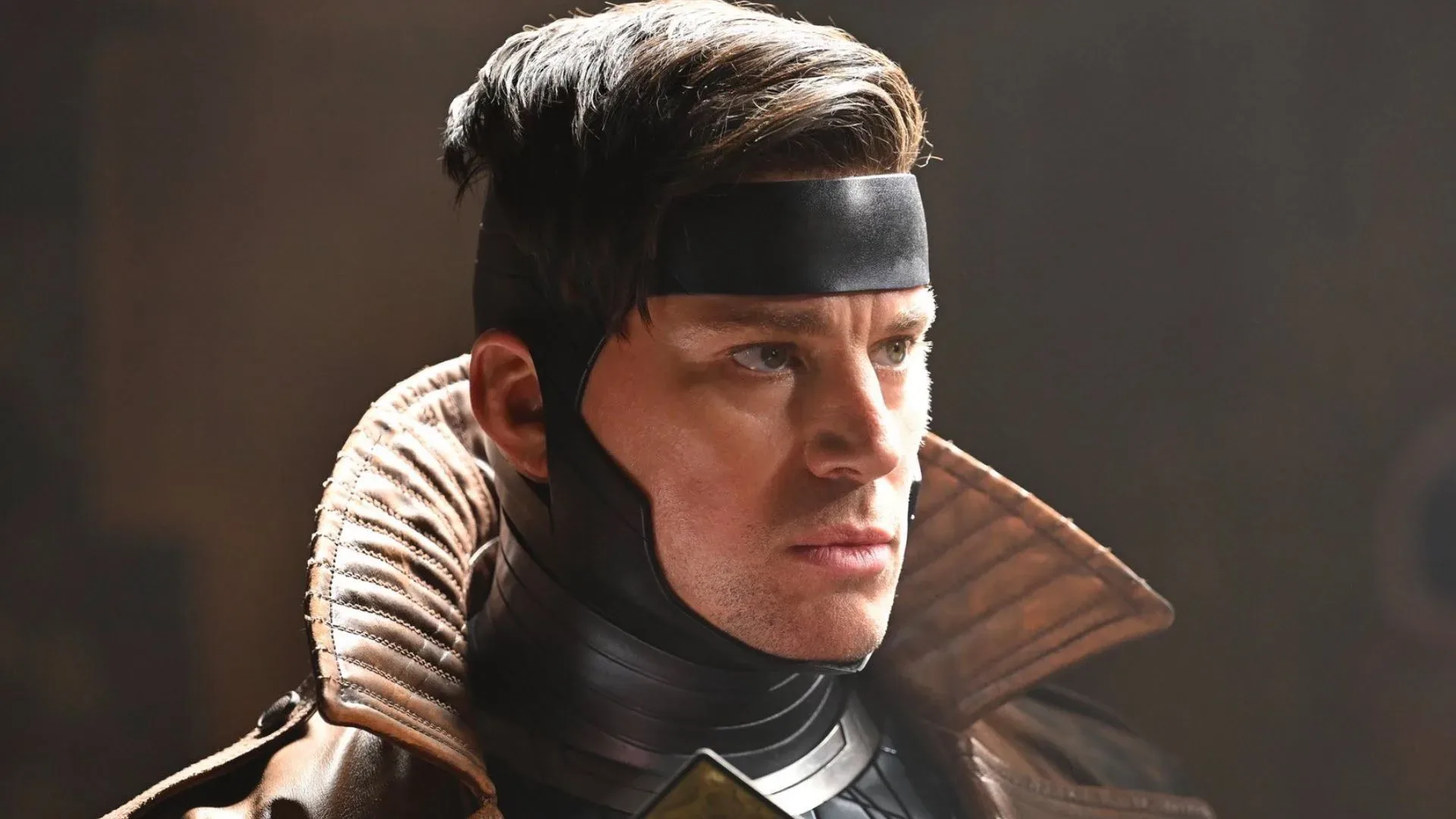
One potential reason for Doomsday to lean into a more somber register is the involvement of original Fox-era X-Men figures. Patrick Stewart’s Charles Xavier, Ian McKellen’s Magneto and James Marsden are among the returning names associated with the project. These versions of the characters have not been part of the MCU proper, so their arrival carries a built-in sense of reunion as well as uncertainty.
That does not prove any of them will die, and predictions about who survives should remain exactly that: predictions. Still, a crossover involving legacy heroes can create expectations of farewells, especially when the movie’s central language is about a catastrophic event and the future of the Multiverse. The existence of a newer X-Men film in development, expected to introduce younger incarnations of the mutants, adds to the feeling that the returning group could represent a closing chapter rather than a permanent new status quo.
This is precisely where tonal control becomes vital. If a film asks viewers to feel nostalgia, dread and affection for heroes from different eras, it cannot afford to treat each return as only a checklist item. Light scenes can establish chemistry and make old faces feel present rather than ceremonial. A dry exchange between rivals, a clash of personalities or a brief absurd detour can give the audience space to enjoy the reunion before the larger plot places it under pressure.
Comic relief is not the same as undercutting drama
The concern often raised about comedy in serious superhero stories is that a quip can destroy tension. That can happen. A joke placed after a sacrifice, confession or revelation can tell an audience not to take the moment seriously. But the problem is placement, not comedy itself.
Effective comic relief has a few jobs. It can release pressure before a major sequence, giving the next dramatic beat room to hit harder. It can reveal an individual character’s perspective. And it can make a massive fictional crisis feel immediate by reminding viewers that people still have awkward reactions, petty arguments and imperfect coping mechanisms when everything is going wrong.
Deadpool & Wolverine demonstrates the balance in an especially broad form. Its story incorporates universe-level peril and Marvel history, including appearances tied to the earlier Fox X-Men era, but it also makes space for gags such as Chris Evans appearing as Johnny Storm. The film’s jokes do not eliminate the danger facing Deadpool’s world. Instead, they create a tonal elasticity: an audience can laugh, then be asked to care about what the characters risk losing.
Doomsday need not rely on fourth-wall breaks, adult humor, or Deadpool’s specific brand of commentary to find that elasticity. Its existing roster should offer many avenues for a lighter beat. The key is that levity must come from the people in the scene and their circumstances, not from a reflex to deflate every important moment.
Doctor Doom’s threat needs room to breathe
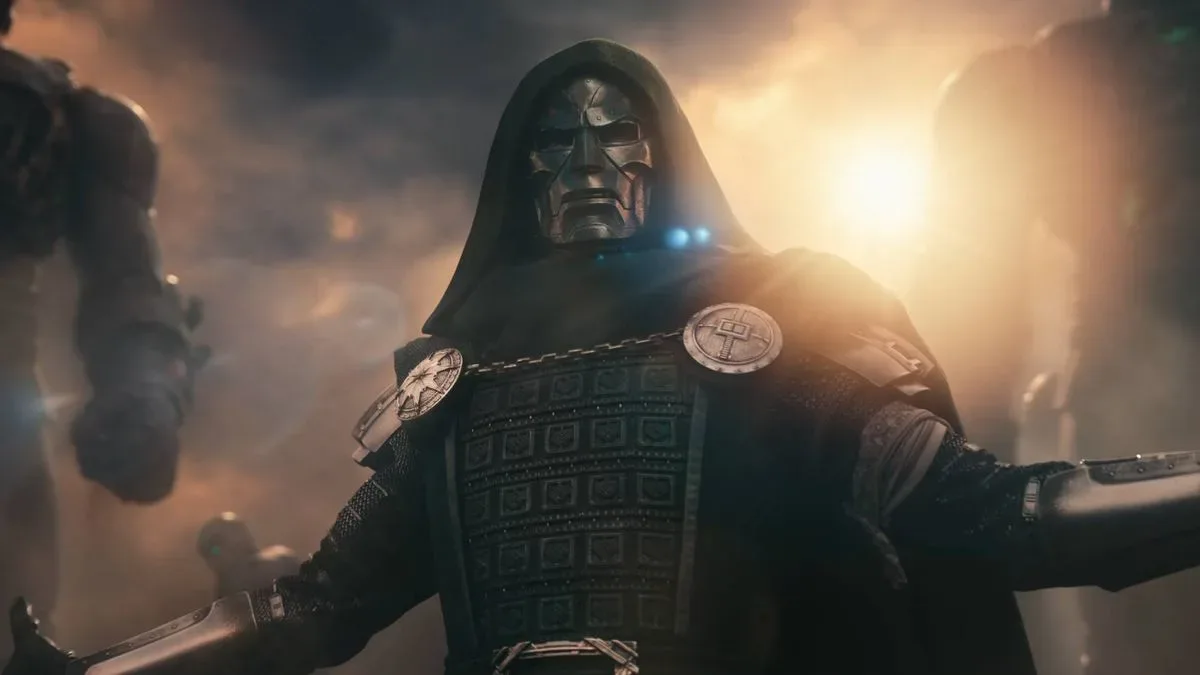
Robert Downey Jr.’s Doctor Doom is being positioned against an unusually crowded field of heroes. Cassandra Nova was the antagonist faced in Deadpool & Wolverine; Doom’s challenge will be different because Avengers: Doomsday is dealing with multiple universes and teams at once. A huge cast can generate spectacle, but it can also diminish a villain if the film treats every hero as equally central and every encounter as the climax.
Moments of quiet, personality and even humor can help avoid that. They create pauses between major confrontations, give teams identities beyond their powers, and prevent the villain’s menace from becoming background noise. When the danger returns, it has the chance to feel sharper.
That is the more compelling case for a Deadpool-and-Wolverine appearance, if one happens. It would not be that the movie needs a comedian to rescue it from seriousness. It would be that these characters naturally embody a useful contradiction: they can be funny, damaged, combative and sincere in the same sequence. Wolverine’s severity also gives Deadpool’s chaos a counterweight, keeping the pair from becoming a one-note interruption.
Avengers: Doomsday is scheduled to arrive December 18 in the US and December 16 in the UK. Until Marvel confirms more, the prospect of Deadpool and Wolverine joining the event remains speculation. But the tonal argument stands regardless: a film about worlds colliding will be strongest if it remembers that dread is more powerful when there is still something worth smiling about.