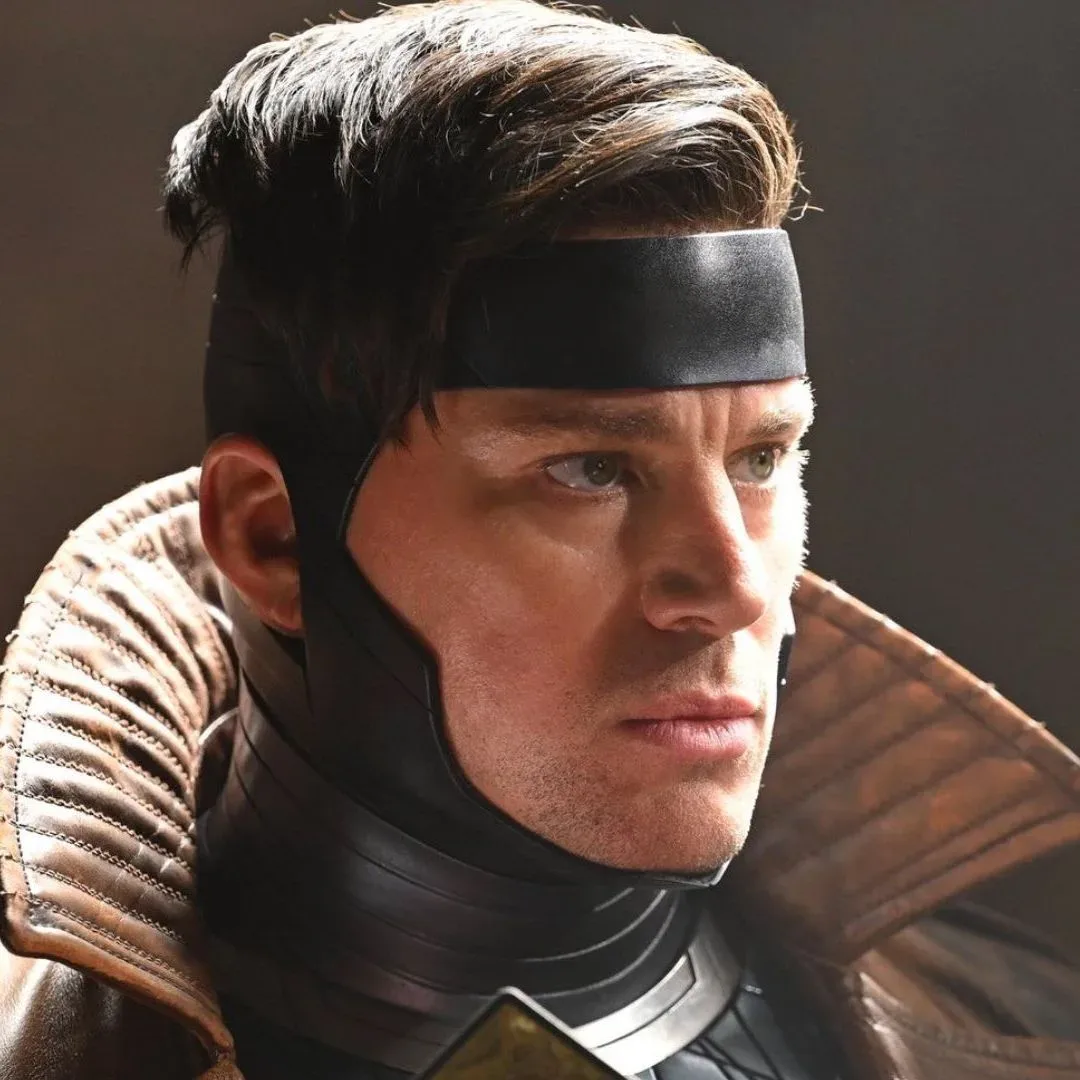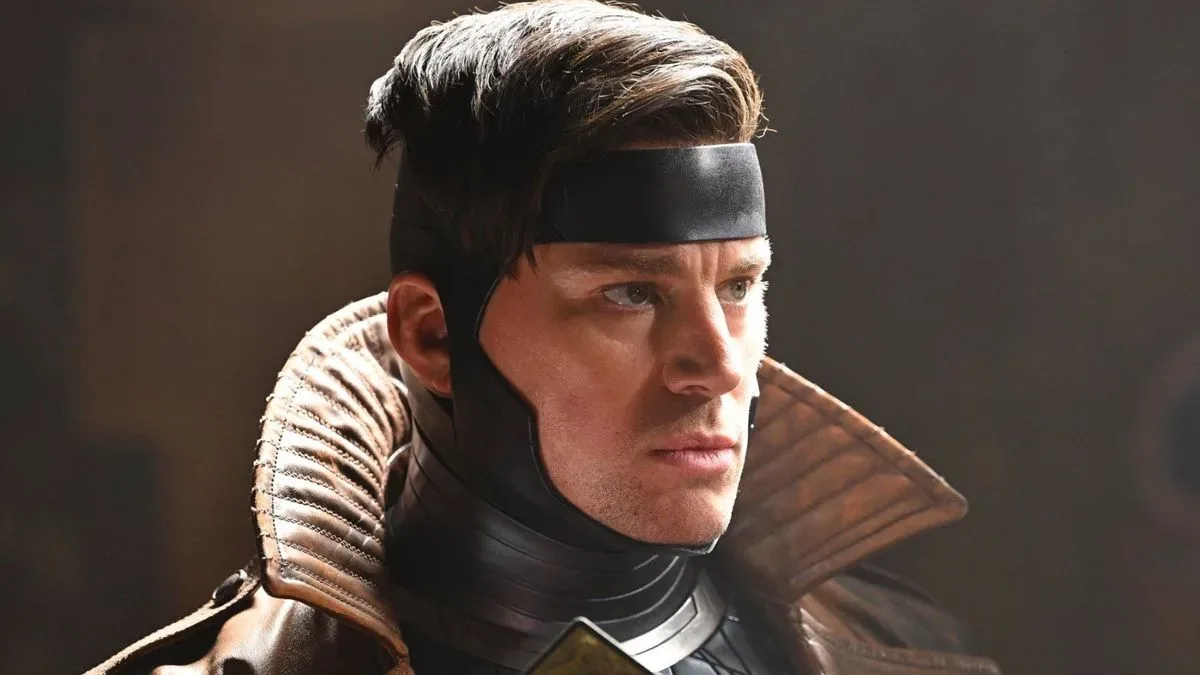
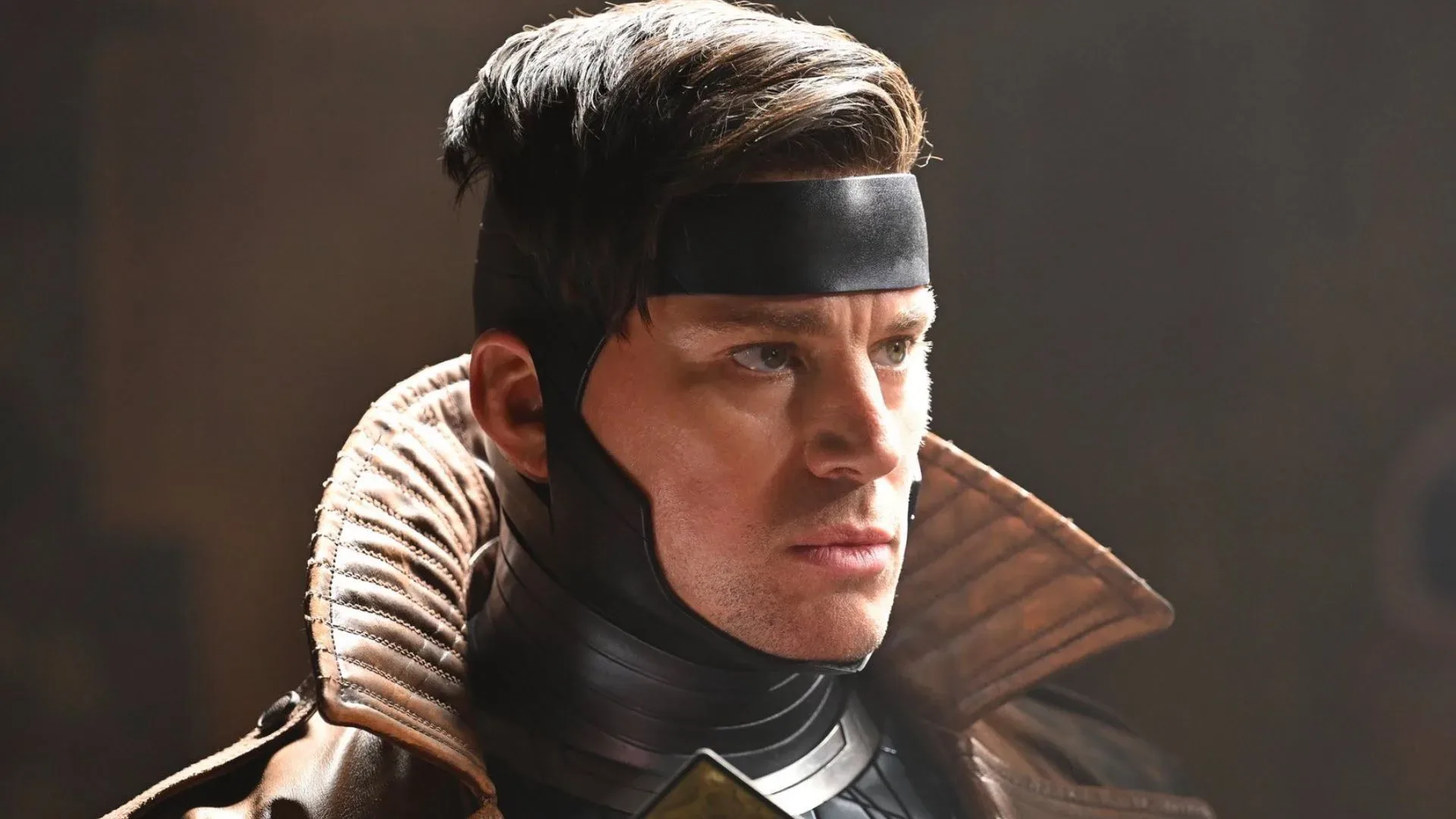
Channing Tatum’s Gambit may arrive in Avengers: Doomsday carrying a charged deck, a famous trench coat, and precisely zero clean answers about where he belongs in the Marvel multiverse.
Tatum has indicated that the film does not directly explore Gambit’s universe of origin. While he connected the character to the continuity associated with Ian McKellen’s Magneto and Patrick Stewart’s Professor X, he also added an important qualifier: it is that timeline “with gray around it.” The actor further described Gambit’s position after Deadpool & Wolverine as unusually unrooted, saying the new film starts at a point where the story does not get around to addressing where Gambit came from.
That is a deliberately slippery piece of superhero continuity—and it matters more than a trivia-card answer. Gambit’s background could determine whether Tatum’s take on the character is meant to be a returning representative of a legacy X-Men world, a displaced survivor of a multiversal catastrophe, or simply a player dropped into an Avengers-scale event before the audience gets a proper orientation.
For now, none of those readings is confirmed. What is confirmed is narrower: Avengers: Doomsday apparently will not pause to give Gambit a full origin explanation.
What Tatum’s comments actually establish
The useful distinction here is between a character’s continuity connection and a character’s immediate story setting. Tatum has tied Gambit to the same broad timeline as McKellen’s Magneto and Stewart’s Professor X. But the “gray around it” wording suggests that this is not necessarily a neat, unaltered continuation with every boundary clearly defined.
That ambiguity tracks with Gambit’s prior appearance in Deadpool & Wolverine. Tatum described the character as, in a sense, having been born in the Void and as not having been anywhere else. In plain terms, the Void is the story space that leaves a character disconnected from an ordinary home timeline. It is not the same thing as a clear statement that Gambit has a conventional place in the legacy X-Men setting.
That makes a tidy answer—“this Gambit is from exactly this universe at exactly this point in its history”—less available than fans might want. His association with the McKellen and Stewart era provides a meaningful clue, but it does not settle the mechanics of how he gets from there to Doomsday, nor does it tell viewers what has happened to that world by the time the new movie begins.
Marvel’s multiverse stories often use variants, alternate realities and displaced characters as distinct concepts. A variant is generally another version of an individual. A timeline or universe is the larger reality that character occupies. A character can be connected to a familiar universe while still being displaced from it, and that distinction appears central to the uncertainty surrounding Gambit.
Why the lack of explanation has fans reading into the trailers
The missing backstory does not automatically mean Gambit is in danger. It does, however, make an existing fan concern easier to understand.
Trailers have shown substantial material involving an Avengers-versus-X-Men clash at the X-Mansion. They have not, at least from the information available here, offered comparably extensive glimpses of the X-Men later in the story. That has helped fuel a theory that the X-Men could be removed from the board early in the film.
It is worth being careful with that leap. Trailer footage is promotion, not a plot map. A trailer can emphasize a confrontation because it is visually clear, instantly recognizable and useful for selling the premise, without revealing what happens before or after it. The absence of certain later scenes is not evidence by itself that those scenes do not exist. It may simply be evidence that the marketing intends to preserve them.
Still, Tatum’s statement creates a reasonable dramatic question. If Gambit enters a huge ensemble story without time for an explanation of his past, is that because the film is moving at too fast a clip for individual histories—or because the character’s role is designed to be brief?
Neither possibility can be treated as fact. The first is especially plausible because the film has a very large cast and appears to be handling the collision of Avengers and X-Men characters. An ensemble event movie has to make choices about narrative economy: which relationships get development, which characters receive an entrance, and which pieces of lore are communicated only through implication.
In that kind of structure, a full Gambit history may simply rank behind the central conflict. The movie could use him as an active personality in the present without stopping to establish the full geography of his past. That can be frustrating for viewers who have waited to see Tatum play the character, but it would not automatically mean the character is being discarded.
The reboot context makes every legacy appearance feel provisional
The anxiety also comes from the wider X-Men situation. A Marvel X-Men reboot is coming with an all-new cast. That fact naturally makes the legacy X-Men characters in Avengers: Doomsday feel as though they may be approaching a handoff point.
A handoff can take many forms. A movie might use familiar faces to establish the stakes of a multiversal event. It might bring them together for a temporary crossover without committing them to long-term appearances. Or it might provide a more definitive farewell before a new cast takes the team in another direction. The supplied information does not establish which route Doomsday takes.
What it does establish is why audiences are treating small wording choices as clues. When a franchise is preparing a recast and an event film includes characters associated with an earlier screen era, uncertainty is part of the viewing experience. Every unexplained origin, missing trailer shot or carefully vague answer can look like a potential signal.
That is especially true for Gambit because Tatum’s version does not arrive with a long chain of earlier solo appearances to anchor him. His story has a different shape from characters whose screen history has been built across multiple films. His current status is, by Tatum’s own account, tied to the strange logic of the Void and a story that does not stop to define his home universe.
In other words, this is less a continuity error than an intentionally unresolved continuity problem. The movie may eventually answer it, it may defer the answer, or it may regard the answer as less important than the immediate crossover. Until the film is released, the distinction cannot be resolved.
What audiences should expect—and what they should not assume
The clearest expectation is modest: viewers should not go into Avengers: Doomsday anticipating a detailed Gambit-origin chapter. Tatum has already said the movie does not get into where he comes from. Anyone hoping for a full explanation of how his connection to the legacy X-Men timeline works may need to wait for a later project, if one is planned.
That does not mean the movie will ignore Gambit as a character. Origin exposition and character presence are different things. A film can give someone a memorable role, strong interactions and a clear purpose in the central conflict while leaving their larger biography unresolved. Conversely, a long explanation would not guarantee an important role. Runtime is not a simple measurement of a character’s eventual fate.
It is also premature to treat the Avengers-versus-X-Men material as confirmation that the X-Men will die early. That remains fan theory, not an announced plot point. The X-Mansion confrontation is real trailer material; conclusions about who survives it are speculation.
The safest read is that Doomsday is being positioned as a collision story first. It has to move characters from different corners of Marvel’s on-screen history into the same crisis. Gambit’s unclear location within that framework may be a feature of the premise rather than a mystery with a quick answer.
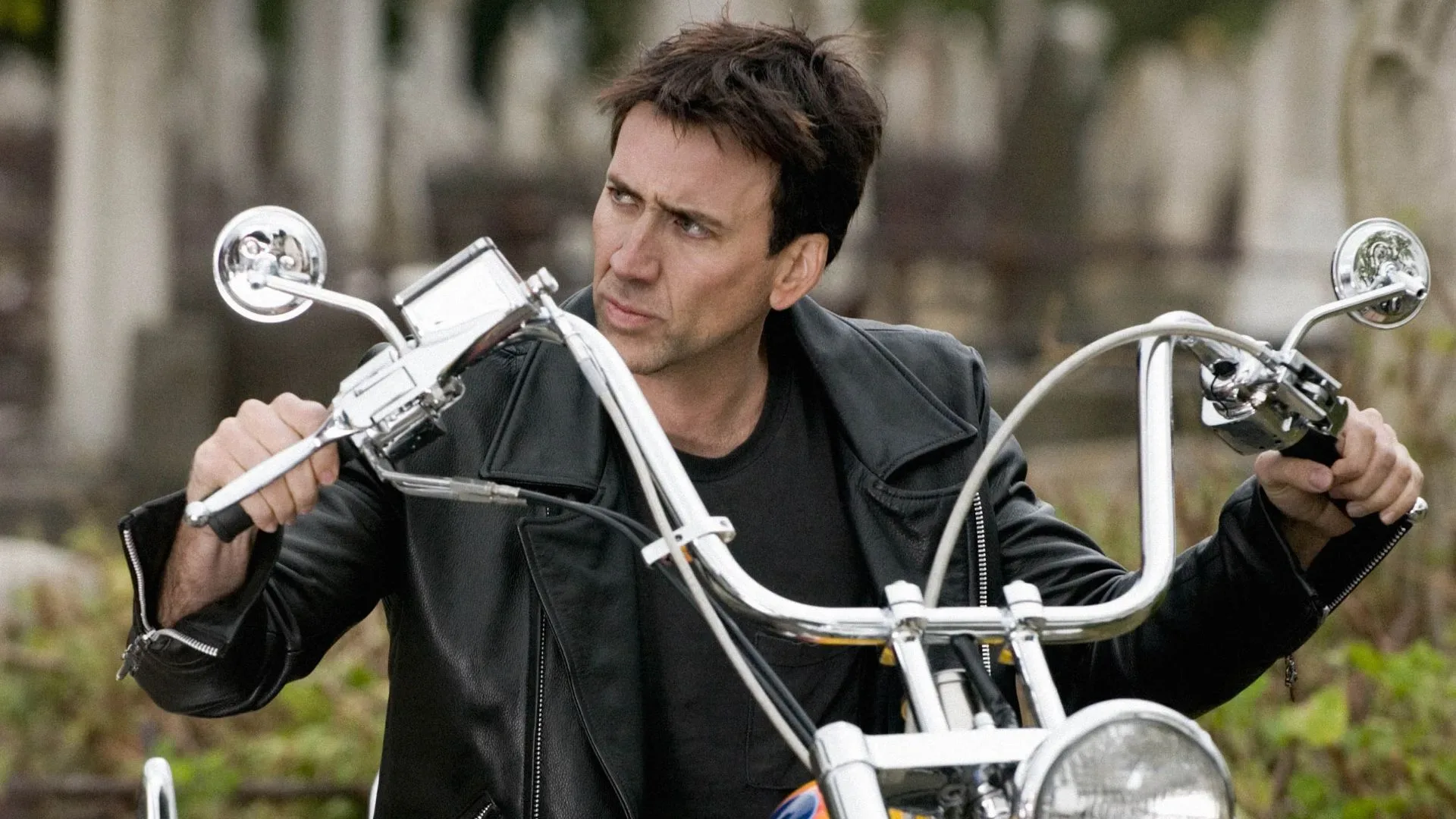
For fans who want more Marvel casting context while waiting, there is also the separate conversation around Marvel’s next Ghost Rider. But Gambit’s question is its own peculiar puzzle: he is linked to a known X-Men legacy, shaped by the Void, and heading into a story too large to clarify every corner of the map.
Avengers: Doomsday is scheduled to arrive on December 18. Until then, Tatum’s comments offer one useful answer and several larger questions: Gambit has a connection to the legacy X-Men timeline, but the film will not fully explain that connection—and nobody should mistake that ambiguity for confirmation of his fate.