Marvel’s post-Avengers: Endgame challenge was never simply to add more heroes. It was to persuade audiences that new heroes could carry emotional and blockbuster weight after a story built around Tony Stark, Steve Rogers and the original Avengers reached its defining climax. Shang-Chi and the Legend of the Ten Rings, released in 2021, remains one of the clearest examples of that transition working on its own terms.
Simu Liu’s Shang-Chi arrived without the decades of on-screen setup that benefited many earlier MCU leads. The film instead gives him a compact, readable foundation: a skilled fighter trying to live outside a family legacy, drawn back into a conflict involving his father, the Ten Rings organization and the immensely powerful artifacts that share its name. Its title may be a mouthful, but its central idea is not. Shang-Chi is a hero shaped by what he was trained to be, and by his decision to become something else.
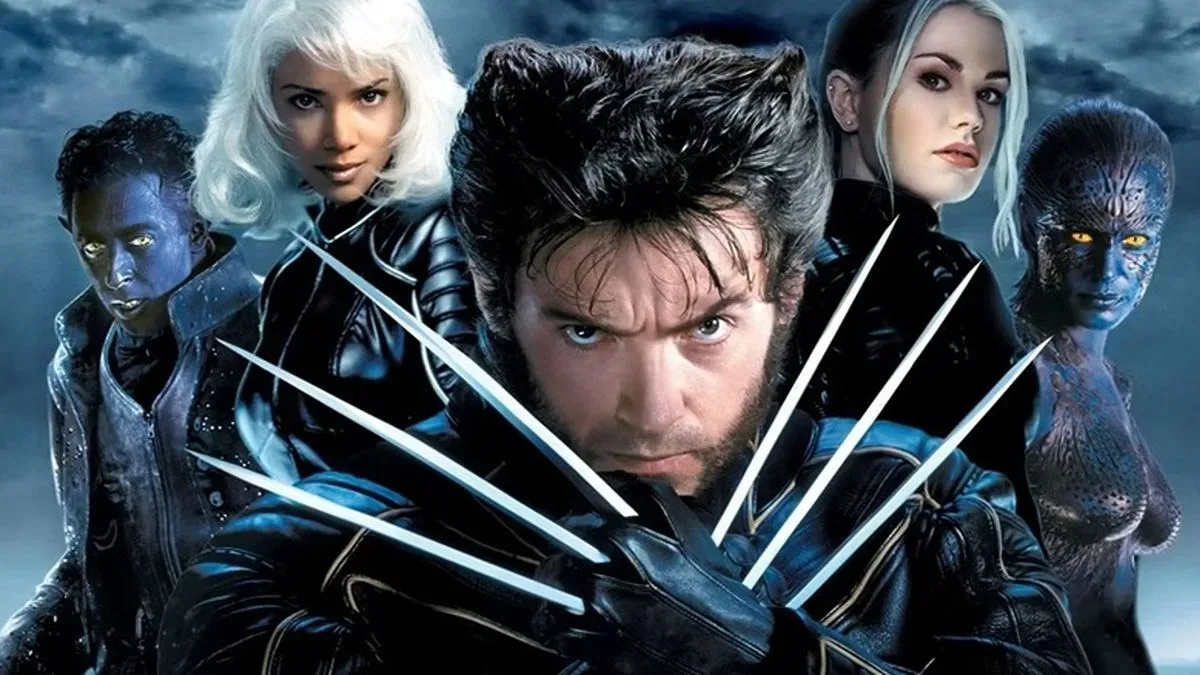
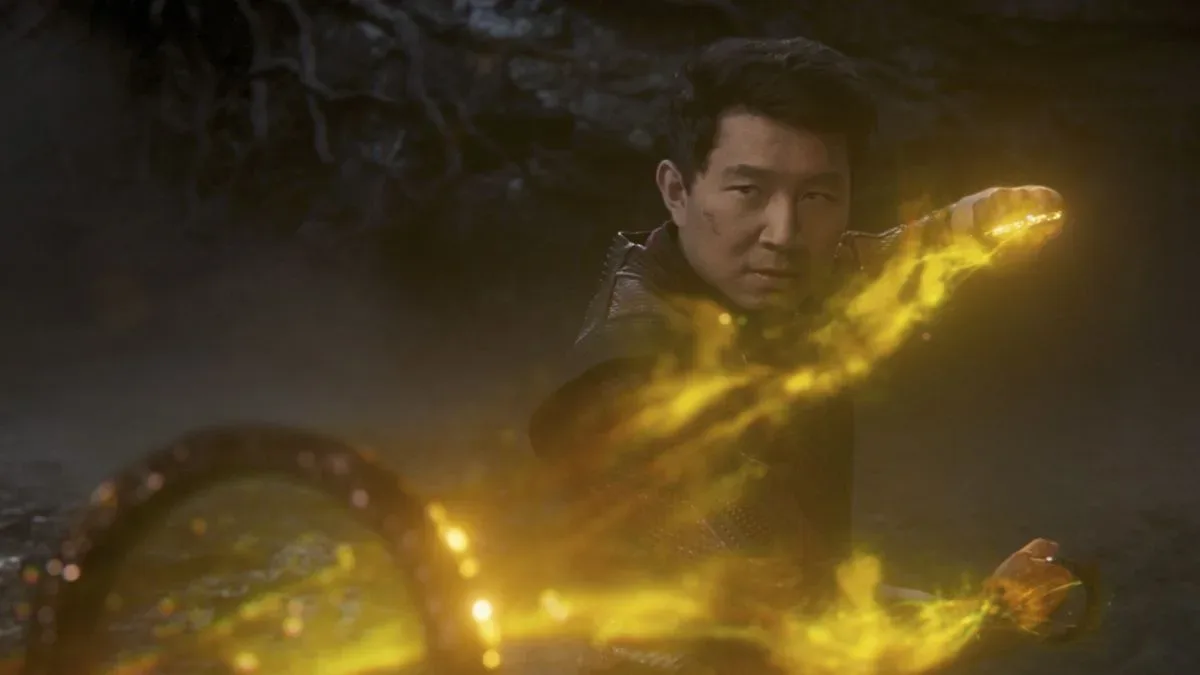
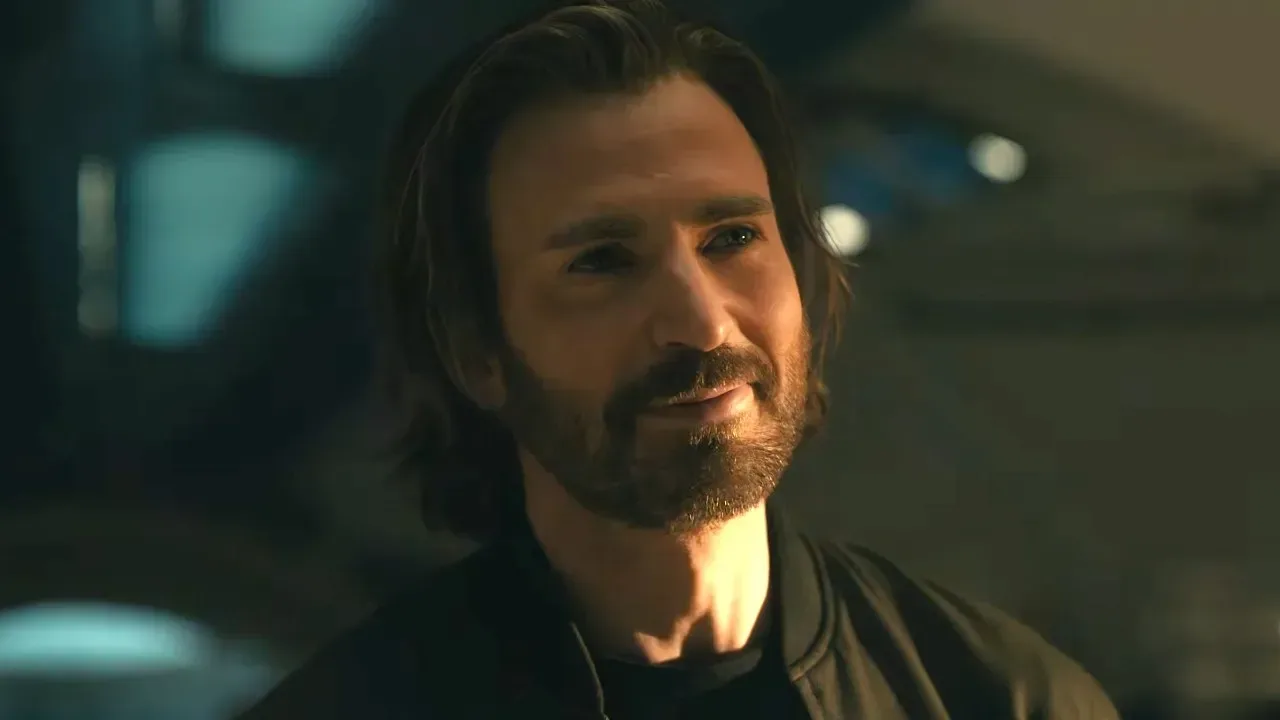
That clarity is useful as Avengers: Doomsday approaches. The event film is set for December 18, and Shang-Chi is positioned to return alongside both established MCU figures and legacy X-Men characters. A trailer has also teased a confrontation between Shang-Chi and Channing Tatum’s Gambit. That matchup is easy to understand before any wider multiversal stakes enter the equation: one combatant is a martial artist wielding ancient weapons, while the other is a mutant associated with charged playing cards. It is the kind of direct, visual character collision an ensemble film can use to introduce dynamics quickly.
A newcomer who already had a complete starting point
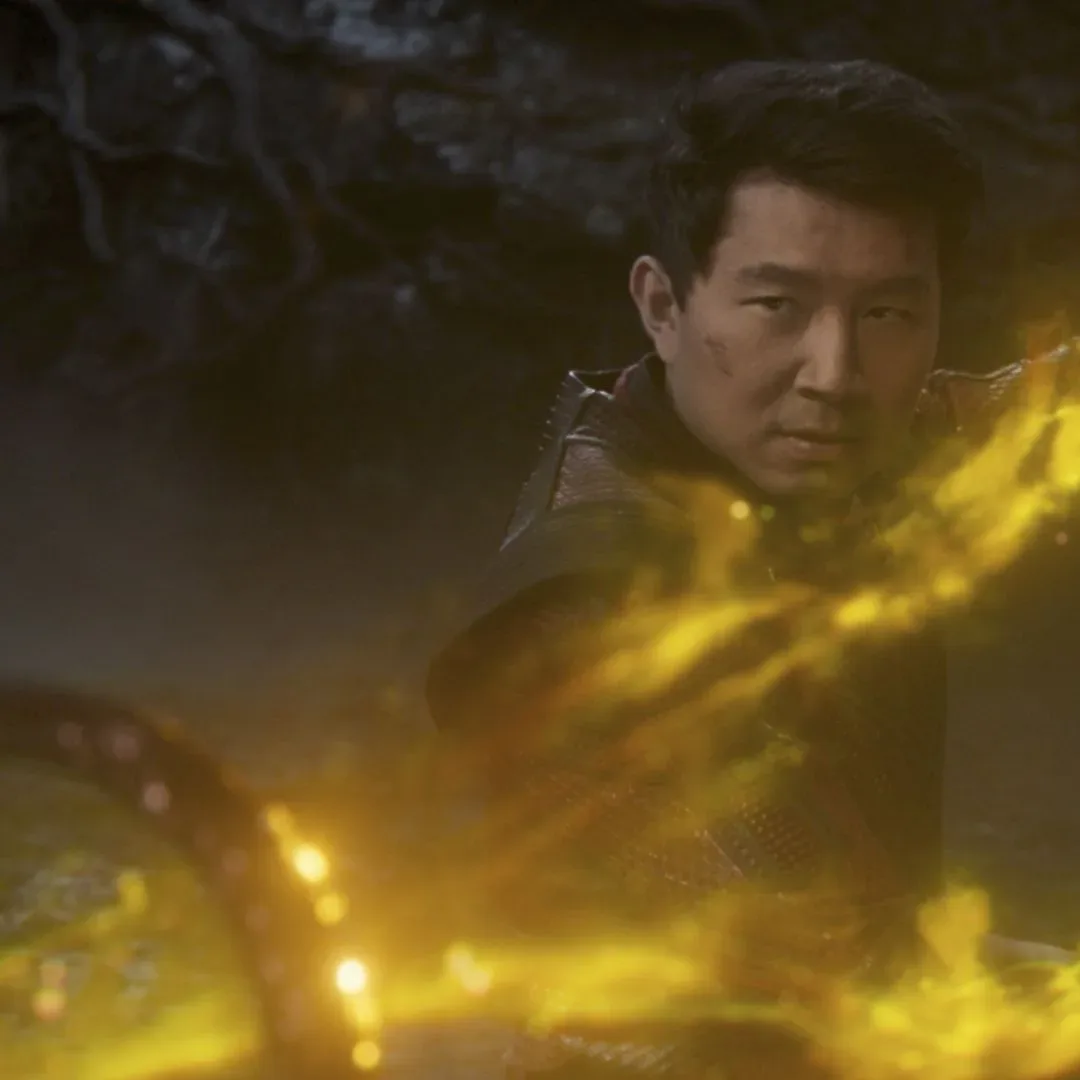
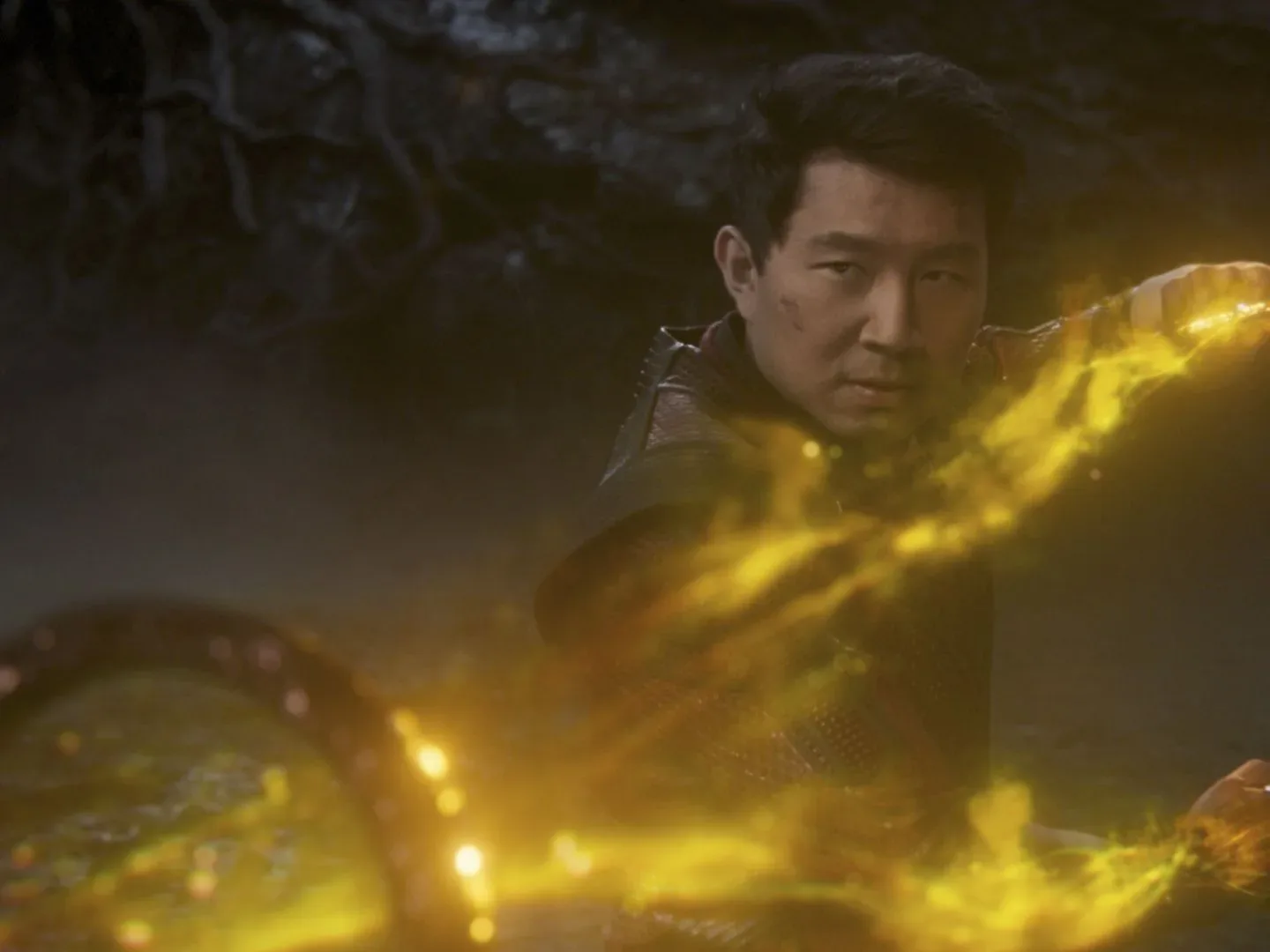
One reason Shang-Chi stands apart among newer MCU additions is that his first film does not wait long to establish its identity. The Ten Rings are introduced as ancient weapons of enormous power. The story then shifts to the present, where Shang-Chi is attacked on a bus by members of the organization. That sequence establishes his combat ability, the threat pursuing him and the movie’s preferred action language in a concentrated burst.
The action is significant for more than spectacle. Martial-arts choreography communicates character differently from the heavily armored, energy-based or aerial combat that often dominates superhero cinema. It emphasizes distance, timing, balance, reaction and improvisation. Shang-Chi’s fighting tells viewers that he is capable before the script needs to deliver a lengthy explanation of his place among super-powered characters.
That does not mean the movie ignores larger fantasy elements. Its story broadens into mysticism, hidden places and creatures, eventually landing in a final act that leans heavily on computer-generated imagery. The shift is a real tonal change, and it may not work equally well for every viewer. Yet it also gives Shang-Chi’s corner of the MCU an identity beyond another secret-government or spacefaring plot. The Ten Rings connect intimate family pain to an artifact with potentially universe-level importance.
For a shared universe, that combination is valuable. A character can have a personal reason to act while still possessing a credible route into a giant crossover. Shang-Chi does not need to be retroactively gifted a reason to matter. His post-credits scene already brings Bruce Banner and Captain Marvel to him because the Rings warrant attention. That is a clean narrative thread for Doomsday to pick up.
The Ten Rings are more than a prop
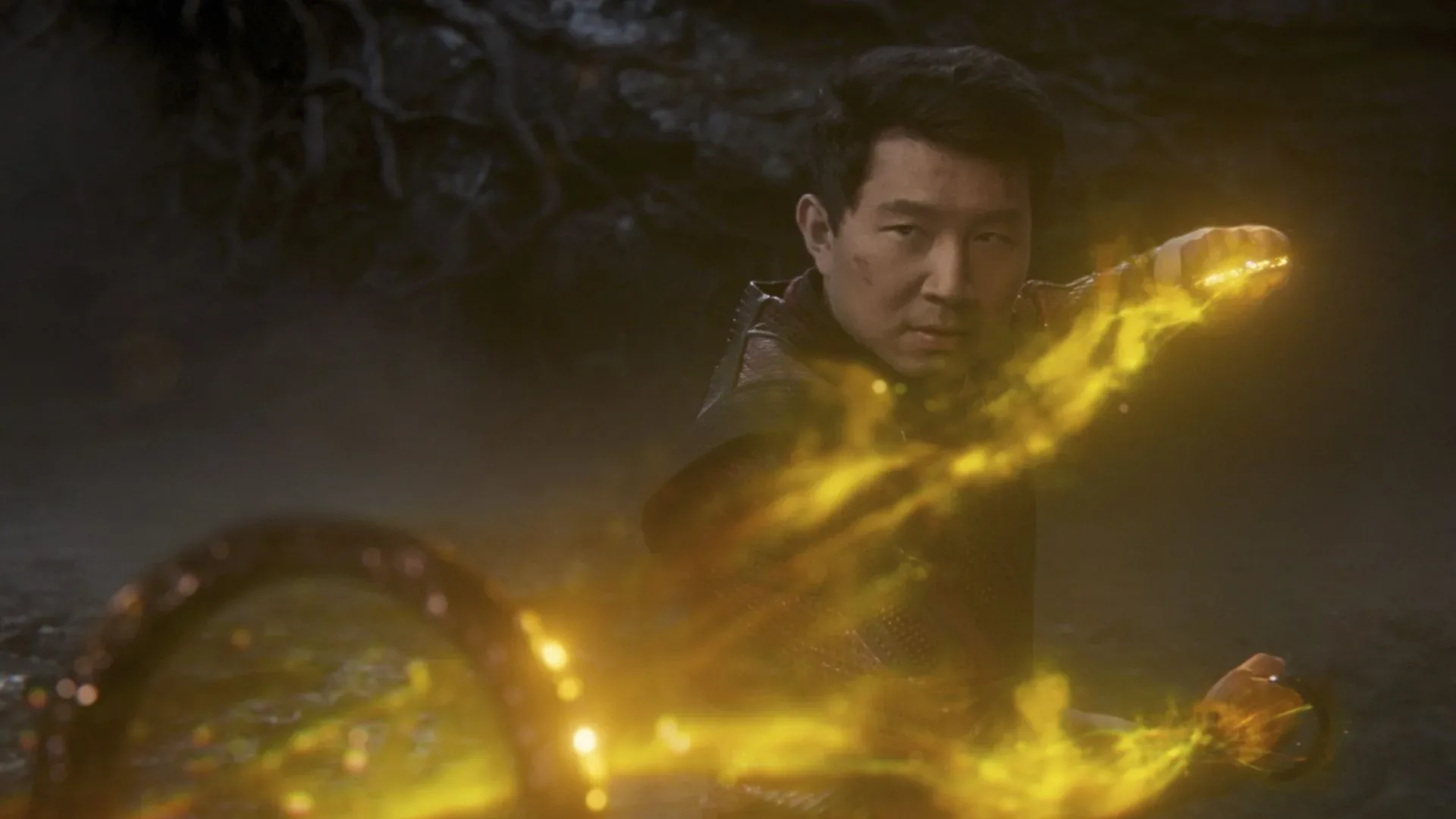
In superhero storytelling, an artifact is an object whose unusual power can shape the plot, character choices or a film’s larger mythology. The Ten Rings qualify on all three counts. They are weapons, but they are also tied to the legacy Shang-Chi inherits from his father. This makes them more useful than a generic power-up: using them places Shang-Chi in contact with the family history he has tried to escape.
That distinction could be particularly important in an Avengers movie. Ensemble stories need efficient storytelling tools. A major object can connect characters who would otherwise have little reason to meet, provide a plausible source of conflict and give a newcomer a specific contribution to make. The Rings’ mystery was deliberately left open by the post-credits sequence, which means their return would feel like follow-through rather than a fresh piece of homework for the audience.
There is also a practical advantage in having Shang-Chi’s abilities tied to something visually distinct. The Rings provide a recognizable silhouette and a way to stage action that is not identical to the MCU’s other fighters. In a crowded battle, differentiation matters. Viewers should be able to understand what a character brings to the screen even amid an enormous cast and fast-moving effects work.
Family conflict gave the spectacle a center
Shang-Chi and the Legend of the Ten Rings is not only a succession of fights. Its biggest emotional conflict is familial. Shang-Chi’s return to danger forces him to reckon with his father and with the damage caused by the expectations placed on him. That personal framework helps explain why the action matters to him specifically.
This is a useful model for large franchise films. “The world is at risk” is a broad stake; it tells the audience why an event is objectively important. Personal stakes answer a different question: why does this particular hero care, and what choice will reveal who they are? Shang-Chi’s debut provides that answer in a way that does not depend on familiarity with a long line of earlier appearances.
The film also uses humor and an energetic pace to keep its heavier elements from becoming inert. Trevor Slattery’s return is a tonal detour that can feel jarring beside the family drama and mystical material, but the broader film’s mix of wit and action gives Shang-Chi a human, approachable rhythm. That matters when placing him next to characters with far more accumulated screen history. He can enter an Avengers room as a capable hero without becoming merely another solemn guardian of a cosmic MacGuffin.
Why the Gambit tease makes sense
The teased Shang-Chi-versus-Gambit encounter is not confirmation of the full context around their clash, so it is best treated as a glimpse rather than a map of the plot. Still, it indicates an encouraging approach to crossover storytelling. Put two heroes with sharply different methods into the same space and the movie gets a memorable question immediately: how do their abilities, priorities and temperaments collide?
Gambit’s card-based powers and Shang-Chi’s martial-arts approach give the confrontation a visual hook before either character says a word. It can also introduce Shang-Chi to audiences arriving for the X-Men side of the ensemble, and introduce Gambit to viewers more familiar with the MCU’s recent heroes. Such encounters are part of what makes a crossover feel like more than a roll call.
The larger backdrop is the multiverse collapsing, with Robert Downey Jr.’s Doctor Doom positioned as the central adversary. Multiverse stories can create enormous scale, but their vocabulary can become abstract: realities, timelines and variants are not automatically emotional stakes. Shang-Chi offers a helpful counterbalance. His strongest material is grounded in physical action and a defined personal history. Even if Doomsday goes maximalist with its setting and cast, he is a character who can make an audience feel the immediate impact of a fight.
An absence that makes the return more noticeable
Shang-Chi has been absent from the MCU for years following his debut, despite the film’s more than $430 million box-office result and the unresolved question surrounding the Ten Rings. That gap means Doomsday has an opportunity as well as a responsibility. The opportunity is to reintroduce a hero whose first appearance left a strong, self-contained impression. The responsibility is to remind viewers who he is without reducing him to a weapon bearer standing in the background of a legacy-character reunion.
His return could work best if the movie preserves the qualities that made the original feel distinctive: precise hand-to-hand action, comic warmth and a personal perspective. The Avengers format need not recreate Shang-Chi’s family story, but it should give him a decision or conflict that belongs to him. A cameo-sized role would answer the question of where he has been; a meaningful role would answer why the MCU introduced him in the first place.
That is especially relevant as Marvel revisits familiar faces. Returning heroes can offer immediate recognition, and legacy X-Men bring their own audience history. But a successful shared universe also needs characters whose importance has been earned more recently. Shang-Chi is a strong candidate because his first film already completed the difficult first step: it made audiences understand his skills, personality, emotional baggage and connection to larger MCU mysteries in one outing.
What to revisit before Doomsday
For anyone catching up ahead of December, Shang-Chi and the Legend of the Ten Rings is a sensible priority. Watch for the early explanation of the Rings, Shang-Chi’s relationship with his father, the bus attack and the post-credits encounter with Banner and Captain Marvel. Those are the clearest pieces likely to inform his place in the next ensemble chapter.
- The Ten Rings: They are ancient weapons, central to Shang-Chi’s inheritance and still surrounded by unanswered questions.
- Shang-Chi’s fighting style: His close-quarters skill is a defining screen trait, not incidental decoration.
- The family story: It explains the emotional foundation beneath the fantasy stakes.
- The post-credits scene: Banner and Captain Marvel’s interest in the Rings provides a direct bridge to the wider MCU.
- The Gambit footage: Treat it as evidence that Shang-Chi will be active in the crossover, while keeping the scene’s wider context uncertain.
Shang-Chi’s appeal is not that he must replace the heroes who carried the MCU through Endgame. It is that he brings a different texture to the roster: a fighter whose biggest weapon is inseparable from a difficult legacy, and whose introduction combined grounded character conflict with fantasy scale. That texture is worth protecting in a movie expected to contain Avengers, X-Men and Doctor Doom.
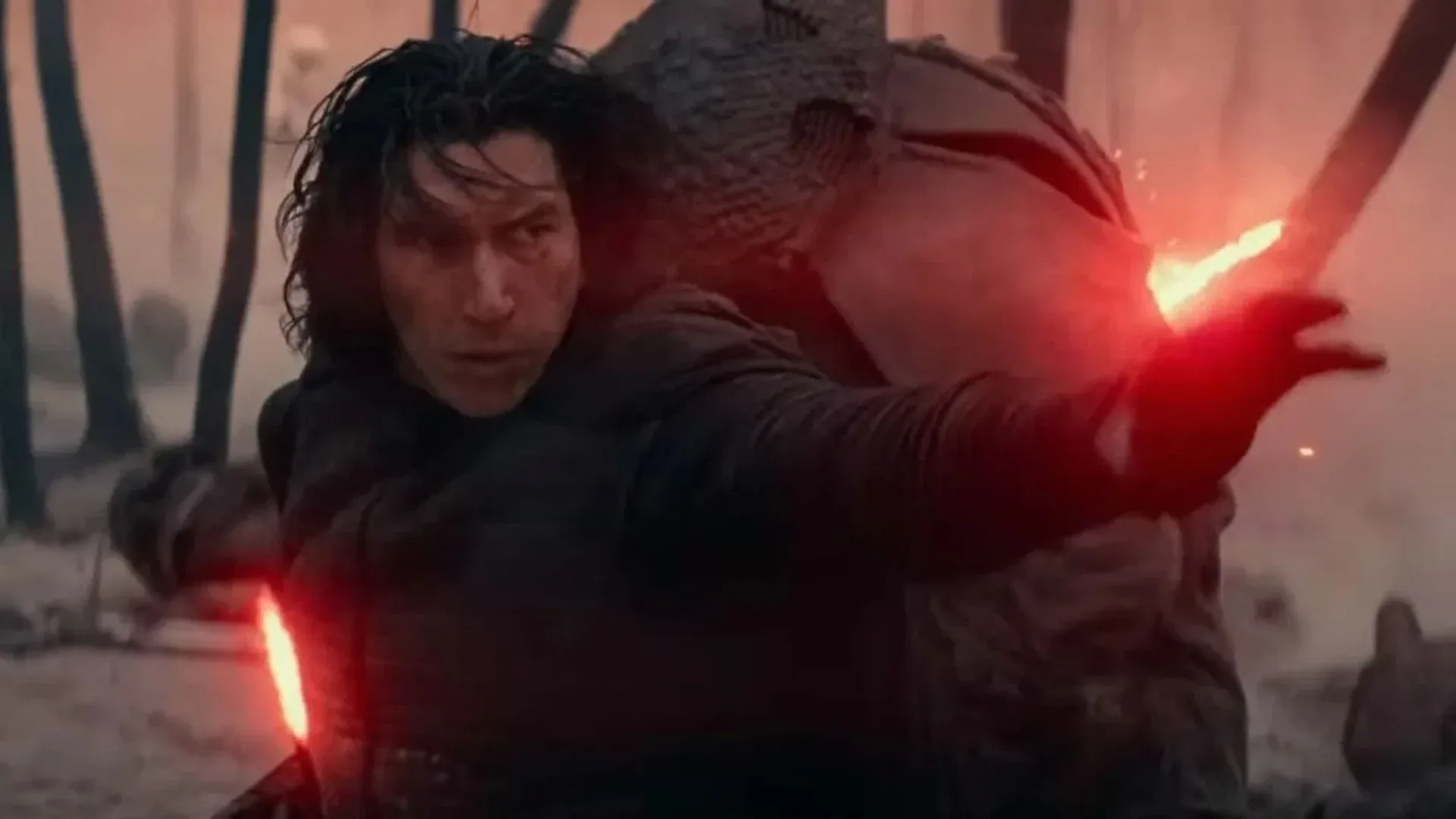
Big franchises often risk making every corner of their universe sound the same. Shang-Chi’s debut showed the benefit of letting a hero’s action style and family history define the story’s tone. Other shared universes face the same balancing act between mythology and character; even the language used to describe a familiar fictional power can be reshaped, as seen in Star Wars’ recent effort to give the Force new names. For Marvel, the immediate question is simpler: can Doomsday turn Shang-Chi’s long-awaited return into a genuine next chapter rather than just a reminder that he exists?
The trailer’s Gambit clash suggests the answer may be yes. If the film remembers why Shang-Chi worked in 2021, the holder of the Ten Rings could be more than another player in an overloaded superhero event. He could be one of the characters who gives its chaos a clear, kinetic point of view.