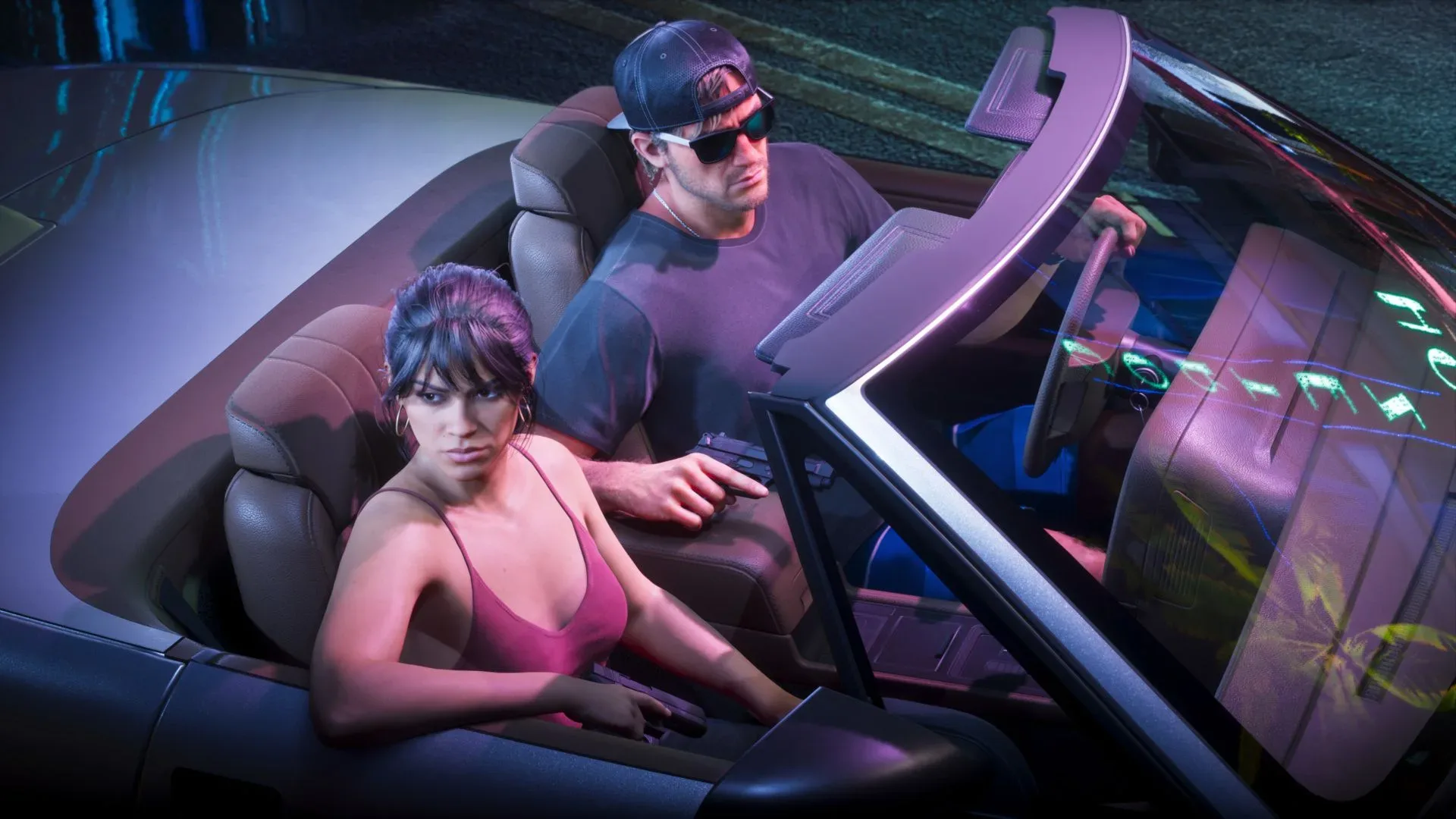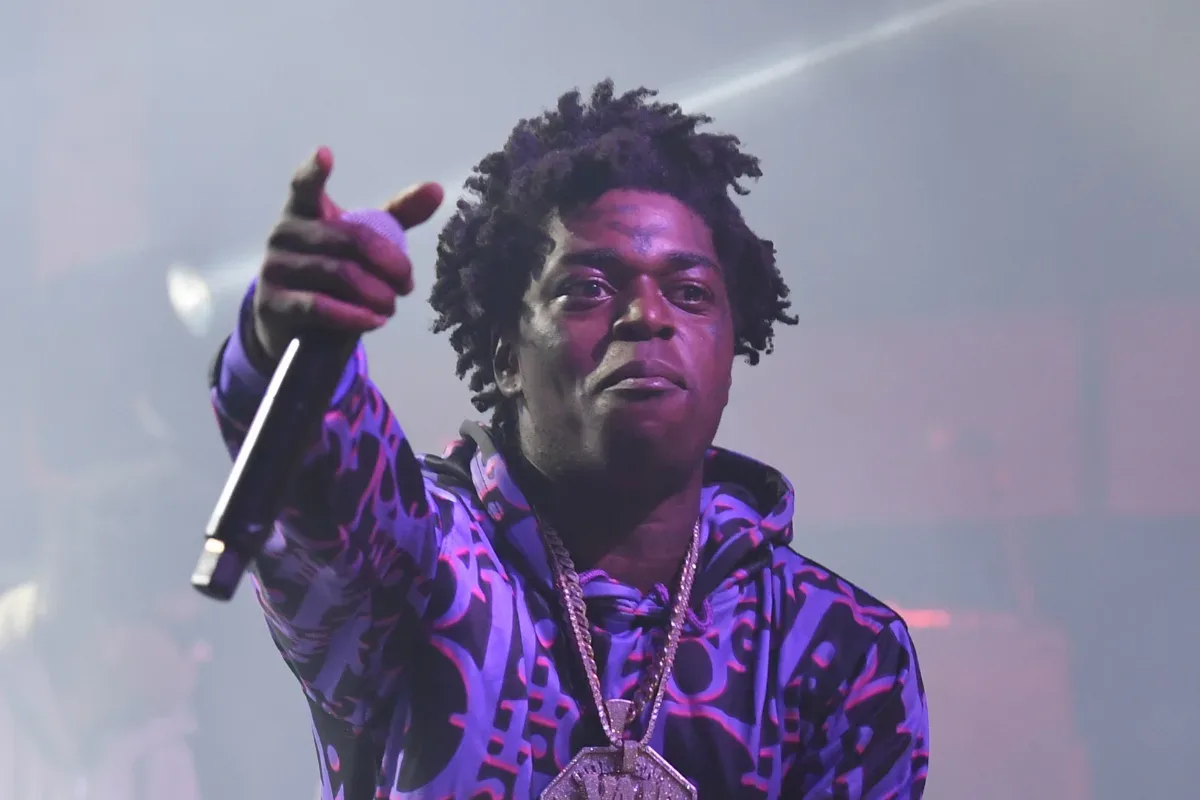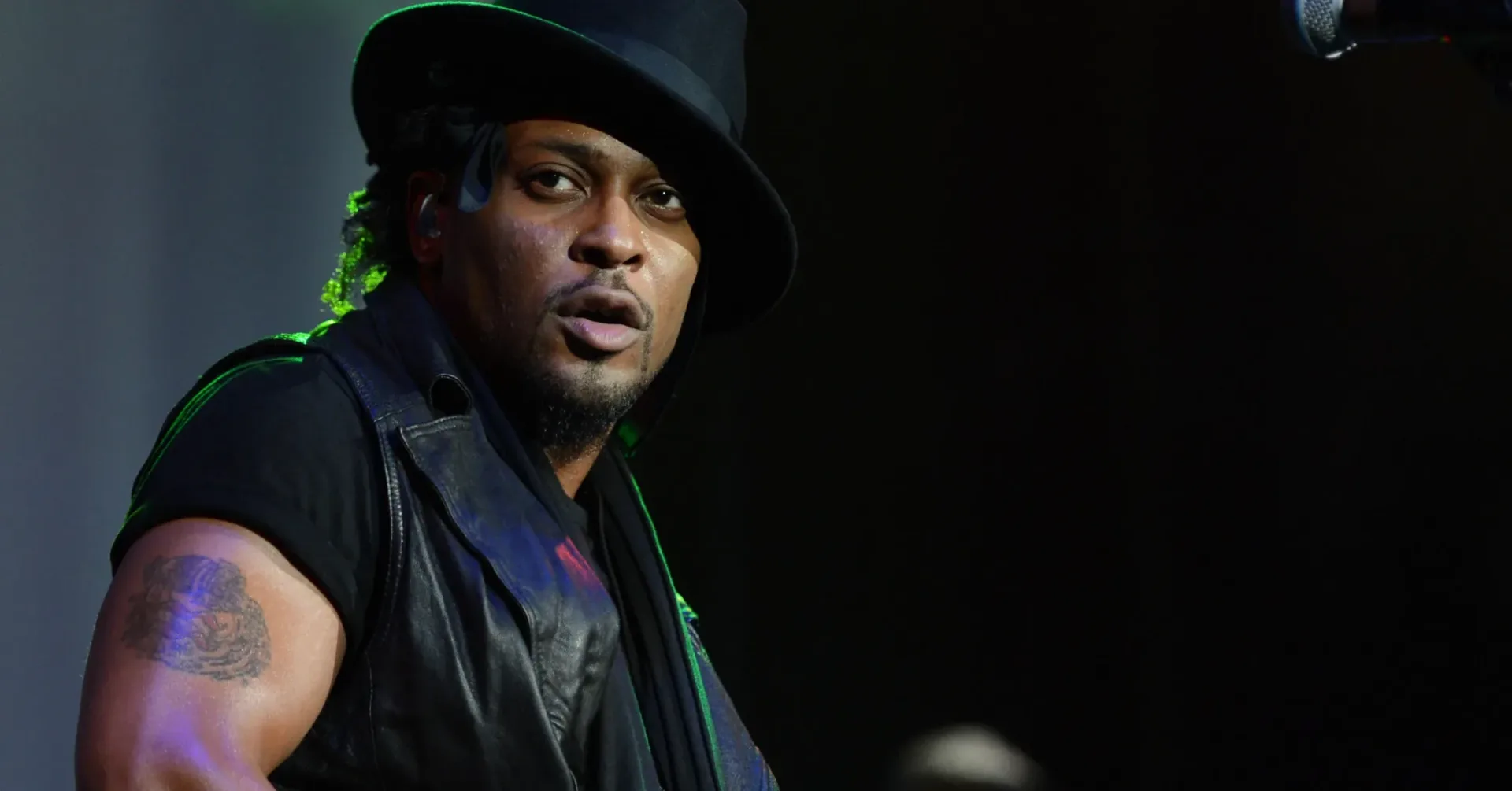
Grand Theft Auto VI: The Album has arrived as a 34-song release tied to Rockstar Games’ open-world blockbuster, bringing a slate of songs credited to major rap and R&B artists into the wider GTA VI music conversation.
The reported additions include Gunna’s “Count Up,” Young Thug’s “Waking Up Flex,” JT’s “GMA,” Tee Grizzley’s “IKYFL,” and Don Toliver’s “TF?” Kodak Black and Don Toliver are also credited together on “Let’s Rock.”
It is a notable music release in its own right, but it also reinforces an important part of the GTA formula: radio is not merely background noise. In a series built around driving through a fictionalized setting for long stretches at a time, station playlists help define the atmosphere of a city, a car ride, a mission gone wrong, or a quiet detour between objectives.
The album’s artist list lands especially clearly alongside the game’s hip-hop-focused stations, including Vice City Rap Radio and Dirty South Classics. The former is positioned around contemporary performers, while the latter’s name signals a different regional and historical lane. Together, those stations give the game room to present modern rap alongside a broader Southern rap identity rather than treating hip-hop as one monolithic radio format.
A soundtrack measured in the hundreds
GTA VI is said to contain more than 800 songs across its radio stations. That scale matters because a large licensed-music catalog is less likely to feel like a short loop during a long game. A soundtrack can be technically huge and still feel repetitive if its programming lacks variety; conversely, a spread of stations, genres and artists gives players more opportunity to find a station that fits the mood of the moment.
Radio programming, in this context, means the way songs are arranged and associated with individual in-game stations. It is distinct from simply placing a music library in a game menu. Station identity gives players a recognizable choice: they can return to a favored format, flip channels when a track does not suit them, or use a particular station as part of how they experience the map.
For hip-hop listeners, Vice City Rap Radio and Dirty South Classics appear to be two of the obvious destinations. The album release adds another route into that material outside of a drive through Vice City: individual tracks can be identified by title and artist rather than encountered only incidentally while playing.
The distinction is useful. An in-game soundtrack normally serves the game first, with its tracks appearing as part of a broader environment. An album, by contrast, packages music as a standalone listening experience. A 34-song album does not necessarily represent every song heard on the radio, particularly when the full game contains more than 800 tracks. Instead, it functions as a defined selection connected to GTA VI’s musical world.
Related coverage includes GTA VI Album Adds Original Songs From Young Thug, Gunna, Kodak Black, Don Toliver and JT.
The newly named tracks
The reported track information identifies several songs and collaborations directly:
- Gunna — “Count Up”
- Kodak Black and Don Toliver — “Let’s Rock”
- Young Thug — “Waking Up Flex”
- Tee Grizzley — “IKYFL”
- Don Toliver — “TF?”
- JT — “GMA”
That combination is notable for its range of voices. It includes solo entries, a two-artist collaboration, and performers who sit in different corners of the current rap landscape. Don Toliver’s presence on both a collaborative cut with Kodak Black and a solo song is particularly conspicuous within the named selections.
The report also identifies Playboi Carti, Travis Scott and Cardi B as artists with songs that had previously been released. That phrasing is worth keeping separate from the named additions: not every artist linked to the GTA VI soundtrack is necessarily represented by a song created specifically for the game. The soundtrack’s appeal, then, comes from a mixture of music associated with familiar artists and material identified as new for this release.
For players, the practical implication is simple: the GTA VI music offering is larger than a playlist of recognizable songs. Its radio ecosystem contains licensed material across genres, while the album gives particular attention to a curated group of tracks and artists connected to the game.
Why original music changes the relationship between game and artist
A licensed soundtrack and a soundtrack featuring original songs are related, but they do different jobs. Licensing places an existing recording into a game. Original music, by comparison, creates a more direct association between an artist’s release and the game’s setting, promotion and audience.
That does not mean every listener will experience the tracks only through GTA VI. The album format makes the music accessible as music, independent of a particular mission or station. But the game still supplies context that a conventional release does not: the songs become part of the texture of a fictional place, linked to traffic, nightlife, exploration and the player’s own choices behind the virtual wheel.
This is also why station branding matters. A title such as Vice City Rap Radio tells players what kind of lane they are entering before a song even starts. Dirty South Classics, meanwhile, invokes a regional rap tradition through its name. The stations can guide discovery without requiring players to know every artist in advance.
There is a larger design consideration here as well. Open-world games are often full of optional activity and unstructured travel. Music helps those unscripted stretches feel authored without forcing players down a single route. Whether someone is heading toward a mission marker or simply roaming, a station can supply continuity while the player creates their own sequence of events.
What the album does—and does not—tell players
The 34-song count gives the album a defined scope, but it should not be confused with a full station-by-station playlist for GTA VI. More than 800 songs are reported to appear across the game’s radio stations, a total far beyond the album’s track count. The available information establishes the album as a substantial companion release, not a complete inventory of all in-game music.
Likewise, the named songs clarify several artists and titles but do not establish every detail of how each track is used in-game. Listeners should avoid assuming a particular mission placement, station rotation, sequence, or gameplay trigger unless that information is specifically confirmed. The key confirmed point is the connection between these artists, the album, and GTA VI’s expansive radio offering.
For anyone tracking the game’s broader culture, the music component is now impossible to treat as a side note. GTA VI’s world includes a large radio catalog, and its companion album draws on high-profile contemporary artists with specifically named songs. That makes the soundtrack a major part of how the game will be discussed beyond its missions and map.
Players looking for more GTA VI coverage can also see how the game’s early challenge-running scene is taking shape in the first publicly visible GTA 6 speedrun finish.
A sizable musical identity for Vice City
The immediate headline is the artist roster: Young Thug, Gunna, Kodak Black, Don Toliver, JT and Tee Grizzley all have named songs on Grand Theft Auto VI: The Album. Yet the broader takeaway is the scale and intent behind GTA VI’s audio identity. With more than 800 songs spread across its radio stations, the game is presenting music as a major layer of its worldbuilding.
The album’s 34 songs offer a focused entry point into that much wider selection. For fans of the featured artists, it provides specific tracks to seek out. For players, it makes the game’s hip-hop radio offering feel more connected to current releases and collaborations. And for GTA VI, it makes every channel flip a little more consequential—because sometimes the next turn is just a turn, and sometimes it is the exact moment a new favorite track comes on.