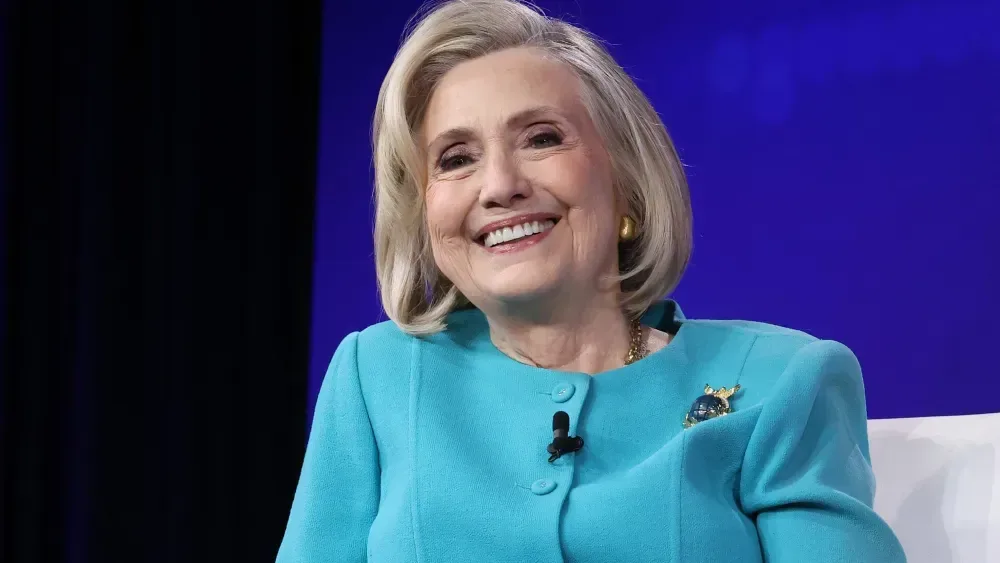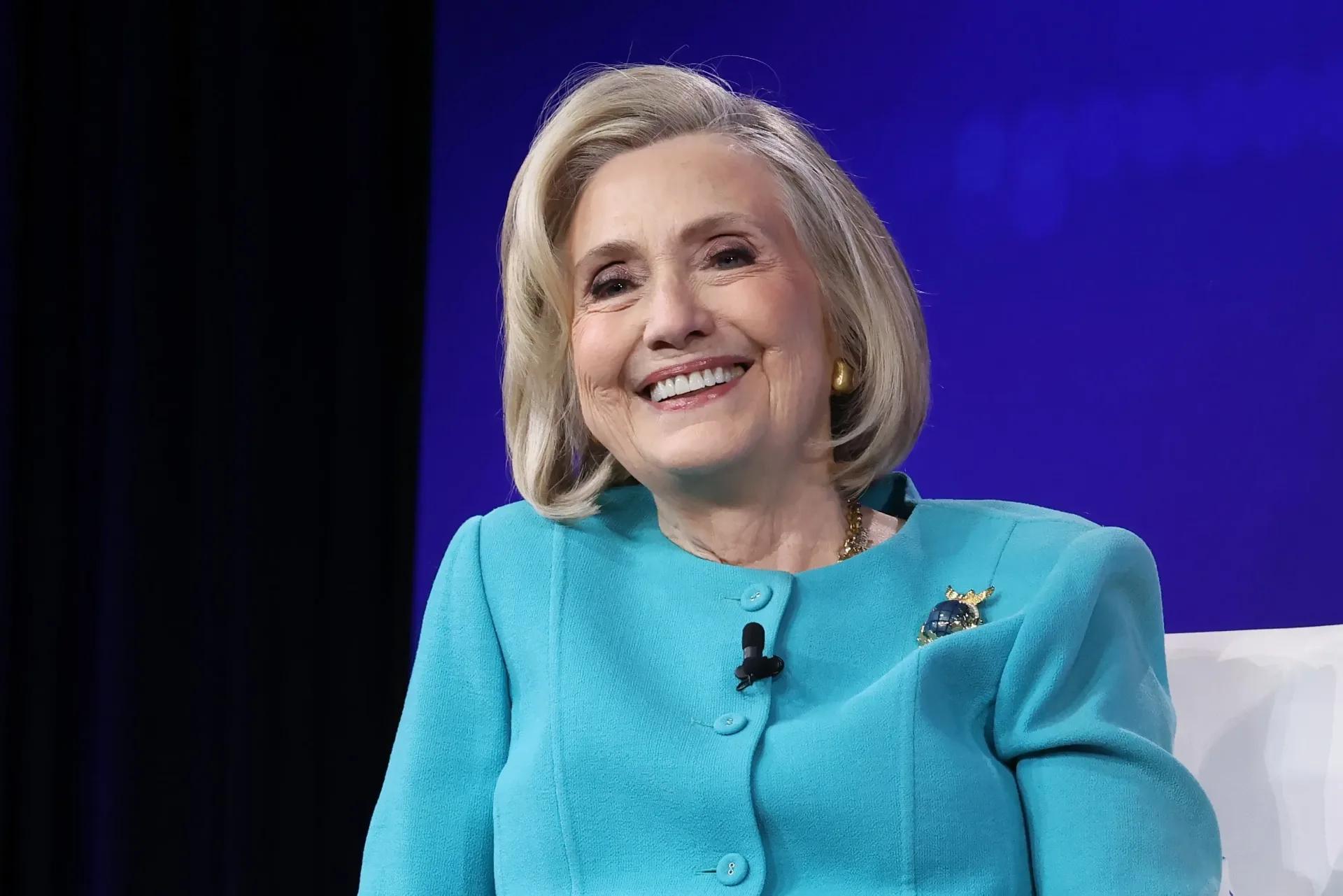
Hillary Clinton is joining Kara Swisher for High Stakes, a limited podcast series centered on the 2026 U.S. midterm elections. The series begins Wednesday, Oct. 14, and will arrive weekly as a third episode of Swisher’s On With Kara Swisher podcast.
The premise is straightforward but unusually weighty for a recurring interview-and-commentary format: Clinton, a former U.S. senator, Secretary of State and presidential candidate, will discuss an election cycle in which control of Congress is at stake. Swisher, a journalist and podcast host known for direct questioning, will share hosting duties rather than simply interview Clinton for a one-off episode.
That co-host structure matters. A guest appearance can be tightly focused around a book, campaign, speech or current event. A limited series, by contrast, gives its hosts room to return to developing stories, challenge each other, revisit earlier assumptions and respond to the changing pace of an election season. The description also promises discussion, debate and humor, suggesting that this will not be presented as a formal policy lecture.
When and where ‘High Stakes’ will run
High Stakes premieres Oct. 14 and will be distributed through On With Kara Swisher, which is associated with New York Magazine. New installments are set for Wednesdays, functioning as a third weekly episode of the existing show.
Calling the project a limited series means it has a defined run rather than an open-ended, permanent expansion of the podcast. No episode total or end date has been specified. Listeners should therefore treat the Wednesday schedule as confirmed while avoiding assumptions about how long the Clinton-Swisher pairing will continue.
Clinton and Swisher will share advertising revenue generated by the episodes under their agreement with Vox Media. That arrangement is notable because it identifies both hosts as participants in the commercial upside of the series, not solely as on-air talent paid through an undisclosed conventional fee.
Why the 2026 focus changes the conversation
Midterm elections are federal elections held between presidential elections. In this case, the series is framed around the 2026 contests and the balance of power in Congress. That gives High Stakes a wider remit than a campaign diary focused on a single candidate: its conversations can address political strategy, the issues influencing voters, the practical effects of congressional control and the way domestic developments intersect with events beyond the United States.
Clinton characterized the coming November election as an exceptionally consequential moment for both the country and the world. She said audiences want substantive conversation about democracy and what political change may mean for their families, while also anticipating debate and laughter with Swisher.
Related coverage includes Hillary Clinton and Kara Swisher Team Up for ‘High Stakes’ Podcast.
That framing makes clear what the series is designed to be: political analysis and conversation from two hosts with distinct professional backgrounds. It should not be confused with an official campaign, a government program or a neutral voter guide. A podcast can offer context and argument; it is not a substitute for checking election rules, candidate positions or official voting information.
What “control of Congress” means
The phrase refers to which political party holds a majority in the House of Representatives and the Senate. Those majorities shape which legislation can advance, who controls key committee leadership positions and how the chambers organize their work. Because the series begins with that balance in view, listeners can reasonably expect discussions of power and process alongside individual races and personalities.
The supplied details do not outline a guest list, specific topics or a reporting format for individual installments. It would be premature to presume the show will cover every major race or that it will follow a fixed structure from week to week. The confirmed information is narrower: Clinton and Swisher are co-hosting a weekly limited series tied to the midterms.
The hosts bring very different kinds of experience
Clinton’s public career has included work as an advocate and attorney, service as First Lady, election to the U.S. Senate from New York, service as Secretary of State during Barack Obama’s presidency and a presidential campaign. In 2016, she became the first woman nominated for president by a major U.S. political party. She won the national popular vote with nearly 66 million votes but lost the Electoral College to Donald Trump.
She has also written 11 best-selling books, including It Takes a Village, Living History, Hard Choices and What Happened. That body of work is relevant to the new show not as a prediction of its exact content, but because it reflects a long record of communicating political and public-policy ideas beyond conventional speeches and press appearances.
Swisher brings an established podcasting platform and a style built around pointed conversations with prominent figures. Clinton has appeared in that broader audio orbit before: she previously guest-hosted Pivot in place of Swisher’s regular co-host, Scott Galloway. Their new project moves beyond that temporary fill-in role to a purpose-built collaboration.
Swisher described the show jokingly as something like Pivot with “an actual expert” as co-host. Behind the gag is a useful shorthand for the likely dynamic. Clinton has firsthand experience in campaigns, Senate politics and diplomacy; Swisher’s role is likely to preserve a conversational, questioning energy rather than turn the program into a monologue.
A media partnership with room for more
Vox Media is backing the series and has indicated that future collaborations with Clinton and Swisher are planned, though it has not provided details. There is no confirmed title, format, launch window or topic for those potential projects. For now, High Stakes is the concrete next step.
The series also arrives during a period of corporate change around Vox Media’s assets. James Murdoch’s Lupa Systems earlier acquired the company’s podcast network along with Vox.com and New York Magazine, in a deal reported to be worth more than $300 million. Separately, other digital brands previously associated with Vox Media—including Eater, The Verge, SB Nation, Popsugar, The Dodo, Punch and Thrillist—were acquired by PMC.
For listeners, the practical point is less about ownership mechanics than distribution and editorial positioning. High Stakes is being folded into an existing podcast feed and publishing relationship rather than launched as an isolated standalone audio product. That can make it easier for regular On With Kara Swisher listeners to find, while placing Clinton’s new media work within an established conversational format.
What listeners can expect—and what remains unknown
The announced setup supports several clear expectations:
- A weekly Wednesday release pattern: The series is slated to run as an additional weekly installment of On With Kara Swisher.
- A 2026 midterm-election lens: Congress, democracy and the stakes surrounding November are central to the stated premise.
- Two active hosts: Clinton and Swisher are positioned as co-hosts, with room for discussion and disagreement.
- A limited run: This is not currently described as an indefinitely continuing show.
- An ad-supported business arrangement: The two hosts will receive a split of ad revenue from the episodes.
Several significant details have not been announced. There is no confirmed length for episodes, no published count of installments, no disclosed guest roster and no complete topic calendar. The announcement also does not establish whether every episode will feature interviews, whether episodes will be recorded in person or remotely, or whether the show will extend beyond the midterm period.
Those absences are worth stating plainly. Political podcast announcements can invite audiences to fill in blanks based on a host’s reputation or prior work, but the project should be judged on its released episodes rather than imagined formats. The central appeal is already distinct enough: a former Secretary of State and presidential nominee will be in a continuing conversation with one of podcasting’s most recognizable interviewers during a pivotal congressional election cycle.
Political podcasts as a format, not a replacement for reporting
Audio is well suited to a fast-moving political environment because hosts can respond regularly without waiting for a television timeslot or a print publishing cycle. The tradeoff is that commentary can move faster than careful verification. For an audience following High Stakes, the best use of the series may be as a perspective-driven companion to direct reading, primary documents and a range of reported coverage—not as the only source of election information.
That distinction is especially relevant when a show’s appeal rests partly on the stature of one of its hosts. Clinton’s experience is substantial, but experience and advocacy are not identical to detached analysis. Swisher’s stated intent to draw out a sharper and funnier side of Clinton could produce a more personal listening experience than audiences get from traditional political interviews. It may also make the boundaries between analysis, argument and entertainment more visible.
That blend is increasingly familiar across audio culture. High-profile voices are often using recurring podcasts to build a more direct relationship with audiences than occasional broadcast appearances allow. For a broader example of how personality-driven media projects are becoming event programming in their own right, see our coverage of Druski’s upcoming Saturday Night Live hosting debut.
High Stakes enters that landscape with an unusually explicit political purpose. Its success will likely depend on whether the Clinton-Swisher partnership can offer more than familiar talking points: clear explanations of what is happening, candid disagreement when warranted and conversations that respect listeners’ need for both urgency and usable context as the 2026 midterms approach.