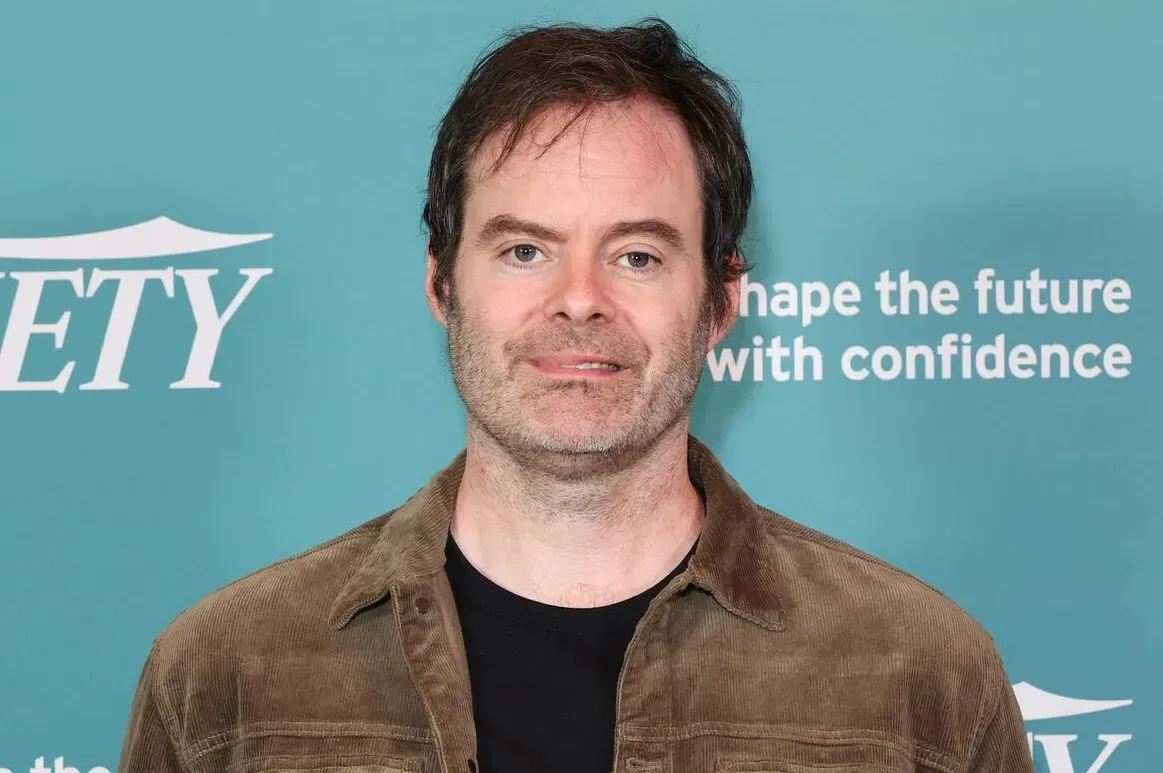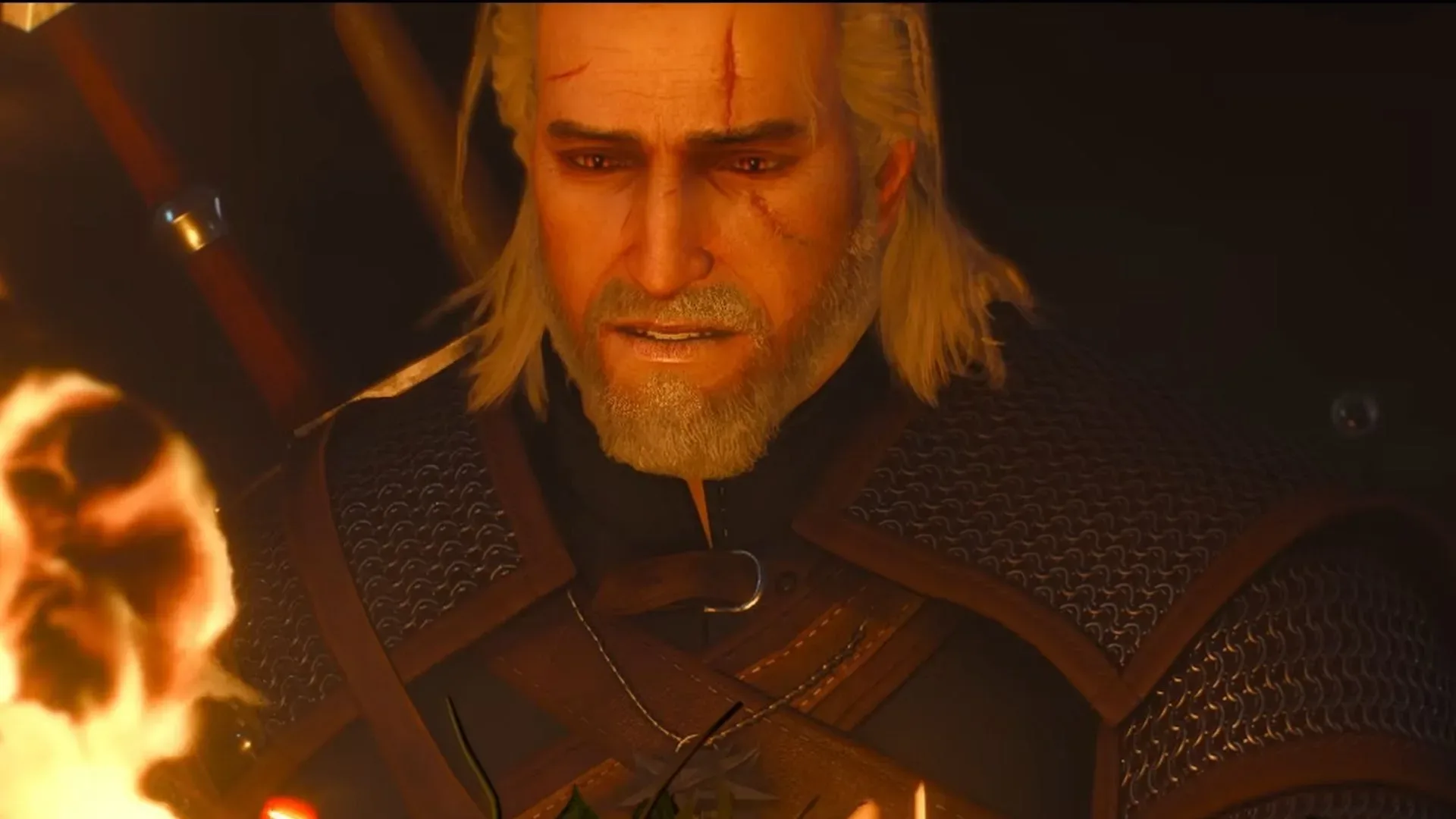
Even a message apparently sent by Henry Cavill can look suspicious when it arrives unannounced. Doug Cockle, the English-language voice of Geralt of Rivia in The Witcher games, says he initially dismissed a direct message from Cavill inviting him to a London premiere for the live-action adaptation.
Cockle’s caution had a simple explanation: he receives plenty of strange messages online, and a celebrity name in a DM is not verification on its own. In this instance, Cavill ultimately sent a photo to establish that the account and invitation were genuine. Cockle attended the event, where the two had time to discuss Geralt and the wider franchise.
The anecdote is funny on its face—Cavill having to authenticate himself before making an invitation—but it also captures something meaningful about a character who has moved across different forms of entertainment. Cockle helped establish Geralt’s English-speaking game voice; Cavill later played the character in live action. Cockle says Cavill explicitly credited that vocal performance as an influence on decisions he made for his own portrayal.
A Geralt connection that began with a skeptical DM
Cockle recalled that the message arrived roughly three or four weeks before the London premiere. It opened with a straightforward invitation: Cavill introduced himself and asked whether Cockle wanted to attend. But Cockle did not immediately accept the claim at face value. He assumed the account might belong to one of the many people who impersonate public figures online and, by his own telling, told the sender off before proof arrived.
That proof did the job. Cockle went to the premiere and described the evening as a pleasant chance to spend time with Cavill and those accompanying him. When he referred to Cavill’s “entourage,” Cockle was quick to clarify that he meant Cavill’s family, turning what could sound like a standard celebrity-event detail into another small joke.
“I didn’t believe it was him at first,” Cockle said of the message, explaining that he gets “a lot of weird DMs.”
The exchange should not be read as a claim that a photo is a universally sufficient safeguard against impersonation. It was simply enough in this personal case for Cockle to recognize that Cavill’s outreach was legitimate. The useful broader point is that skepticism around unsolicited outreach is sensible, including when a familiar or prominent identity appears to be involved.
Why Cockle’s performance mattered to Cavill
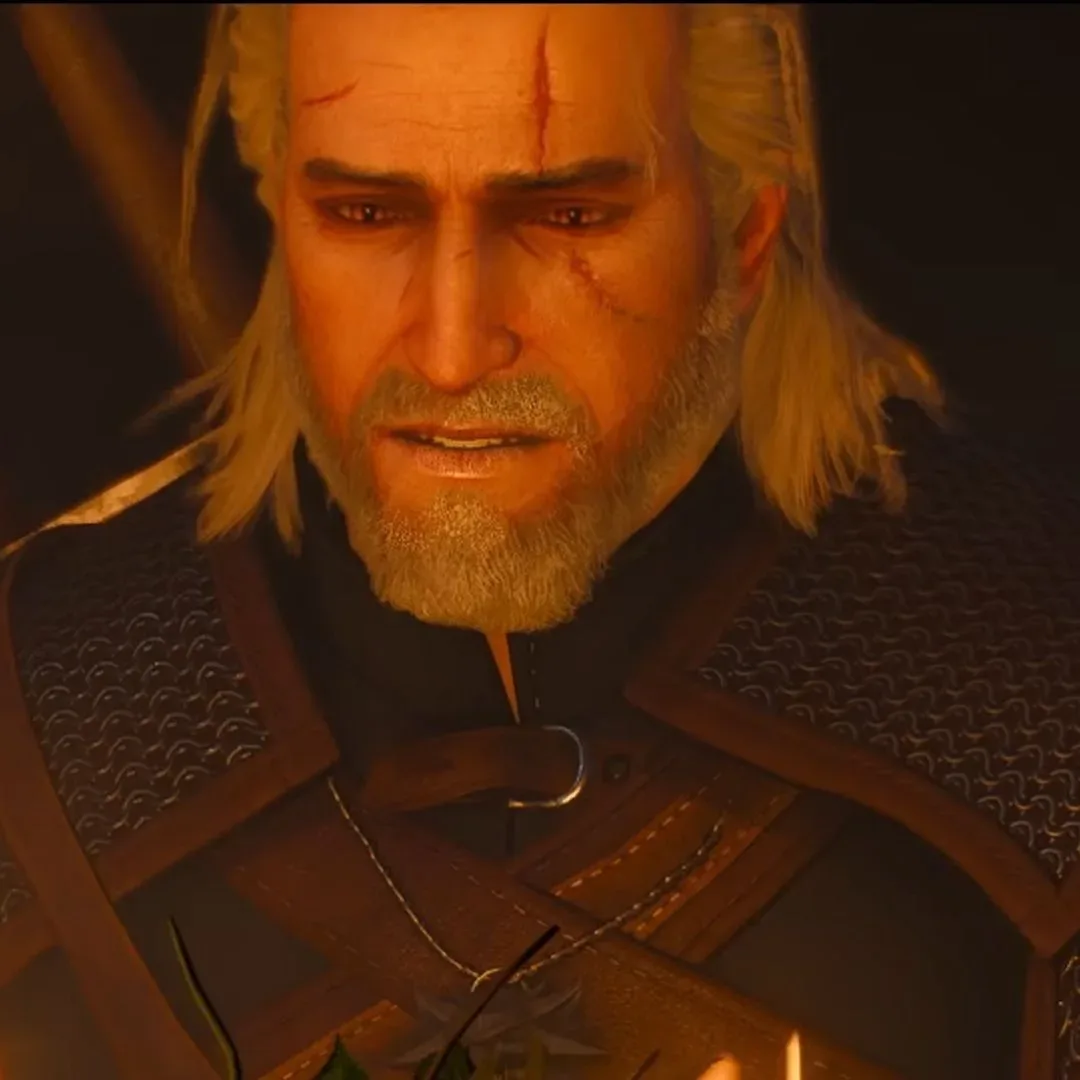
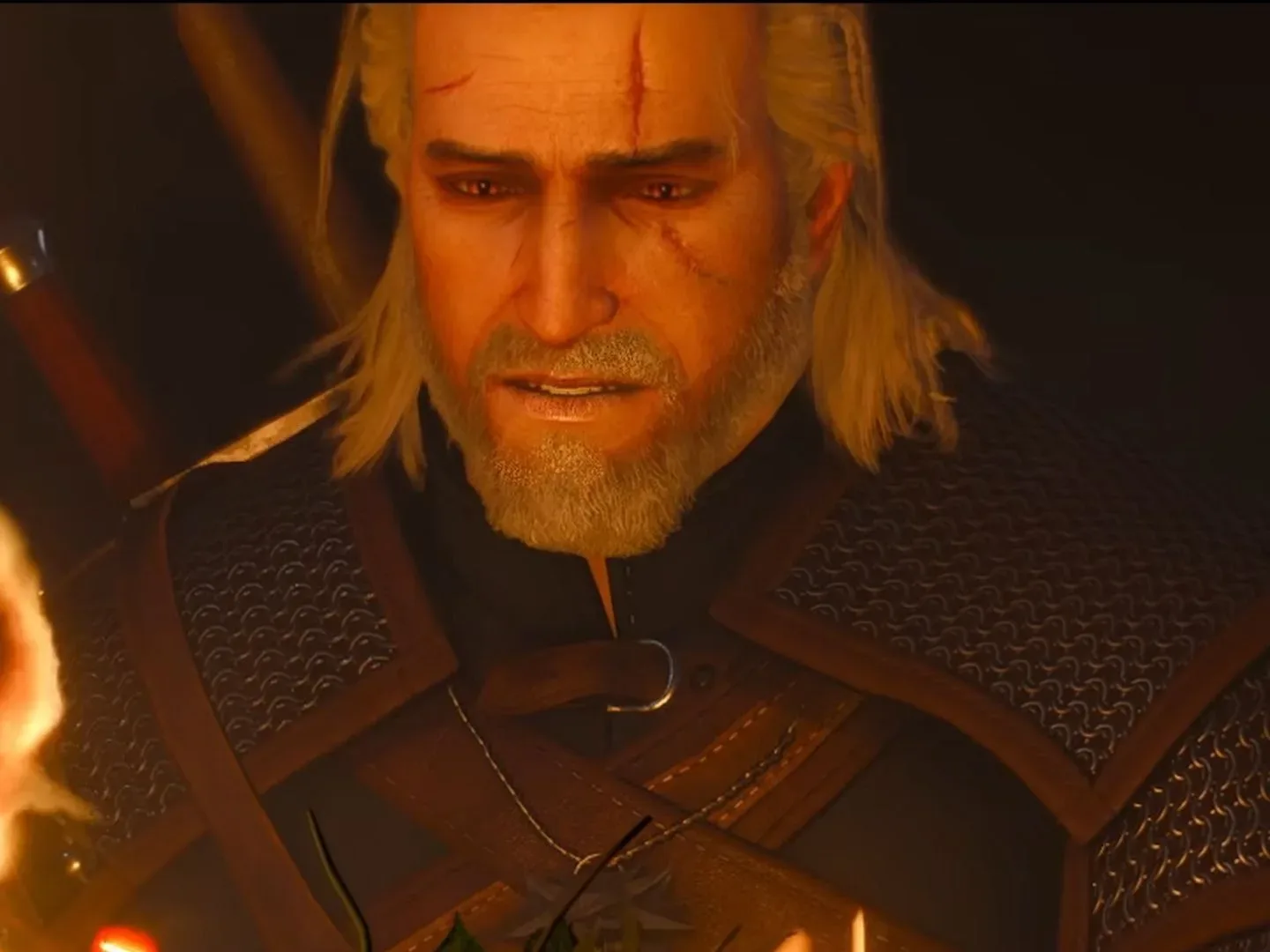
Cockle is identified with Geralt through the first The Witcher game and his continued work in the role. His delivery helped give the protagonist a recognizable English-language presence: reserved, gravelly and often dryly humorous, fitting a character described here as notably grumpy. A voice performance is more than an accent or a single signature line. It includes pacing, restraint, vocal texture, emphasis and the choices made in response to another actor’s performance.
Related coverage includes Henry Cavill Had to Prove He Was Really Henry Cavill Before Inviting Geralt Voice Actor Doug Cockle to The Witcher Premiere.
That makes Cavill’s acknowledgment especially interesting. A live-action adaptation has its own demands, and it does not automatically reproduce a game performance scene for scene. Television has a physical performer on camera, a different production process and a different relationship to dialogue. Yet the voice and attitude that players associate with Geralt can still provide a creative reference point.
Cockle says Cavill gave him credit for a strong performance and said the game portrayal influenced his own choices. That is a specific form of cross-medium continuity. It does not mean the two versions were identical, nor does it establish that every aspect of the television interpretation came from the games. It does show that Cavill treated Cockle’s work as an important part of the character’s English-language legacy.
For fans, the moment offers a more generous way to view multiple interpretations of one role. Rather than framing game and television versions as competing claims to Geralt, Cavill’s reported comments position them as connected performances. One actor’s work can become part of the creative vocabulary another actor uses, even while each makes distinct choices.
Impersonation is the less amusing half of the story
The punchline is that Henry Cavill apparently had to send a picture to prove he was Henry Cavill. The underlying reason, however, is not trivial. Social-media impersonation commonly works by exploiting familiarity and urgency: a message uses the name or apparent identity of a person someone recognizes, then tries to turn that recognition into trust.
Cockle’s response illustrates a practical boundary worth keeping. An unexpected message is not automatically authentic because it comes from an account claiming to belong to a celebrity, colleague, company, friend or industry contact. It is reasonable to pause before replying, sharing information, following a link or making any commitment. In Cockle’s case, that pause prevented him from assuming that an unusual approach must be real simply because it carried a famous name.
There is an entertainment-industry parallel in the everyday importance of protecting sensitive material and communications. A separate story about Paul Bettany leaving an Avengers: Infinity War script on a plane is a reminder that high-profile projects can create unusual security concerns, even when the mistake is entirely offline.
None of this means people should automatically assume bad intent from every unfamiliar message. It means a message should earn trust through confirmation rather than through a recognizable display name. Cockle’s experience ended happily because the invitation was real and Cavill understood why verification was necessary.
Geralt continues in games and live action
The story also arrives during a period of change for Geralt across the franchise. Cavill has left the live-action role, with Liam Hemsworth taking over. Cockle, meanwhile, remains connected to the game incarnation, returning for the Songs of the Past DLC and for The Witcher 4.
Those developments make the premiere anecdote feel less like a one-off celebrity encounter and more like a snapshot of a character passing through several hands and formats. Geralt’s game voice remains associated with Cockle, while television has moved from Cavill to Hemsworth. Each transition invites attention because the character’s personality depends heavily on performance—how he speaks, reacts and carries himself—as much as on his setting or story.
There is no indication here of a similar exchange between Cockle and Hemsworth. The joke practically writes itself, though: should another unexpected Geralt-related DM arrive, Cockle may have every reason to request evidence again.
What the encounter says about adaptation
The strongest takeaway is not that a famous actor sent a selfie. It is that Cavill appears to have approached an earlier interpretation with respect. Adaptations often become flashpoints because audiences have attachments to a particular book, game, film or television version. The fact that Cavill credited Cockle’s vocal work suggests a different model: a new performer can build an individual portrayal while openly recognizing what came before.
Cockle’s attendance at the premiere gave that respect a tangible form. The invitation was not merely a public compliment or a vague acknowledgment after the fact. It brought the actor behind the game voice into a major moment for the live-action version, and it led to a conversation about Geralt and the franchise.
For Cockle, the situation also demonstrates why careful online habits and professional goodwill can coexist. He did not abandon skepticism just because the sender claimed to be well known. Cavill did not treat that skepticism as an insult once it was clear what had happened. Instead, a suspect DM became a verified invitation, then a cordial meeting between two performers tied to the same enduring character.