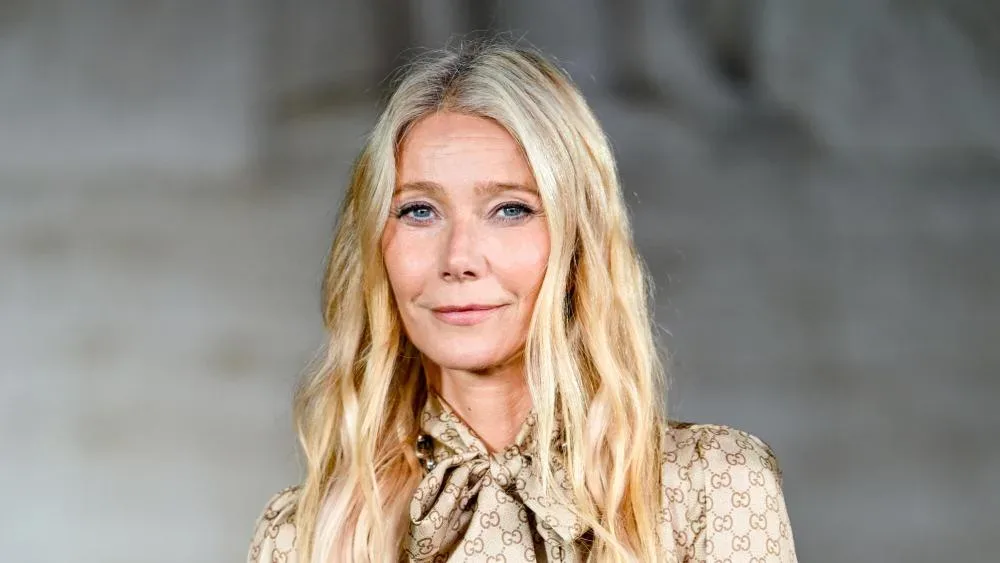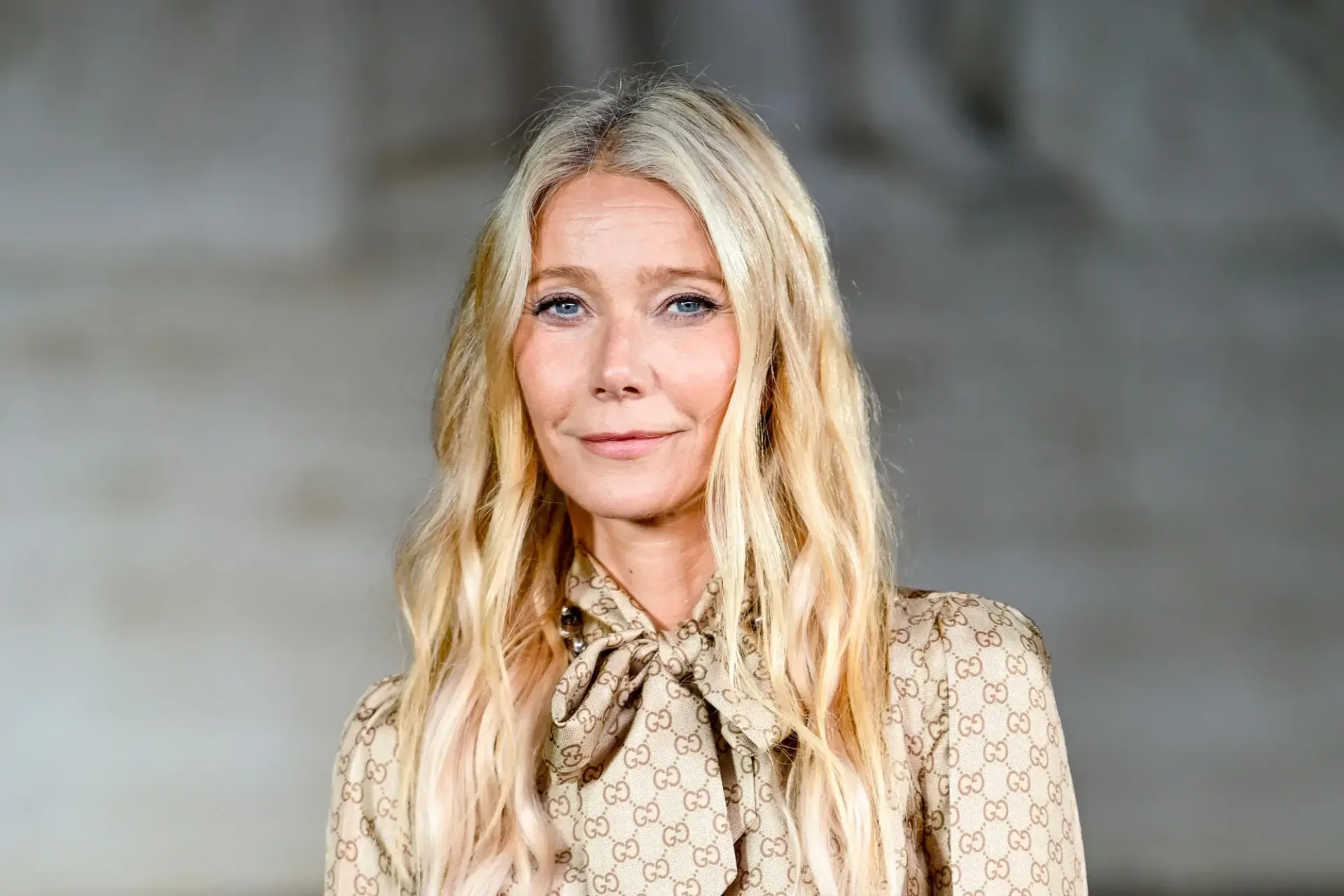
Gwyneth Paltrow is set to headline The Apology, an A24 drama series that has received a two-season order at Netflix. It will be Paltrow’s first leading role in a television series, putting an actor best known for major film work at the center of a long-form, high-stakes crime story.
Paltrow will play Evelyn Amspoker, a mother whose son was murdered 18 years earlier in a case that became a national fixation. The series begins from a potentially life-changing turn: a stranger arrives and confesses to the killing. That confession appears to offer the family a route to justice, but the situation shifts when Evelyn and her husband, Caleb, learn that the confessed killer could receive a reduced sentence. The pair then decide to take matters into their own hands.
That premise places The Apology in the territory of grief, punishment and moral escalation rather than a conventional whodunit. The central question, based on the available setup, is not simply who committed the crime. It is what happens to a family when the justice they have waited nearly two decades to see may feel insufficient.
A lead role that marks a television first
Paltrow’s screen career includes prominent roles in Emma, Sliding Doors, Shakespeare in Love and The Talented Mr. Ripley, along with her work in the Iron Man franchise and Marty Supreme. Her television appearances have been more selective. She played Holly Holliday across five episodes of Glee and held a supporting role in Netflix’s The Politician, but she has not previously led a small-screen title.
The distinction matters here. A supporting television part can be designed around an actor’s specific presence, perhaps arriving to disrupt a story or energize a particular run of episodes. A lead role carries a different obligation: Evelyn’s response to the confession, the possible plea outcome and the couple’s choices will evidently be the mechanism through which this story moves. Paltrow is not entering the show as a memorable side character; she is taking responsibility for its emotional and ethical point of view.
There is also an important difference between an acting role and an executive-producing credit. Paltrow will executive produce The Apology alongside Joe Murtagh, Thomas Vinterberg and Joe Hipps of Cut To. An executive producer is part of the senior producing group behind a series, though that credit alone does not specify how responsibilities are divided day to day. What is clear is that Paltrow’s connection to the project extends beyond playing Evelyn.
The creative team behind the series
Joe Murtagh is the creator, showrunner and writer of The Apology. Murtagh previously worked on The Woman in the Wall. The term showrunner is particularly significant in television: it generally identifies the lead creative and producing voice responsible for guiding the series across writing, production and the many decisions needed to maintain a coherent dramatic vision.
Thomas Vinterberg will direct the series. Vinterberg directed Another Round, and his involvement gives the project an established filmmaker working alongside Murtagh’s television leadership. A director shapes the on-screen execution of scripts—performances, visual storytelling and pacing—while the showrunner’s role applies across the broader life of the series. The precise division of directing duties beyond Vinterberg’s involvement has not been detailed.
Related coverage includes Gwyneth Paltrow Set for First Lead TV Role in Netflix’s The Apology.
A24 is the studio behind the project. Netflix’s two-season order means the story has been commissioned with a broader runway than a single initial season. That does not reveal episode counts, a release date, the rest of the cast or production timing, none of which has been announced in the available information. It does, however, establish that the series is being planned as more than a one-season trial.
Why the premise has room to develop
The Apology begins with a confession, but it does not present the confession as a clean finish line. The possibility of a reduced sentence creates the story’s central pressure point. For Evelyn and Caleb, an official resolution may be close enough to see but too compromised to accept. That is a fertile premise for a drama because it forces characters to weigh two difficult realities: accepting a legal outcome they find unbearable, or acting outside that process and facing the consequences of their own decision.
The 18-year gap is equally important. A cold case is an unresolved crime that has remained open, typically after active leads have diminished. In dramatic terms, the passage of time means the confession does not simply reopen an investigation; it reopens a wound that has had years to shape a family’s identity and life. The show’s setup indicates that the original case “gripped the nation,” adding public memory and scrutiny to an already intimate loss.
That combination can support several layers without requiring the series to abandon its immediate stakes. There is the legal dimension of a confession and a possible sentence reduction. There is the personal dimension of parents confronting a figure tied to their child’s death. And there is the moral dimension created when people decide that a lawful answer is not enough. The title, The Apology, further suggests that the story may be interested in the limits of remorse—although the announced premise does not say what form any apology takes or whether it is sincere.
The initial setup turns on a confession that seems to make justice possible, followed by the parents’ discovery that the outcome could be less severe than they can bear.
Analysis: a two-season order changes the storytelling proposition
A two-season order does not tell audiences where The Apology will ultimately go, and it should not be read as confirmation of plot twists, character outcomes or a guaranteed ending. But it does suggest that the creative team has been given space to approach its core conflict as an evolving drama rather than a premise that must resolve immediately.
That matters for a story built around a confession. In a limited mystery, the identity of the perpetrator can be the dominant engine. Here, the stated conflict begins after someone claims responsibility. The series therefore has room to focus on repercussions: what Evelyn and Caleb believe, what they are willing to do, and how the consequences of that choice may spread through their lives.
It may also help the series avoid treating a brutal event as a mere puzzle-box device. The available description centers the murdered son’s parents and their reaction to a legal prospect they consider intolerable. That framing has the potential to keep grief and agency in the foreground. Whether the finished show achieves that balance will depend on the scripts and performances, which cannot be judged from a premise alone.
For viewers, the practical takeaway is straightforward: expect a serious crime drama driven by a family’s response to a long-delayed break in a case, not a show announced as a procedural investigation. No premiere window, trailer, episode count or additional cast members have been provided yet, so those looking for firm viewing plans will need to wait for more details.
Netflix context and what remains unknown
The series arrives during a period of internal leadership changes at Netflix. The company has announced layoffs affecting 6% of its employees. Bela Bajaria departed as chief content officer and was replaced by Peter Rice, while film head Dan Lin also left. Jinny Howe, who oversees scripted series in the United States and Canada, remains in place.
Those developments provide business context, but they do not change the confirmed creative facts about The Apology: Netflix has ordered two seasons, A24 is producing, Murtagh is creating and running the series, Vinterberg is directing, and Paltrow will star as Evelyn Amspoker and executive produce.
For now, the most notable element is the convergence of talent around a compact but emotionally severe setup. Paltrow’s first television lead places her at the heart of a drama about a family pushed toward an impossible choice. Murtagh and Vinterberg bring distinct television and film credentials to the project, while the two-season commitment signals confidence in the story’s ability to sustain its questions.
People who like suspense built around difficult choices may also find something suitably seasonal in this guide to Halloween board games for horror game night, though The Apology is positioned as a dramatic series rather than a game-like mystery.