A video from ComplexCon has turned a routine-looking shopping stop into a sharp argument about celebrity influence, fashion marketing and who absorbs the cost when “exposure” is presented as payment.
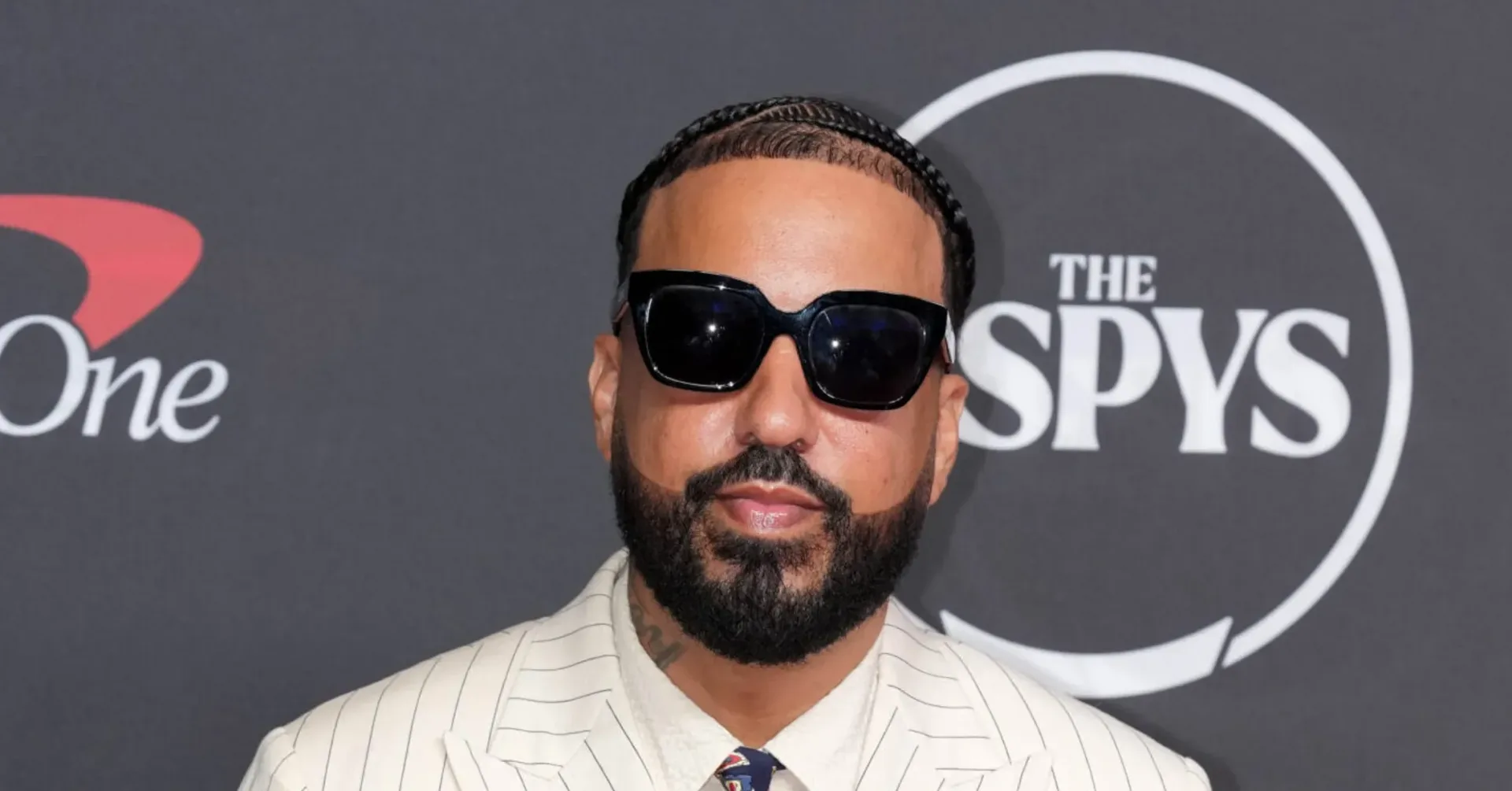
French Montana was filmed browsing clothes from an independent designer at the Los Angeles event and explaining that he did not intend to pay. In the clip, surrounded by an increasingly close crowd, he put a $250,000 value on wearing a brand and argued that customers would follow when a figure with his profile wore its products.
“We not paying for anything here. I charge $250,000 to wear something,” French Montana said in the circulating footage.
The statement prompted a predictable split. Some viewers objected to a wealthy, established artist seeking free merchandise from an independent designer. Others recognized the underlying business idea: a notable person wearing a label can generate attention that an emerging company might struggle to buy through conventional advertising.
Both reactions make sense. The dispute is not really about whether public visibility can have value. It plainly can. The harder question is whether that value can be declared by one side of a transaction, in public, after a product has already been placed in front of them.
Why the ComplexCon setting changes the read
The exchange took place during ComplexCon’s 10th-anniversary event, held October 3 and 4 in Los Angeles. Its marketplace is built around proximity: large streetwear names share space with smaller designers, while artists, influencers, fans and brands move through the same environment.
That makes the convention useful for discovery, but it also creates a mismatch in resources. An independent designer may be seeking recognition, sales and industry relationships all at once. A famous guest brings attention almost by entering the booth. The attention is real, yet it does not automatically answer whether an item should be gifted, sold or discussed as part of a formal collaboration.
French Montana was not a random attendee passing through unnoticed. He also appeared on the event’s “Album of the Year: LIVE” panel. That higher visibility supplies context for his point: people were already watching his movements, and the video itself quickly spread across social media.
But virality is not the same thing as a completed marketing campaign. A shopper seeing an artist hold or wear something is different from a brand receiving agreed-upon photos, a clearly scheduled post, a campaign appearance, permission to use an image, or an arrangement that establishes what each party receives. None of those details were established by the footage at issue.
What celebrity seeding means
Celebrity seeding is the industry practice of placing products with public figures in the hope that they will wear, use or mention them. The product may be gifted, loaned or provided through a more structured deal. Its value comes from association: an audience sees a familiar person connected to an item and may become curious about the brand.
That is different from a conventional paid endorsement, where the deliverables are usually negotiated in advance. “Deliverables” simply means the promised work: a social post, campaign photography, an appearance, a tag, a certain number of uses, or another defined form of promotion. An endorsement can have measurable obligations. An informal gift often cannot.
There is also product placement, in which an item is deliberately included in public-facing content or an appearance. In every version, the key issue is consent and clarity. A brand can decide that the possible publicity is worth giving away stock. A celebrity can decide that a campaign fee is appropriate. What becomes contentious is treating either decision as automatic.
That is why the ComplexCon clip rubbed people the wrong way. French Montana’s logic resembles the pitch brands use when they spend marketing money: access to a well-known person can influence interest. Yet the setting made it look less like a negotiated partnership and more like an independent seller being told to accept a valuation they had not requested.
There is evidence that a celebrity co-sign can be commercial
French Montana’s claim is not detached from the way fashion collaborations work. Earlier in 2026, he and Max B were involved in Pelle Pelle’s Knicks collaboration. The campaign explicitly leaned on both artists’ cultural ties and influence in New York. In an arrangement like that, the artist’s presence is part of what the collaboration is selling alongside the clothing itself.
That example matters because it demonstrates the basic distinction at the center of the backlash. A planned campaign treats a celebrity’s image and cultural connection as assets to be organized around. The brand chooses the participants and frames the effort for customers. The artist’s visibility is not an incidental bonus; it is part of the commercial proposition.
A convention floor encounter is a different situation. Smaller labels may indeed want a famous person to wear their work, but they may also need inventory revenue, control over their brand relationship and time to decide whether an unpaid placement is strategically useful. A booth is not necessarily a casting call, and an artist stopping by is not necessarily an offer of promotional services.
Exposure has value, but it is not cash
The public reaction has focused on an old creative-industry tension: exposure can help, but it does not pay for materials, labor or a table at a major event. For a small fashion business, giving away a piece means losing stock that could be sold to a paying customer. If the garment is handmade, produced in a limited run or tied to a carefully managed collection, its practical cost may be greater than its retail price suggests.
On the other hand, an organic public association can be difficult to replicate. If a visible artist genuinely likes a garment and continues to wear it, the resulting attention could introduce a label to people who would never otherwise encounter it. The complication is that these outcomes are uncertain. People may see the item without learning the designer’s name. They may not be able to find it. They may simply move on to the next viral moment.
That uncertainty is precisely why “exposure” cannot be treated as a universal currency. Its value depends on context: whether the label is clearly identified, whether the wearer actually uses the item publicly, whether the audience overlaps with likely customers, and whether the designer can convert interest into sales. The available account confirms that French Montana made his case in broad terms; it does not establish that a promotional agreement was reached or what the designer ultimately chose to do.
A public negotiation invites a public verdict
There is another reason the clip traveled. It makes a typically private business conversation visible. Fashion frequently operates through informal access, gifting and relationships, but audiences rarely see the moment someone asserts the value of their own influence directly to a seller.
Once filmed, that assertion became a performance for two audiences. The designer and nearby crowd saw a high-profile visitor articulate a business proposition. Online viewers saw an established celebrity appearing to decline payment while invoking a six-figure personal rate. Those are not identical perspectives, and social media tends to reward the more confrontational interpretation.
ComplexCon offered no shortage of attention-grabbing moments. Ye visited Kai Cenat’s VIVET booth following their prior merchandise dispute; Chet Hanks and Eric André had a tense face-to-face encounter; and Lucki was reportedly injured in an altercation outside the venue that drew an LAPD response. French Montana’s episode was far less dramatic, but it endured because it touched a broader question people already understand: when does an opportunity become a demand for free work or goods?
It also fits a wider pop-culture pattern in which a celebrity’s personal standing is discussed as though it were a transaction. That debate can shift quickly from the individual event to status, access and the expectations placed on businesses around famous people. Similar tensions surface whenever public figures and their cultural reach become the subject rather than the background of a story, as seen in discussions surrounding celebrity identity and the “nepo baby” debate.
The practical lesson for brands and public figures
For emerging designers, the episode underscores the value of deciding in advance how gifting will work at high-traffic events. That does not mean every interaction needs to become a contract. It means a brand benefits from knowing which items can be gifted, who can authorize that decision and what recognition would make the gift worthwhile.
- Set a gifting boundary: Identify whether a product is available for sale only, can be loaned, or may be gifted in selective cases.
- Clarify the exchange: If visibility is the proposed value, ask what form it will take rather than assuming a public appearance will produce a result.
- Protect attribution: Make it easy for a willing wearer to identify the label accurately.
- Keep the decision voluntary: A useful collaboration starts with the brand choosing the arrangement, not feeling pressed into accepting it.
For artists and influencers, the same principle applies in reverse. Their attention may be genuinely valuable, particularly when it reaches the right audience. But explaining that value works best as an invitation to collaborate, not as a substitute price set without the seller’s agreement.
French Montana’s ComplexCon moment therefore lands in an uncomfortable middle ground. It reflects a genuine feature of modern fashion: public figures can turn a piece of clothing into a cultural signal. Yet it also shows why small labels and audiences resist the notion that fame alone settles the bill. Visibility may be an asset, but a fair exchange still requires both sides to decide what that asset is worth.