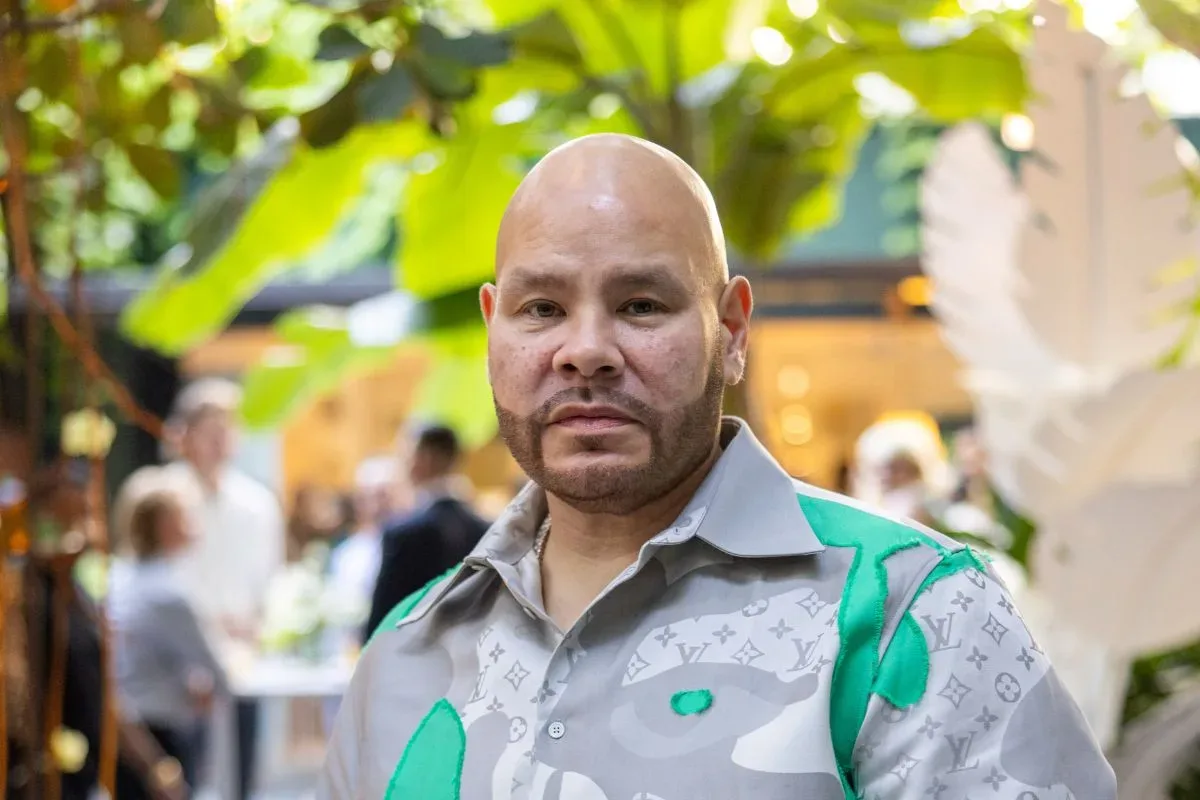
Hip-hop podcasting may have found its newest scorecard, and it apparently has nothing to do with downloads, subscribers or a debate over who asked the better question. Fat Joe used a recent episode of Joe & Jada, his show with Jadakiss, to talk about podcasters projecting more wealth than they actually possess. Then came the detail that has drawn the most attention: a boast that his seats at Madison Square Garden are better.
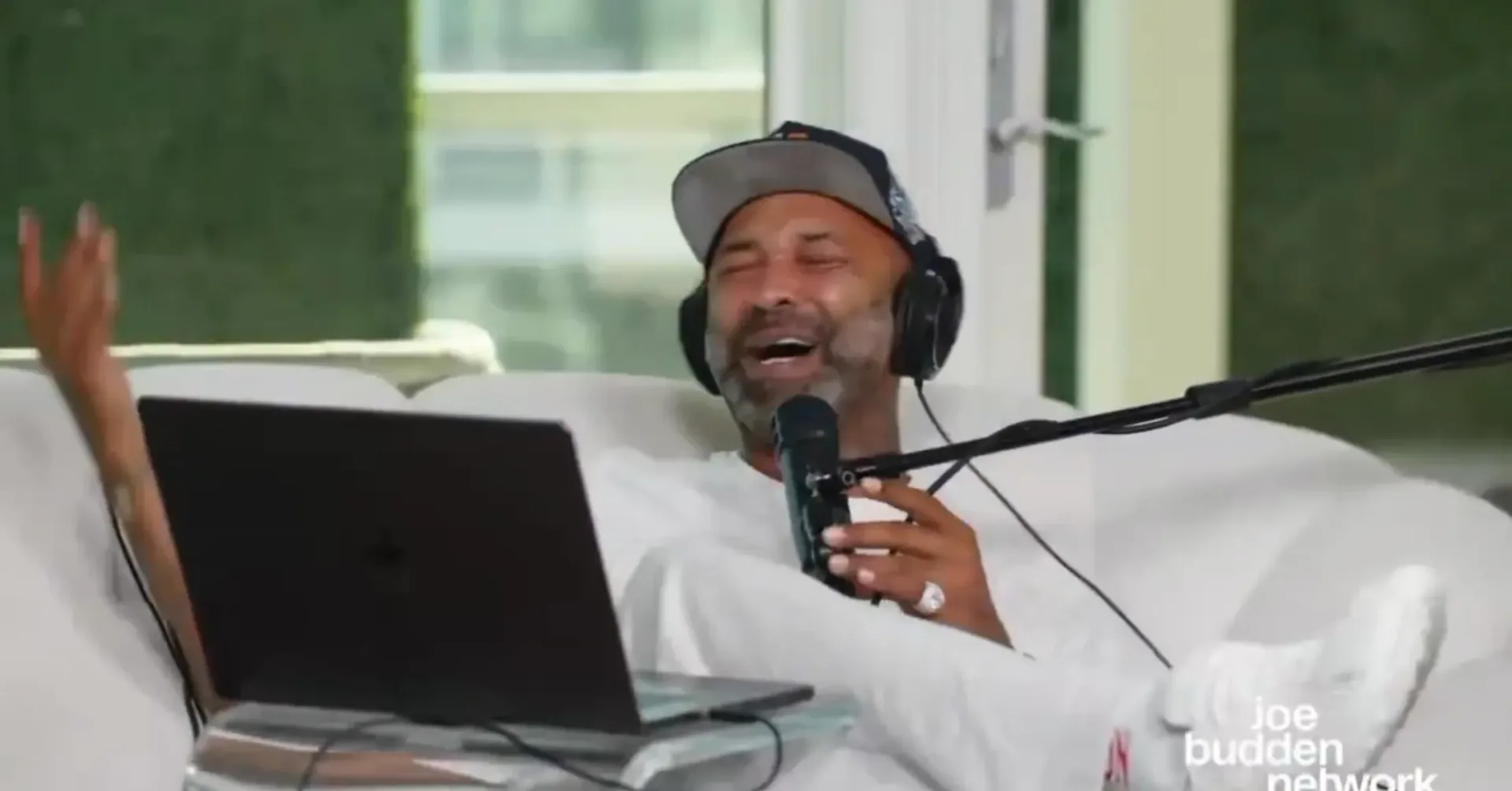
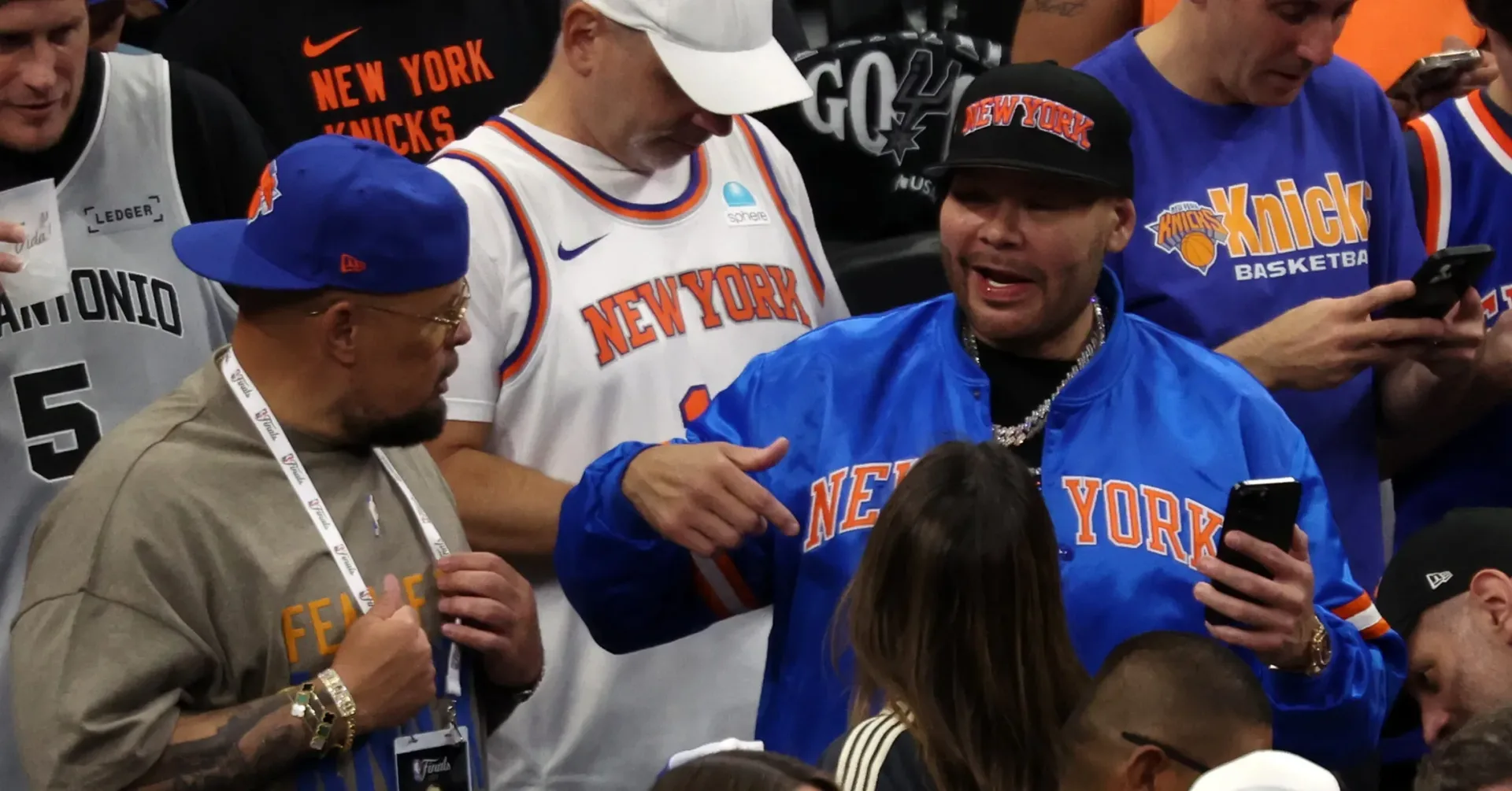
Fat Joe did not identify a target by name. Still, the combination of comments has prompted widespread speculation that Joe Budden was the intended subject. The apparent connection is rooted in a prior New York Knicks game, when Budden sat several rows behind Fat Joe’s regular courtside location. Budden’s presence that night gained additional attention following his interaction with 50 Cent, and the moment ultimately became a topic on Budden’s own program.
That history makes the Garden reference feel much more pointed than a generic luxury flex. It turns what could have been a broad criticism of media personalities into a possible callback to a public, highly visual comparison: where two major voices in hip-hop media sat during the same game.
The comments, and what is actually known
Fat Joe’s argument was directed at what he sees as exaggerated displays of success in podcasting. He suggested that some podcasters are not being truthful about their financial standing, pointing to what he considered lesser-quality chains and colognes as evidence. Those are Fat Joe’s opinions and observations, not independently established facts about any individual’s income, possessions or business.
The Madison Square Garden line is the key piece of circumstantial context. Budden and Fat Joe were both associated with the Knicks-game conversation that circulated online, with Fat Joe courtside and Budden seated a few rows back. That gives listeners a reasonable basis to see the later remark as an indirect jab. It does not, however, turn an implication into a confirmation. Fat Joe did not name Budden in the reported remarks, and there is no stated response from Budden at this point.
That distinction matters. Indirect shots are a familiar part of competitive entertainment culture because they let the speaker make a provocative point without fully locking themselves into a one-on-one dispute. Audiences then supply the connective tissue, often using old clips, social posts, public appearances and show history to decide whom a remark must be about. Sometimes the inference is accurate. Sometimes a broad complaint is simply a broad complaint.
Why the seating reference carries weight
Madison Square Garden courtside seating is a useful status symbol precisely because it is visible. A chain or fragrance may be evaluated privately, but an arena seat is visible in broadcast shots, fan videos and photographs. In a media environment built around clips, a few rows can become an entire narrative.
Fat Joe’s remark also lands differently because the earlier Knicks-game moment did not stay limited to basketball. Budden’s encounter with 50 Cent created another layer of discussion and helped move the event through a wider entertainment news cycle. By referring to superior Garden seats now, Fat Joe appears to be reaching back to an episode that many viewers already recognize.
Related coverage includes Fat Joe’s Podcast Comments Appear to Target Joe Budden.
In practical terms, this is less a debate about arena logistics than it is a debate about perception. The argument being suggested is about who has the more convincing proof of success in public: access, presentation, longevity or cultural visibility. It is an especially natural point of friction for podcast hosts, whose business influence can be difficult for outsiders to measure with certainty.
Joe & Jada and Budden occupy a competitive space
Joe & Jada has built momentum with Fat Joe and Jadakiss bringing their rap careers and conversational chemistry into the podcast format. Its appeal, for listeners who prefer it, is described as more direct and unvarnished. The format puts two established artists in a position to discuss music, culture and their own experiences without needing to disguise their competitive instincts.
The Joe Budden Podcast, meanwhile, has been a major presence in hip-hop media for roughly a decade and continues to expand its reach. It is regularly viewed by some listeners as a leading standard in music-podcast discussion. That stature also makes it a natural reference point whenever another prominent rap figure talks about the podcast business, whether or not a name is attached.
Competition between shows does not necessarily require a formal feud. Programs can compete for audience attention, relevance, viral moments and authority over the week’s biggest music conversations without their hosts exchanging direct insults. But comments about financial authenticity and visible status raise the temperature because they go beyond format preferences. They challenge credibility.
There is also a built-in irony to a dispute like this. Podcasting rewards the ability to create discussion, and a carefully placed allusion can generate as much conversation as a direct name-drop. The Garden reference works because it is specific enough for listeners to connect it to Budden, yet vague enough that Fat Joe has not explicitly made an accusation against him.
What to watch next
The immediate question is whether Budden addresses the apparent shot on his show. He has a reputation for responding when he believes he has been challenged, so an answer would not be surprising. For now, though, any expectation of a response remains speculation rather than a confirmed development.
If Budden does respond, the exchange could remain playful, turn into a broader argument over podcast success, or fade after a few clips. The available facts do not establish which direction it will take. What is clear is that the original remarks have already achieved the central function of an effective indirect jab: they have revived a memorable public moment and invited listeners to debate the target.
The timing also arrives during another busy stretch for hip-hop conversation, with a crowded release calendar putting pressure on every show to balance cultural commentary with its own on-air identity. For more on that wider music slate, see the rundown of October 16 hip-hop releases.
Until either host makes the matter explicit, the cleanest reading is also the most cautious one: Fat Joe made comments that strongly appear to allude to Joe Budden, particularly through the Madison Square Garden seating callback, but he did not name him. In an industry where a single line can become a week of clips, that may be more than enough to keep the conversation moving.