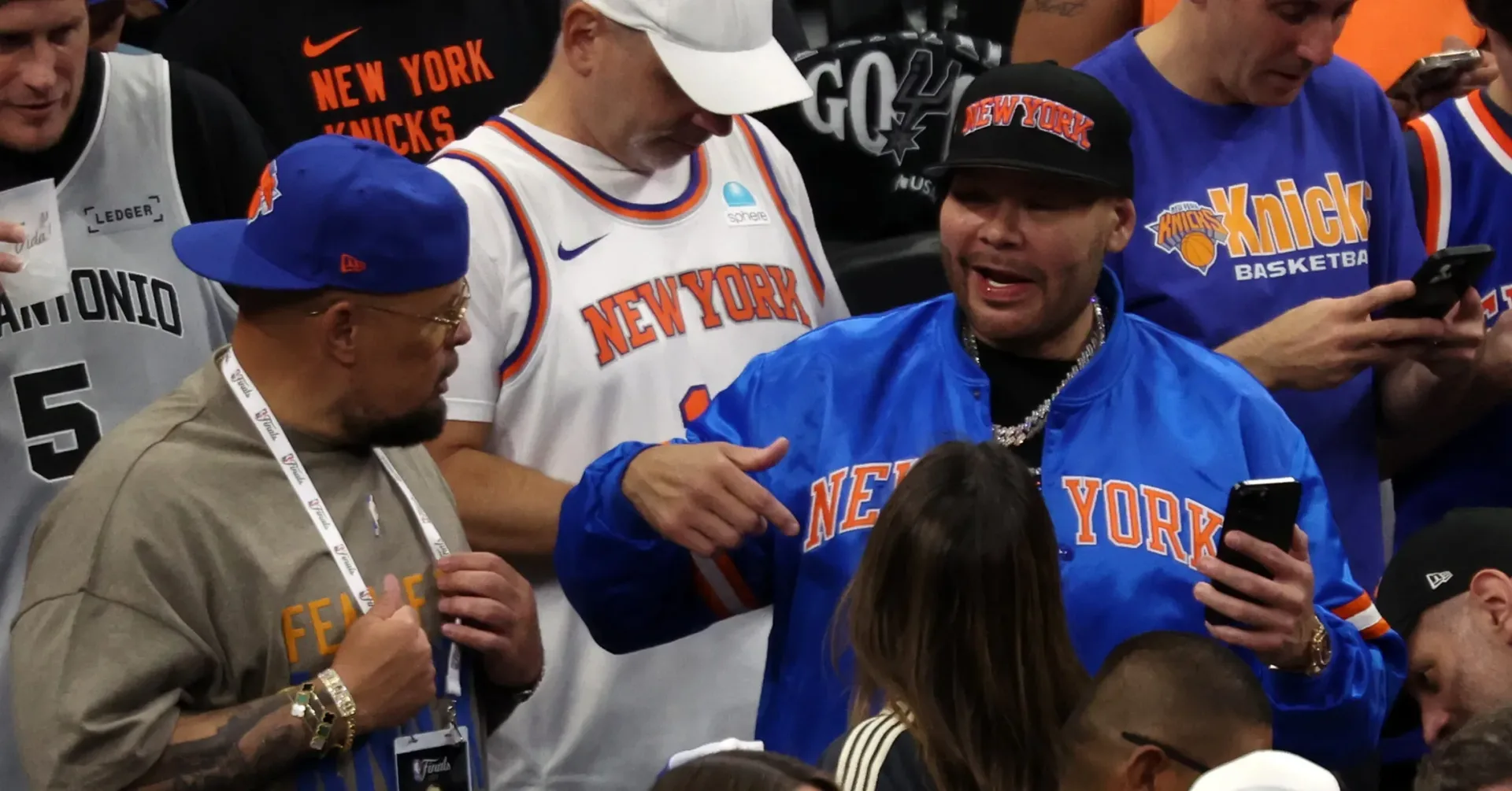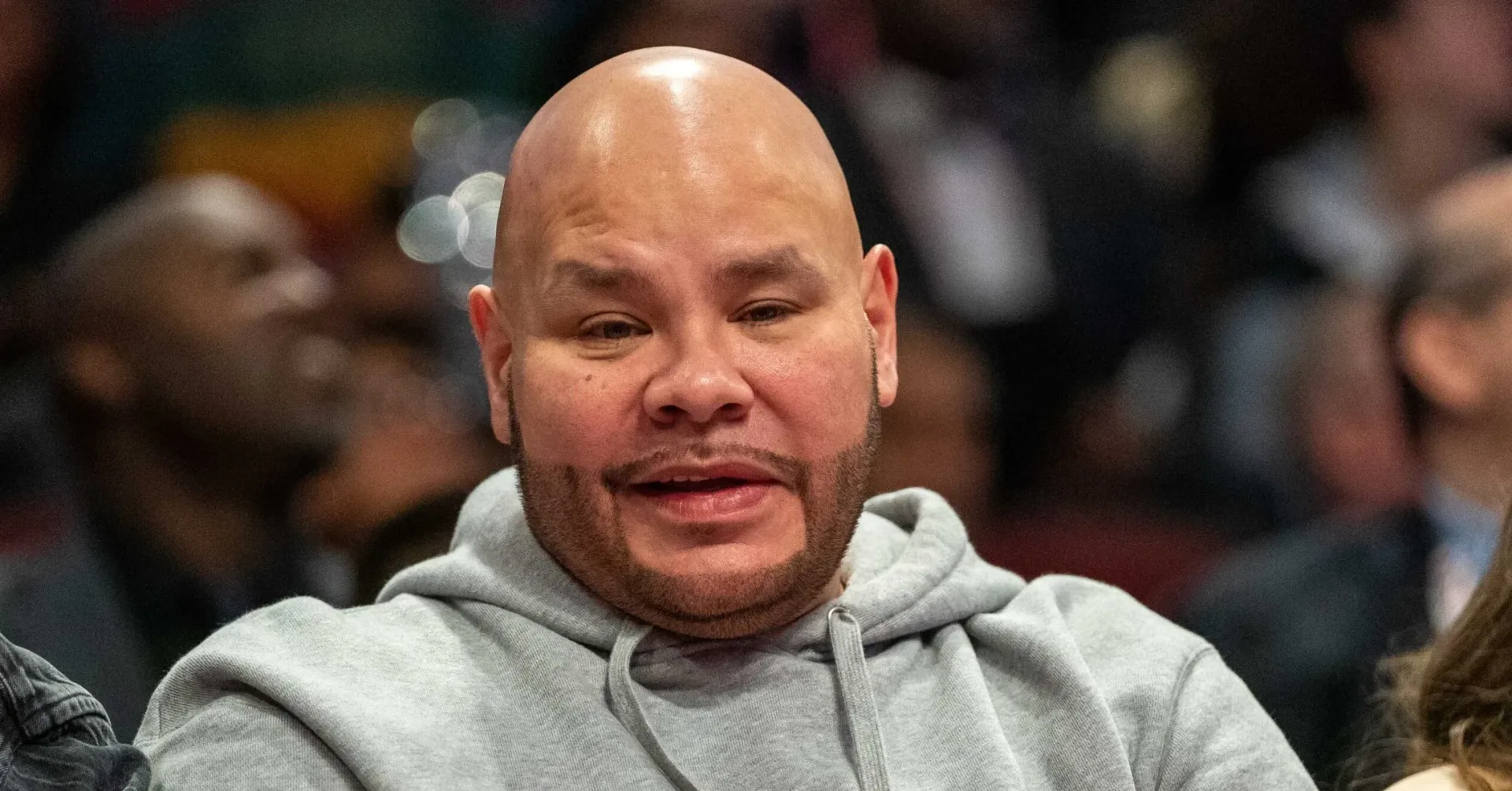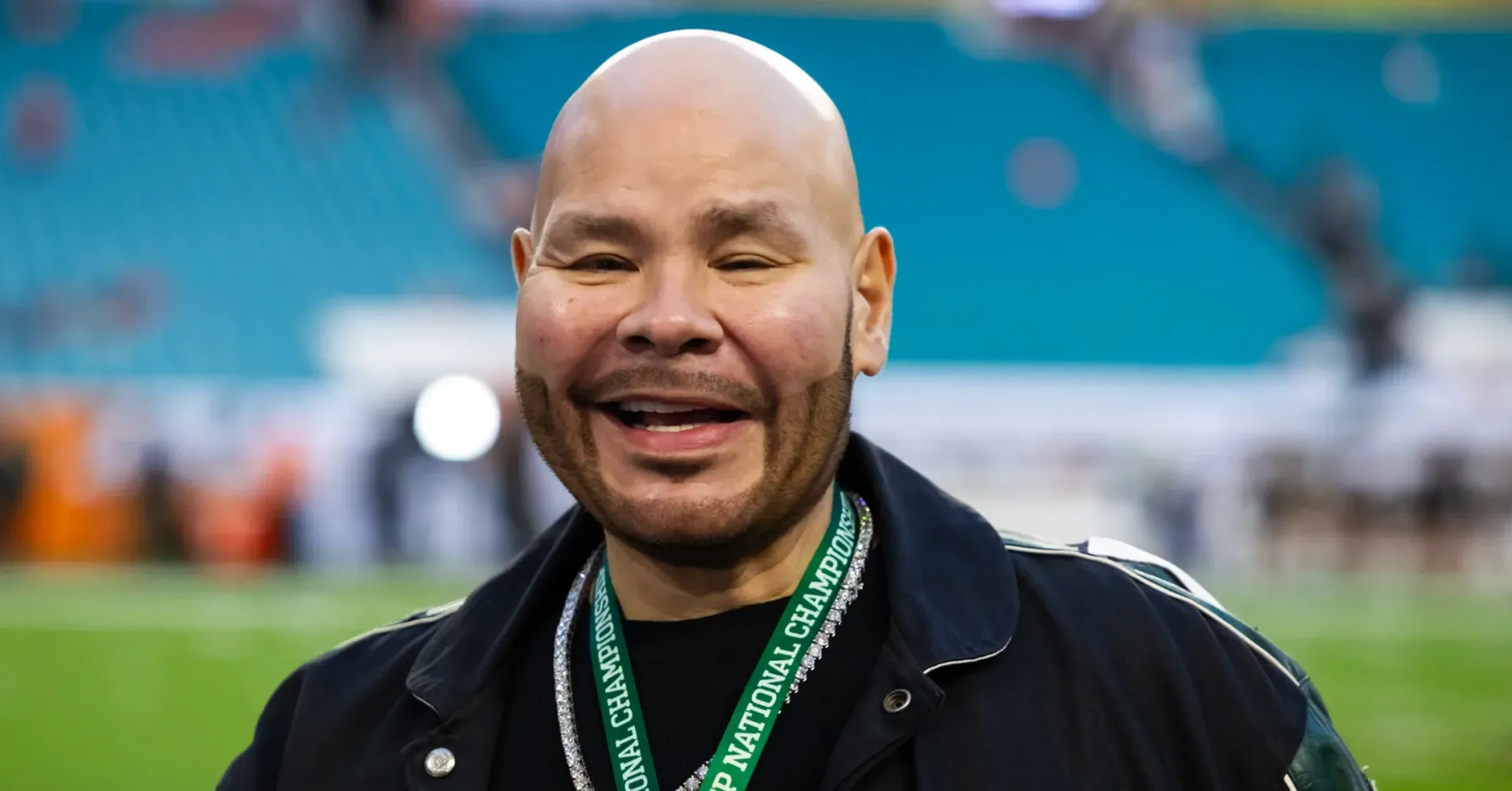
Fat Joe is attempting to lower the temperature around an emerging hip-hop podcast rivalry while keeping his competitive message intact. On a recent episode of Joe & Jada, the rapper and co-host reiterated that he and Jadakiss see their program as the leading podcast in the space—but rejected the idea that this amounts to a war with another show.
That distinction matters. Calling a show No. 1 is a familiar piece of entertainment-world bravado; calling out an opponent can turn ordinary comparisons into an ongoing dispute. Fat Joe’s position, as presented on the program, is essentially both: Joe & Jada has the top claim in his view, but there is no active feud to prosecute.
The obvious point of comparison is The Joe Budden Podcast, another major voice in hip-hop discussion programming. Both shows are described as drawing similar levels of attention, though their audience strategies are not identical. Joe & Jada has been associated with interview view counts in the hundreds of thousands, with some episodes exceeding one million views. The Joe Budden operation, meanwhile, is described as relying more heavily on Patreon rather than solely on growing its YouTube presence.
A competitive claim without a declared feud
Rumors of a “podcast war” did not appear from nowhere. Fat Joe had made remarks about having more money and smelling better than unnamed competition, prompting listeners to speculate about who was in the crosshairs. Those comments were broad enough to invite interpretation, especially in a scene where public status claims can travel rapidly between clips, fan communities and social platforms.
His subsequent clarification does not erase the competitive framing. It instead changes the framing from conflict to confidence. Fat Joe and Jadakiss are not positioning their show as a challenger asking to be admitted into the conversation; they are presenting it as a show that already belongs at the summit.
There is a meaningful difference between those positions. A rivalry needs participants, recurring direct exchanges and an agreed-upon contest. A No. 1 declaration needs only a speaker willing to make it. Fat Joe can insist that Joe & Jada is ahead while declining to validate every online reading of that stance as a personal or professional fight.
What the available audience figures do—and do not—settle
The numbers cited around Joe & Jada explain why its hosts can make a serious visibility argument. Hundreds of thousands of views per interview is substantial reach, and episodes that clear one million demonstrate that the show can break beyond a narrower core audience. The format’s energy is also part of its appeal: Fat Joe and Jadakiss bring established hip-hop personas into a conversational setting, and that chemistry has been characterized as notably lively within the current podcast landscape.
But view counts alone do not deliver an uncontested answer to “Who is No. 1?” That phrase can describe several different things:
Related coverage includes Fat Joe Dismisses Podcast War Talk as Joe & Jada Pushes No. 1 Claim.
- Public reach: the number of people who watch a freely available episode or clip.
- Audience loyalty: the degree to which a dedicated community follows discussion, responds to commentary and returns consistently.
- Platform strategy: whether a show emphasizes open video distribution, paid membership, or a mixture of both.
- Longevity: how long a platform has remained a regular part of the conversation.
These measures can point in different directions. A show built around YouTube can make its reach highly visible through views. A program centered more on Patreon may organize part of its business around paid support, meaning public video totals are not necessarily a complete picture of its audience relationship or operation. The supplied information identifies that strategic contrast, but it does not provide subscriber numbers, revenue data, full audience totals or a shared scoreboard that could definitively crown either program.
That absence is worth keeping in mind amid the online debate. The available facts support the conclusion that both shows operate at a scale large enough to invite comparison. They do not support a precise, objective ranking across every meaningful business and cultural metric.
The strength of an established community
The Joe Budden platform has been growing for more than a decade, giving it an advantage that is not easily summarized by a single episode’s view count. Its listeners have developed a strong attachment to Budden’s perspective on current issues, and the JBTV community on X is described as particularly active and immediate when it disagrees with something.
In media terms, that is a different kind of asset from a one-off viral interview. A devoted community can keep topics alive, contest criticism in real time and make a program feel culturally present between releases. It can also make any perceived slight feel bigger than the original remark, because fans interpret statements through a longstanding investment in the platform.
Joe & Jada may not have that same “cult fanbase” characterization, but that is not the same as lacking an audience. Its argument rests on demonstrated viewership and the immediate on-mic appeal of its hosts. A newer or differently organized audience can still be large, influential and capable of making a show a central stop for hip-hop conversations.
The two cases are therefore not mirror images. One is tied to a long-built community and a Patreon-weighted model; the other is making a conspicuous YouTube-facing case through major interview traffic and a high-energy partnership. Treating the situation like a simple head-to-head tally risks missing what each show is actually trying to do.
Why podcast status debates spread so quickly
Hip-hop media is especially fertile ground for arguments over hierarchy. The discussion is not limited to formats or audience figures; it also touches credibility, taste, access, personality and the ability to set the agenda. Hosts who have spent years in music can bring their own histories and relationships to the microphone, while listeners may favor either sharply argued commentary, charismatic conversation or the guests a show can attract.
That makes a claim of supremacy inherently subjective. A viewer looking for interviews may value one kind of success. A paying supporter looking for a deeper ongoing relationship with a show may value another. Someone invested in rapid responses to debates on X may see the strength of a fan community as part of the product itself.
It also means the language of competition works even when nobody formally declares a battle. A boast fuels replies, comparisons produce clips, and fans supply the energy that keeps the comparison in circulation. Fat Joe’s latest comments appear designed to benefit from the confidence of the No. 1 claim without committing Joe & Jada to a direct antagonistic campaign.
For viewers, the practical takeaway is simpler than the “war” label suggests: pay attention to the metric being used. Raw public views, paid-community focus, years of platform-building and online fan engagement describe different forms of success. None automatically cancels the others out.
Where Joe & Jada goes from here
Fat Joe and Jadakiss are continuing their ascent in hip-hop media, and the current conversation places them among the most prominent contenders for the format’s top tier. The stronger the show’s interview numbers become, the more natural the comparison with longer-running giants will be. That is a sign of relevance, not necessarily evidence of a feud.
There is also a broader cultural overlap around these conversations. Hip-hop’s influence moves between records, personalities, collecting and visual art; for a related example, see our look at Sanford Greene’s MF DOOM Collectionzz art.
For now, the clearest message from Fat Joe is not that he wants an extended podcast conflict. It is that he believes the discussion should start with Joe & Jada at the top. Whether listeners agree will depend on the standards they bring to the debate—and on whether the shows themselves continue to turn comparison into conversation rather than confrontation.