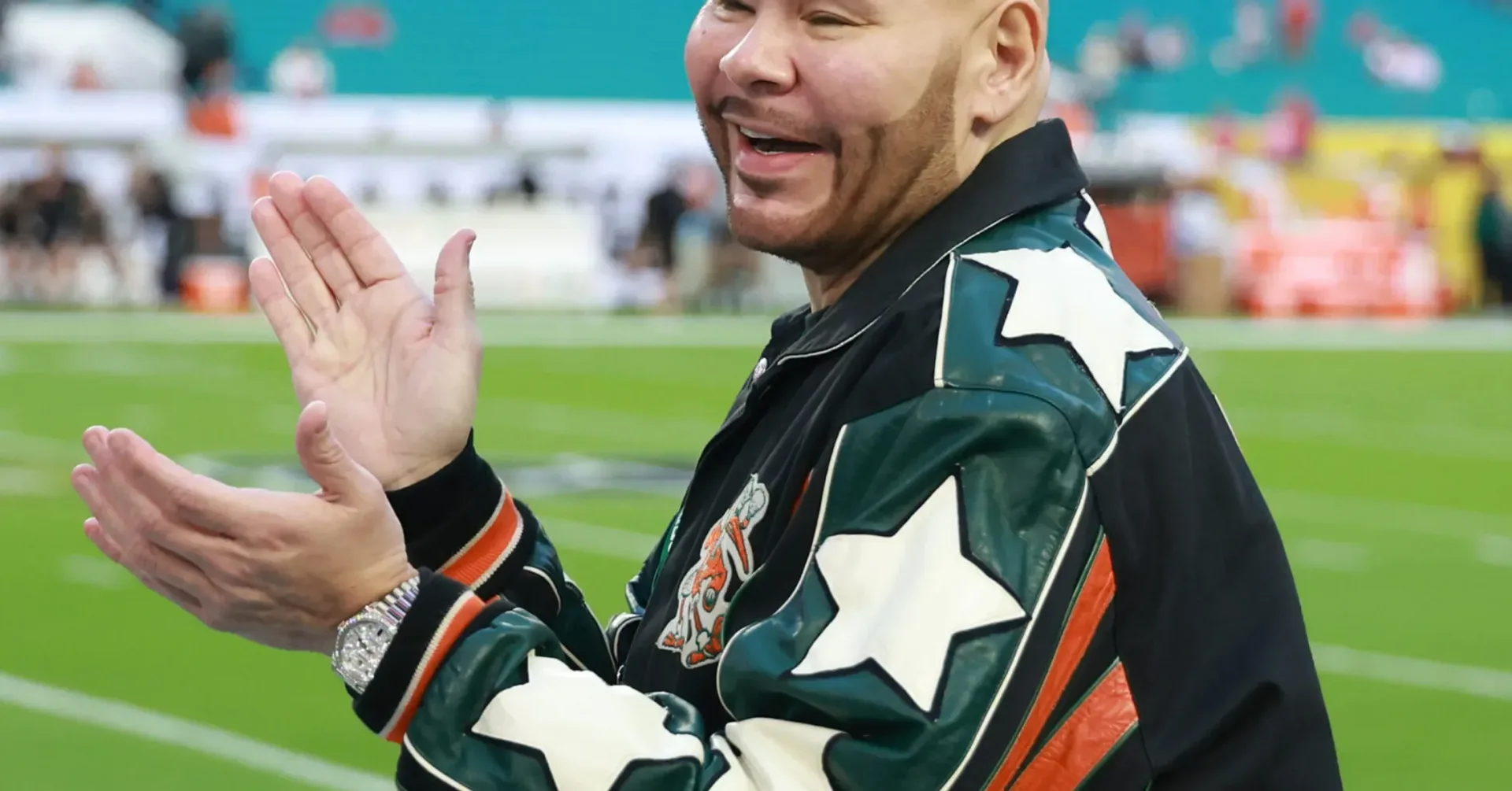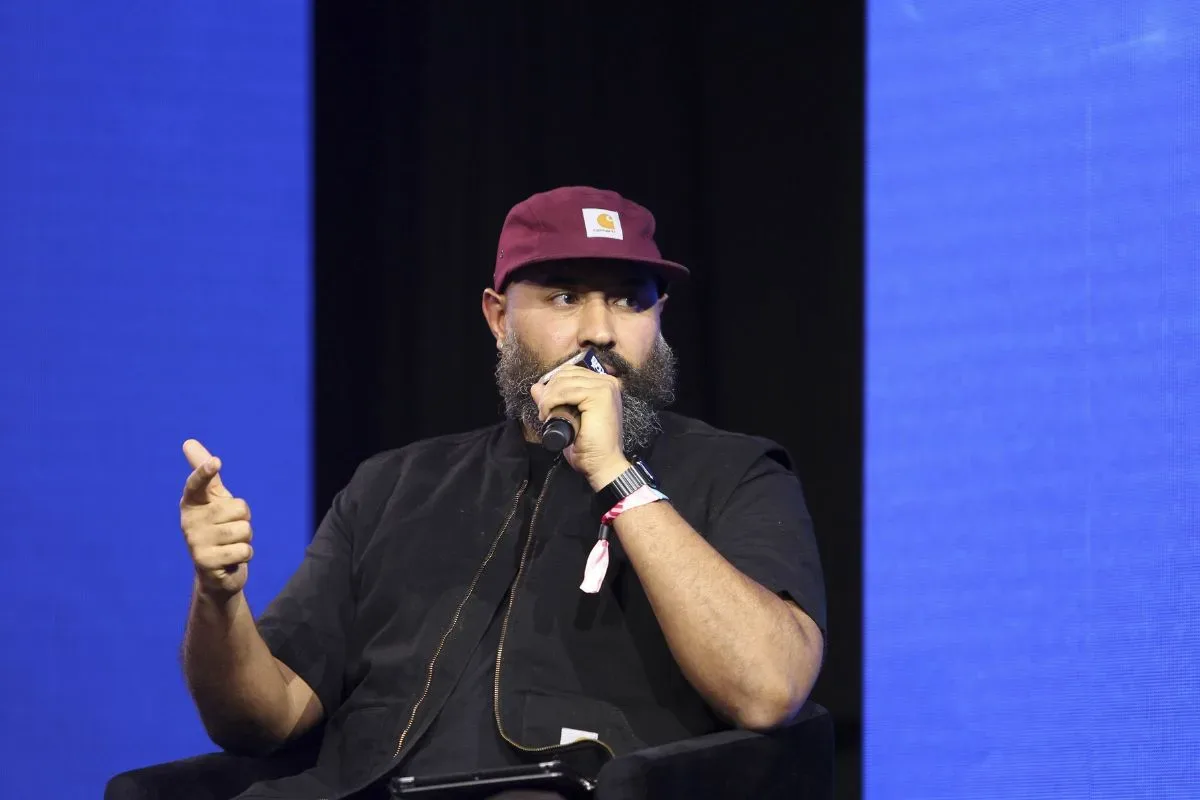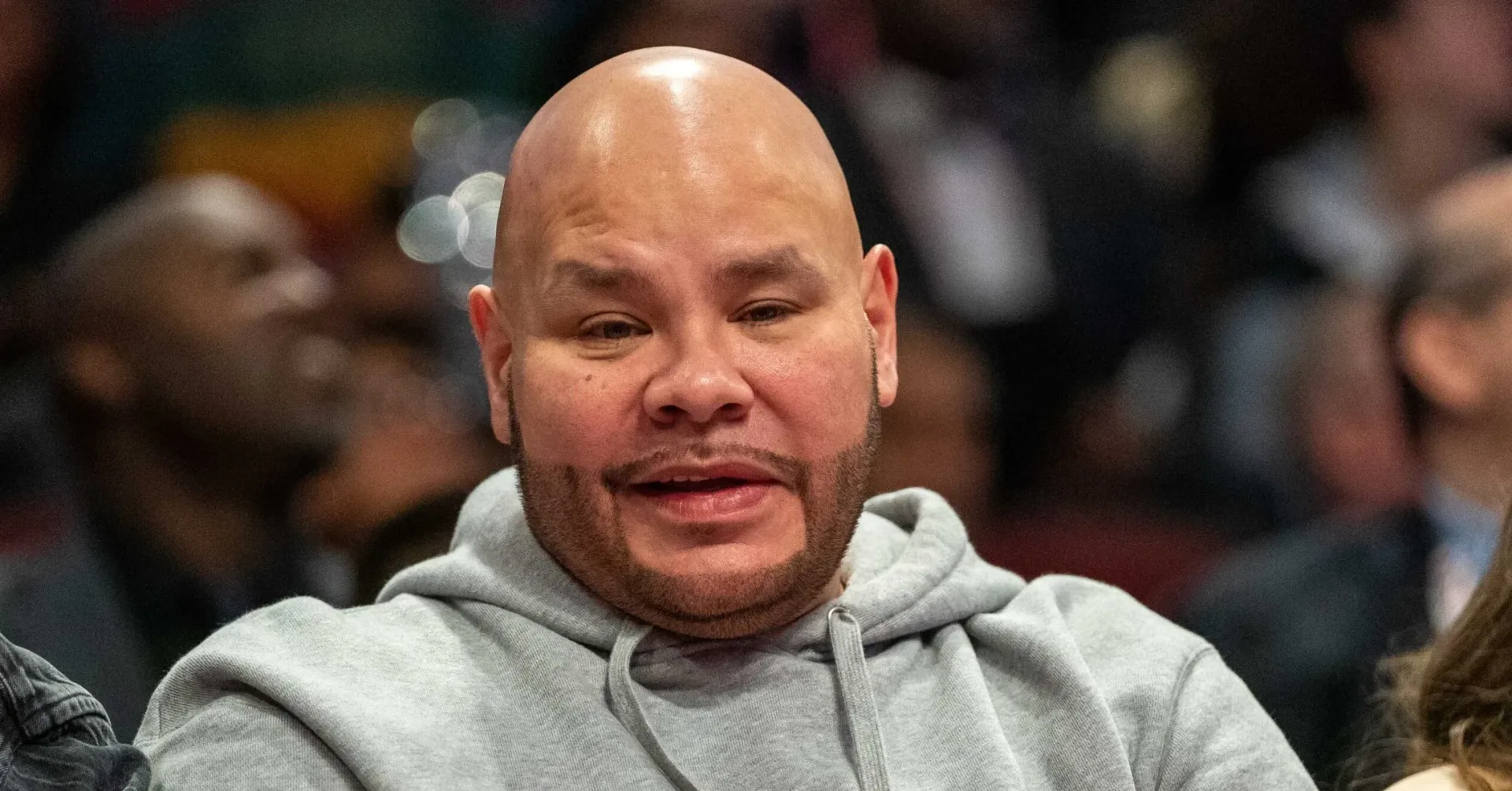
Fat Joe brought jokes, loyalty and a measure of caution to a conversation about the reported turmoil surrounding New York radio station Hot 97. During an October 27 episode of Joe and Jada, Joe and Jadakiss addressed allegations involving employee pay, furloughs and management at the station—then used the discussion to make clear that Joe does not place veteran DJ Funkmaster Flex at the center of the blame.
The exchange followed public criticism from Hot 97 morning personalities The Kid Mero and Kazeem “Kaz” Famuyide, as well as subsequent claims from former producer Scottie Beam. The matters discussed are allegations: MediaCo, Hot 97’s parent company, had not publicly responded to the reported compensation concerns or furlough claims described here.
That distinction matters because the segment’s liveliest material was comedic, while its underlying subject is serious. Joe questioned who was receiving pay amid the reports, then aimed a deliberately crude imaginary-tattoo joke at Flex’s steadfast defense of Hot 97. Jadakiss immediately corrected the anatomy in Joe’s punchline, keeping the bit going.
Joe also recalled appearing at the station’s Summer Jam with Yung Miami and said that what he observed there left him baffled enough to want out. But the laughs did not become a full-scale attack on Flex. When the discussion touched on an apparent conflict between Flex and Mero and Kaz, Joe argued that a longtime on-air figure should not be held responsible for decisions made above him.
Why Fat Joe drew a line around Funkmaster Flex
Joe’s defense came with an unusually direct acknowledgment of Flex’s professional importance to him. “Fat Joe ain't who he is if it wasn't for Funkmaster Flex,” Joe said.
That is the key tension in the discussion. A radio station is not one person, even when a single personality is one of its most recognizable voices. On-air hosts and DJs shape a station’s public identity, create shows and often become the people audiences most closely associate with the brand. But staffing, payroll and budget decisions are management functions. Joe’s argument was essentially that frustration over the latter should not automatically be assigned to the former.
It is not a defense of the allegations themselves, nor is it evidence that they are resolved. Instead, it is a question of responsibility. The public conversation has included hosts, former hosts, producers and a famous DJ, yet the claims concern decisions attributed to leadership and the parent company. Joe’s remarks push back against treating every recognizable station voice as an executive decision-maker.
That perspective also explains why his criticism and praise can exist in the same conversation. Joe could mock the atmosphere around the station, question the reported financial situation and still credit Flex for a formative role in his own career. In an industry where professional relationships can span many years, broad institutional criticism and personal gratitude do not necessarily cancel each other out.
Related coverage includes Fat Joe Jokes About Hot 97 Claims, Defends Funkmaster Flex.
The allegations that moved from studio talk to a wider dispute
The current dispute became especially visible after an October 14 morning-show broadcast in which Mero and Kaz criticized station leadership. Kaz characterized the workplace in stark terms, calling it the worst job he had experienced. The discussion later expanded when Scottie Beam alleged that staff had been furloughed and raised concerns about obligations that had not been paid.
Other former Hot 97 personalities have added their own criticisms. Peter Rosenberg questioned management’s staffing approach, while Ebro Darden claimed that resources that had supported programming were cut back. Those statements do not independently establish the payroll or furlough allegations, but they show why the issue has continued circulating through hip-hop media and beyond the station’s own broadcast schedule.
One notable development is that the October 14 segment featuring Mero and Kaz was removed from Hot 97’s official YouTube channel. Clips remained available elsewhere online, meaning that removing an official upload did not end the public debate. In practical terms, the disappearance of an official version can add another layer to a dispute: audiences may wonder why it is gone, while discussion increasingly relies on reposted excerpts rather than a complete station-hosted recording.
As of the information available here, MediaCo had not made a public statement addressing the compensation allegations or the reported furloughs. That leaves crucial details unconfirmed, including the scope of any furloughs, the nature of the alleged unpaid obligations and how management views the complaints. Those gaps should be kept front and center whenever commentary turns viral clips into definitive claims.
Comedy is carrying a serious media-industry story
The Joe and Jada segment shows how a workplace dispute can travel when the people discussing it are entertainers with history inside the same cultural ecosystem. Joe’s jokes about Flex and the station provide shareable moments; his defense of Flex supplies the nuance. The result is not simply gossip, but a conversation about institutional pressure, loyalty and who gets publicly associated with a company’s problems.
There is a familiar rhythm to these discussions. A public allegation creates an immediate demand for reaction. Former colleagues offer accounts, current personalities face questions, and social media recasts selected clips as a larger verdict. Humor makes the material easier to circulate, but it can also flatten the difference between a performer’s public stance and a company’s operational decisions.
Joe resisted that flattening in one specific way: he separated Flex’s visible advocacy for Hot 97 from the reported actions by management. That does not settle whether the workplace complaints are accurate. It does underline a useful principle for following the dispute: identify the claim, identify who is alleged to have made the decision, and distinguish that from the people reacting publicly to it.
What “furlough” means in this context
A furlough generally refers to a temporary, employer-directed period away from work. The exact conditions can vary, including whether workers keep benefits, whether they are expected to return and what compensation arrangements apply. It is different from a permanent termination, though it can still create significant uncertainty for affected employees.
Here, the word appears in allegations made by a former producer. No details were provided publicly in the material at hand about the number of people involved, the duration of any reported furloughs or the terms that applied. Treating it as a defined, confirmed program would go beyond what has been established.
What “unpaid obligations” does—and does not—tell audiences
“Unpaid obligations” is also a broad phrase. It may refer to compensation or other financial commitments, but its precise meaning depends on contracts, payroll practices and the specific claims being made. The public reporting described concerns raised questions rather than a detailed accounting. Without a response from MediaCo or documentation outlining the allegations, it is not possible to determine the full extent of what is being alleged.
That uncertainty is why the clearest account of the story separates three things: what current and former personalities said, what Joe and Jadakiss joked about, and what the parent company has or has not publicly answered. These are connected parts of one controversy, but they are not interchangeable.
What the discussion says about legacy platforms and public loyalty
Hot 97’s cultural footprint gives the dispute a larger audience than a typical workplace disagreement. Its personalities have longstanding ties to artists, listeners and commentators, so internal frustrations quickly become part of broader debates about hip-hop media. In that setting, Joe’s comments about Flex land as both a joke and a statement of allegiance to a person who helped shape his career.
That is also why the distinction Joe makes is meaningful. Loyalty to a colleague is not necessarily loyalty to every business choice made under the same brand. A veteran DJ can defend a station’s stature and remain deeply linked to its legacy, while artists and former employees question the decisions of management. The public may see all of those positions colliding in the same feed, but they address different parts of the institution.
For a parallel example of how celebrity commentary can move from a light bit into a bigger conversation about audiences and access, see this look at Flavor Flav’s playful WNBA Finals work note. The contexts are different, but the shared dynamic is clear: a prominent entertainer’s joke can open into a more serious argument.
For now, the Hot 97 dispute remains unresolved in public. The reported compensation and furlough concerns have prompted statements from several current and former figures, the Mero and Kaz broadcast has been removed from the station’s official YouTube channel, and Fat Joe has added a high-profile response that mixes satire with a defense of Funkmaster Flex. Until MediaCo addresses the claims publicly, the most responsible reading is neither to dismiss the concerns as mere content nor to treat every circulating allegation as established fact.