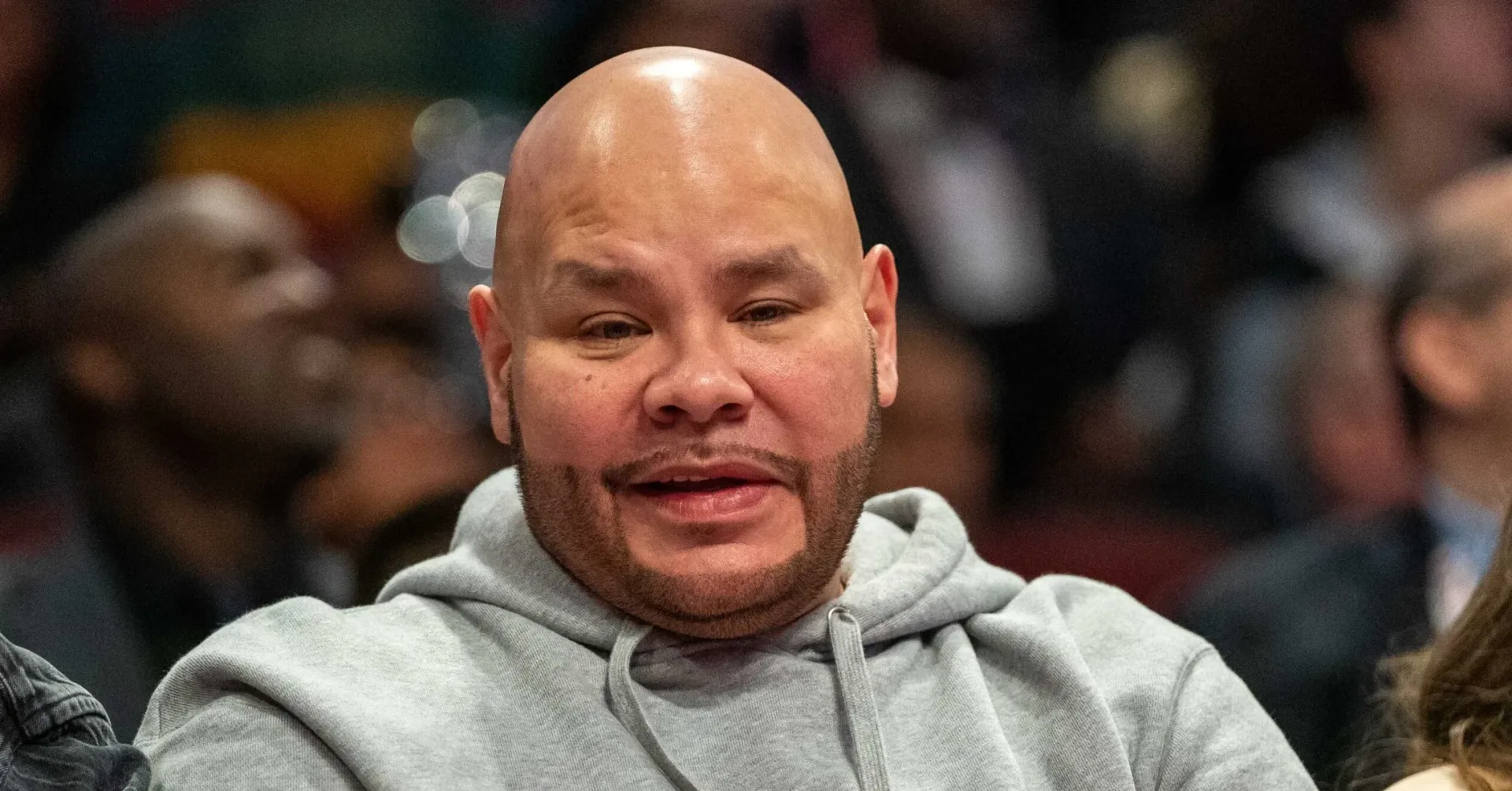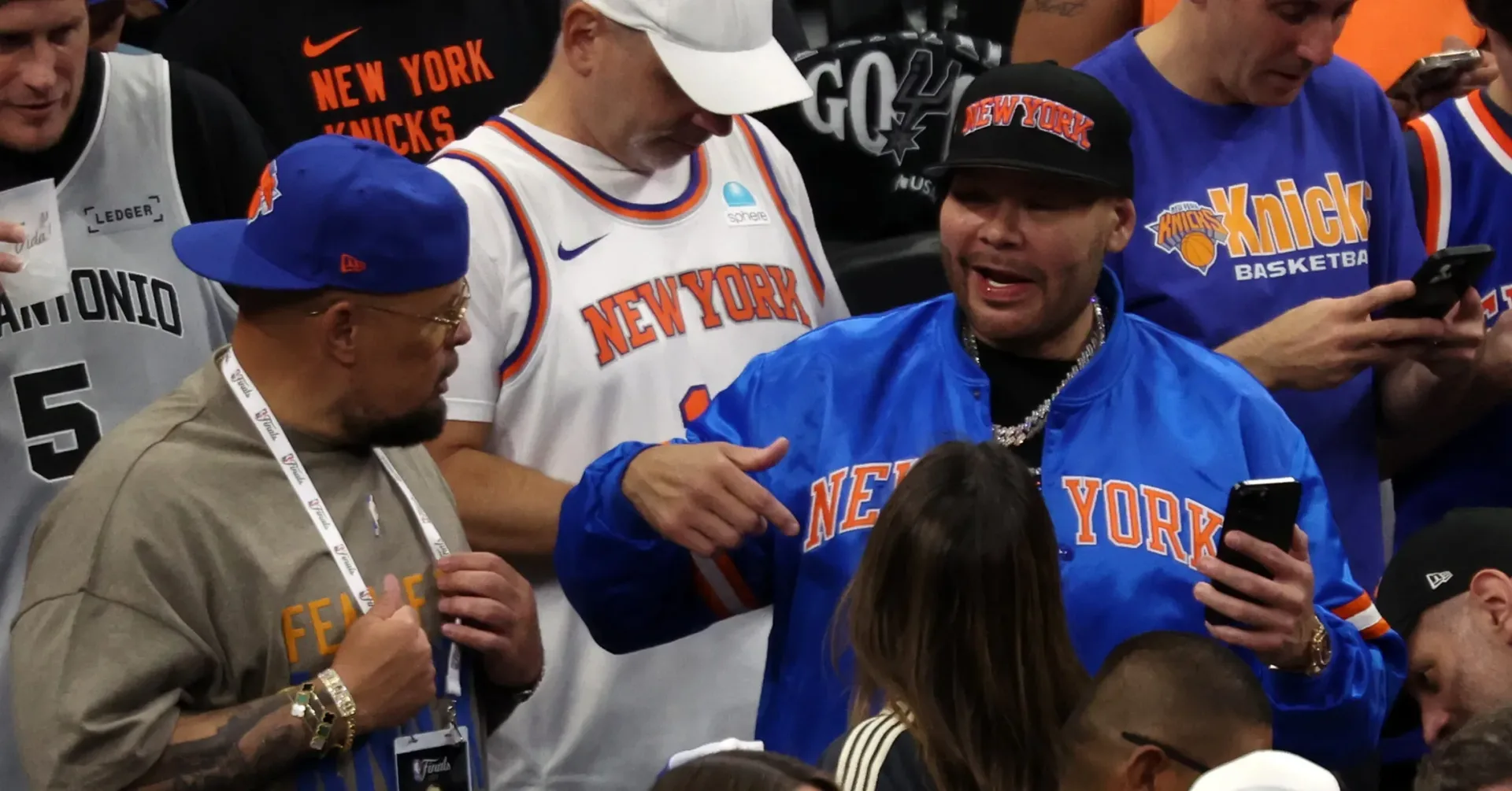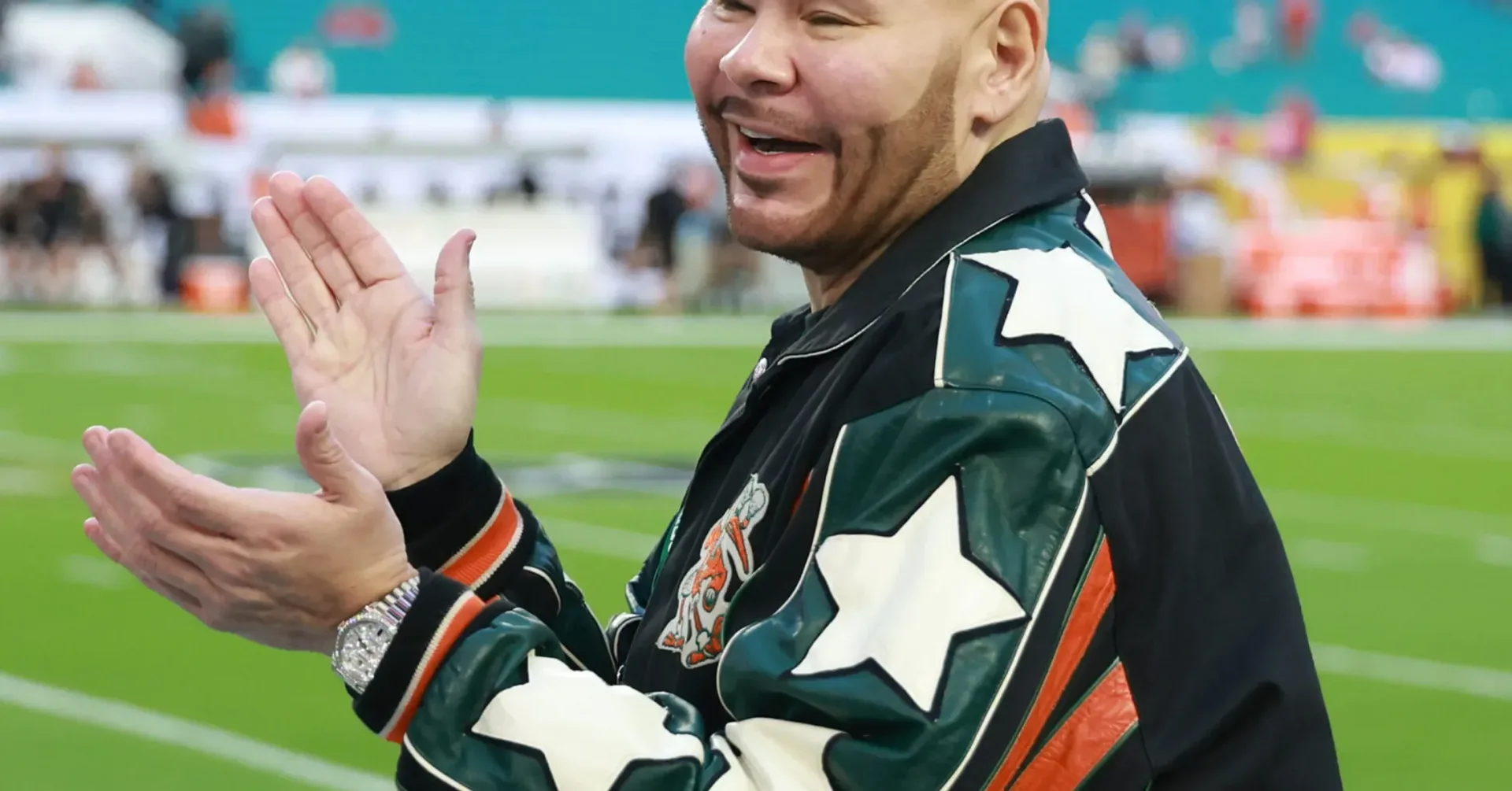
A surreal story told by Fat Joe on a 2025 podcast is being reconsidered in a far more serious context. The rapper described a birthday-party encounter involving O.J. Simpson, a machete and a man he knew as “Joe Bentley.” That man has been identified as Joseph “Joey” Ippolito, a Mafia associate and convicted drug trafficker whose alleged proximity to the 1994 killings of Nicole Brown Simpson and Ronald Goldman has drawn renewed attention.
The key point is one of limits as much as revelation: Fat Joe’s account describes a social relationship and an unusual party incident. It does not establish that Ippolito participated in the killings, helped Simpson evade authorities, or concealed evidence. The more recent attention comes from previously sealed records and claims examined in an investigation into Ippolito’s background—not from the podcast story itself.
Why the old podcast clip has new significance
In an August 2025 episode of the Joe and Jada Podcast, Fat Joe spoke with Jadakiss and comedian Aries Spears about a friend he called Joe Bentley. He said the nickname came from the man’s large collection of luxury cars. The individual was later identified as Ippolito.
Fat Joe recalled that Ippolito had allegedly told him he was waiting at an airport with a private jet during the widely televised 1994 Bronco chase, prepared to help Simpson leave. The claim is striking, but it remains a retelling of what Fat Joe says Ippolito told him. It is not, on its own, proof that a plane was available, that an escape plan existed, or that Simpson intended to use one.
The story that has spread most widely involves a birthday event for Ippolito’s wife. Fat Joe said Remy Ma and Terror Squad member Pistol Pete were there, as was Simpson. When a birthday cake arrived, Fat Joe recalled Ippolito putting a machete in Simpson’s hand and accusing him of the murders. Fat Joe said Simpson then chased Ippolito around the home while holding the weapon.
It is a startling anecdote, and its details naturally attract attention because it places Simpson and Ippolito in the same social setting after the criminal case became one of the most scrutinized in American history. But a memorable party story is still not forensic evidence. The responsible reading is that it may help illuminate an association between people; it cannot independently answer what occurred on the night Nicole Brown Simpson and Ronald Goldman were killed.
What the newly examined records reportedly concern
The renewed focus on Ippolito stems from records that had been sealed and were later examined as part of reporting on his past. Those records reportedly show that Ippolito supplied federal prosecutors with information about the possible disposal of the murder weapon. The material also linked him to Simpson through Al Cowlings, the friend who drove the white Ford Bronco during the 1994 police chase.
That language matters. Information concerning the possible disposal of a weapon is not the same as a public finding that Ippolito disposed of it, saw it, or took part in a crime. Nor does a connection through Cowlings automatically establish Ippolito’s role in any event. Connections, claims and prosecutorial information can be important leads, but they should not be inflated into settled facts without corroboration.
A separate allegation has also circulated: Ippolito’s brother, Sam, initially claimed that Joey came home on the night of the killings with blood on his hands. Sam later withdrew that account after reporters would not pay him. The recantation is crucial context. It means the assertion cannot fairly be presented as a stable, unrebutted eyewitness account.
Allegation, evidence and legal findings are different things
This story touches several categories that often get blurred together in online discussion:
- An allegation is a claim that has not necessarily been proven.
- A lead or informant account may direct investigators toward people, places or evidence, but it requires evaluation and corroboration.
- Evidence is material put forward to support a claim. Its reliability, origin and admissibility can all be contested.
- A criminal verdict determines whether guilt was proven under the criminal standard of proof.
- A civil verdict resolves civil liability under a different legal standard and can reach a different result from a criminal case.
Those distinctions are particularly important here because public fascination with the Simpson case has always encouraged people to treat every new fragment as a case-closing answer. The available material does not justify that leap.
The established legal history
Simpson was acquitted in 1995 of the murders of Brown Simpson and Goldman. In 1997, a civil jury found him liable for both deaths. Those outcomes are not contradictory in a legal sense: criminal and civil proceedings use different standards and serve different purposes. The criminal acquittal did not erase the subsequent civil finding, and the civil finding did not alter the criminal verdict.
Simpson died in 2024. Ippolito died in 2006. Their deaths also impose practical limits on what can be clarified through fresh questioning, direct testimony or new adversarial proceedings involving either man. That does not make archival records irrelevant, but it does increase the importance of precision about what each record actually says and what conclusions it can support.
Fat Joe was approached during the examination of Ippolito’s history and declined to comment. That leaves his podcast recollection as the public account of the episode described above. It should be evaluated as such: a recollection delivered years after the alleged gathering, rather than a formal finding or independently established reconstruction.
What the resurfaced clip does—and does not—add
The clip adds texture to a complicated social history. It suggests Fat Joe knew Ippolito personally and that Simpson moved within, or at least appeared at, some of the same gatherings. It also shows how direct and provocative conversations around the murders could reportedly be in private settings, long after the chase and trial became fixtures of public memory.
It does not verify the details of Ippolito’s alleged airport plan. It does not prove that the machete incident occurred exactly as remembered. And it does not establish participation in the killings or an effort to conceal a weapon. Those are distinct propositions, each requiring its own support.
That distinction is especially relevant in an era when old interview clips can be isolated, repackaged and attached to a newer allegation within hours. A video can be authentic while the conclusion drawn from it is overextended. In this instance, the honest headline is not that a podcast anecdote solved a decades-old case; it is that the anecdote has gained context because the person at its center is now receiving closer scrutiny.
Why the story continues to travel through pop culture
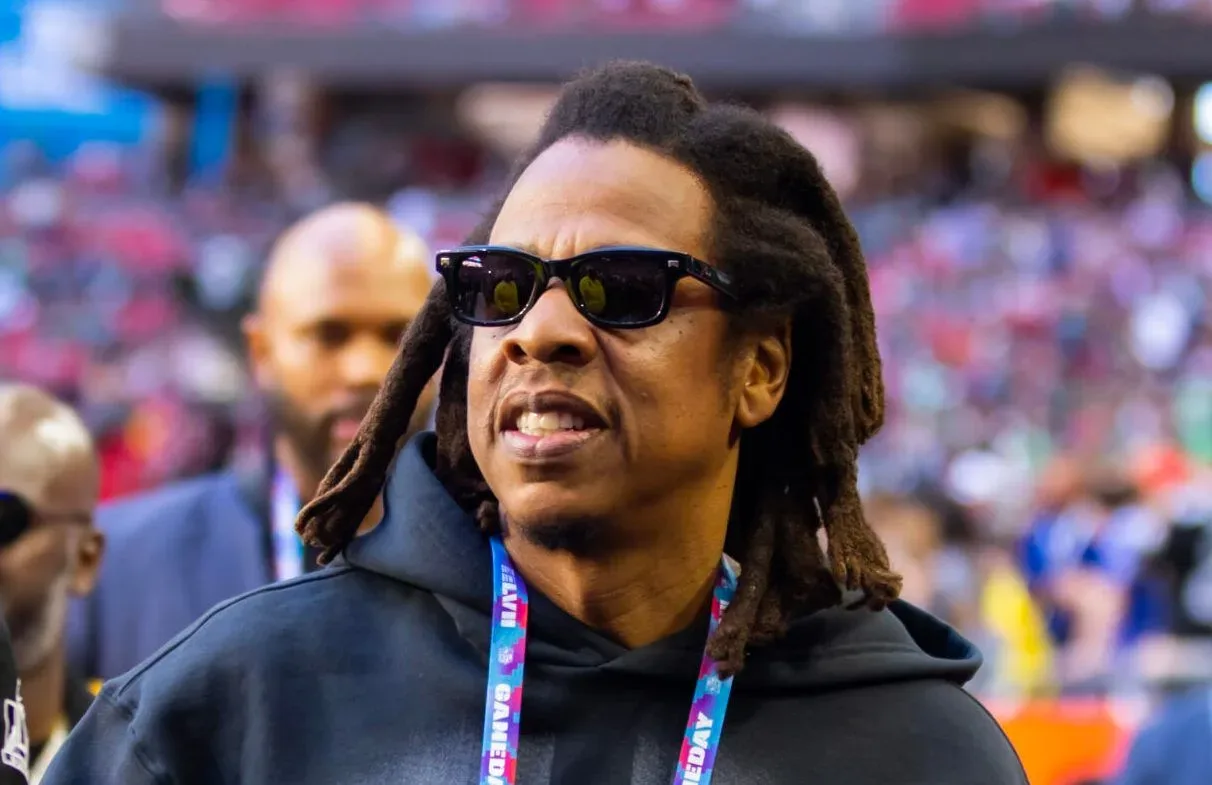
The Simpson case has long remained embedded in sports, television, music and celebrity conversation, so it is unsurprising that an account involving one of hip-hop’s best-known personalities gained momentum once its possible connection to Ippolito became clearer. The durability of that cultural attention can also be seen whenever the case intersects with music-world commentary, including debates around Jay-Z and the continuing public afterlife of the story.
For readers encountering the clip now, the most useful approach is simple: separate the confirmed legal record from new allegations, and separate first-person storytelling from independently verified evidence. Fat Joe’s recollection may be relevant to understanding his relationship with Ippolito. It is not a substitute for a documented investigative conclusion.
The renewed scrutiny may produce further reporting or additional public records. Until then, the factual baseline remains narrow: Ippolito was socially known to Fat Joe; Fat Joe says Simpson attended a party involving Ippolito; sealed records reportedly addressed information Ippolito gave prosecutors about a possible weapon disposal; and a claim from Ippolito’s brother was later recanted. Everything beyond that demands care, not certainty.
For more on the way the Simpson case continues to surface in music-related public conversations, see this look at Jay-Z’s reported Super Bowl LXI slot and the debate around it.