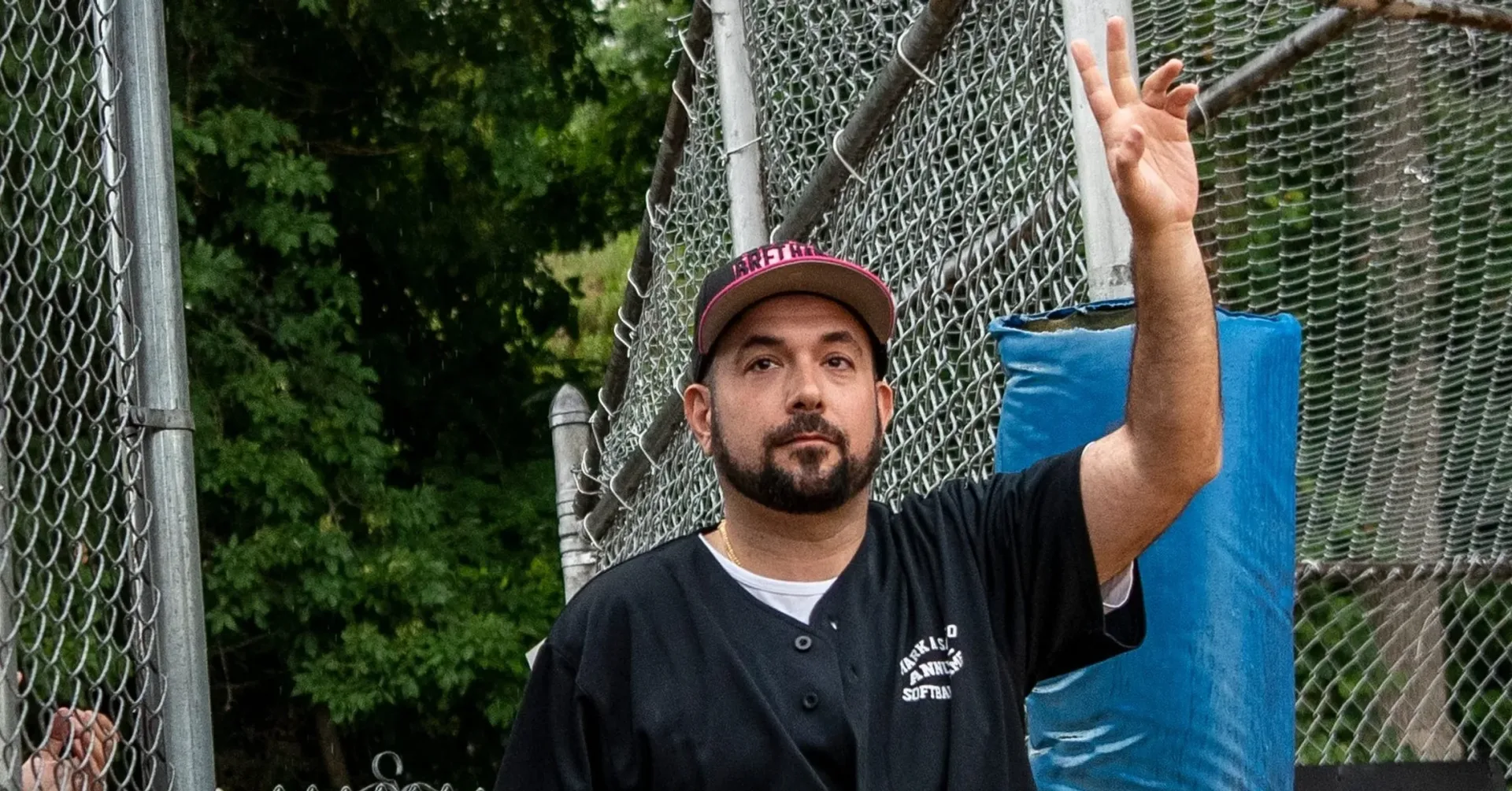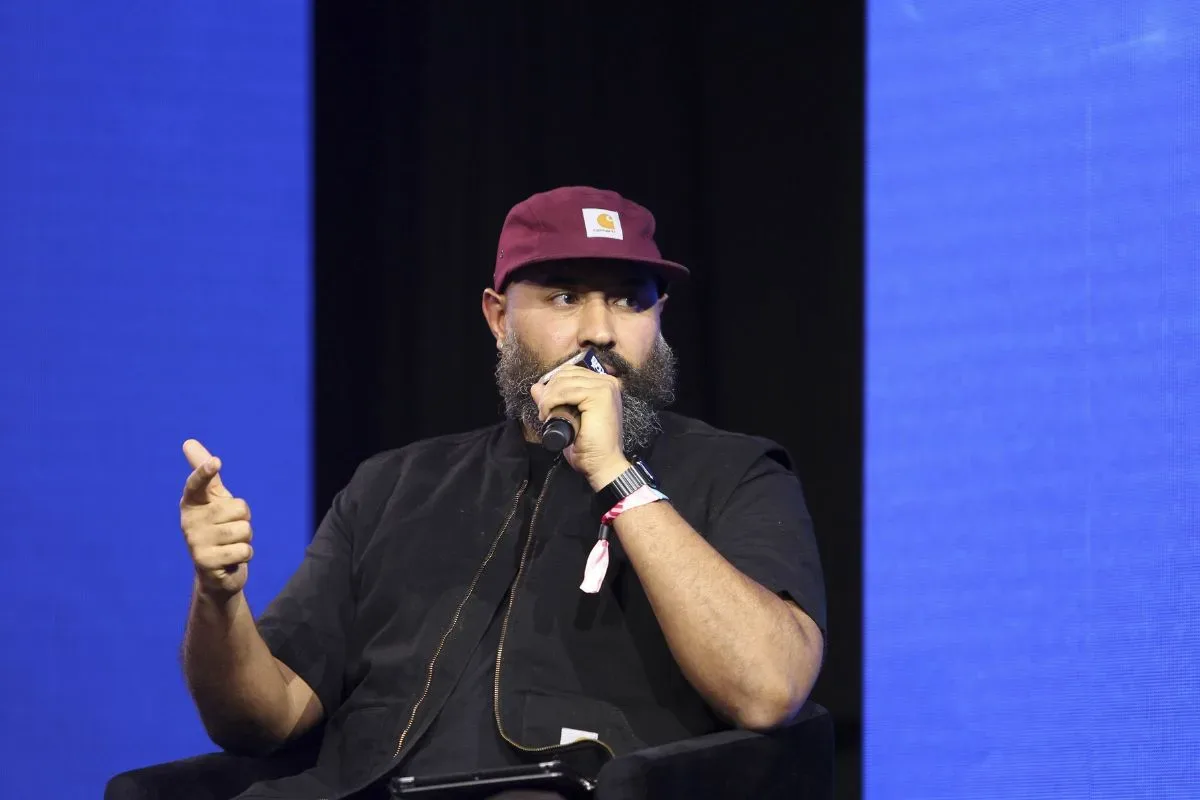
Peter Rosenberg says the pay dispute involving himself, Ebro Darden and HOT 97 has reached a key procedural milestone: arbitration is complete. Speaking on the former morning team’s current program, Rosenberg said that Darden’s matter and his own had finished, adding that Laura Stylez had also completed her case.
What remains unknown is just as significant. Rosenberg did not disclose the outcome of any arbitration, the financial terms at issue, or whether the matters resulted in awards, settlements or another resolution. HOT 97 owner MediaCo had not publicly responded to the hosts’ claims at the time described.
The comments arrive after the end of Ebro in the Morning, the New York radio show led by Darden, Rosenberg and Stylez. The program ended in December 2025 after a run that began in 2012. Within days of their final radio broadcast, the trio reappeared on YouTube as The Ebro, Laura, Rosenberg Show, retaining the familiar on-air team while moving the daily show beyond traditional FM radio.
What Rosenberg said about arbitration
Rosenberg’s update was concise: he said that he and Darden had just finished arbitration and that Stylez had finished hers as well. It establishes that the cases had progressed through arbitration, but it does not establish who prevailed or what, if anything, HOT 97 may owe.
That distinction matters. Arbitration is a method of resolving a dispute outside a conventional court trial, in which a neutral arbitrator hears the parties’ positions and makes a decision or helps facilitate a result, depending on the arrangement governing the case. Completing arbitration does not, on its own, reveal the terms of a decision. Confidentiality can also limit what participants can say publicly.
So far, the public record described here supports a narrower conclusion than a final victory claim: the hosts say their arbitration matters are finished, but they have not shared the results. Listeners should be wary of reading a conclusion into the procedural update alone.
The dispute sits alongside a larger programming change
The timing places the compensation claims in the wake of a consequential change for the station. Ebro in the Morning had been a long-running morning fixture, with Darden, Rosenberg and Stylez forming the core trio. Rosenberg joined HOT 97 in 2007, while Stylez joined in 2013.
The team’s swift YouTube transition is also part of the story. Their new daily stream gave the hosts a way to continue working together and speaking directly to an audience after their radio run ended. In practical terms, the move separates the personalities and their continuing show from a single broadcast frequency. It also makes the studio and production setup more important, because the show is now being distributed in a format where the creators’ own infrastructure can determine how quickly they can resume.
Darden addressed that point in his remarks. He said he personally paid to build the trio’s studio with the expectation that HOT 97 would receive free content it could sell advertising against. He said that investment helped the group launch quickly after leaving the station.
That account should be understood as Darden’s explanation of the arrangement and its value to the team, not as a disclosed contractual finding. Still, it illustrates why ownership or control of production resources can matter when a radio program changes homes. A ready studio can reduce the gap between an old show ending and a replacement format beginning, particularly when the same hosts want to preserve a regular schedule and a recognizable group dynamic.
Testing music and the resources question
Darden also said HOT 97 had stopped paying to test songs with listeners while the trio was still at the station. Music testing generally refers to gathering audience feedback on tracks, an input broadcasters can use when deciding what receives airplay. The comments do not identify the specific testing method, its cost, or the scope of any change, so they should not be expanded beyond what was said.
But the claim connects to a broader issue being debated around the station’s current morning lineup: resources. Mero and Kaz have voiced complaints, and the former Ebro in the Morning team expressed support for them. Darden said he had offered to help Mero navigate the job.
That backdrop makes the story about more than a closed-door pay process. It is also about the operational conditions surrounding a high-profile morning-radio transition: how programming is supported, how shows obtain tools and production capacity, and how on-air talent responds when they believe those resources are insufficient.
What the available ratings information does—and does not—show
MediaCo had previously highlighted early performance gains for Mornings with Mero, the program that followed the prior show. In a February 23 release covering January Nielsen ratings, the company said HOT 97 ranked third in New York morning drive among adults 25 to 54 and adults 18 to 49.
The company said the station’s average quarter-hour audience rose 18.5 percent year over year in the 25-to-54 group and 30.7 percent in the 18-to-49 group. Those figures apply to weekday broadcasts from 6 a.m. to 10 a.m., and MediaCo attributed the increase to Mornings with Mero.
Average quarter-hour audience is a ratings measure referring to the estimated average number of people listening during a typical 15-minute period. It is useful for describing a program’s audience delivery, but it is not interchangeable with every possible measure of reach, loyalty or revenue. The reported percentage gains also compare January with the same period a year earlier; they are not, based on the information available, a direct three-month comparison between the present and former morning shows.
That limitation is especially important because the January report cannot answer how the competing programs performed across the three months referenced by Kaz. Kaz said his show had beaten The Breakfast Club for three months while operating with fewer resources. The available January figures do not independently establish that claim, nor do they detail the specific resources Kaz says were lacking.
In other words, there are two separate public narratives that should not be collapsed into one. MediaCo pointed to a January ratings improvement and a third-place market position for the new show. Kaz described a three-month competitive win over another program despite resource constraints. Both statements concern performance, but they use different time frames and do not provide enough matching detail for a definitive like-for-like assessment.
Why the unanswered details matter
The absence of disclosed arbitration results means the central financial question remains unresolved in public. Rosenberg, Darden and Stylez may be able to say their matters have concluded, but the audience does not yet know whether they received money, how any payment obligation was interpreted, or whether confidentiality prevents a fuller account.
For the current hosts, the dispute provides context rather than proof for their own concerns. The old team’s backing can amplify attention on Mero and Kaz’s complaints, while Darden’s comments about studio costs, music testing and offered assistance add detail about the kind of operational support talent may view as essential. It does not, however, establish that every host faced the same agreement, budget, staffing arrangement or production condition.
The clearest confirmed development is therefore procedural: Rosenberg says the arbitration involving him and Darden is done, and that Stylez’s case is done too. The outcome has not been announced. The former hosts have continued together on YouTube, while HOT 97’s replacement morning show has been promoted by its owner on the strength of January ratings gains. Those parallel developments leave the station with both a live programming transition and unresolved public questions about the compensation dispute that followed it.
For more music-business context on the site, see the report on Avi Hirschfield’s “Janice STFU” demo and Drake’s songwriting denial.