Peter Rosenberg has criticized the recent wave of personnel changes at Hot 97, framing the station’s layoffs, cancelled programs and DJ departures as more than a routine reshuffle. In social-media remarks, the radio host argued that the company’s response to its challenges has centered on removing people and reducing costs rather than finding a sustainable creative direction.
The comments arrive after Rosenberg’s own show was cancelled. Rosenberg, Ebro Darden and Laura Stylez subsequently moved in an independent direction, making the dispute especially personal while also raising a broader question for music radio: what is lost when a station’s recognizable voices are treated primarily as expenses to be cut?
Rosenberg’s criticism centers on the people leaving
Rosenberg said that many accomplished DJs are no longer on Hot 97’s airwaves, pointing to DJ Drewski, Bobby Konders and Jabba among the names affected by the station’s personnel changes. His core complaint was blunt: he believes the company has relied on successive rounds of cuts to try to make the operation work.
“First cut fat, then cut meat, now cut into the bone,” Rosenberg said, describing what he sees as the cumulative effect of the cuts.
That metaphor is not a claim about a particular budget line or an independently verified assessment of Hot 97’s finances. It is Rosenberg’s view of the consequences: reductions that began as attempts at efficiency have, in his telling, reached the on-air talent and local personalities that give a radio station its identity.
That distinction matters. Layoffs are concrete personnel decisions; the broader interpretation of whether they make a media brand healthier or weaker is necessarily an argument. Rosenberg is making the latter argument, and he is doing so from the position of a former host whose program was itself cancelled.
Why familiar DJs can matter beyond a time slot
In music radio, an on-air DJ is not simply someone who introduces the next record. A presenter can provide context around new music, sustain a relationship with a regional audience and build recognizable programming habits over years. Those roles can be particularly consequential for a station with a cultural identity tied closely to hip-hop.
That does not mean every departure has the same cause or that a station cannot change its lineup. It does mean that roster turnover can be felt differently from a playlist adjustment. Listeners often attach a station to particular voices, dayparts and shows. A daypart is radio’s term for a specific block of the broadcast day, such as a morning program or evening mix show. Replacing or cancelling shows in those slots alters the product listeners encounter, even if the format remains the same on paper.
Rosenberg’s remarks therefore focus on continuity as much as employment. His argument is that a station cannot indefinitely preserve its connection to listeners if it keeps thinning the group of hosts and DJs who create that connection. Whether Hot 97 agrees with that assessment has not been established here, and no explanation from station management is included in the available information.
A shifting media model, not just one station’s dispute
The situation has been discussed in the context of traditional hip-hop media adapting to an evolving media landscape. That phrase can sound abstract, but the practical issue is straightforward: established outlets must decide how to retain an audience, fund programming and remain culturally relevant while public conversation increasingly takes place across independent channels and personalities.
Rosenberg, Darden and Stylez pursuing an independent path after their show’s cancellation is an example of that change in miniature. Independent does not automatically mean a project is more successful, nor does it reveal how any particular venture is financed or distributed. It does, however, change the relationship between hosts and the institution that once employed them. The personalities can seek to carry their audience beyond a single station, while the station must demonstrate that its brand remains meaningful without them.
This is also why layoffs in culture-facing media attract a sharper reaction than a simple corporate staffing story might. The people leaving are part of the output. For an outlet built around taste, commentary and access to a music community, the workforce can be inseparable from the audience’s reason for showing up.
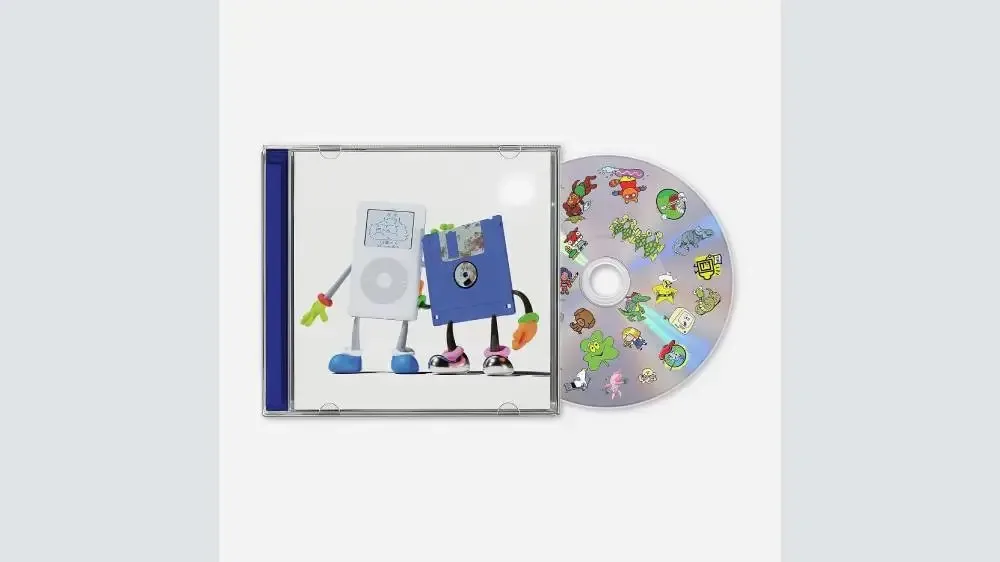
Music culture is not fixed to one delivery format, of course. It can travel through radio, performance, interviews, recorded programming and online discussion. The creative pull of sound and media nostalgia remains visible in projects such as The Avalanches’ sample-heavy exploration of Y2K technology nostalgia. The important difference is that a legacy radio brand must make its own case for why listeners should keep returning to its particular lineup and perspective.
Akademiks turns the moment into a public pitch
The layoffs have also prompted DJ Akademiks to publicly float the idea of taking over Hot 97’s morning show. During a livestream, he said he would do so if Mero were fired and he were paid $5 million, presenting himself as the person who could “save” the station.
There is no indication in the available information that this is an active offer, a negotiation or a prospective hiring plan. It is best understood as a provocative public challenge rather than a confirmed programming development. It is also notable because Akademiks and Rosenberg have clashed in the past, including over coverage involving Drake.
Akademiks’ condition that Mero be removed makes the remarks more confrontational than a conventional expression of interest in a job. It puts another current media figure at the center of the joke and adds to the competitive tone surrounding the station’s changes. Mero’s morning show is described as a recent addition, so Akademiks’ comments should not be read as evidence that the show is being cancelled or that a replacement is planned.
What is known, and what remains unresolved
- Known: Hot 97 has experienced layoffs, cancelled shows and DJ departures.
- Known: Rosenberg’s show was cancelled, after which Rosenberg, Ebro Darden and Laura Stylez went independent.
- Known: Rosenberg publicly objected to the cuts and named DJ Drewski, Bobby Konders and Jabba while discussing departures from the air.
- Known: Akademiks publicly said he would host a Hot 97 morning show under stated conditions, including a $5 million payment.
- Unresolved: There is no confirmed indication that Akademiks will join the station, that Mero is being fired, or that Hot 97 has accepted any such proposal.
- Unresolved: The available information does not provide the station’s detailed rationale for the personnel decisions or a full account of its future programming strategy.
For now, the clearest development is the divide between Rosenberg’s warning and the circumstances that produced it. He sees a station cutting away the very talent that made it valuable. Akademiks sees an opening to argue that a different personality could revive it. Both responses treat the changes as consequential, but they point in opposite directions: one toward concern over a shrinking institutional roster, the other toward a highly public bid to occupy the space left behind.
Neither reaction answers whether the station’s present strategy will work. That will depend on decisions that have not been announced here: what programs remain, who is hired or retained, and whether listeners feel the revised lineup still delivers the voice and connection they expect. Rosenberg’s criticism places the human cost of those decisions squarely at the center of the conversation.