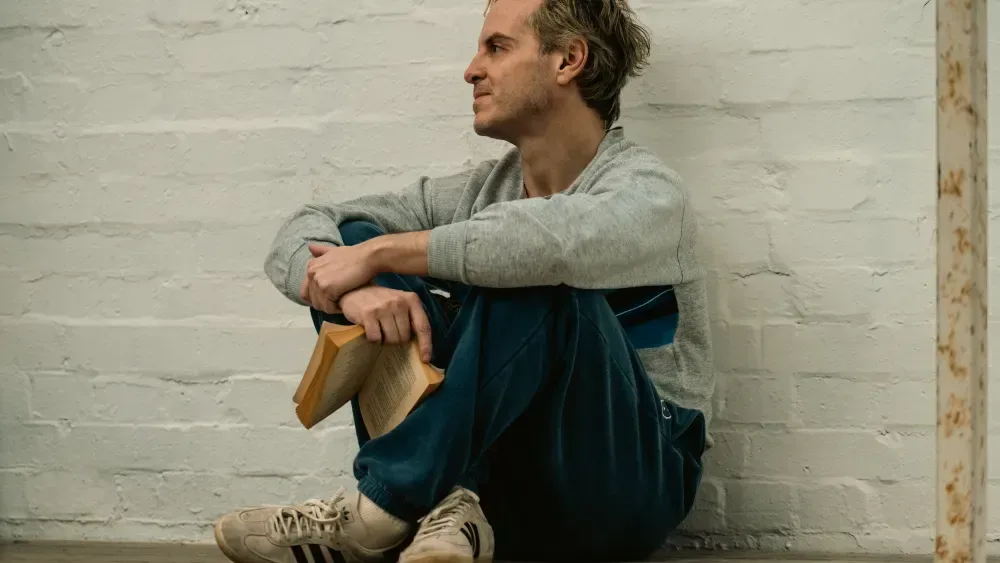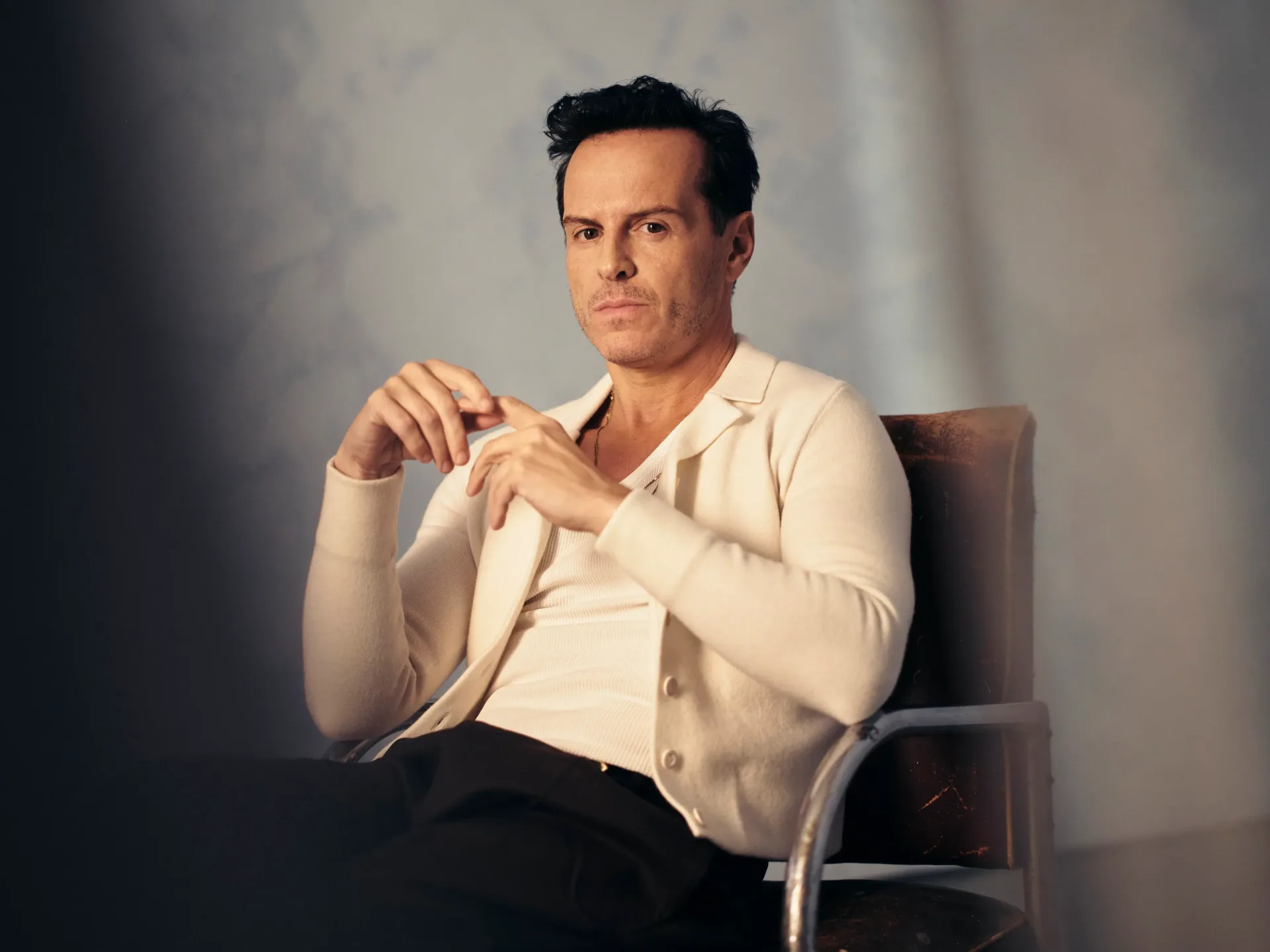

Elsinore tells the story of Ian Charleson’s final performance as Hamlet at London’s National Theatre on November 13, 1989. Andrew Scott plays Charleson, who was dying of AIDS and had kept his illness private; only a small number of the 1,000 people in the Olivier Theatre audience knew the circumstances surrounding that appearance.
That premise could invite a movie to lean heavily on visible suffering or grand tragedy. The people making Elsinore, however, appear to have taken a more measured route. The film’s work combines performance, research, hair and makeup, and contributions from people who knew Charleson personally. Its aim is not simply to reproduce a famous final night, but to preserve the humanity of an actor remembered by those around him as funny as well as courageous.
Stephen Beresford wrote the biopic, which reunites Scott with Olivia Colman. Colman plays Margaret Johnson, the doctor treating Charleson. Their characters’ relationship provides one route into a story built around illness, secrecy, work and the emotional force of live performance.
Transformation without turning the period into costume
Makeup department head Nadia Stacey’s stated principle was especially important because Elsinore depicts real people. A transformation has to be recognizable enough to evoke the person being portrayed, while remaining sympathetic and never distracting from the actor’s work.
That balance also applied to the late-1980s setting. Period filmmaking can take a shortcut by exaggerating instantly recognizable visual markers. Stacey specifically identified the risk of reducing the decade to a broad “everybody had a perm” image. Her approach instead was to establish the era without making hair and makeup the thing viewers notice first.
That distinction matters. Period detail is the visual work that locates a story in a particular time: hairstyles, grooming, cosmetics and other details that can suggest a historical setting. But period detail becomes a problem when it calls attention to its own cleverness more than it supports character. In a story as intimate as Charleson’s, the visual department’s task is less about announcing “the 1980s” than helping the audience accept the people and emotional situation onscreen.
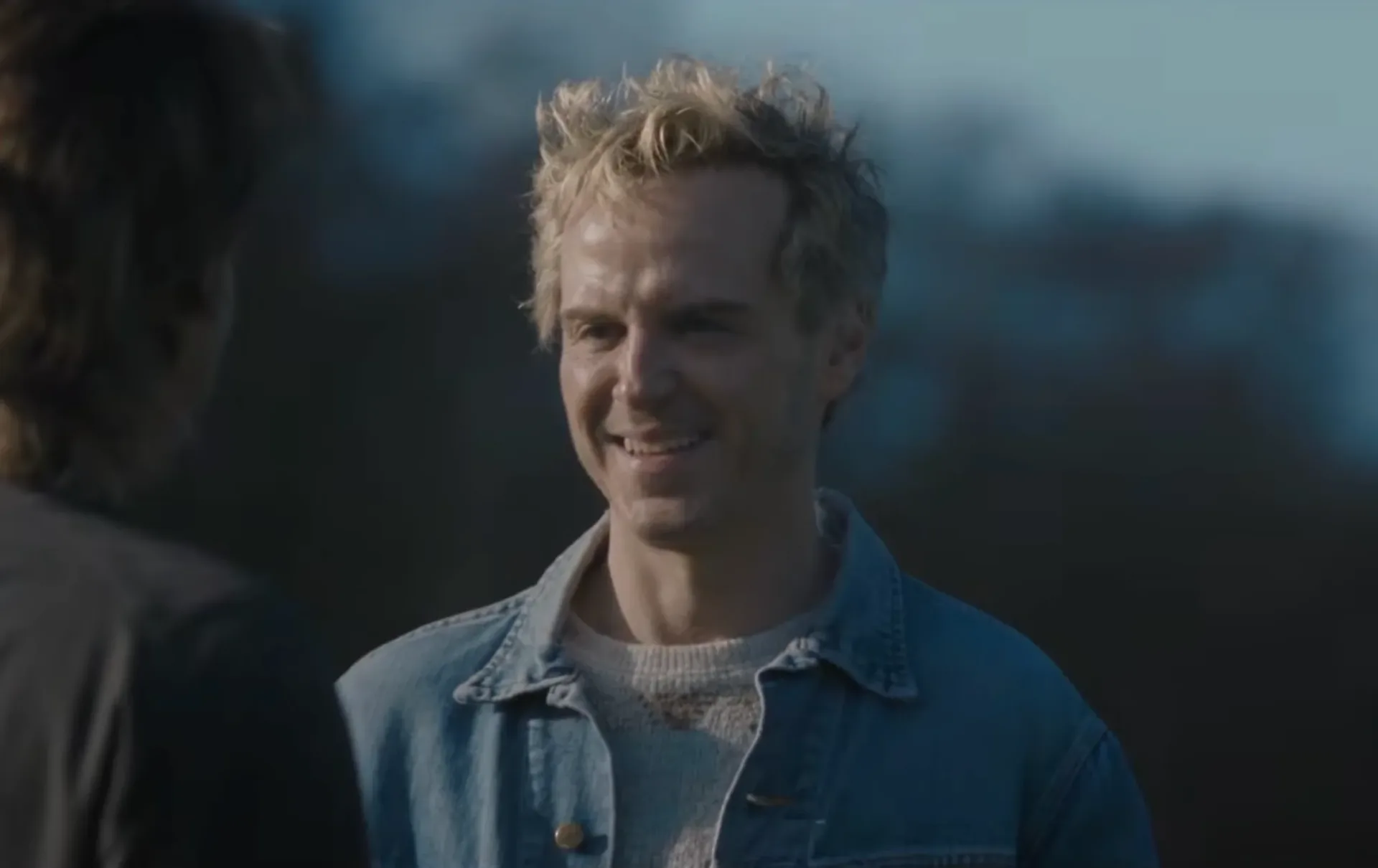
For Scott, the question was complicated by a real contrast between performer and subject. Scott is known for black hair and brown eyes; Charleson had blond hair and blue eyes. Rather than bleaching Scott’s hair, Stacey gave him a full head of blond highlights and used blue contact lenses. The team’s reasoning was practical as well as aesthetic: they did not want to push the change so far that it jarred the audience. They also framed the hair treatment around what an actor of Charleson’s time might plausibly have done himself, including dyeing his own hair.
It is a useful example of how a screen transformation need not be an exact physical duplicate to communicate a person. The highlights and lenses identify traits associated with Charleson, yet leave room for Scott’s own performance to carry the character. The choice favors credibility within the movie over a more conspicuous makeover.
Related coverage includes Elsinore Uses Subtle Transformations to Honor Ian Charleson.
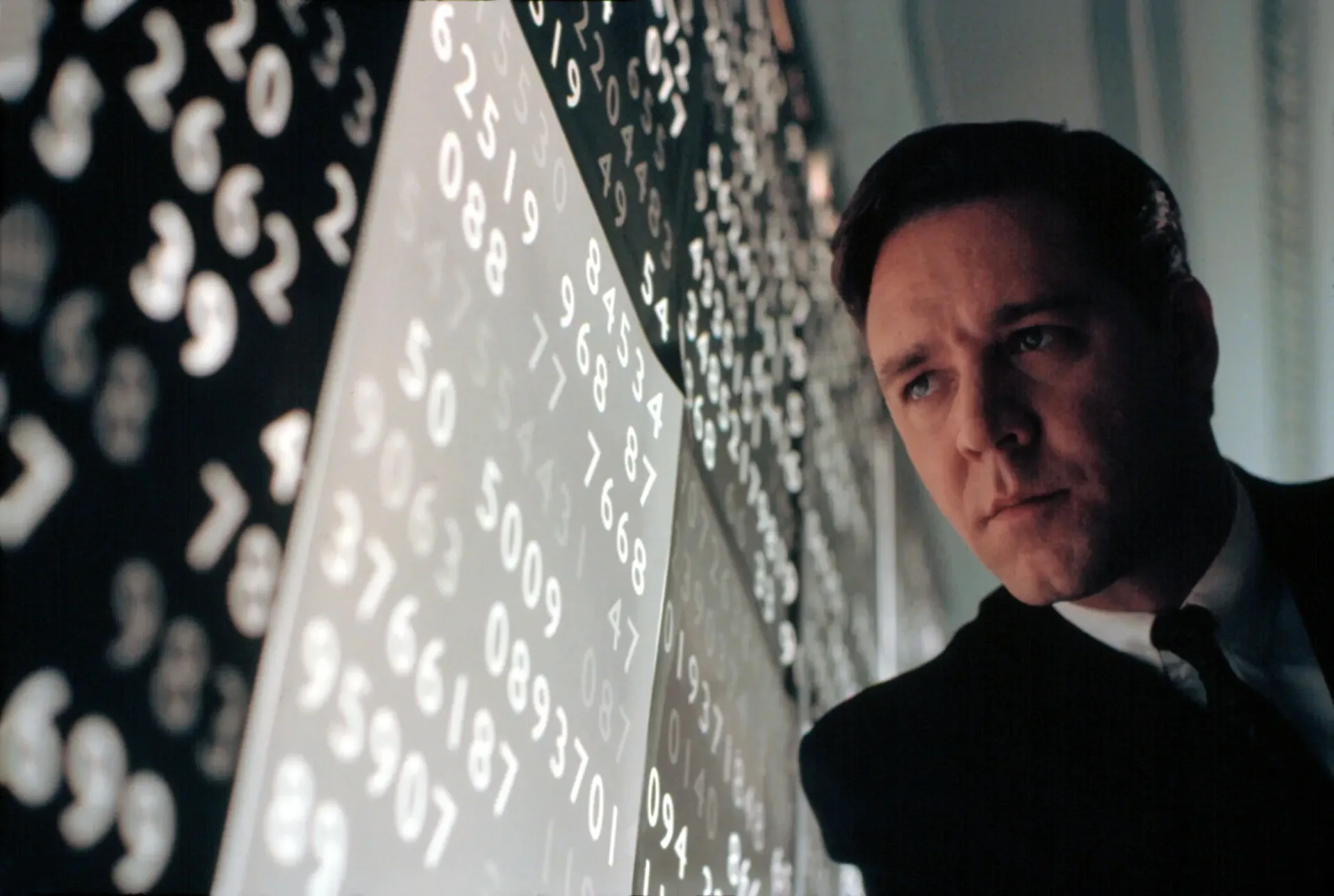
That philosophy has echoes in other actor-centered films, where production choices can be most effective when they serve the dramatic process rather than become the headline. For another perspective on the demands a filmmaking approach can place on a performer, see the account of Russell Crowe’s sequential shooting process for A Beautiful Mind.
Showing illness as a journey, not a visual spectacle
Charleson tested positive for HIV in 1986. As the film follows the decline in his health, Stacey adjusted Scott’s complexion and added dark circles under his eyes. She also used tattoo transfers for sarcoma lesions on his body.
Sarcoma lesions, in the film’s makeup design, are physical marks used to reflect Charleson’s worsening condition. Tattoo transfers are pre-made designs applied directly to skin, allowing makeup teams to create repeatable results and adjust placement as required. In this case, they gave the production a controlled way to portray visible signs of illness over time.
Those technical details might sound clinical on paper, but the larger creative choice is one of restraint. Discolored skin, dark circles and body transfers can mark a changing physical reality without requiring the movie to turn every scene into a display of decline. Stacey’s work traces a progression after Charleson’s HIV diagnosis, while the story still makes room for his intellect, humor, friendships and commitment to performing.
That is consistent with Colman’s description of the film’s intent: it does not glorify Charleson’s death. A film can acknowledge mortality directly without treating it as the entirety of a person’s identity. Here, the final Hamlet remains central because it was an act of work and artistry, not merely because it was Charleson’s last performance.
Olivia Colman’s Margaret Johnson and the challenge of a wig
Colman underwent her own carefully calibrated transformation for Margaret Johnson. Photographs of Johnson showed a blond bob, and the production chose to use a wig to capture that feature. As Stacey noted, wigs can be difficult onscreen: viewers may immediately recognize one as a wig, which risks breaking the illusion.
In production terms, a convincing wig is not solely about copying a hairstyle. It must fit the performer’s face, movement and the camera’s perspective while helping the actor disappear into the role. The goal on Elsinore was to get close to Johnson’s appearance without pulling Colman out of the story.
Colman had researched Johnson and had watched her before trying the wig. That preparation made her receptive to the choice. Her comments point to an important collaboration in biographical acting: visual research gives performers a sense of the person’s exterior presence, while acting must supply the interior life that photographs cannot provide.
The relationship between Johnson and Charleson is also a reminder that a biopic’s central subject does not exist in isolation. A doctor character can reveal another side of a performer’s life: the care, trust and difficult conversations surrounding illness. Colman and Scott’s established connection as screen partners may provide a useful foundation for that closeness, but their roles here are markedly different from their prior collaboration.
People who knew Charleson are part of the film’s texture
One of Elsinore’s most striking choices is the involvement of people with direct links to Charleson. Casting director Jessica Ronane placed background performers in the film who had actually known him. David Rintoul, Charleson’s real-life best friend, plays the Ghost of Hamlet’s father. Some members of the hospital cast were also friends of the late actor.
These appearances should not be mistaken for documentary proof or treated as a substitute for dramatic interpretation. They are, instead, a form of lived connection within a fictionalized feature. Their presence adds a layer of personal memory to a production about someone whose final public act was seen by an audience largely unaware of what he was enduring.
Colman said her research repeatedly brought her back to the same description: Charleson was hilarious and funny. The willingness of people who knew him to join the film suggests that the production’s approach resonated with them. More importantly, that recurring recollection guards against a narrow portrait in which Charleson is remembered only through illness and loss.
The Ghost is a particularly resonant role for Rintoul. In Hamlet, the Ghost initiates the play’s central reckoning with memory, duty and what remains unsaid. Having Charleson’s best friend play Hamlet’s father’s Ghost creates a meaningful overlap between Shakespearean drama and personal history, even as Elsinore remains a separate film about the people around that production.
Why Scott’s off-camera presence mattered
The film’s final act includes a scene in which Johnson comes to watch Charleson perform. The camera is principally focused on Colman’s reaction. By that stage, Scott’s coverage had already been filmed, and the shoot was long and tiring. Yet Scott came in on his day off to perform sections of Hamlet for Colman.
That choice has a straightforward acting purpose. Reaction shots are not passive. When a character is moved by a performance, the actor playing that response benefits from having something immediate to see and hear. Scott being present gave Colman a live scene partner rather than an abstract cue, even though the camera was centered on her.
It also fits the movie’s subject. Charleson’s story concerns the power of an actor continuing to perform under circumstances the audience did not fully know. In recreating the moment, Scott supported a fellow actor’s response by performing Shakespeare for her off camera. The production detail does not erase the distance between the recreated scene and the 1989 event, but it demonstrates the collaborative care behind the film’s attempt to make Johnson’s reaction feel grounded.
A remembrance shaped by craft and character
Colman’s response at the London Film Festival premiere was emotional, despite having already seen the film. She attributed part of that response to seeing Scott’s work and recognizing what it took to make the performance. Her view that film can remind audiences of past heroes gets at what Elsinore is trying to preserve.
Charleson’s final Hamlet is the unavoidable dramatic center, but the film’s individual choices point toward a fuller remembrance. Scott’s look was adjusted without overwhelming him with an extreme makeover. Colman’s wig was selected to honor photographic evidence without making the artifice conspicuous. Makeup tracks illness while resisting the temptation to sensationalize it. And friends and acquaintances of Charleson appear within the production, carrying their own memories of a man known for humor.
For viewers, that combination offers a way to understand why the story remains powerful. It is about a final performance, certainly. It is also about the professional discipline of acting, the quiet precision of film craftspeople, the obligations involved in depicting real people and the difference between remembering someone as a tragedy and remembering them as a whole person.