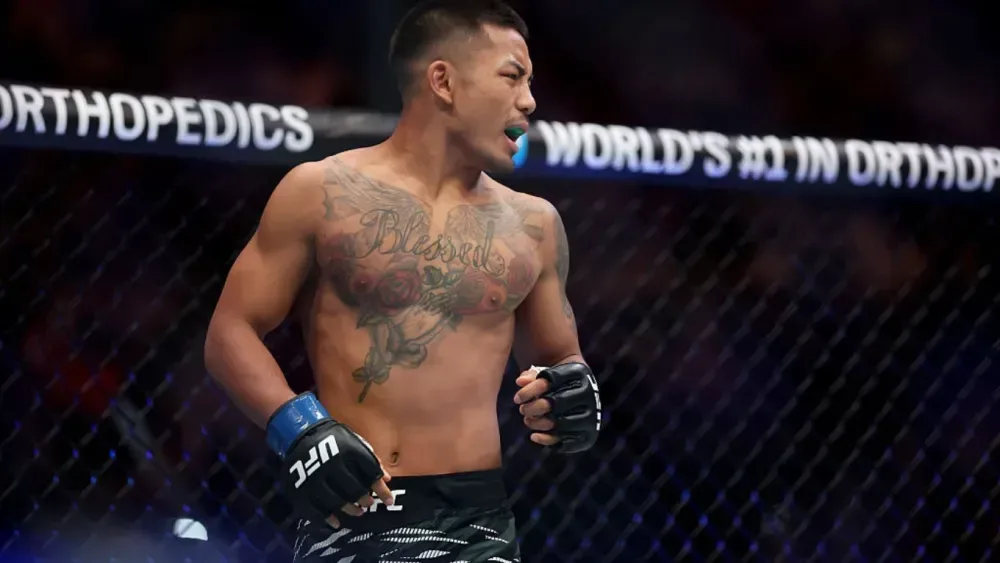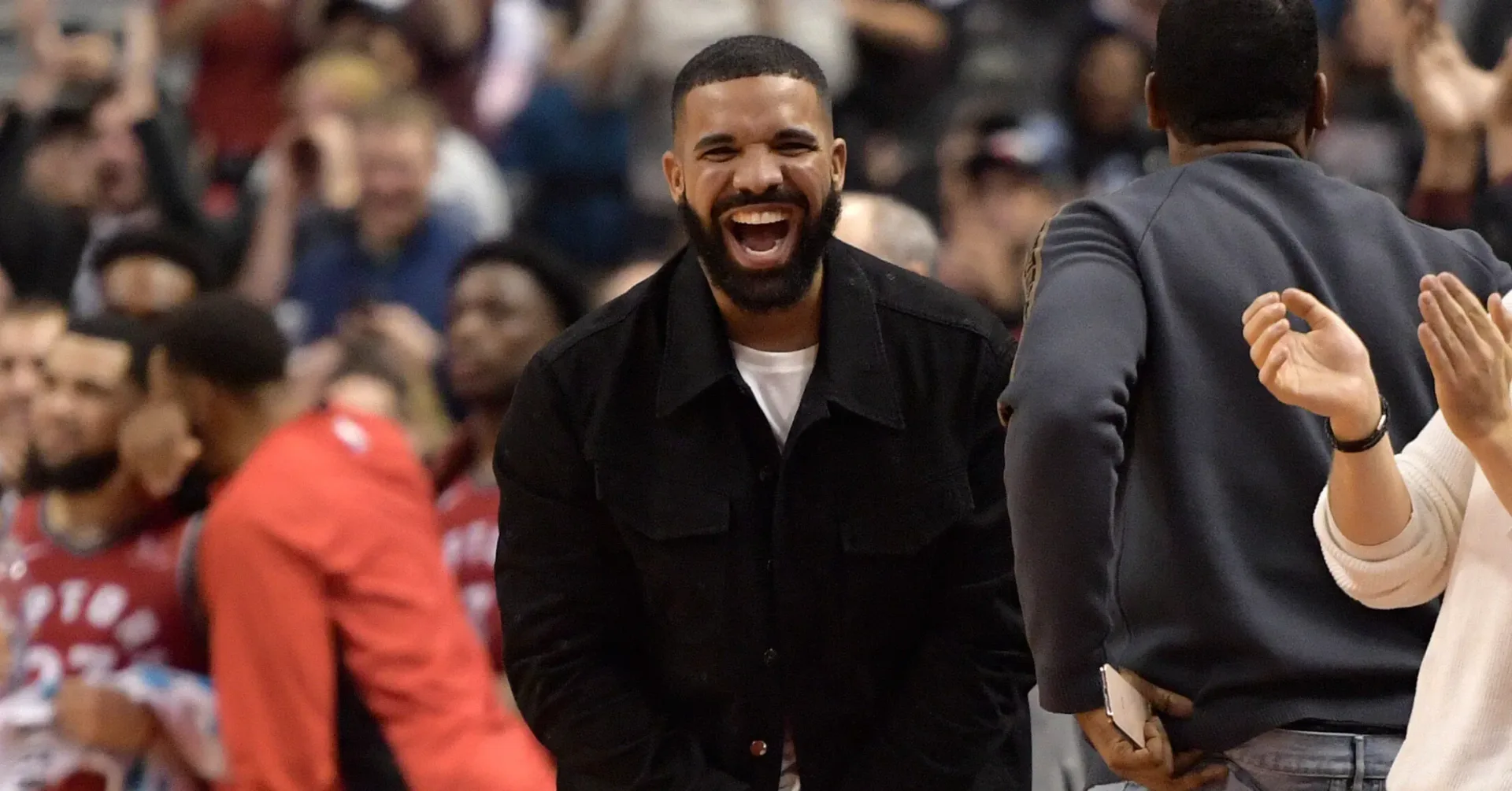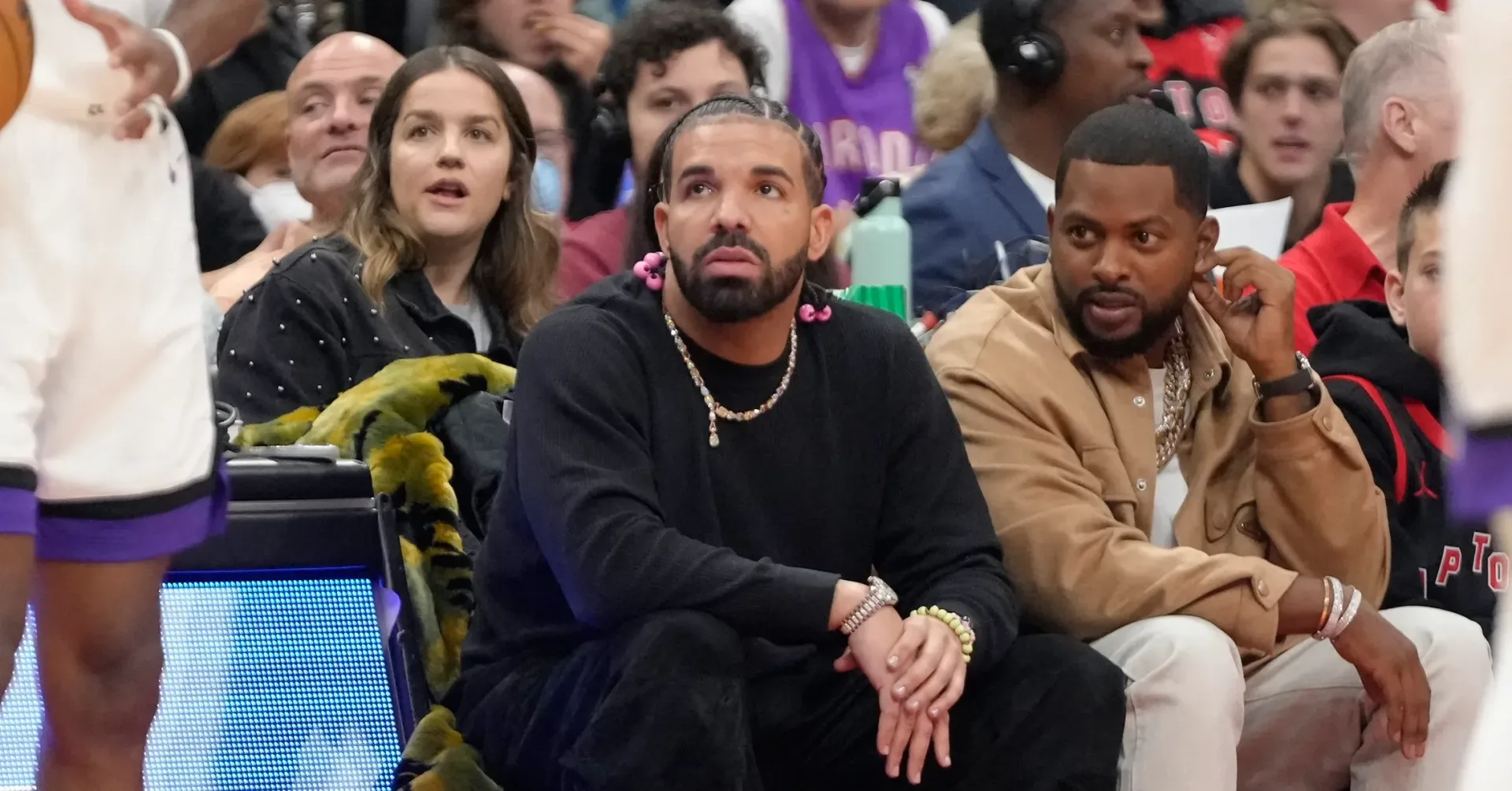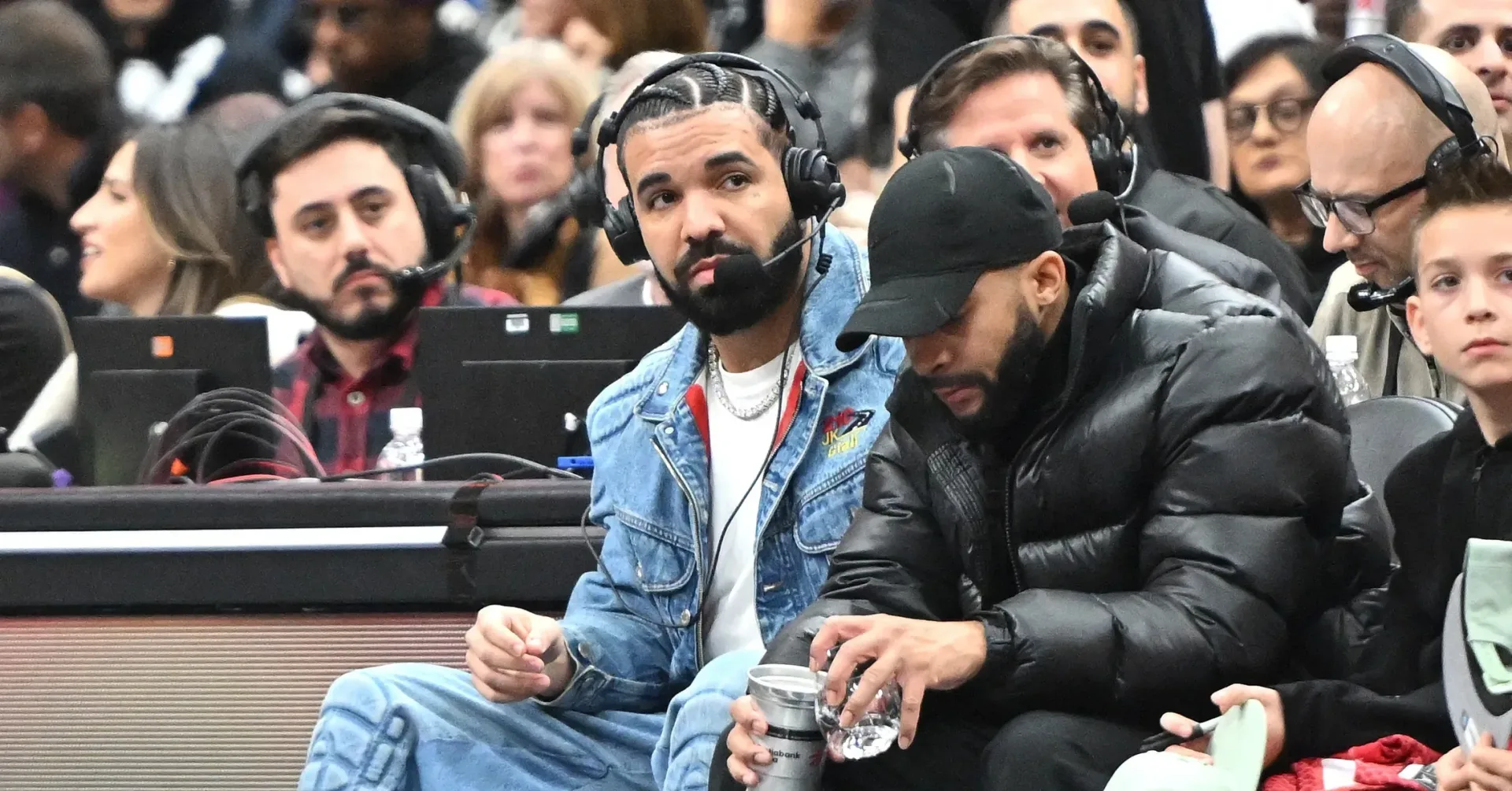
Drake’s latest high-profile sports wager landed on the right side of the result. The rapper reportedly put $650,000 behind Joshua Van in his UFC 331 matchup with Alexandre Pantoja on Saturday, September 19, and Van went on to win by unanimous decision. The reported return was $1.1 million.
The bet was shared on Drake’s Instagram Story before the fight, alongside a plainly anxious caption: “I don’t know bro... But he better win.” That candid uncertainty is worth noting. A big public wager can look like certainty after a win, particularly when the stakes and return are eye-catching. The post instead presented the pick as exactly what it was: a risky bet on a competitive sporting outcome.
It also supplied fresh fuel for one of the internet’s more durable sports-running jokes: the so-called “Drake curse.” The phrase is used online when a team, athlete, or side publicly backed by Drake loses. Van’s victory gives the meme’s detractors another obvious counterexample, even if it is unlikely to retire the joke for good.
What Van’s unanimous decision means
A unanimous decision means all of the judges assigned to score the fight selected the same fighter as the winner. It is different from a knockout, a submission, or a split decision, where judges do not all agree. In this case, it means Van defeated Pantoja on the scorecards across the judging panel, producing a clear official winner for a wager based on Van winning the match.
For more context, explore Joby Says Its Autonomous Cessna Caravan Flew 3,199 Miles Across the US Without Pilot Inputs.
That clarity matters to the story because high-profile betting posts often become social-media events in their own right. The public sees the amount, follows the fight, then treats the outcome as evidence for or against a larger narrative around the person who made the bet. But the sporting result is not evidence that a superstition has been scientifically confirmed or disproved. It is one result in an environment defined by uncertainty.
Sports betting is built around that uncertainty. A bettor can make a choice that appears well reasoned and still lose; an unlikely selection can win. A large stake makes the eventual outcome feel more consequential, but it does not turn a wager into a guarantee. Drake’s reported $650,000 bet is far beyond what most people could contemplate, which is one reason it attracts attention. It should not be read as a model for ordinary fans’ gambling behavior.
The “Drake curse” is a meme, not a mechanism
The idea that Drake’s support somehow causes defeats is a viral, speculative narrative rather than an established force in sports. Like most sports superstitions, it is strengthened by memorable examples and weakened by the many outcomes that do not fit the pattern.
There have been betting losses attached to the meme. One recent example was an unsuccessful $1.5 million wager on Argentina to win the FIFA World Cup final. Those moments travel quickly because the sums are enormous and because a celebrity’s visible support gives viewers an easy story to repeat. A successful bet such as the Van pick receives the same treatment from the other side: fans declare the curse broken, at least until the next loss gives the joke a new lease of life.
That back-and-forth reveals the real appeal of the label. It is not a serious explanation for an athlete’s performance. It is a piece of participatory internet culture that lets viewers attach a familiar celebrity narrative to events they were already watching. The bigger the wager and the more visible the post, the more easily the result becomes a meme.
There is a practical distinction worth preserving, though. Superstitious language can make gambling losses and wins seem preordained, when neither is. The result of Van versus Pantoja was determined in the contest and on the judges’ cards, not by an Instagram Story. Treating a bet as entertainment does not eliminate financial risk, and a celebrity’s bankroll is not a sensible benchmark for anyone else’s stake.
Why the payout story travels so far
The reported numbers are the immediate headline: $650,000 wagered and $1.1 million returned after Van’s victory. But the circulation of the story also reflects the overlap between combat sports, celebrity fandom, and social platforms. A traditional prediction is easy to miss. A screenshot of an enormous wager, posted ahead of an event and tied to a famous name, gives fans a simple before-and-after narrative.
There is also no need to pretend the wager resolves a broader debate about Drake’s betting record. One win does not establish a hot streak, just as one loss does not create a curse. Individual bets are discrete outcomes. They can be dramatic, especially at this scale, without supporting sweeping claims about luck or predictive skill.
For viewers, the cleaner takeaway is that the Van bet was a successful pick in this instance. Calling it a curse-breaker is fine as internet shorthand, provided the phrase stays in its proper lane: a joke about selective memory, celebrity fandom, and the unusually public nature of Drake’s wagers.
New Drake material brings a separate layer of uncertainty
The successful UFC wager arrived during a busy stretch around Drake’s output. He recently released the FOMO short film, which featured several new songs, including “Quebec.” The track was subsequently made private after being uploaded to YouTube. No reason for that change has been established.
That leaves fans with a straightforward but unanswered question: does the private upload point toward a more formal release, or was it simply a temporary posting decision? At present, there is not enough confirmed information to answer it. The sensible reading is to separate what is known from what is hoped for. “Quebec” appeared in FOMO; the YouTube upload was privatized; any schedule or release plan remains unclear.
The uncertainty around the track is especially notable because online music conversation can turn tentative fragments into apparent facts very quickly. A private upload may lead to informed speculation, but it is not itself a release announcement. Fans waiting for Drake’s next move have material to discuss, not a confirmed timetable.
A separate online debate has also grown around an alleged leak tied to Pusha T and Pharrell. The purported material was said to include shots at Drake, but people have questioned whether the tracks are genuine or AI-generated. Nothing currently establishes the material as authentic or definitively proves it false.
Why the AI question needs restraint
In this context, AI-generated audio refers to audio created or altered using artificial-intelligence tools, potentially including simulations of an artist’s voice or style. The technology’s presence in online music culture makes verification more important than ever, particularly where an alleged leak could reignite an existing artist rivalry.
It is tempting to treat an apparent leak as a fresh chapter in a feud before its origins are known. But authenticity is the threshold issue. If the material is fabricated, then interpreting lyrics, predicting responses, and assigning motives only amplifies misinformation. Until reliable confirmation emerges, the most accurate description is simply that the tracks are disputed.
That caution applies equally to release speculation around “Quebec.” The internet is built for predictions, whether they concern a fighter, a bet, a song, or a possible diss. The stronger version of fandom is knowing which parts are confirmed: Van won by unanimous decision, Drake’s reported bet returned $1.1 million, and “Quebec” has been made private on YouTube. Everything beyond that needs to remain clearly labeled as interpretation, rumor, or hope.
For now, the public scorecard is simple. Drake made a massive, visible UFC pick; Joshua Van won; and the “Drake curse” has another inconvenient result for anyone treating the meme like a rule. As for the music questions surrounding FOMO, “Quebec,” and the disputed alleged leak, the next reliable answer will need to come from confirmation rather than the timeline.