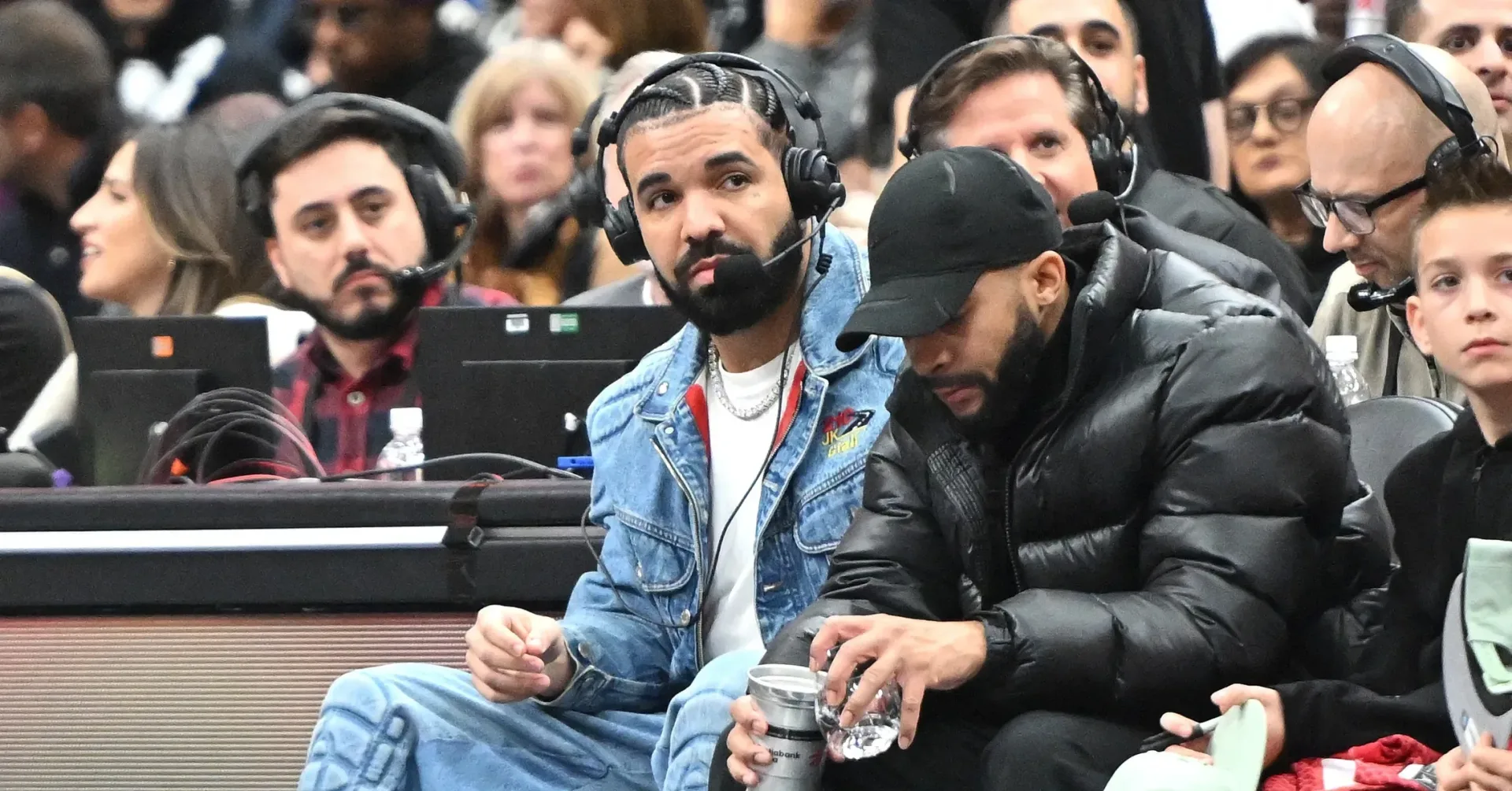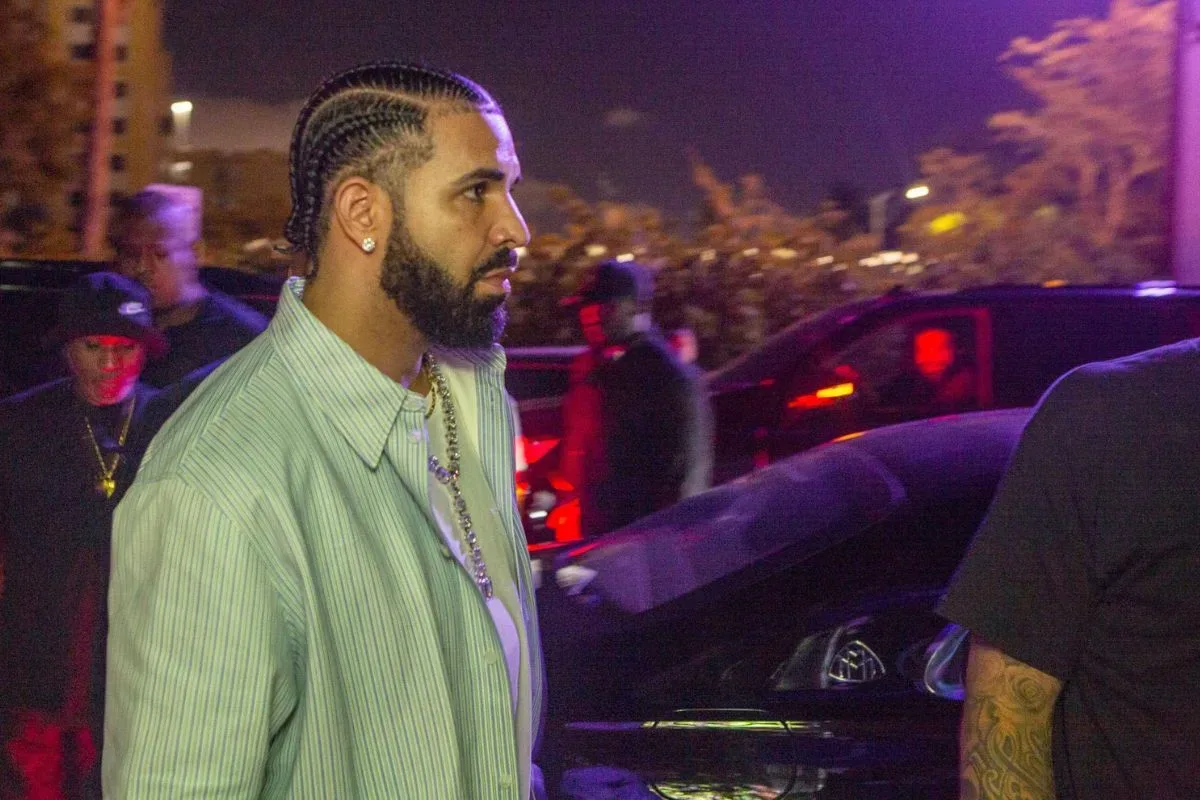
Drake’s pre-fight confidence came with a very large asterisk: Joshua Van had to win. The musician shared a betting slip showing a $650,000 wager on Van ahead of the fighter’s UFC 331 rematch with Alexandre Pantoja in Los Angeles. Van did exactly that, earning a unanimous-decision victory and producing a listed total return of $1.098 million.
That means the bet generated roughly $448,000 in profit beyond the original $650,000 stake. A total return is not the same thing as profit: the return includes the money initially wagered, while profit is what remains after subtracting that stake. It is an important distinction when the numbers are this large, even if the headline figure is the one that naturally grabs attention.
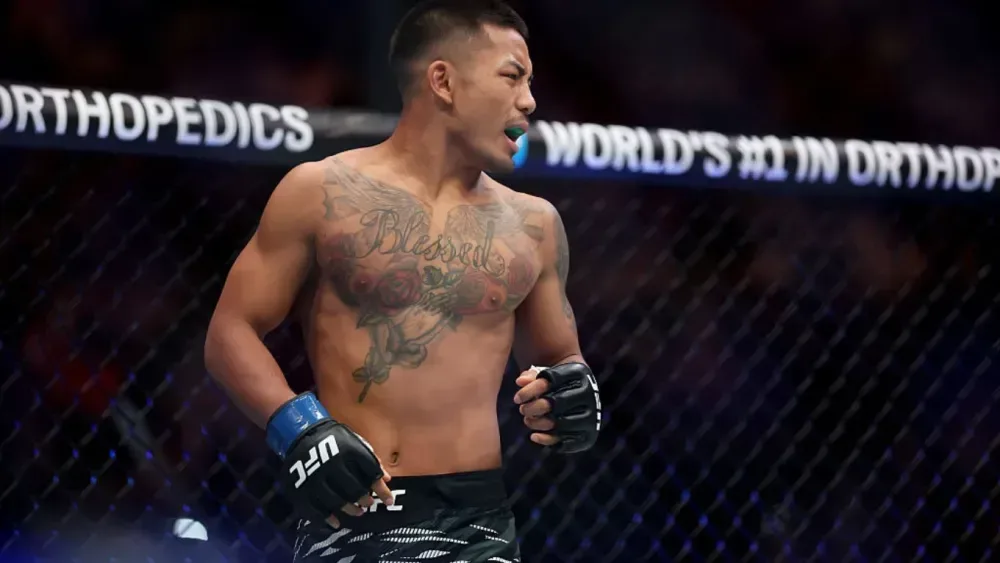
For Van, meanwhile, the meaningful number was not on a betting slip. The 24-year-old improved to 18-2 and registered his second consecutive successful title defense after a difficult five-round contest at Crypto.com Arena on September 19.
Van settles a rematch that began under unusual circumstances
The result carried extra weight because Van’s first win over Pantoja ended only 26 seconds into their December meeting, when Pantoja dislocated his elbow. A championship change through an injury is official, but it can leave a competitive question unresolved: how would the matchup look if both fighters had a full opportunity to impose their styles?
The rematch offered a far clearer answer. Pantoja started aggressively and landed takedowns before Van found a rhythm with his boxing. In mixed martial arts, a takedown is the act of bringing an opponent from standing into a grounded position; it can change the pace of a fight, create control opportunities and limit a striker’s chance to work at range.
Van ultimately weathered that early pressure. He used his hands more effectively as the fight unfolded, then pressed forward late. Pantoja controlled portions of the fourth round, but Van finished strongly, stalking his opponent, landing combinations and scoring a knockdown in the fifth.
A knockdown does not automatically end a fight, but it is a highly visible sign of effective offense and can strongly shape a round in the judges’ eyes. Here, it capped a closing stretch that helped Van secure scores of 49-46, 48-47 and 50-45.
What a unanimous decision and scorecards mean
A unanimous decision means all three judges scored the fight for the same athlete. It does not mean each judge saw every round the same way, and this bout’s cards show why that distinction matters.
- 49-46 indicates a four-round-to-one edge under the standard 10-point scoring framework.
- 48-47 indicates a much tighter three-rounds-to-two result.
- 50-45 indicates one judge awarded every round to Van.
Those differing scorecards underline the competitive nature of the fight even though the official outcome was unanimous. Pantoja’s early takedowns and control in parts of the fourth gave him meaningful success, while Van’s boxing, late pressure and fifth-round knockdown provided the strongest closing images.
Van’s own reaction focused less on the margin and more on the challenge Pantoja posed. He acknowledged that observers had characterized the first meeting as an accidental win because of the early injury, and treated the rematch as a chance to remove that doubt. He also repeatedly praised Pantoja’s resilience, describing him as difficult to discourage even after taking clean punches.
“A lot of people say that was an accident win the first time,” Van said after the fight. “Now, doubt me now. Shout out to Pantoja. Nothing but respect for me. He’s a tough man.”
Van said he believed he had hurt Pantoja, but credited the former champion’s toughness and ability to avoid showing vulnerability. He also described completing five rounds with Pantoja as an experience for which he was grateful, calling him one of the greatest fighters in his eyes.
Why the wager became part of the story
Celebrity betting posts can turn a fight into two parallel stories: the athletes’ performance inside the arena and the public math around a high-profile wager. In this case, the two aligned. Drake’s slip listed a potential $1.098 million payout, and Van’s decision win delivered that total return.
The scale is striking, but it should not blur the underlying uncertainty. Van won a demanding rematch rather than a routine contest. Pantoja began well, scored takedowns and took sections of the fight before Van’s momentum shifted the contest. The narrowest scorecard, 48-47, illustrates that a different read of a close round can make a major difference in a fight decided by judges.
That uncertainty is central to sports wagering. A large potential return is not a forecast of certainty; it is the result offered if a particular outcome occurs. In this instance it did, but the result depended on a full championship fight and three judges’ final scorecards.
Drake’s broader gambling record was described as mixed, which is useful context against treating one successful wager as a reliable template. A prominently shared win is memorable precisely because it has a clean ending: the fighter won, the ticket cashed, and the arithmetic is easy to display. It does not turn the underlying volatility of betting into a sure thing.
A complete performance matters more than the payout
From Van’s perspective, the rematch is the defining development. His original title win came in a contest cut short by Pantoja’s elbow injury. The second meeting required him to endure early wrestling pressure, find success with his boxing, handle Pantoja’s fourth-round work and finish with a fifth-round knockdown.
That sequence makes the second victory materially different from the first. It was not simply another result on the record; it was a five-round confirmation against the same opponent under far more conventional circumstances.
The public attention around Drake’s bet will inevitably travel well beyond the fight audience, particularly because the stake and return were both so large. For combat-sports fans, however, the enduring detail is Van’s ability to adapt over five rounds and defeat Pantoja on every official card.
For more entertainment coverage at the intersection of music and headline-making news, see Ski Mask The Slump God’s response to reports of a Florida DUI arrest.