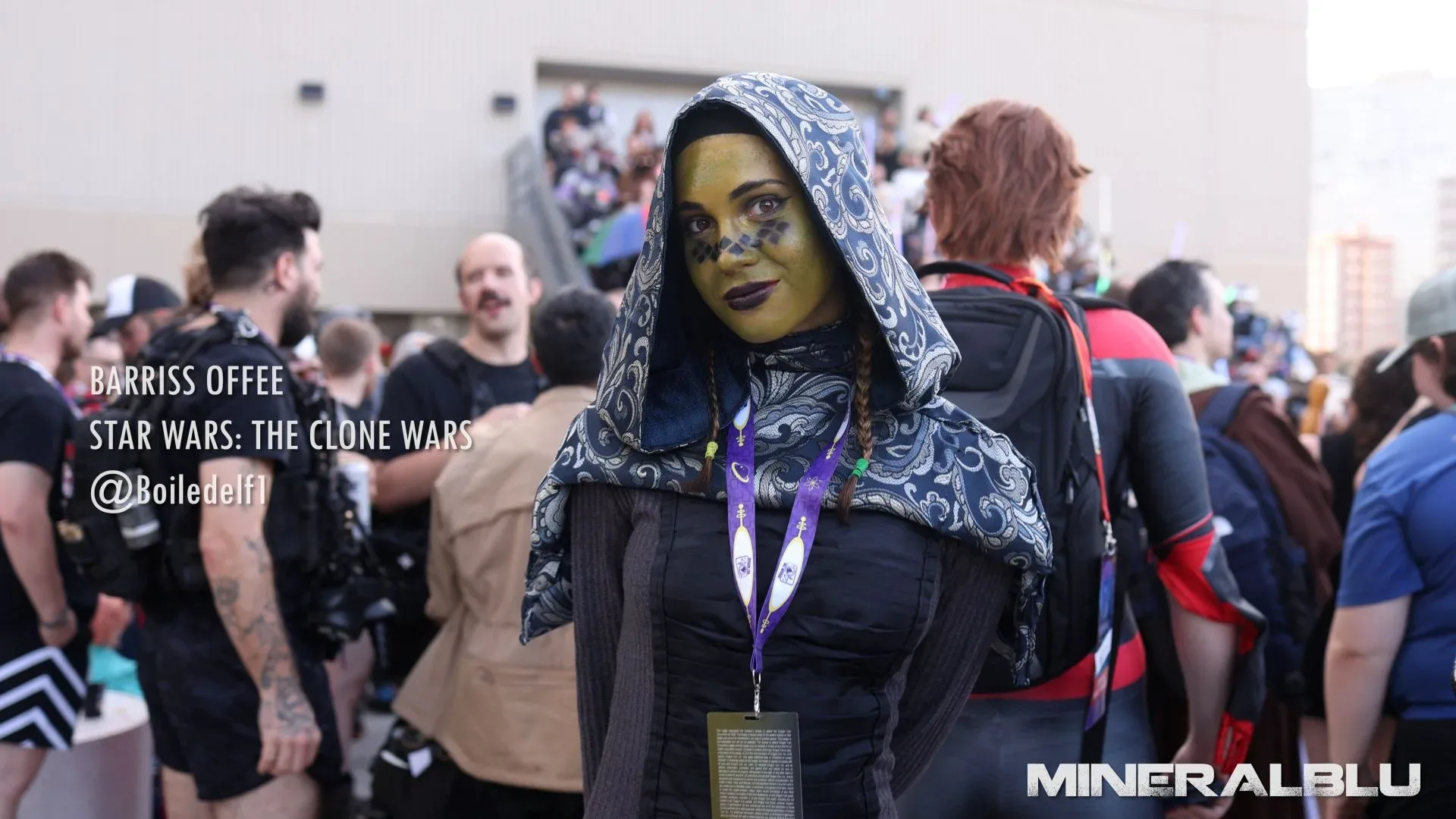
Dragon Con’s 2026 cosplay showcase makes a persuasive case that the most memorable costume is not necessarily the one tied to the biggest current release. The lineup moves freely between games, television, comics, books, film and oddball cultural references, celebrating characters that are instantly legible to devoted fans as well as ideas that need a moment of delighted decoding.
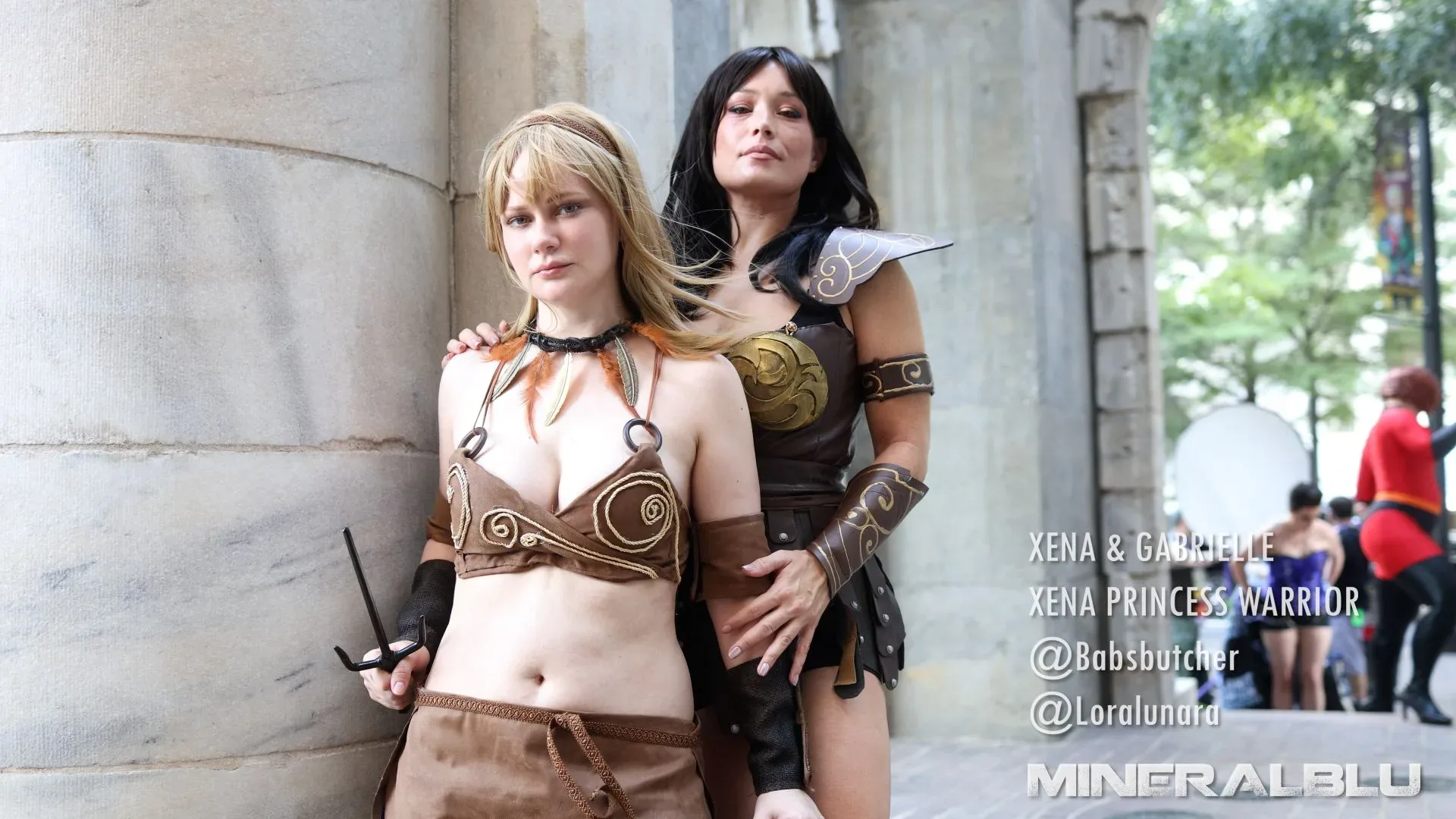
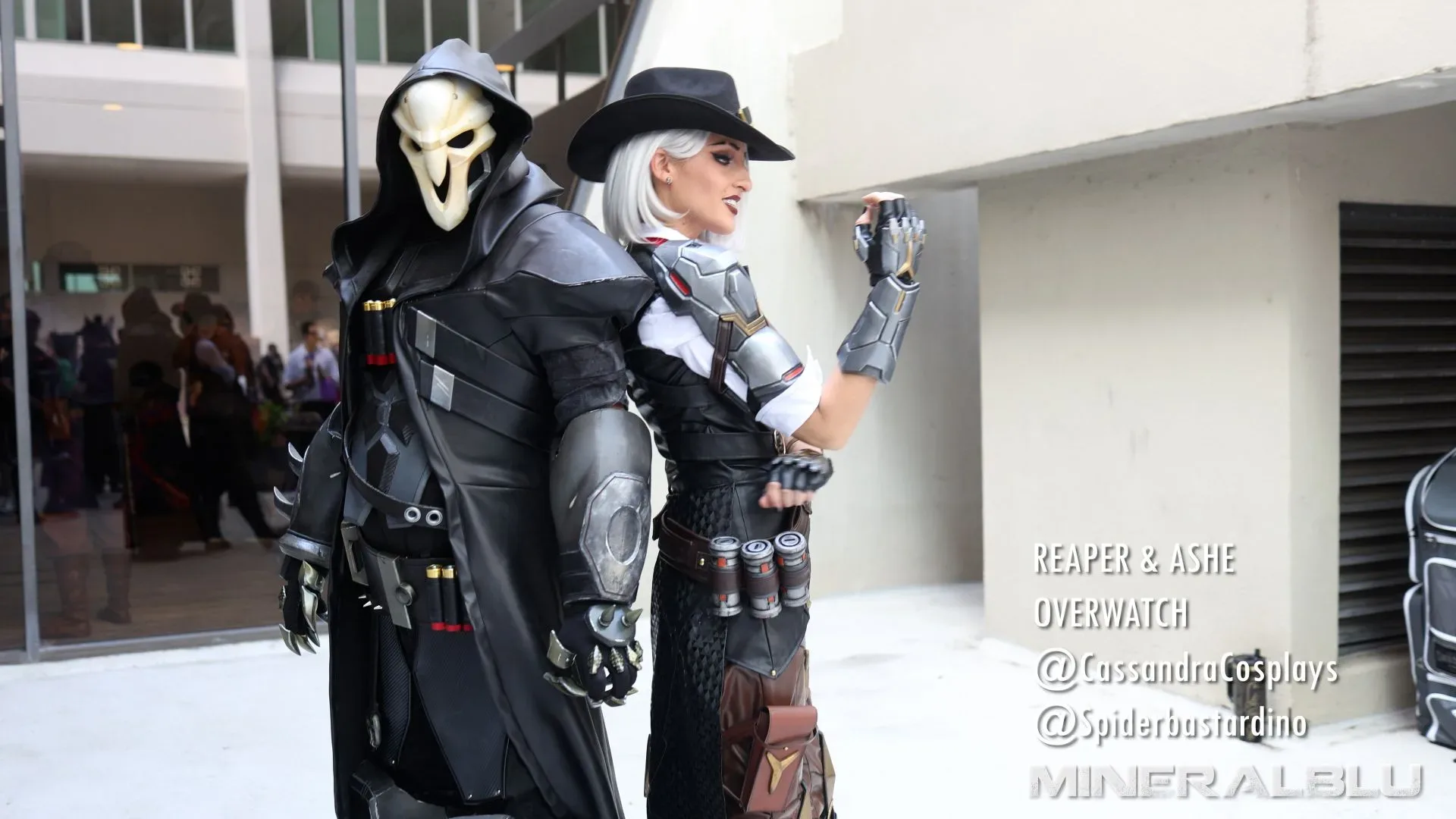
That mix is the point. A Barriss Offee costume from Star Wars: The Clone Wars can stand beside Xena and Gabrielle, while Overwatch’s Reaper and Ashe share space with Warhammer 40,000 Space Marines, Mars Attacks Martians and a version of Dolly Parton framed through Playboy. It is a wide field of reference rather than a parade built around one franchise.
Gaming remains a clear part of the picture. The showcase includes Horizon Zero Dawn, Hellebron from Warhammer, and a crossover that combines Totoro with Clair Obscur: Expedition 33. Its selection also shows why conventions remain a useful barometer for the afterlife of games: cosplay does not need to follow a release calendar. It can pull from a newly resonant idea, a favorite visual world, or a character whose design poses an interesting construction challenge.
Deep-cut recognition is part of the craft
Cosplay is often understood as costuming, but that only describes one portion of the work. At a pop-culture convention, it is also visual communication. A successful look identifies a person, creature, object or premise quickly enough for another attendee to recognize it. The 2026 selection’s most interesting examples demonstrate that this communication can work with a familiar character, a rare choice, or an intentionally strange reimagining.
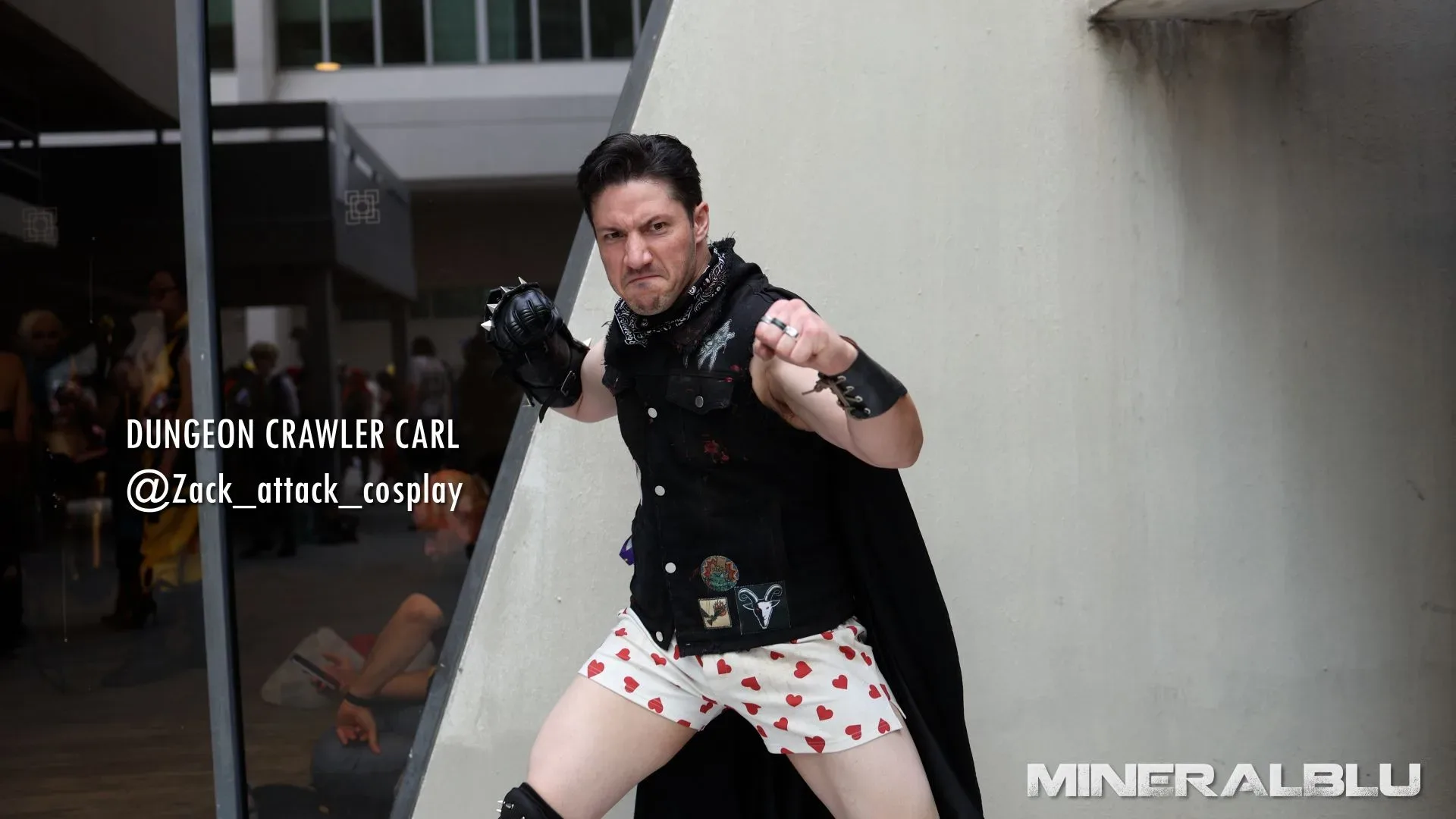
Barriss Offee is one of the more distinctive selections precisely because she is not the most routinely represented character in the vast Star Wars costume orbit. The same goes for Dungeon Crawler Carl, which appears alongside mainstream, immediately identifiable properties rather than being treated as an outlier. Rocky from Project Hail Mary similarly expands the gallery’s range beyond the most obvious convention staples.
These choices matter because specificity is a creative advantage. A costume based on a less frequently seen character does not rely solely on a famous silhouette to earn recognition. It asks the maker to identify the details that make that character unmistakable, while inviting a particularly satisfying response from attendees who understand the reference. In practice, that can turn a brief hallway encounter into a conversation between people with a shared niche interest.
What “deep cut” means in convention terms
A deep cut is not a judgment about a property’s quality or popularity. It generally means a reference that sits farther from the most commonly reproduced imagery of a franchise. In this showcase, the phrase fits the impulse behind selections such as Barriss Offee and Dungeon Crawler Carl: the costumes make room for interests that may not be represented by the most obvious hero, villain or promotional image.
That variety is especially valuable at an event where a single day can include science fiction, fantasy literature, comics, games and film fandoms all moving through the same spaces. The gallery’s range suggests that recognition is not one uniform standard. Some looks reward instant identification; others reward closer attention.
Related coverage includes Dragon Con 2026 Cosplay Showcase Celebrates Gaming Icons and Wild Crossovers.
When the subject is not a person
Several entries push past character cosplay altogether. The Iron Throne from Game of Thrones is a standout example because it turns an object into the costume’s central subject. The throne is a symbol before it is a character: it carries ideas of power, conflict and the setting’s political stakes. Rendering that as wearable convention attire is fundamentally different from reproducing a jacket, gown, armor set or makeup look.
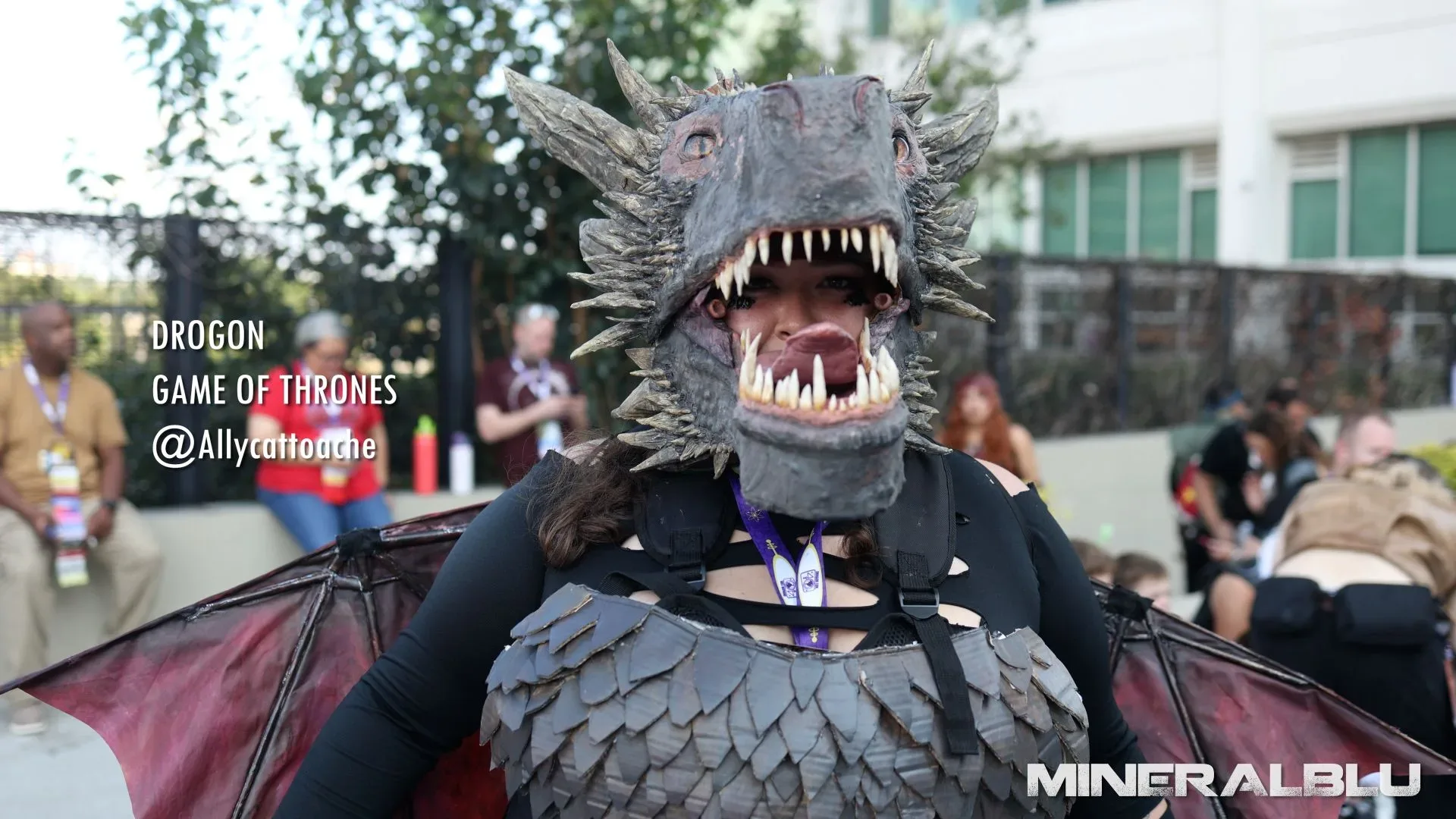
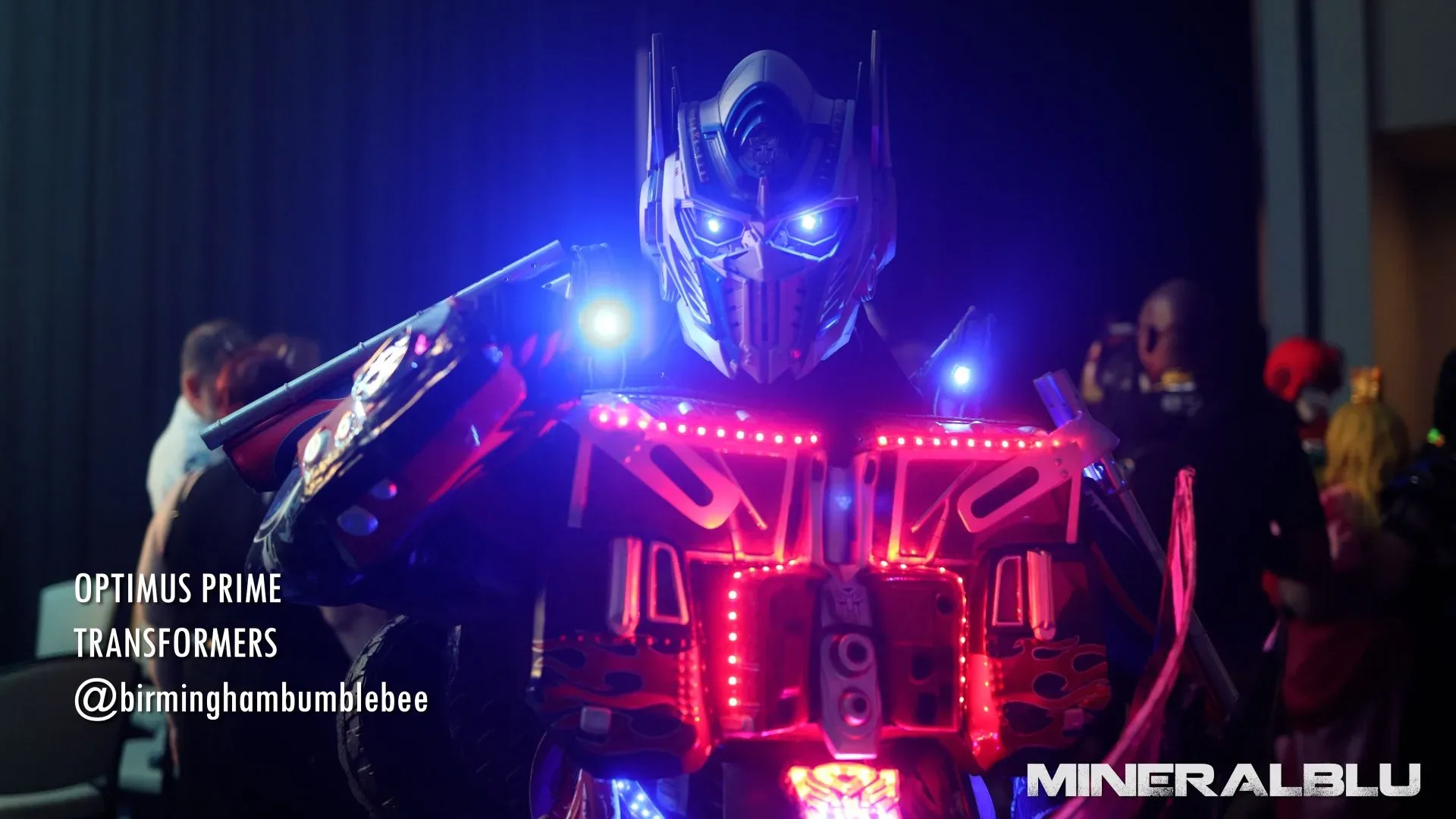
Drogon, also from Game of Thrones, operates on another scale. A dragon costume asks the audience to read an entire creature rather than a human figure wearing a familiar outfit. Optimus Prime and the Space Marines similarly point toward cosplay based on armor, machinery or nonhuman proportions. These are designs where silhouette is doing a great deal of storytelling.
Silhouette is the recognizable outer shape of a costume or character. It is one of the most important tools in visual design because viewers can often identify an iconic figure from its outline before they see smaller details. For large armor, creature and prop-based costumes, silhouette may be the first and most effective signal. A dramatic outline lets the costume communicate at a distance, even in the bustle of a convention floor.
The practical implication is simple: an ambitious costume does not always have to reproduce every tiny surface detail to register. The gallery’s object- and creature-driven entries underline how a strong overall form can carry a reference. This is not an argument that detail is unimportant; rather, it shows that costume design has multiple routes to recognition.
The best crossovers preserve both halves of the joke
The gallery’s crossover ideas are where the event’s playful inventiveness comes into sharpest focus. “Storm” Trooper combines X-Men’s Storm with a Star Wars trooper. The concept works because the title itself provides a neat bridge between two established visual languages. A successful crossover needs more than a pun, though. It has to retain enough of each source that both are readable rather than becoming a generic hybrid.
Totoro reimagined through Clair Obscur: Expedition 33 tackles the same challenge from a different direction. Instead of matching two names, it brings an unmistakable character into another game’s aesthetic space. The result is a form of fan interpretation: a visual answer to the question, “What would this look like if these worlds met?”
Crossplay can sometimes refer to wearing a character of another gender, but that is not what is at stake here. These examples are better described as crossover cosplay: a costume that deliberately merges two separate fictional properties or visual concepts. Its key challenge is balance. If one property overwhelms the other, the idea becomes harder to read. If both are preserved, recognition happens in stages—first one reference, then the other, then the realization that the combination is the joke.
Fallout 1776 is another concept-driven entry. Its mushroom-cloud hairstyle establishes the visual gag immediately, while the title joins Fallout imagery with an American historical reference. Buc-ee’s Barbie, presented in packaging, works through a related method: it takes a recognizable consumer-toy format and turns it into the framing device for the costume. The packaging is not incidental; it is the premise.
These looks show why conventions are uniquely friendly territory for visual wordplay. An attendee does not need a stage performance or an explanation card for every idea. The costume itself can deliver the setup and payoff, while the people who recognize it supply the response.
Gaming’s place in a deliberately broad fandom mix
Horizon Zero Dawn, Overwatch, Warhammer and Clair Obscur: Expedition 33 give the showcase a solid gaming presence, but they are not isolated in a gaming-only lane. Their proximity to Xena: Warrior Princess, Falling Down, House of the Dragon and Mars Attacks reflects the way convention fandom actually operates: people carry multiple interests, and a costume choice can be guided by affection, visual appeal, humor or a desire to surprise.
The Reaper and Ashe pairing from Overwatch is a reminder that shared costumes can use relationships within a game’s roster as their starting point. Meanwhile, the Horizon Zero Dawn entry indicates the enduring appeal of game worlds with strong visual identities. Hellebron and the Space Marines underline the continued visibility of the broader Warhammer universe, where highly stylized fantasy and science-fiction designs provide a substantial base for costume interpretation.
It is also worth separating a game’s commercial moment from its cultural presence. A property can remain active in cosplay conversation long after its original release period because costume-making runs on imagery and personal connection, not just marketing cycles. That broader endurance is one reason gaming’s place at conventions is so durable. Readers interested in how major game projects can sustain attention across long development and release windows can also explore the unusual pace of Final Fantasy 7 Remake’s three-game project.
A gallery built around range rather than ranking
The strongest takeaway from this set is not that one franchise dominated Dragon Con 2026. It is that the showcase rewards range: paired costumes, armor-heavy builds, creature interpretations, object cosplay, deep cuts, packaging concepts and mashups all appear in the same collection.
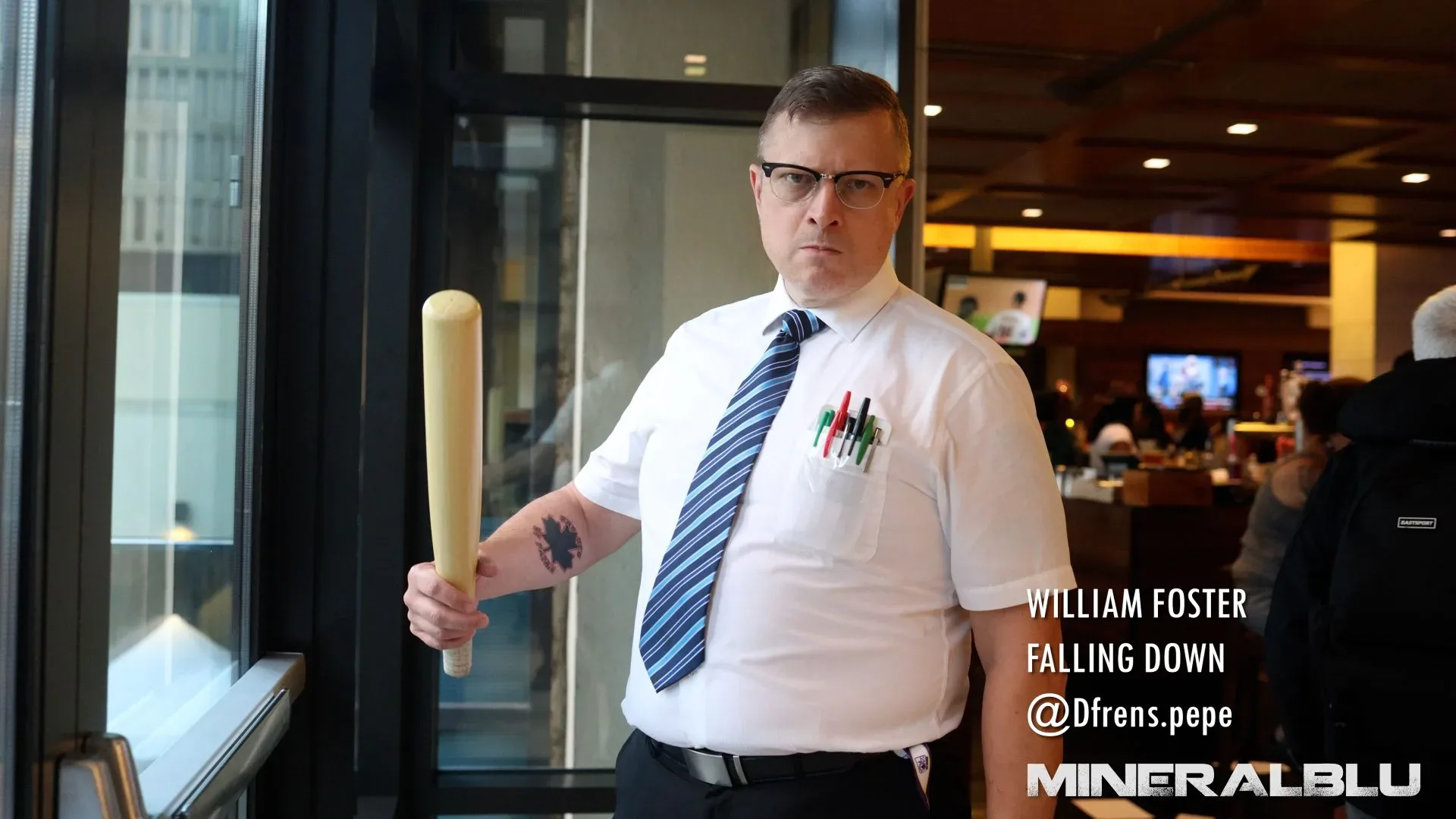
Rhaenyra and Jace from House of the Dragon, Rogue in her Savage Land look, William Foster from Falling Down, and the Martians from Mars Attacks all reinforce that point. Each takes a different route to recognition. Some lean on duo dynamics, some on a distinctive alternate costume, some on a single charged character image, and some on deliberately exaggerated creature design.
For viewers, that means the value of a cosplay gallery is not simply in spotting the largest franchises. It is in seeing how widely people interpret the invitation to make something recognizable. Dragon Con’s 2026 selection offers examples that are serious, playful, massive, obscure and knowingly ridiculous—often at the same time. That combination is precisely what makes a broad pop-culture convention feel less like a checklist of IP and more like a shared, ongoing act of fan creativity.