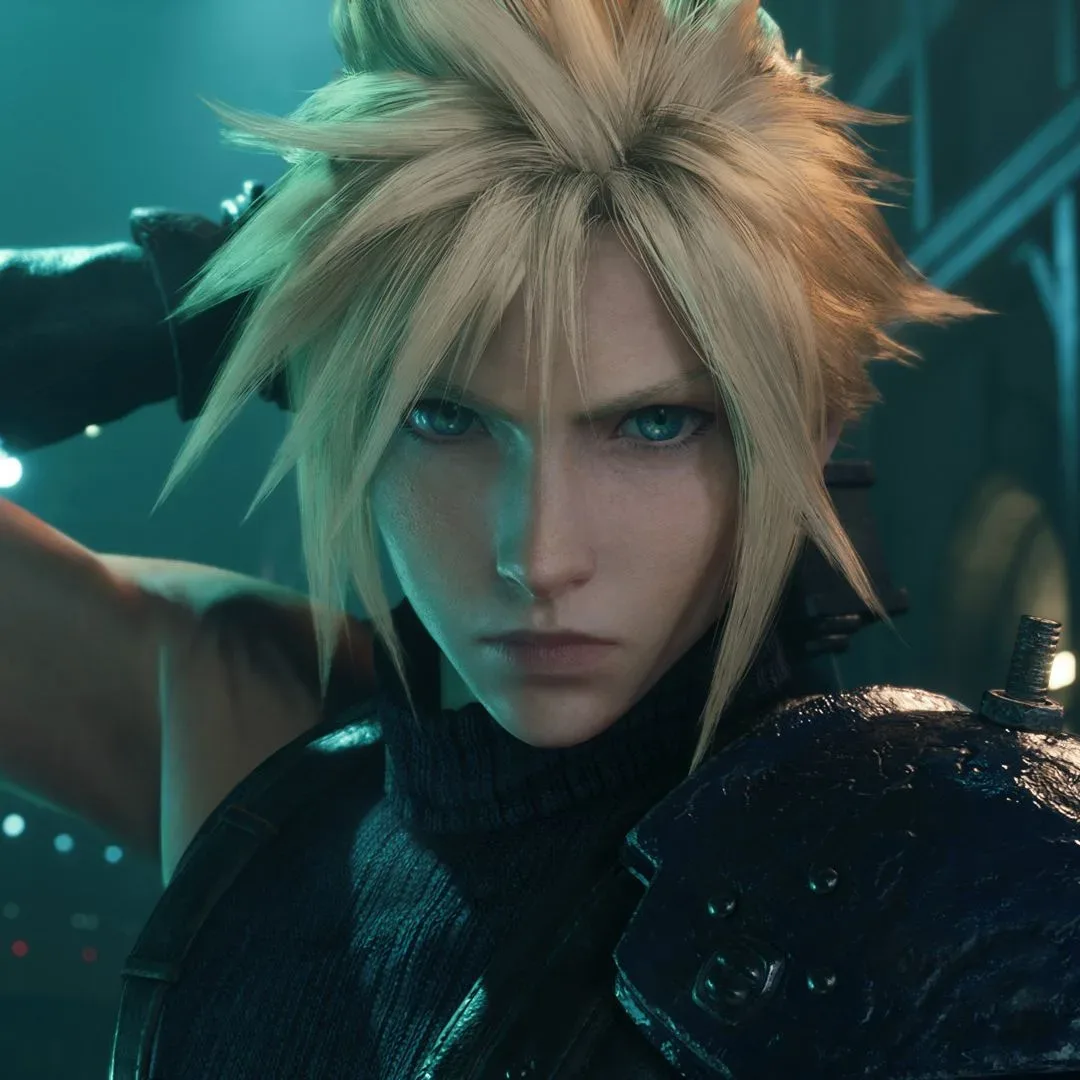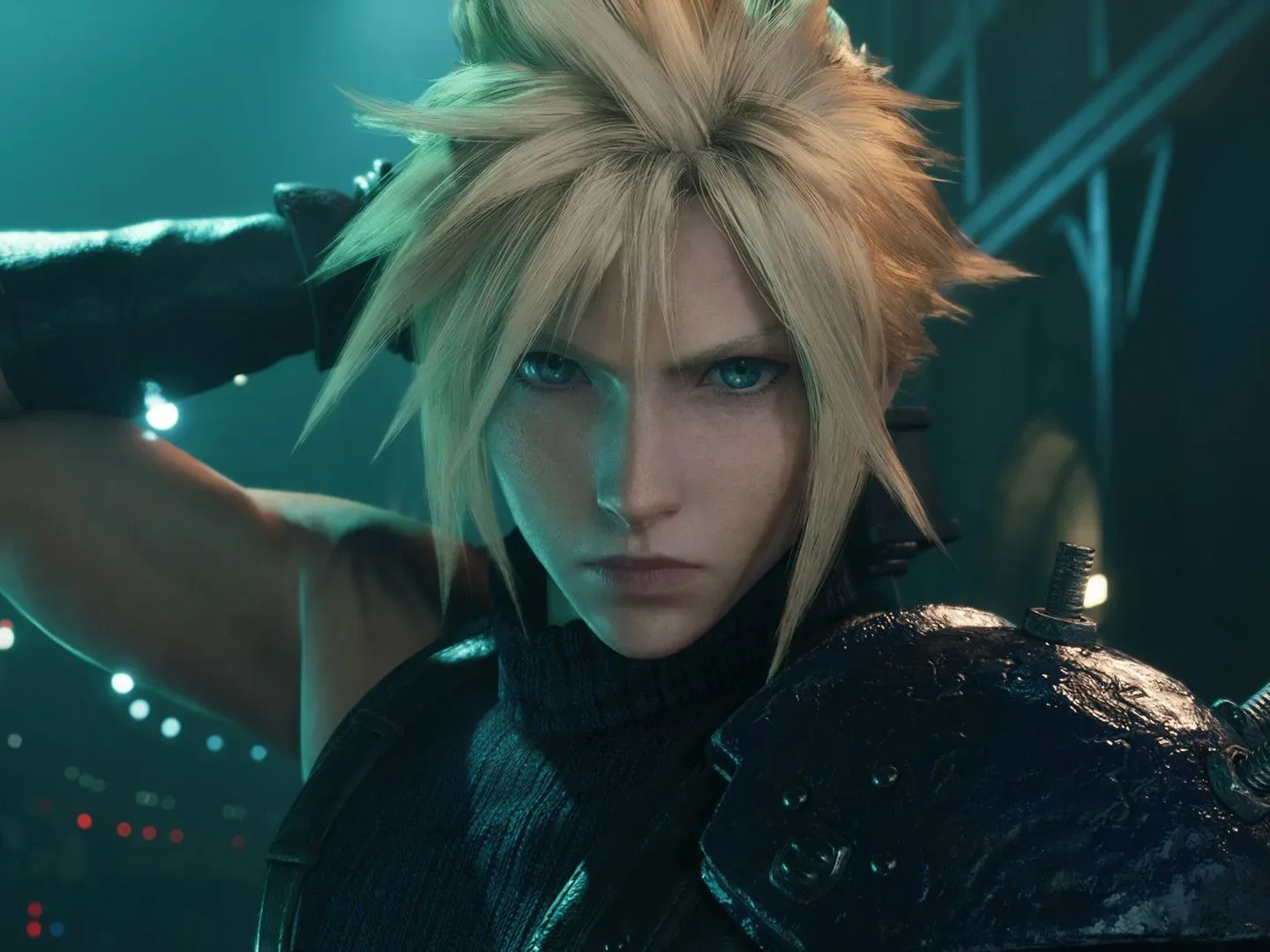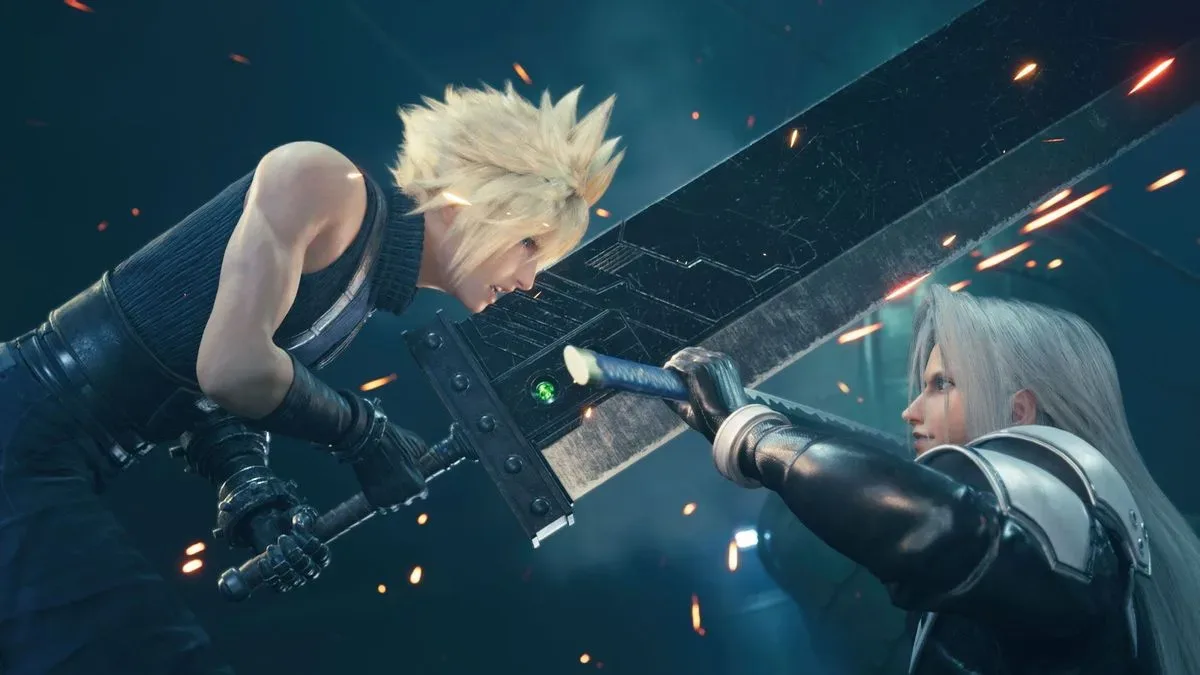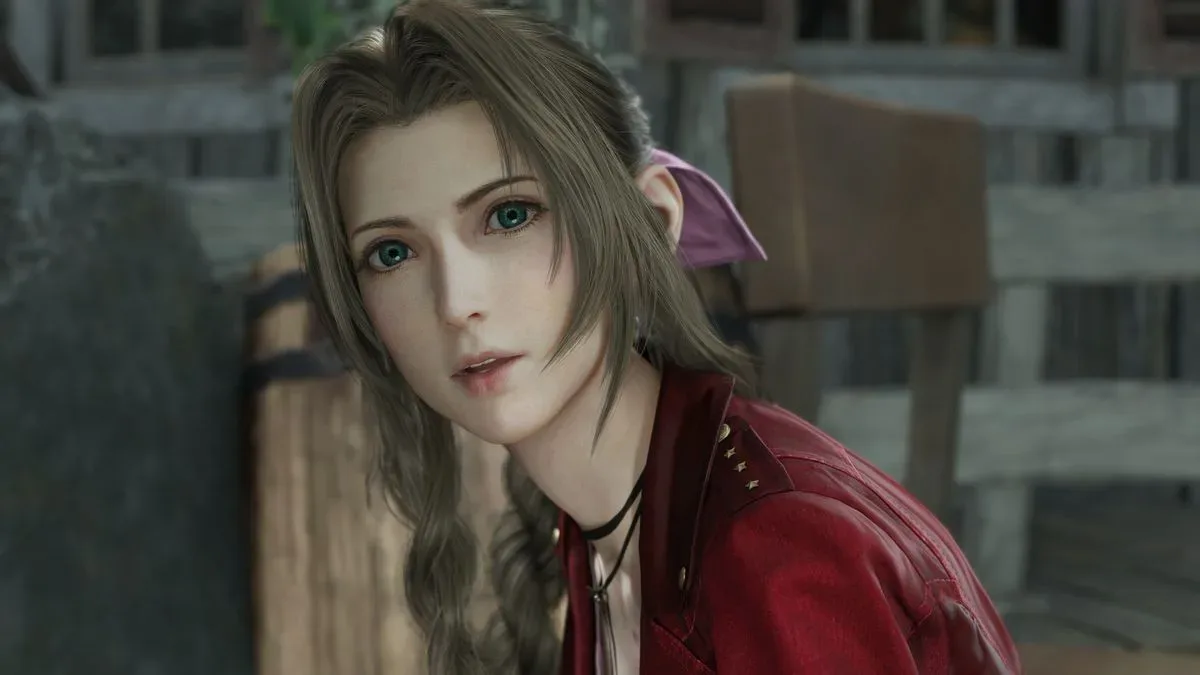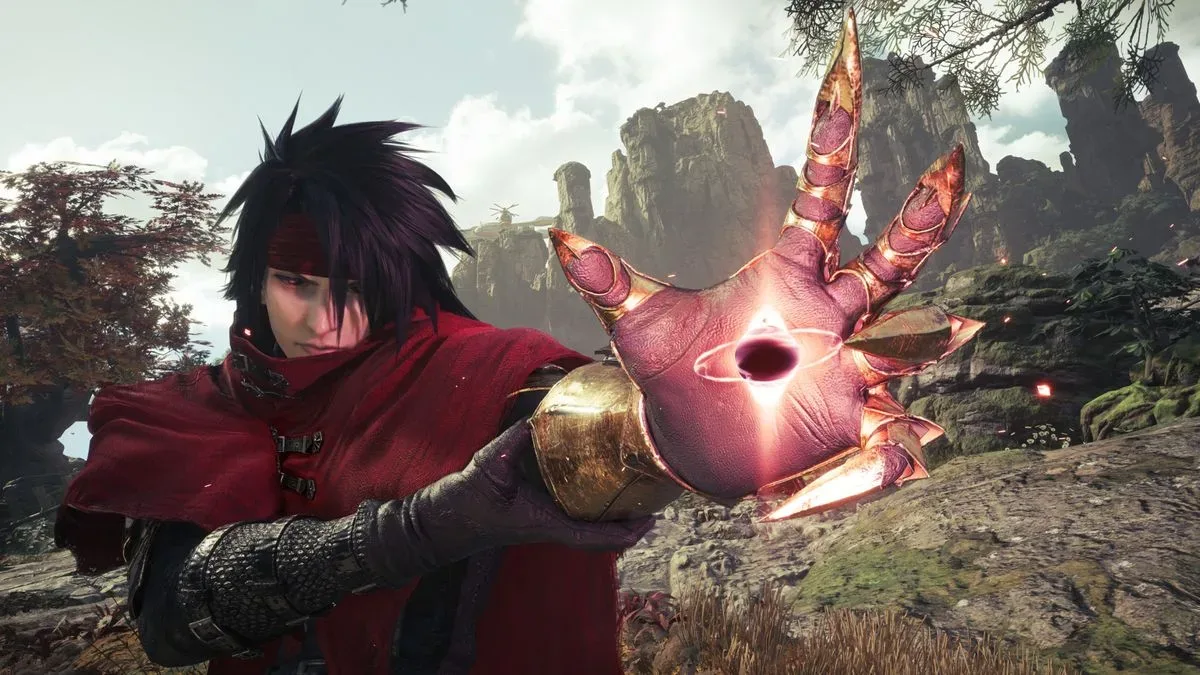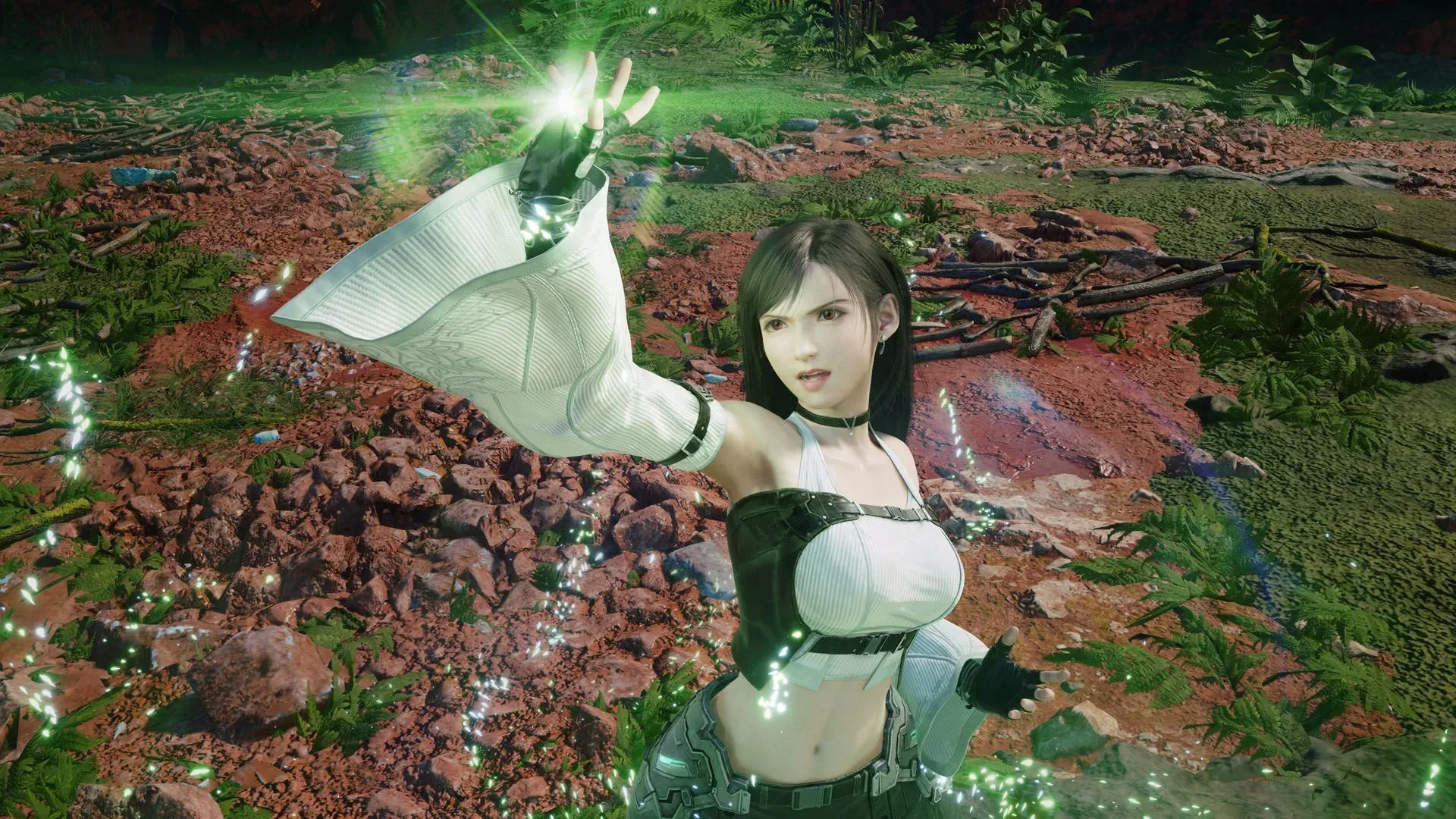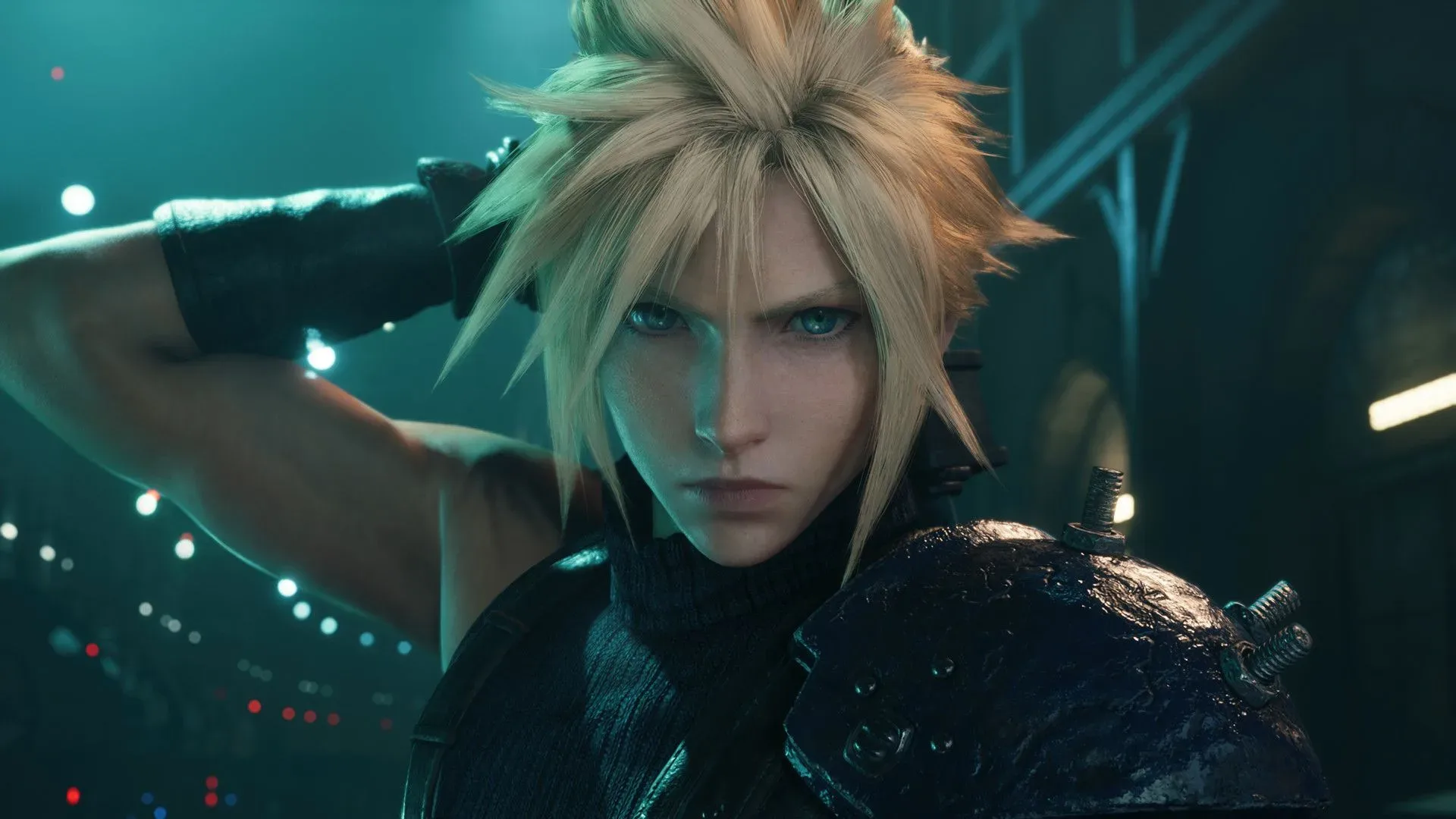
When Final Fantasy 7 Remake appeared in 2015, the surprise was not merely that an enormously requested project existed. It was that Square Enix appeared willing to revisit one of gaming’s most protected works on a colossal scale. A PlayStation 3 technical demonstration had kept the idea alive, while assorted spin-offs had shown there was still appetite for the setting, but neither amounted to a commitment to rebuild the experience as a modern series of games.
That commitment became a trilogy. Now, with Final Fantasy 7 Revelation expected next April unless plans change, the project is poised to have delivered three substantial entries across seven years. That would be a remarkable delivery pace for contemporary blockbuster development, especially for games carrying the demands of cinematic presentation, large environments and a story that has deliberately grown beyond a straight scene-for-scene retelling.
The point is not that every part of the trilogy is beyond criticism, or that every major game should be split into three. It is that the project’s shape seems increasingly unusual: a team with enough continuity to keep improving a shared foundation, enough room to make familiar places feel newly inhabitable, and enough confidence to take narrative risks with a property whose history is deeply ingrained in its audience.
A remake that became a long-form reimagining
The word remake can suggest an exact reconstruction with upgraded graphics and modern controls. The Final Fantasy 7 project has taken a broader route. Remake focused on Midgar, a portion of the original game that has been expanded into a roughly 40-hour experience. Final Fantasy 7 Rebirth then moved through locations that had previously existed at far smaller scale, reportedly offering about 80 hours of play to one player’s completion path.
That expansion is the trilogy’s central creative wager. Rather than treat old environments as brief stops on an itinerary, it gives them more characters, more narrative weight and more physical space. In practical terms, that means players can spend longer with a party and world that were once communicated through a much more compressed form. It also means the developers must continually justify that extra time. Familiarity is an advantage, but it is not a substitute for momentum.
Revelation therefore has an unusually tricky job. It must provide a satisfying third act to a project designed from the start as a trilogy, while speaking to players who know the older story and players whose first encounter with Final Fantasy 7 has been through these newer games. A conclusion has to make the accumulated detours, expansions and reinterpretations feel purposeful rather than simply voluminous.
What “AAA” actually means in this discussion
AAA is an industry shorthand, not a formal quality grade. It generally describes games made with large budgets, extensive staffing, major marketing expectations and high technical ambitions. The label can encompass very different kinds of work, but it usually comes with a brutal production burden: detailed art assets, performance capture, localization, complex combat systems, cinematic direction and quality assurance all have to be coordinated across a huge project.
That is why a seven-year trilogy can look exceptional. The issue is not simply the time between releases. It is whether each game arrives as a substantial experience while carrying forward the prior game’s craft, technology and audience expectations. The Remake series has made that possible by treating the entries as connected parts of a single undertaking rather than unrelated projects that happen to share a name.
Related coverage includes Final Fantasy 7 Remake's Trilogy May Be a Modern AAA Rarity.
Continuity may be the trilogy’s biggest asset
Director Naoki Hamaguchi has attributed Revelation’s roughly three-year development cycle to keeping the core team together across the trilogy and maintaining a consistent overall vision. That explanation is more revealing than it first sounds.
Retaining a core team does not make large games easy. But it can reduce the time spent rebuilding working relationships, re-explaining creative priorities and reinventing production processes. Staff who have already solved problems in one entry can apply that knowledge to the next. The team is able to develop a shared vocabulary for how combat should feel, how locations should be adapted and which departures from the original are serving the new version’s larger story.
Continuity also helps preserve an identity across multiple releases. A trilogy asks players to remember details and sustain emotional investment for years. If its creative center shifts wildly between installments, the final chapter can feel like it belongs to a different series. A stable team does not guarantee cohesion, but it gives cohesion a fighting chance.
There is a wider lesson here for studios, although it is easier to describe than to apply. Development continuity is valuable infrastructure. A company cannot always retain every contributor, and no project should depend on treating its staff as indefinitely available. Yet the ability to preserve expertise, leadership and a clearly understood plan can be as strategically important as an engine feature or marketing campaign. It is worth noting that experienced creators returning to established teams can matter elsewhere too, as seen in Karolina Stachyra’s return to CD Projekt Red.
The trade-off: scale can expose old habits
A fast-moving trilogy does not escape compromise. The source material points to moments of dated open-world design in the series. That phrase usually refers to activities or structures that feel inherited from older genre conventions: checklists, repetition or map-driven tasks that can distract from a world rather than deepen it. An open world is not automatically more immersive because it is large; it needs activities that fit the setting and respect the player’s time.
This is where the Final Fantasy 7 trilogy’s strengths and limitations meet. Its enlarged spaces allow former minor locations to become places with texture and life. They make room for side stories, spectacle and a more sustained sense of traveling with the cast. But expansion also risks turning every corner into an obligation. The more content a game adds, the more carefully it must distinguish meaningful exploration from routine busywork.
For players, that is a useful expectation to carry into Revelation. A big finale may offer more than a tightly focused ending: more areas, more systems and more ways to linger in the world. Whether that feels generous or exhausting will depend on how well those pieces serve the climax. Size alone is not the achievement. Making size feel intentional is.
Why the timing matters
The trilogy is reaching its endpoint amid a difficult backdrop for big-budget games. Studios have closed, layoffs have affected thousands of workers, and projects have been cancelled amid concerns over the cost and time required to make them. At the same time, some of the industry’s largest teams face a choice between pursuing ongoing live-service games or investing years into a single premium release.
Live service refers to games built around continuing updates, often with the goal of sustaining a player base and revenue over a long period. That model is not inherently incompatible with creativity, but it brings a different business logic from a finite trilogy designed to reach a definitive ending. A traditional three-part project has a clear advantage: it can build toward resolution. It also carries a clear risk: its later installments require continued confidence before the full plan has paid off.
The Final Fantasy 7 remake project benefits from something most new ideas do not have: decades of recognition and a well-established cast, setting and audience. That makes it safer than an untested property. Still, brand familiarity alone cannot explain a multi-game undertaking reaching its final installment on this timetable. The series has had to persuade players that its expansions are worth returning for, and it has done so while attempting to bridge nostalgia with surprise.
Do not mistake a success story for an argument against new ideas
There is an uncomfortable implication in celebrating this trilogy purely as a monument to a famous name. If the only projects allowed this much ambition are revivals with decades of built-in affection, then the next generation of landmark worlds will never receive the same chance. Familiar brands can lower commercial risk, but they cannot be the sole place where publishers allow creators to plan boldly.
Hamaguchi has discussed welcoming a new generation into Final Fantasy 7 and expanding upon it into the future. That is understandable for a series with such durable appeal. Yet there is a meaningful difference between leaving room for a world to endure and converting every successful story into an endless content pipeline. A trilogy with a destination gains much of its power from the promise that it will eventually arrive there.
Revelation’s outcome will matter beyond the immediate question of how it resolves this particular version of Final Fantasy 7. If it lands successfully, it will stand as evidence that a major publisher can commit to a long, coherent, lavishly produced plan without letting the project drift indefinitely. Its greatest legacy, though, would be encouraging that same confidence for new characters, new worlds and creators who do not already have nostalgia doing part of the work for them.
That is the standard worth rooting for. Not a demand that every game become a trilogy, nor a claim that the Remake project’s exact circumstances can be copied. Rather, it is the hope that continuity, clear vision and room to finish a story remain possible in an industry too often pulled between risk avoidance and perpetual expansion.