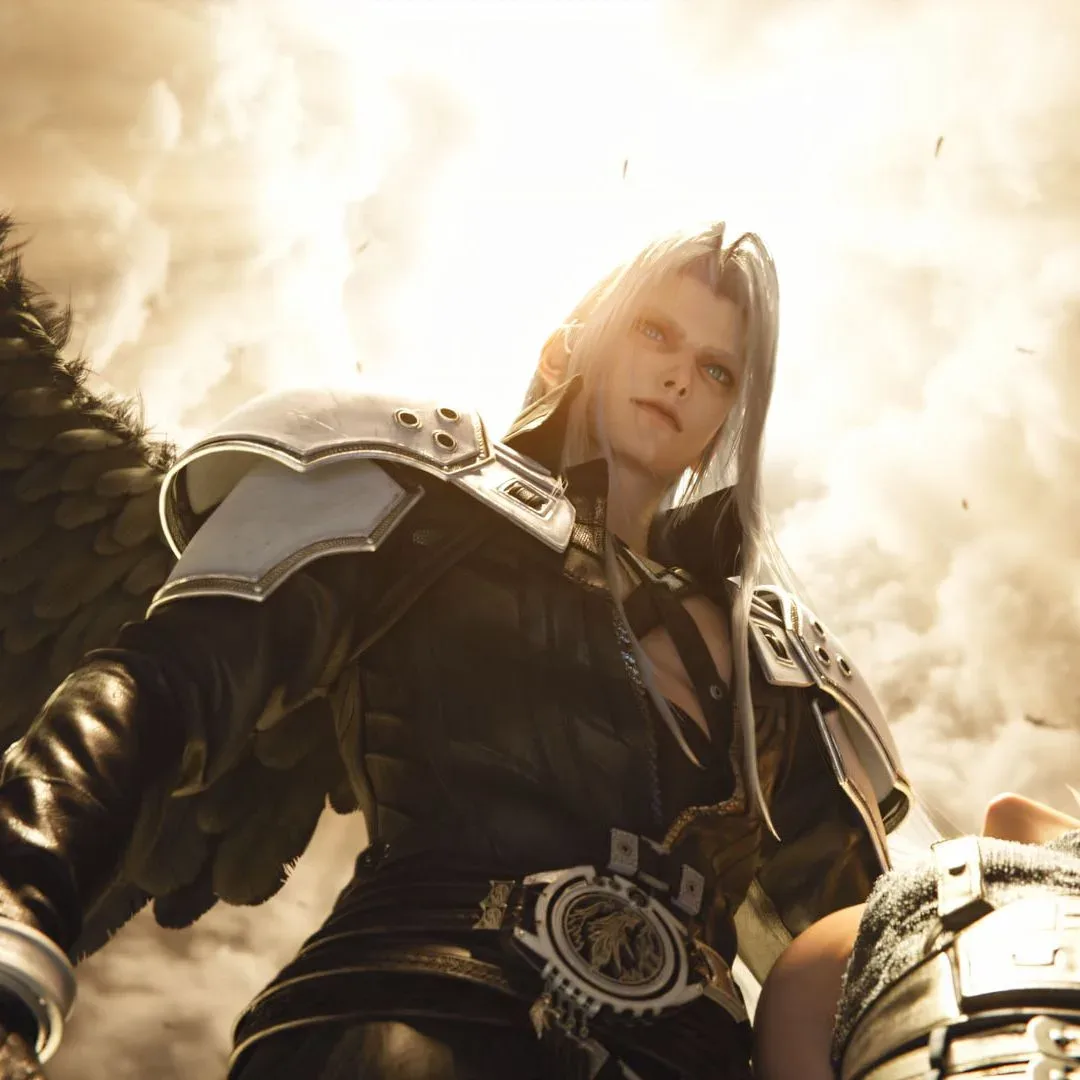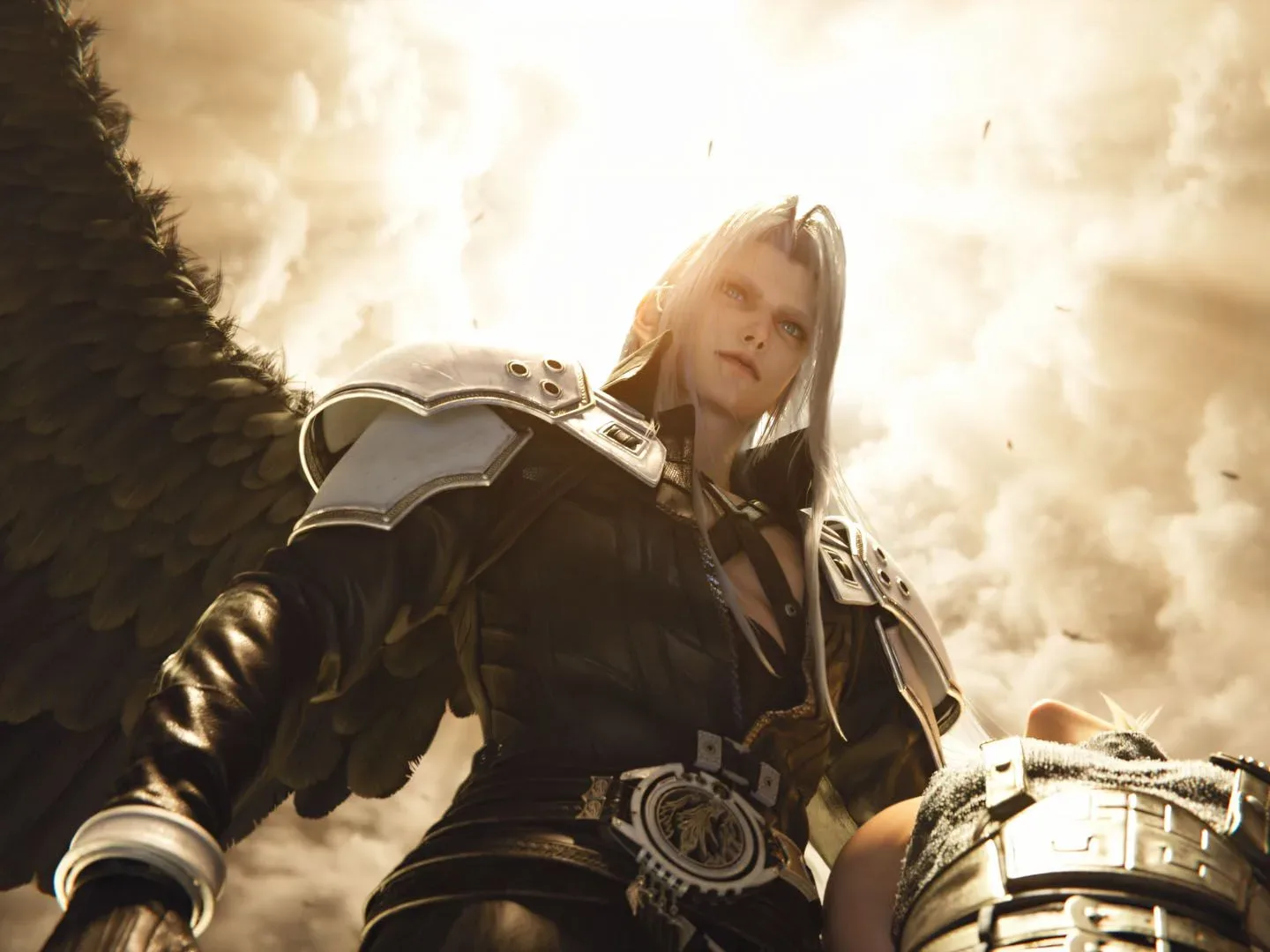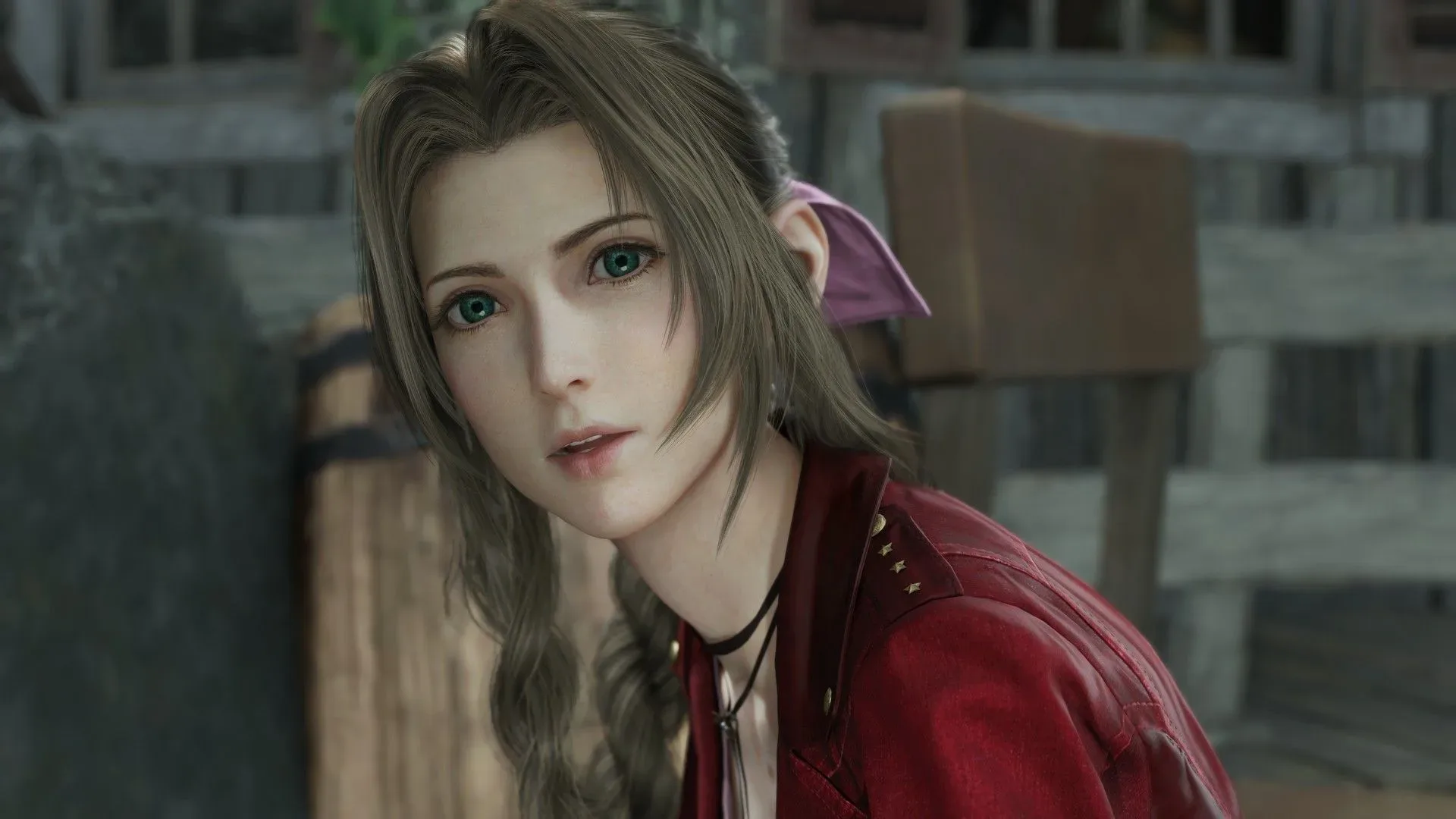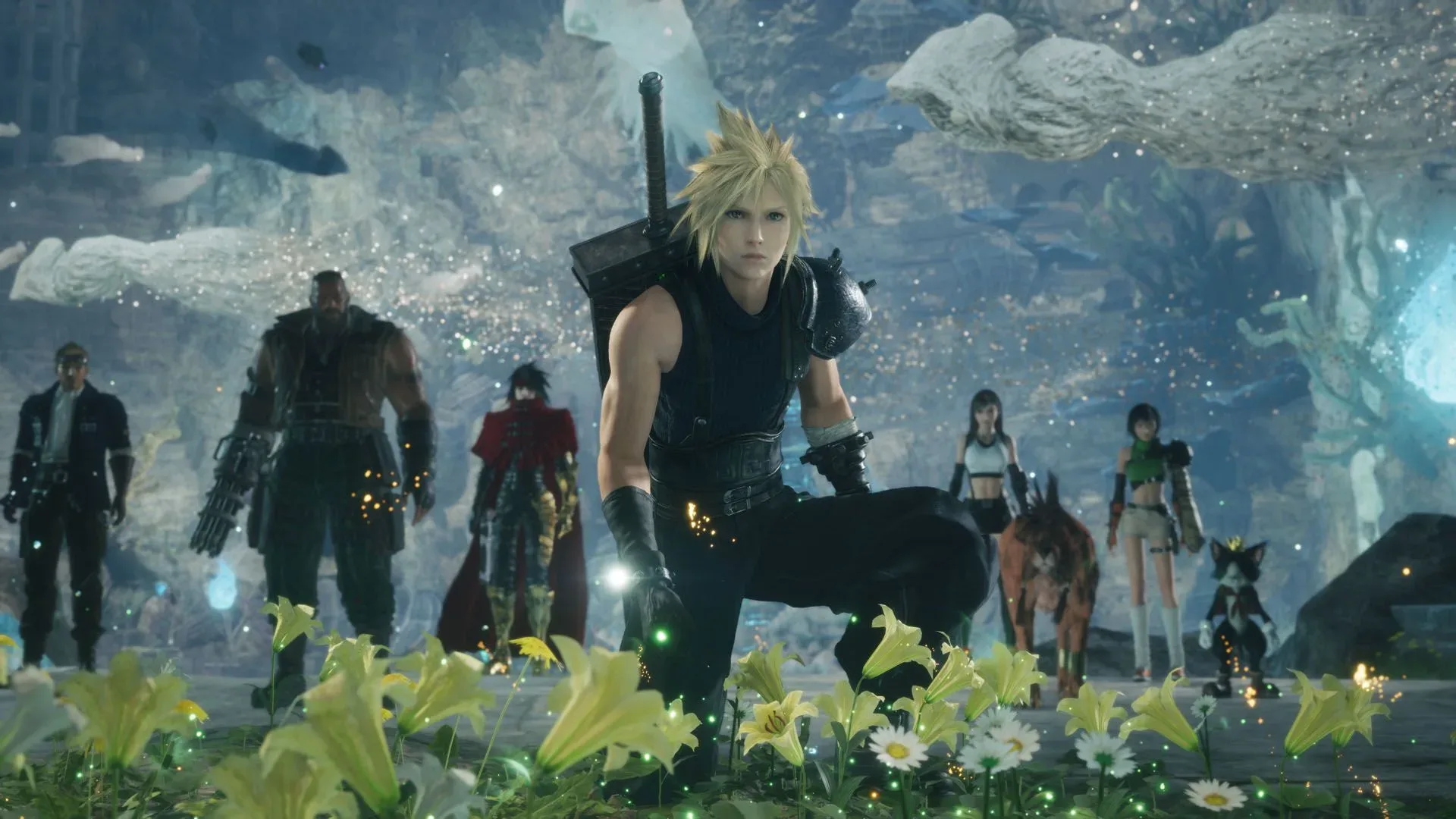
Naoki Hamaguchi says the defining creative rule behind the three-part Final Fantasy 7 remake project was established from the outset: every game needed to work as a complete experience in its own right.
That is a deceptively demanding target for a trilogy adapting one larger story. A multi-part narrative can easily treat an early installment as a lengthy prologue, save its most meaningful payoffs for later, or end at a point that feels chosen mainly because it is convenient for production. Hamaguchi’s stated approach rejects that. Each release still forms part of a larger arc, but it is meant to offer a satisfying dramatic and gameplay-shaped unit rather than simply stopping because the next game exists.
“Even as a multi-part series, providing a complete experience in each individual game was a non-negotiable premise from the very beginning,” Hamaguchi said. He added that the chief risk of a multipart project is creators deciding that it is acceptable to stop short because more is coming later.
That philosophy helps explain both the trilogy’s structure so far and the choices surrounding its remaining final chapter, referred to as Final Fantasy 7 Revelation in the material provided. Hamaguchi also indicated that Cloud will show a side not seen in the prior games, with players encouraged to pay attention to his relationships with his companions as well as the answer he reaches as an individual.
A trilogy is still asking for three endings
“Complete experience” does not mean every plot thread must be permanently resolved in each installment. In a continuing story, mysteries, antagonists and character conflicts can—and often should—carry forward. The more useful distinction is between an installment that has its own dramatic shape and one that feels like an arbitrary interruption.
A self-contained game generally needs a sense of arrival: a major objective changes, a central conflict reaches a turning point, or the cast crosses a threshold that gives what came before it meaning. It also needs enough gameplay variety and progression to feel substantial on its own terms. Hamaguchi’s comments suggest the team has treated those needs as design requirements, not as extras that can be addressed after the larger story is divided up.
The existing release points illustrate the strategy. Final Fantasy 7 Remake, released in 2020, ends with Cloud and the party leaving Midgar. It is a major transition: the group escapes the city that has defined the game’s setting and faces a far broader world beyond it. The moment offers movement and consequence while also making the next destination clear.
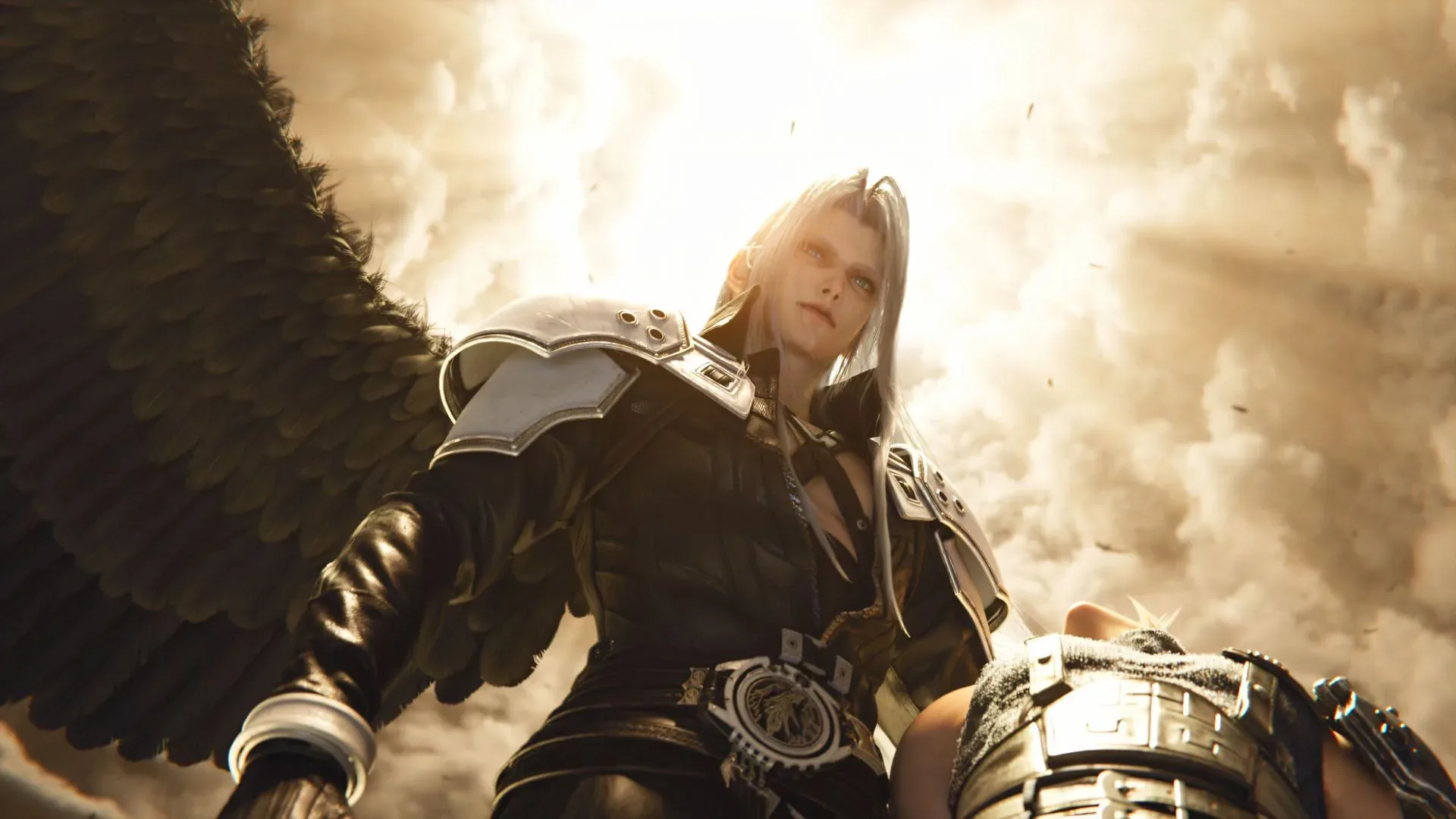
Final Fantasy 7 Rebirth, released in 2024, concludes after one of the original game’s best-known tragic scenes. That is another high-impact dramatic breakpoint—one that clearly points toward a final installment but is not a minor pause between objectives. The approach is not merely “adapt a certain number of locations per game.” It is to identify points where a chapter can end with its own emotional weight.
Related coverage includes Final Fantasy 7 Revelation Director Says Every Trilogy Entry Had to Stand Alone.
For players, this matters because the trilogy format asks for patience across releases. A game can leave questions open without making its own ending feel disposable. Hamaguchi’s framing sets a standard for Revelation: the final game has to pay off the trilogy-wide narrative, but the first two entries also need to remain meaningful works rather than required homework for the conclusion.
Why Rocket Town and Wutai were not in Rebirth
The same principle also sheds light on omissions that returning players noticed in Rebirth. Rocket Town and Wutai, locations associated with the original game, were not included. Hamaguchi said the development team concluded that depicting them alongside the rest of Rebirth would have made the game too dense with information and damaged both pacing and the second installment’s focus.
That explanation is important because “more content” is not automatically the same thing as a stronger chapter. Pacing, in this context, is the rhythm at which a game introduces events, places, systems and emotional developments. A game can be large and still be paced coherently; it can also become overloaded if too many major ideas compete for the player’s attention or if detours soften the momentum of the main story.
Focus is related but slightly different. It concerns what a particular entry is principally about: which emotional turns, character relationships and plot developments need room to land. Adding more destinations can be attractive on a checklist, especially for an adaptation with a beloved source, yet each major location requires narrative introduction, visual identity, characters, gameplay context and time for players to absorb it. The result can be a fuller map but a less clear game.
Hamaguchi’s comments do not confirm exactly how Rocket Town and Wutai will figure into the final chapter, nor do they provide a release date or a platform list for Revelation. They do establish the reasoning for their absence from the middle game: it was a deliberate scope and storytelling decision, not presented as a simple oversight.
That distinction will be especially relevant to expectations for the finale. Players familiar with the original may naturally look toward material not yet represented in the remake project. But the director’s description suggests the team is weighing that material against the needs of a final game with its own cadence and dramatic purpose. A location’s importance does not necessarily dictate that it must appear at the earliest possible point.
Cloud’s reportedly gentler voice is a character clue, not a full answer
Hamaguchi also addressed observations about footage shown at SGF, where viewers noted that Cloud seemed to speak more gently than before. He declined to explain the change in detail, but said players will encounter a side of Cloud not seen in the previous titles.
That is a carefully limited tease. It is not confirmation of a particular plot event, motivation or outcome, and it should not be treated as one. What it does do is direct attention to character performance as part of the finale’s story. Cloud’s manner of speaking, interactions with his party and ultimate personal answer appear to be areas the team considers important.
For a character arc, changes in tone can matter as much as plot exposition. A character arc is the movement in a character’s outlook, behavior, understanding or relationships over the course of a story. Hamaguchi’s wording points toward a change that players may notice through how Cloud relates to others, rather than only through a single explanatory scene.
That fits the wider “complete experience” goal. A finale cannot rely solely on spectacle or on resolving a chain of external events. It also has to deliver a satisfying endpoint for the people at the center of the story. The final chapter’s crisis will matter, Hamaguchi said, but so will Cloud’s confrontation with it, his companions and his own individual resolution.
The practical implication: scope has to serve the chapter
There is a recurring tension in major game remakes: players want recognizable material preserved, while developers must build installments that play well for contemporary audiences and fit their own planned structures. Hamaguchi’s comments make the team’s priority clear. The trilogy’s chapters are not being judged only by how much ground they cover from the original, but by whether each has a coherent narrative and gameplay identity.
That does not eliminate debate about adaptation choices. It does give those choices a stated framework. Leaving Rocket Town and Wutai out of Rebirth was tied to concerns about information density, pace and the middle chapter’s focus. Ending Remake at Midgar’s exit and Rebirth at a major tragic turning point reflects a search for emotionally consequential endings. And the comments about Cloud suggest the final game is being positioned as a character destination as well as the last segment of a larger plot.
For readers tracking the wider release calendar, our look at a busy indie game week offers a separate view of how varied game schedules can be, while the Final Fantasy 7 trilogy remains a distinctly long-form project built around a single continuing narrative.
For now, the key takeaway is less about a newly disclosed feature than the design rule Hamaguchi has put on the record. The final chapter is expected to complete the trilogy, but its predecessors were not intended to be treated as unfinished fragments. In this remake plan, every stop on the journey has been designed to feel like a destination—even while the road continues.