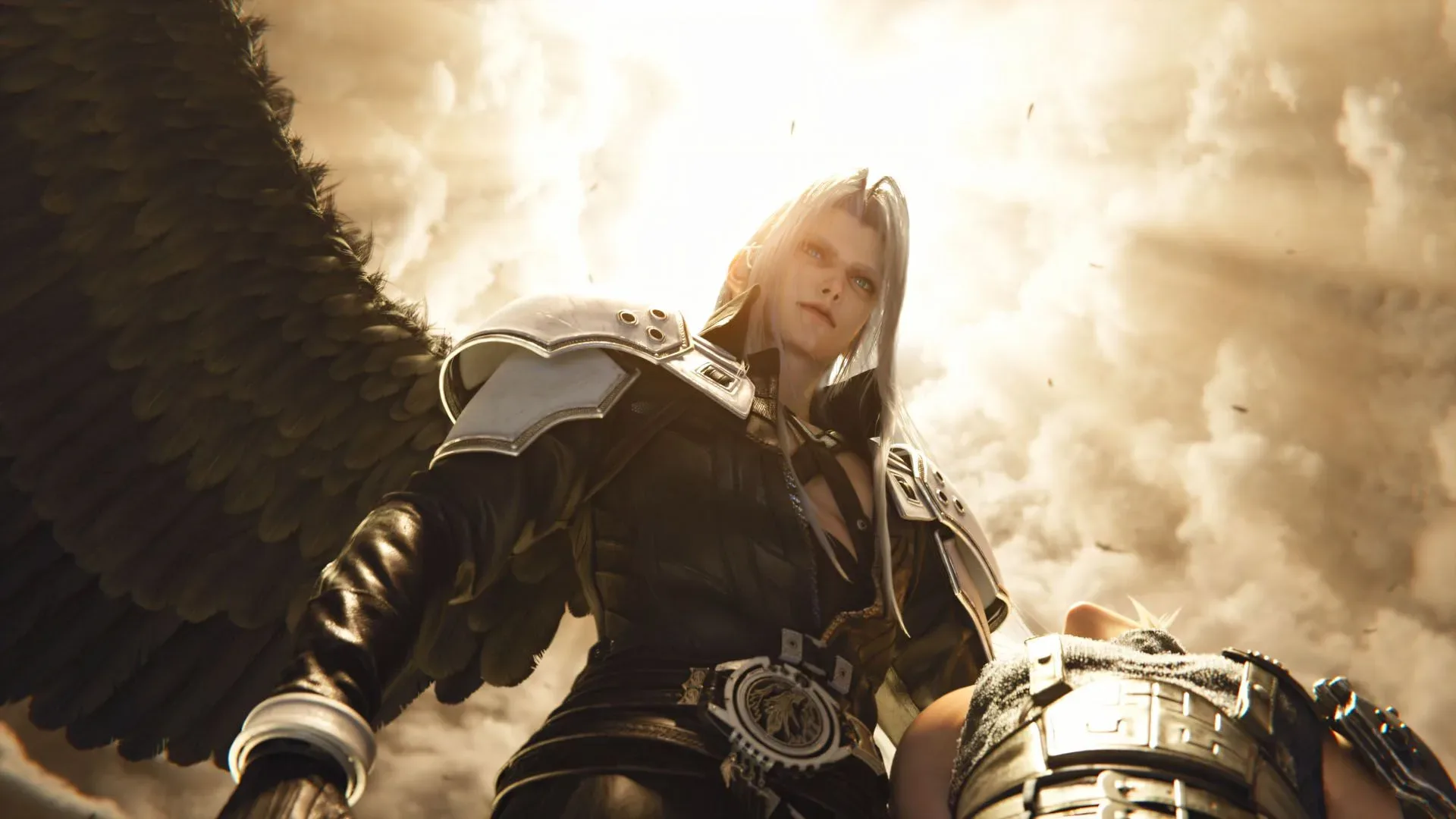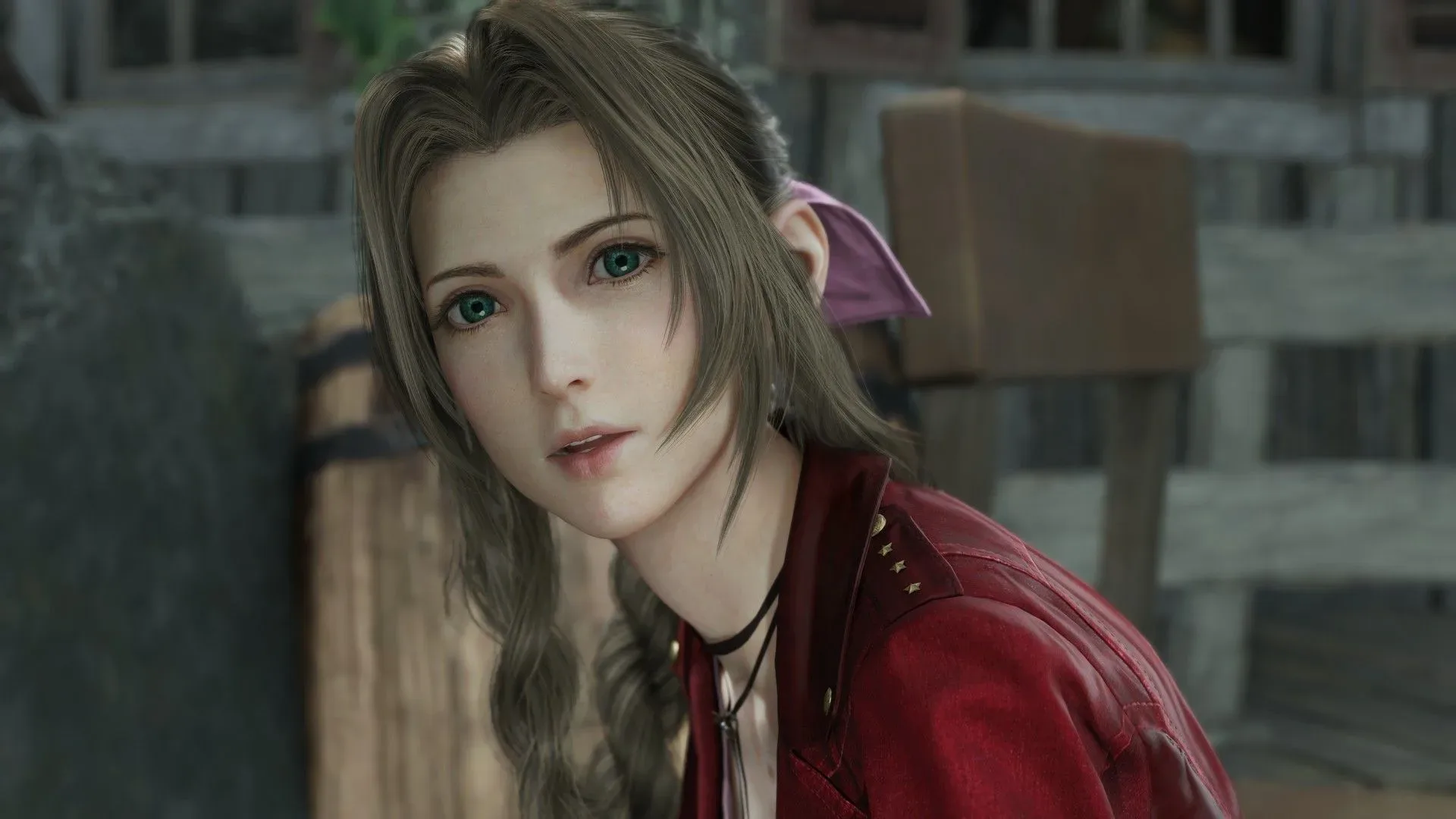

Final Fantasy 7 Revelation is scheduled to launch on April 7, 2027, bringing the long-running Final Fantasy 7 Remake trilogy to its final chapter. The RPG has a daunting job: it must deliver an ending to a reimagined version of one of gaming’s most enduring stories while also serving as a full-scale game in its own right.
The clearest early details point to a more combat-focused opening. An early North Crater dungeon introduces Cid and Vincent as party members and acts as a proving ground for the game’s FITS system, described as job-like. Director and series producer Naoki Hamaguchi has also confirmed that players can choose a hard difficulty setting from the outset, although it will not work exactly as hard mode did in Final Fantasy 7 Remake and Final Fantasy 7 Rebirth.
That combination tells players something useful about Revelation’s priorities. This is not simply a ceremonial final act that assumes combat, party management and character-building are already solved. Its first dungeon is positioned as a tutorial space for two new teammates and a new progression mechanic, while an immediate higher-difficulty option gives returning players a route toward a more demanding opening run.
A final chapter with unusually large expectations
The original Final Fantasy 7 made a major impression on the PlayStation era, and its story has retained an audience for more than two decades. The remake project has spent years retelling and reshaping that material across multiple highly detailed releases. Calling Revelation the final entry therefore means more than finishing a trilogy: it means resolving a project that has deliberately revisited questions of adaptation, expectation and change.
That history makes the April 2027 date meaningful, but it does not answer the questions fans will naturally bring to the finale. How will Revelation land its story? How extensively will FITS affect party construction? What specifically separates its hard mode from earlier versions? And how will Cid and Vincent change the rhythm of combat once players move beyond the North Crater introduction? Those details remain open.
For now, the firm takeaway is that Revelation is being framed as a culmination rather than an epilogue. Hamaguchi has characterized his decade of work on the Remake trilogy as an opportunity to put the experience, knowledge and lessons gained over his career back into the project. That is a substantial personal and creative claim, fitting for a release tasked with completing a saga that has carried such a large cultural footprint.
“Over these 10 years of working on the Final Fantasy 7 Remake trilogy, it's really felt like I should be giving back all of that experience and all of that knowledge and learnings that it's given me over my career.” — Naoki Hamaguchi
The North Crater is an early test for Cid, Vincent and FITS
The North Crater appears early in Revelation and is more than a scenic landmark or story stop. It is identified as the first dungeon, setting the pace for the adventure and training players on the incoming systems. This kind of opening matters in an RPG because it establishes the game’s learning curve: what the player needs to understand, which decisions will matter, and how fast the party’s tactical possibilities begin to expand.
Cid and Vincent are the headline additions to the battle roster in this section. Their inclusion changes the practical equation of party selection. A party-based RPG asks players to weigh who comes along, how each member complements the others and which tools are appropriate for a given encounter. Even without a full mechanical breakdown for either character, an introductory dungeon built around both suggests that Revelation wants players to engage with them rather than treat them as late-game curiosities.
The early impression is of tighter combat, with the North Crater encounters described as potentially the trilogy’s best battles. “Tighter,” in this context, should not be mistaken for a confirmed list of mechanics. It indicates a perceived improvement in the focus and feel of the encounters, not a promise of a particular control change, enemy type or battle rule that has yet to be detailed.
What a job-like system can mean
FITS is characterized as job-like, a helpful shorthand for RPG players but not a complete explanation. In role-playing games, a job system generally refers to a framework that shapes a character’s combat role, capabilities or build choices. It can help distinguish offense, defense, support or specialized utility, and it often gives players more room to tailor a party to their own strategy.
Revelation has not yet publicly explained the full boundaries of FITS in the supplied details. It would be premature to claim that it works like any particular RPG’s jobs, whether it can be freely swapped, or precisely how it interacts with equipment and abilities. Still, calling it job-like establishes a sensible expectation: it is intended to influence how players develop or deploy the party, rather than functioning as a purely cosmetic label.
Making the North Crater a training ground for FITS is a smart structural decision on its face. New systems are most useful when the game gives players a controlled space to understand them before demanding mastery later. Pairing that lesson with new party members could also make the early dungeon a compact statement of Revelation’s central gameplay loop: learn a character, learn a build system, then apply both under pressure.
Hard mode from the beginning changes the replay conversation
Selectable hard mode from the start is one of Revelation’s most player-facing confirmed features. It offers a direct choice for people who want their first journey through the finale to be more challenging, rather than requiring them to complete the story on another setting first.
That does not necessarily mean it is the recommended route for every returning player. Difficulty settings can alter the experience dramatically depending on how enemies, resources, player options and encounter demands are tuned. None of those specifics have been provided here. What is clear is that Hamaguchi has cautioned against assuming Revelation’s setting will duplicate the hard modes in the previous two games.
Players should read that caveat as important rather than evasive. The trilogy’s final game is adding party members and FITS, so a one-to-one repetition would not necessarily fit its new systems or encounter design. Until the precise changes are outlined, the safest expectation is simply that Revelation will support a tougher start while pursuing its own approach to high-level challenge.
- Confirmed: Hard mode can be selected from the beginning.
- Confirmed: Its function will differ from hard mode in Remake and Rebirth.
- Not yet established: The exact restrictions, balance adjustments or rewards associated with that setting.
Why the trilogy’s scale is part of the story
The Remake trilogy is notable not only because it revisits Final Fantasy 7, but because it has been built as a very large multi-game undertaking around a property with exceptional recognition. That makes Revelation unusual in the modern release calendar. It is the endpoint of a project conceived to devote several expansive games to a story that originated on the first PlayStation.
There is an understandable temptation to treat every major remake as a template for the next one. Revelation’s context argues against that. The original Final Fantasy 7 is unusually iconic, and the remake undertaking has been unusually broad in scope. Those two conditions are difficult to reproduce together. This finale may consequently stand as a distinct example of what can happen when an industry-defining game is revisited over a long development horizon rather than as a straightforward one-release update.
That does not predetermine the quality of the conclusion; scope alone cannot do that. But it explains the intensity around the project’s final step. Players are not merely waiting for another RPG. They are waiting to see how an extended reinterpretation of a landmark game chooses to close its own version of the journey.
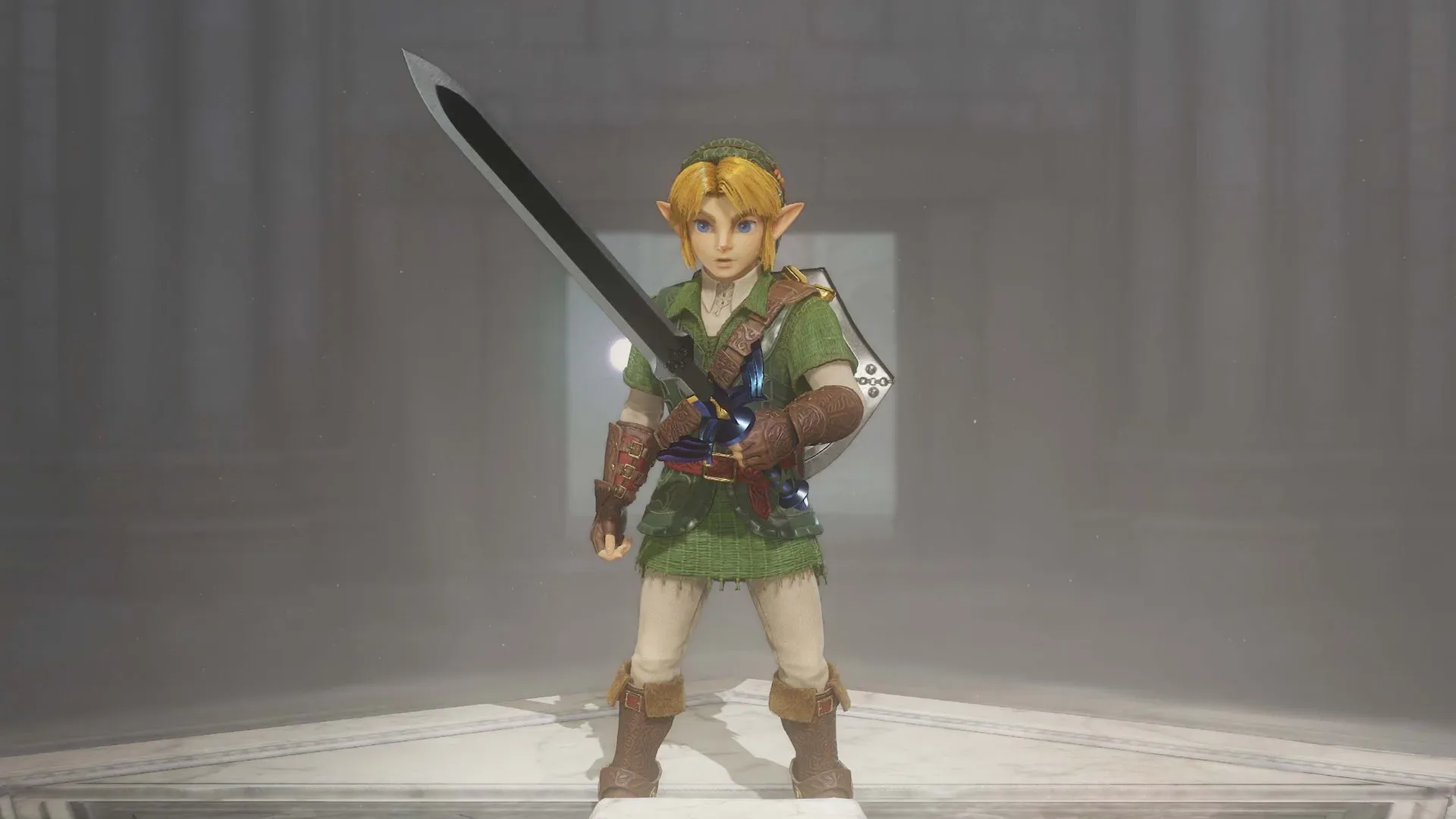
There is also a broader remake conversation happening around the medium, from the strong physical-sales performance reported for an Ocarina of Time remake to ongoing debates over whether a remake should preserve, revise or radically reframe its source. Revelation belongs in that discussion because its trilogy has explicitly treated “remake” as a more flexible idea than replication.
What to watch before April 2027
With the launch date set, the most valuable future updates will be the concrete ones. Players need an explanation of FITS beyond the job-like description, a clearer view of how Cid and Vincent play, and a detailed account of how hard mode differs from its predecessors. More of the North Crater could also show whether the dungeon’s promising combat is representative of the game’s wider design or a particularly strong opening showcase.
For now, Final Fantasy 7 Revelation has established a sturdy foundation: a date, a final-trilogy role, an early dungeon designed to teach significant additions, and a challenge setting available from day one. The remaining task is enormous, but at least the shape of the road is becoming clearer. April 7, 2027 is when the Remake trilogy’s biggest questions will finally have to meet their answers.
For a separate report focused on the scheduled finale date, see this overview of Final Fantasy 7 Revelation’s April 2027 release plan.