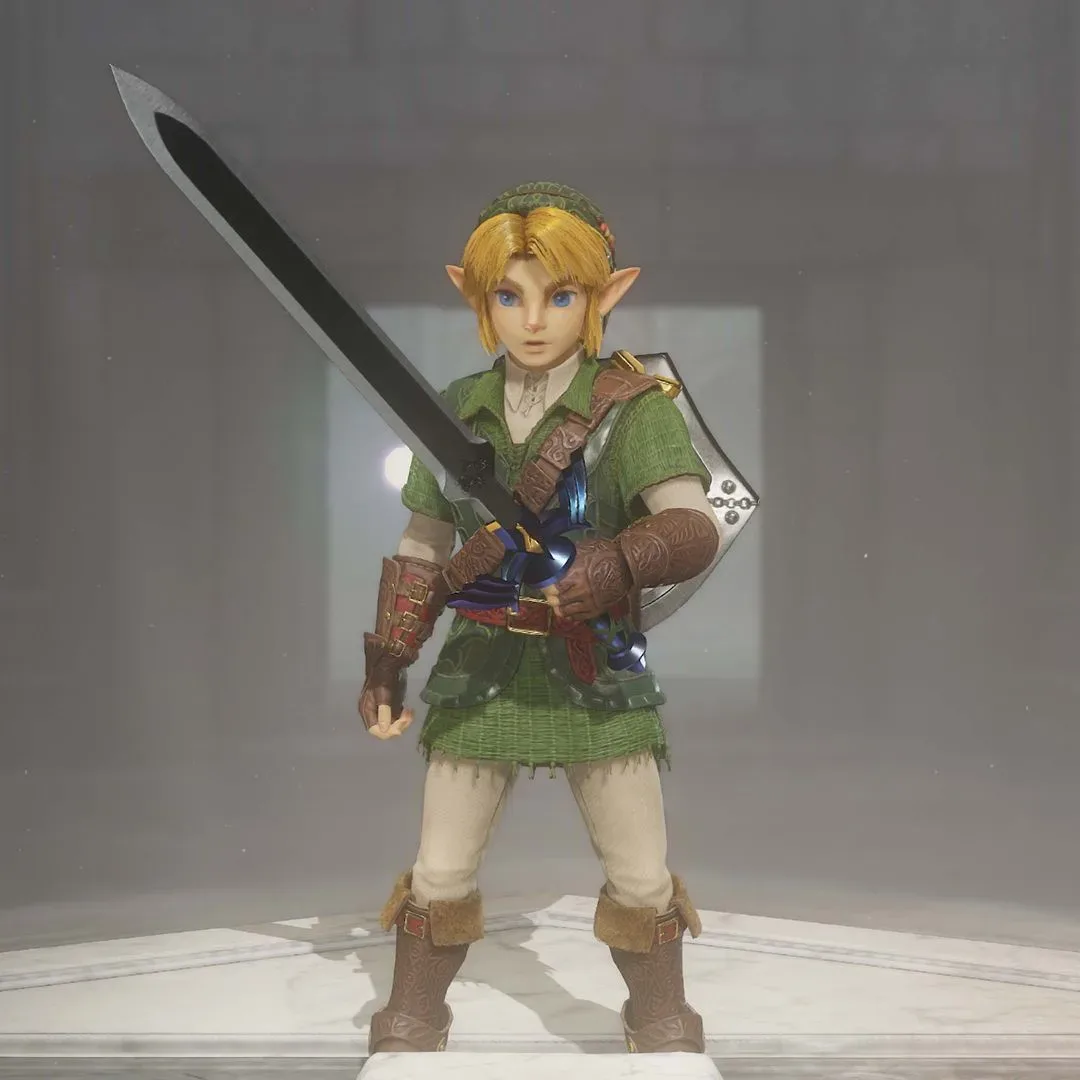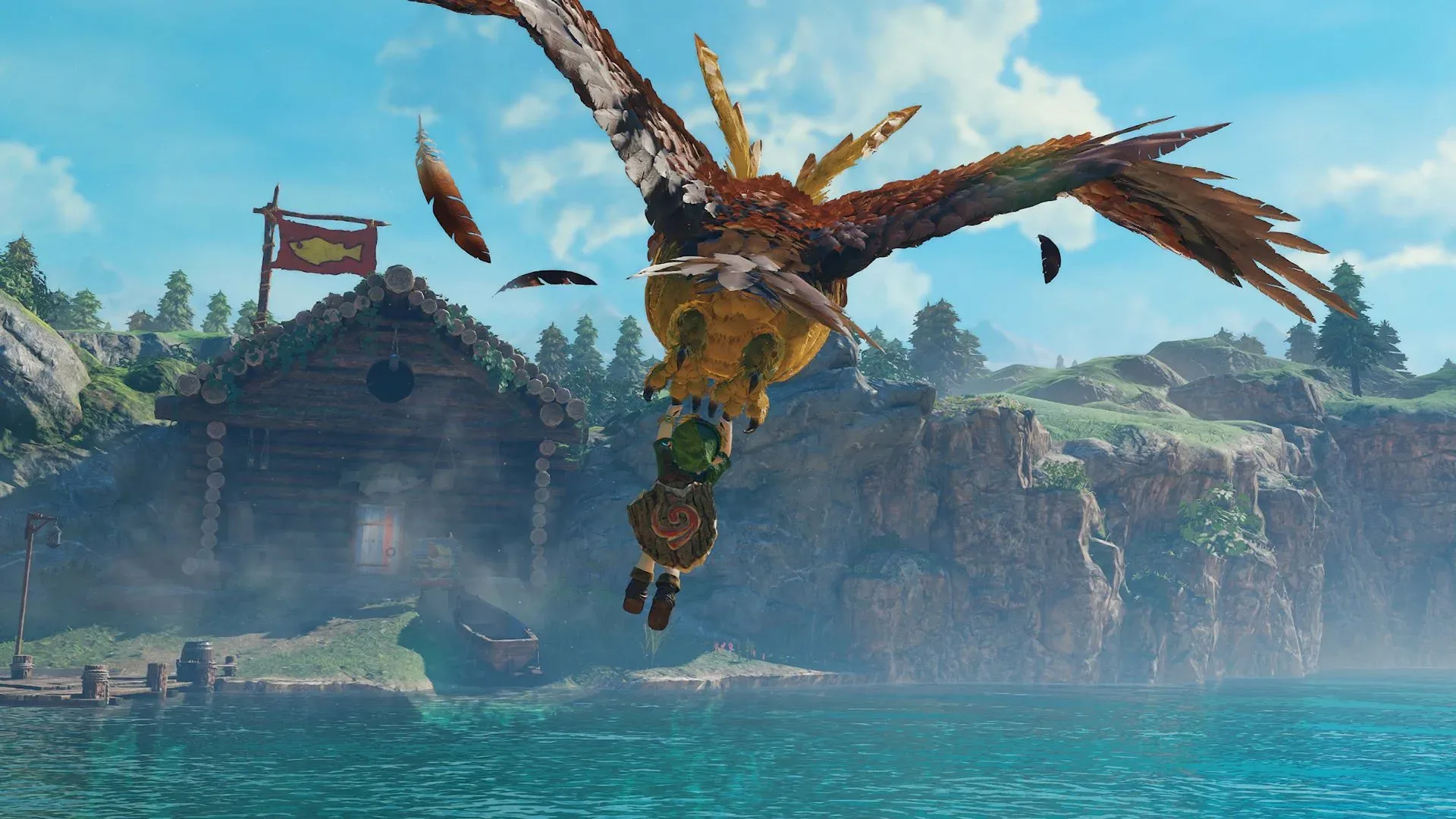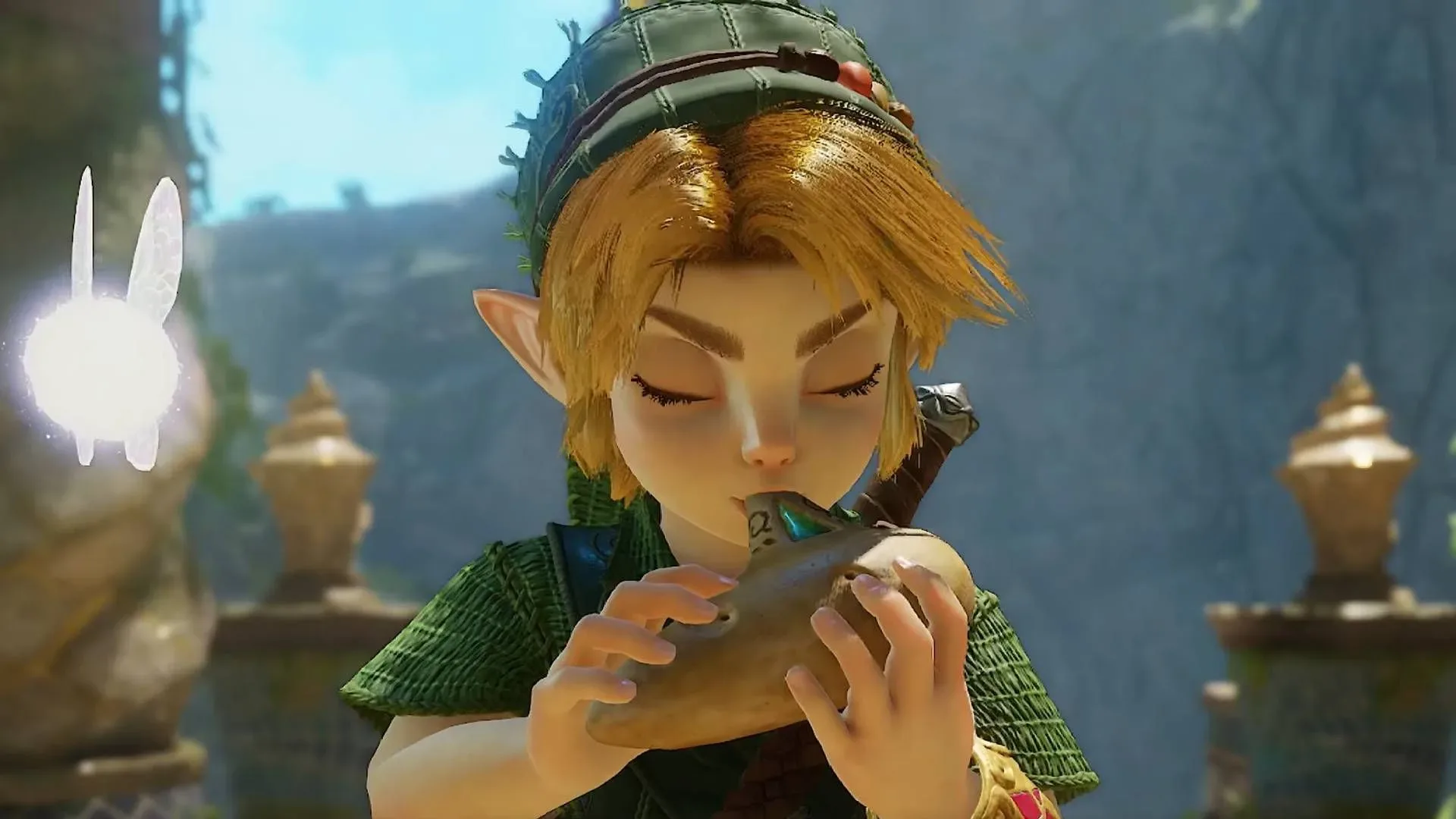
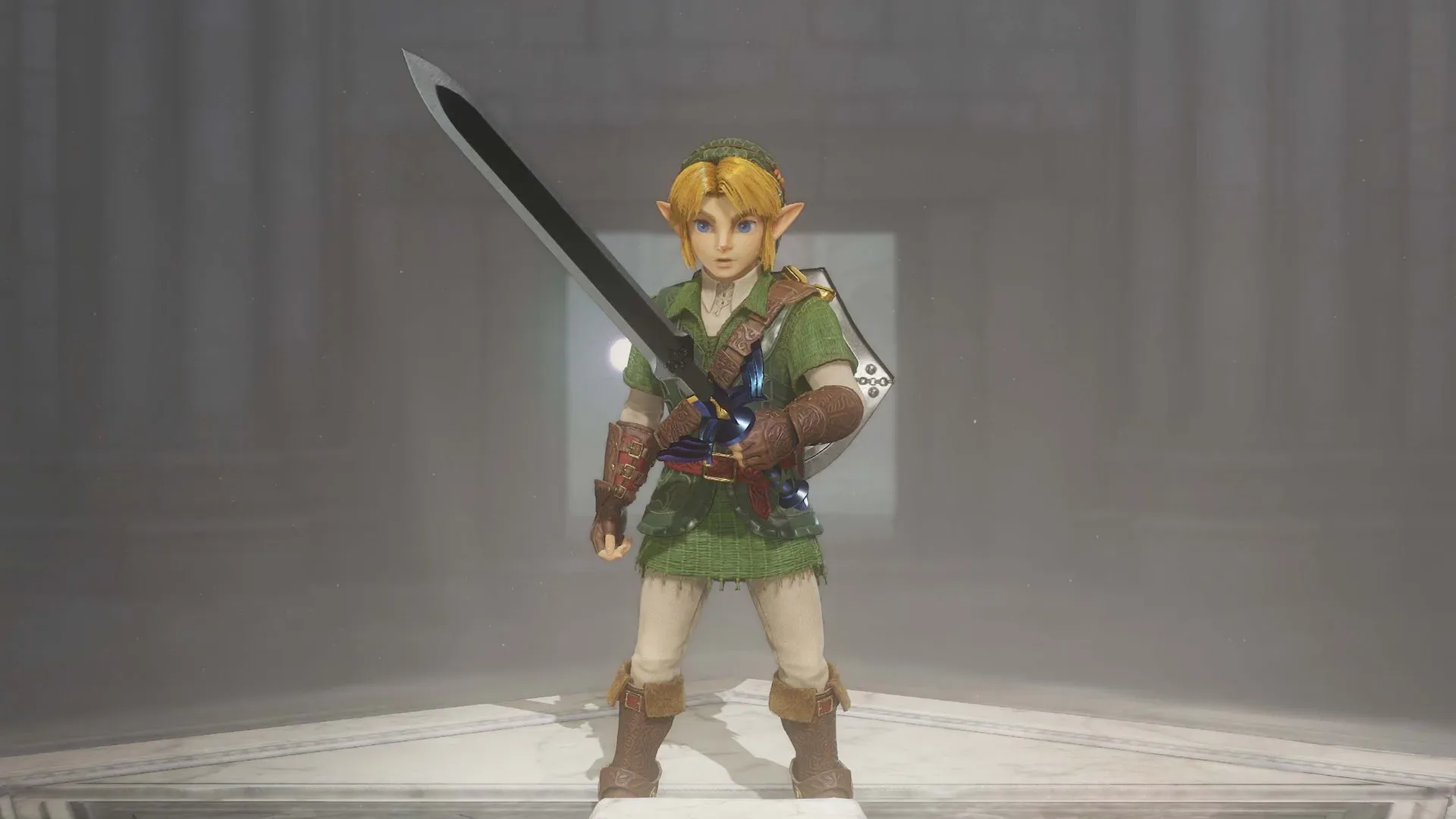
The Legend of Zelda: Ocarina of Time remake has reportedly become the biggest physical game launch of 2026 so far in the UK. Early estimates also put it second among Zelda launches in Britain by physical copies sold, a striking result for a new version of an adventure that originally arrived nearly three decades ago.
The comparison most clearly illustrates the scale of the opening week: the remake’s first seven days are estimated to be about 35% higher than the equivalent opening period for The Legend of Zelda: Breath of the Wild, counting that game’s sales across both Nintendo Switch and Wii U.
That is a notable benchmark, though it needs to be read precisely. These are physical-sales estimates, not a full measure of all game sales. They do not establish the remake’s total digital performance, its revenue, or its eventual lifetime audience. They do, however, indicate that boxed copies and game cards have moved in unusually large numbers in the UK.
What the reported milestone means
“Physical launch” refers to copies sold in retail packaging rather than downloads purchased through a console storefront. In the present case, the distinction matters. A physical-sales chart is a measure of demand for the boxed or card-based edition and should not be treated as a complete UK market ranking unless digital sales are included too.
Even within that scope, the reported result is sizeable. Ocarina of Time remake is said to be ahead of other major 2026 physical releases including Resident Evil Requiem, Call of Duty: Modern Warfare 4, and Crimson Desert. The claim is that it has done so by a considerable margin, not merely edged past the field.
Its position as the second-biggest physical Zelda launch in Britain supplies further context. Zelda is not a series short on prominent entries: the comparison set includes the original Ocarina of Time, Majora’s Mask, The Wind Waker, and Breath of the Wild. A remake sitting that high in the series’ physical-launch history speaks to the unusual pull of this particular return to Hyrule.
Why Breath of the Wild is an especially useful comparison
Breath of the Wild is a difficult launch to beat in raw first-week terms because it arrived across two platforms, Switch and Wii U. Its Switch release also had an unusual role: many people were buying the new hardware specifically to play it. That can boost a launch while also imposing a barrier, since a player without the system first needs to acquire one.
The Ocarina of Time remake’s estimated 35% lead therefore cannot be reduced to a simple statement that one Zelda game is universally bigger than another. The two releases entered different hardware situations, served different roles in Nintendo’s catalogue, and are being measured here through physical copies. Still, surpassing Breath of the Wild’s combined Switch-and-Wii-U opening on that measure is a major data point.
Related coverage includes Ocarina of Time Remake Claims UK Physical Sales Crown for 2026 So Far.
There is an important counterweight. The remake reportedly remains behind The Legend of Zelda: Tears of the Kingdom in the Zelda physical-launch pecking order. By the time Tears of the Kingdom launched, the Switch had a much larger established audience than it did at the start of the previous generation. An established install base is simply the population of people who already own compatible hardware, and it is one of the biggest advantages a game can have at release.
That makes the current performance notable in a different way. The report characterizes the newer machine as a slower-selling platform than the Switch was by the time Tears of the Kingdom arrived. If so, Ocarina of Time remake’s numbers suggest exceptionally strong software demand despite a smaller pool of potential console owners.
A remake has different work to do than a new sequel
Remakes occupy a distinctive place in a long-running series. They invite returning players to revisit a known adventure while giving newer players a straightforward entry point to a game with an enormous reputation. For a property as recognizable as Zelda, that combination can bring together several audiences: people who played the original, players who know it by reputation, and fans whose starting point was a later Zelda release.
The commercial result does not prove why each person bought it, and the estimates do not break its audience down by age or prior experience. But the sales pattern is consistent with an evergreen game benefiting from a modern retail release. “Evergreen” in this setting does not mean that sales never decline; it means a game or series maintains recognition and appeal well beyond its original release window.
That is why the remake’s result carries a broader industry implication. Older games are not automatically niche products when they return. A familiar name, the right platform and a clear reason to own the new edition can turn legacy material into a current release with the ability to compete against newly created blockbusters.
Physical performance has its own practical significance, too. Strong retail demand means stores had a reason to devote shelf space and visibility to the game. It also means players who prefer to lend, trade or display their games have shown up in force. None of that tells us whether physical copies will remain the preferred format over the long term, but it does show that the format can still produce a major launch event for the right title.
What these figures do—and do not—settle
Early estimates are useful for identifying momentum, not for delivering the final accounting. Rankings can change as additional data is compiled, and a first-week lead is not a prediction of a game’s final sales total. The report does not provide a unit count, a digital-sales figure, a revenue total, or a precise gap between Ocarina of Time remake and the other 2026 releases it has outpaced.
It is also worth separating the “biggest physical game of the year so far” description from the claim about Zelda history. The first is a year-to-date UK physical-sales comparison against 2026 releases. The second places the game within the franchise’s British physical-launch record. They are related achievements, but they answer different questions.
- 2026 UK physical leader so far: how the remake compares with this year’s other boxed releases.
- Second-biggest Zelda physical launch in Britain: how its opening ranks against other Zelda games.
- About 35% above Breath of the Wild’s opening: a first-seven-days comparison with Breath of the Wild across Switch and Wii U.
- Still behind Tears of the Kingdom: an indication that the remake has not surpassed the series’ reported top physical-launch benchmark.
Keeping those definitions separate avoids overstating what has happened. The current evidence supports a huge physical debut, not a definitive verdict on all-format sales or on the remake’s eventual place among Zelda’s biggest commercial successes.
The next competitive test
The immediate question is durability. An enormous debut establishes demand; subsequent weeks reveal how well that demand continues after the initial rush. The report also frames the future arrival of Grand Theft Auto 6 as a looming competitive moment. That comparison is best understood as a reminder of the scale of major-release competition rather than a sales forecast.
There is already reason to watch the broader release calendar closely. Reporting around Rockstar’s plans has included discussion of how difficult it can be to transplant the series’ identity into another setting, as explored in coverage of the reportedly considered GTA: Tokyo concept. For Zelda, the present story is simpler: an old quest has been repackaged for a new era and, at least in UK physical retail, it has produced one of the year’s biggest opening acts.
There is also a separate, unconfirmed thread surrounding the remake. Dataminers have claimed that files point to possible Master Quest DLC and a Majora’s Mask remake. Those claims should remain firmly in the rumor column unless Nintendo confirms plans. File references can be suggestive, but they do not by themselves guarantee that downloadable content or another remake will be released.
For now, the concrete takeaway is the retail result: Ocarina of Time remake has reportedly outperformed the first-week physical sales of Breath of the Wild across its two launch platforms, claimed second place among Zelda’s UK physical launches, and become 2026’s leading physical game in the country to date. That is a powerful opening for a remake—and a reminder that Hyrule’s past remains commercially very present.