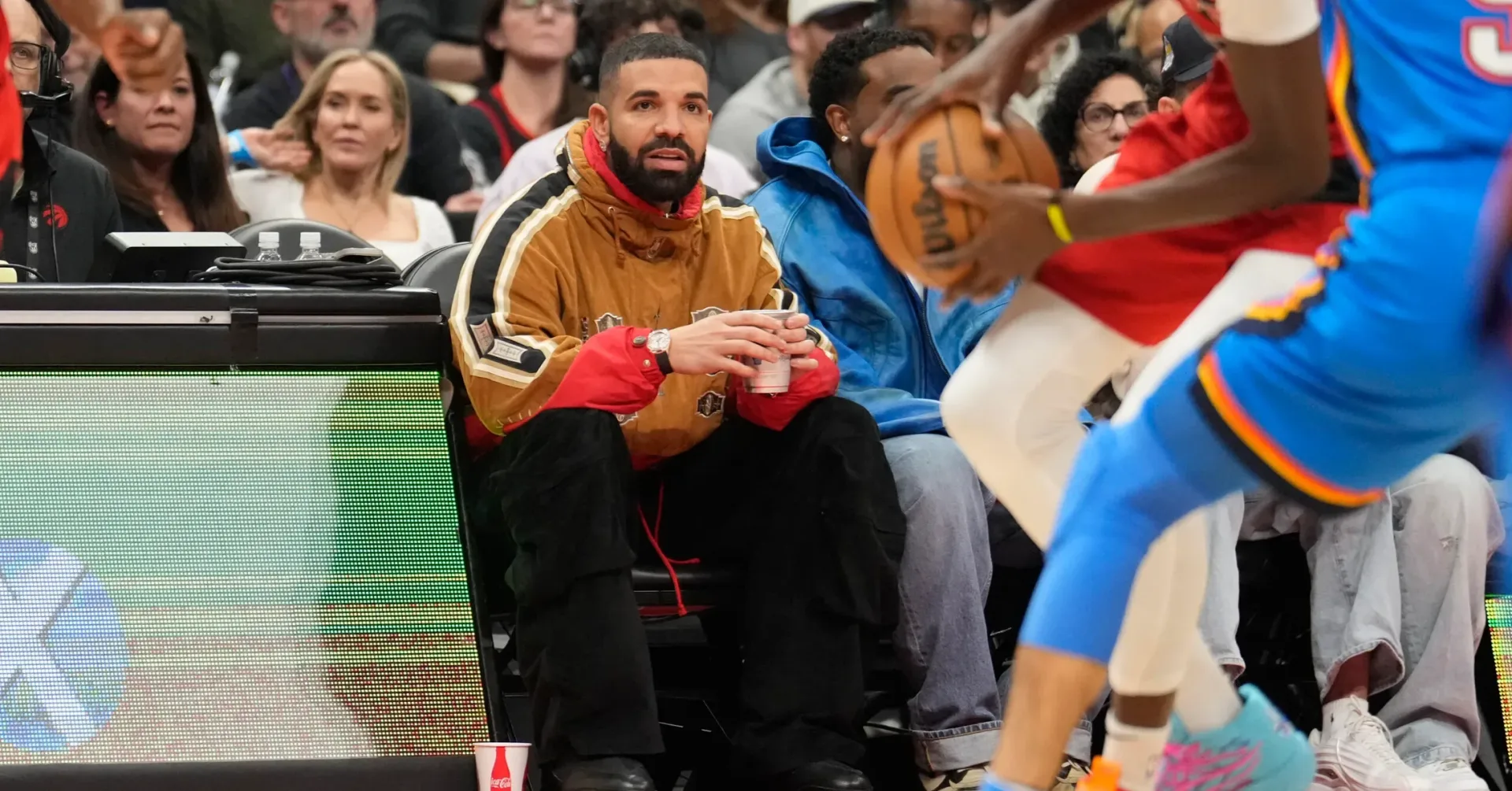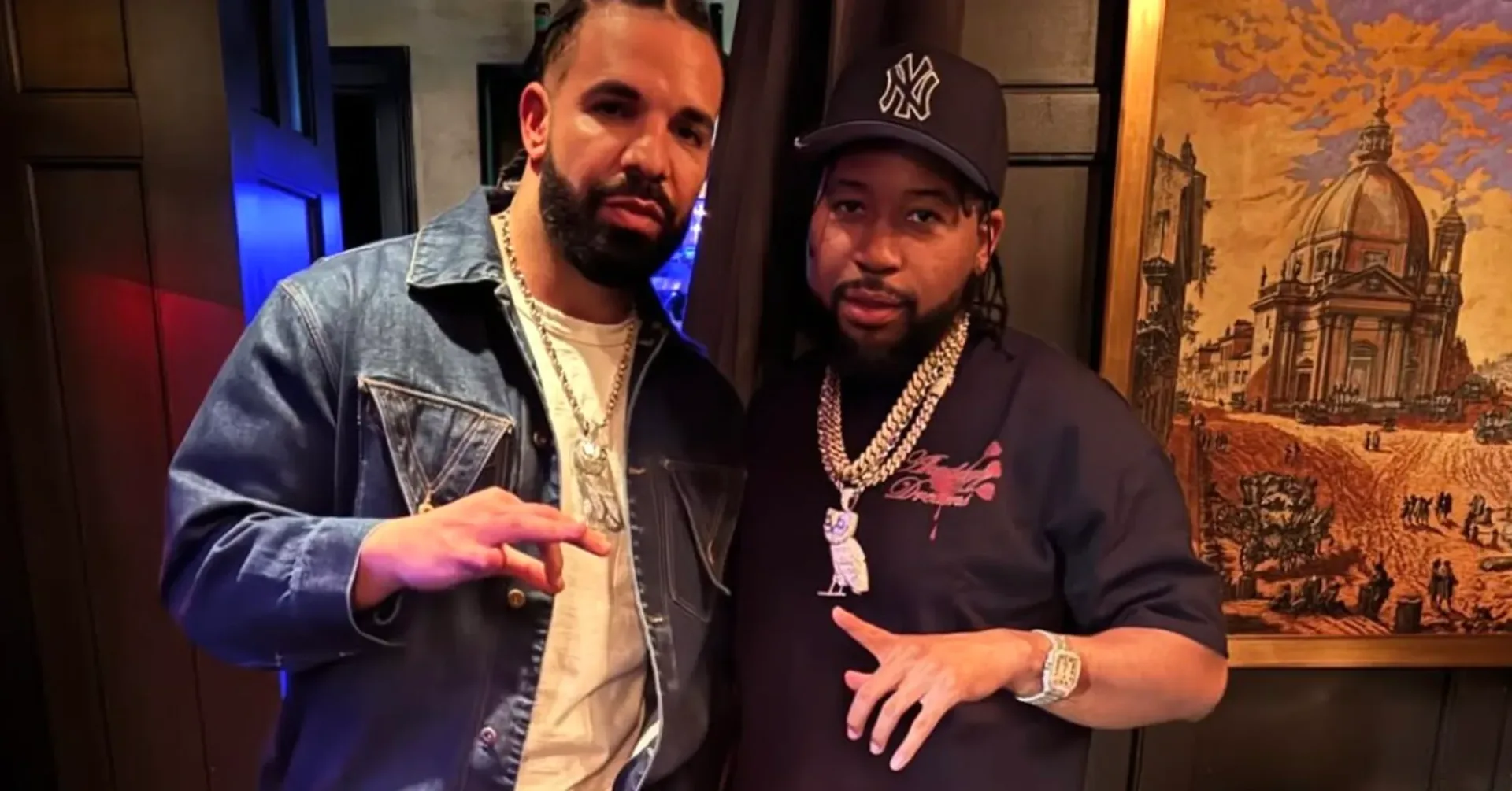
DJ Akademiks says his trip to the New York Knicks’ season-opening game against the Philadelphia 76ers included an unpleasant courtside-adjacent subplot: he alleges that another attendee heckled him and that he later learned the person was connected to Roc Nation and worked as a jeweler for Jay-Z.
The claim arrived during Akademiks’ stream the night after the game, following a heavily shared evening that had already produced clips of the commentator at the arena’s food court, preferring wings to steak, and directing taunts toward Meek Mill and Tylil. He also said he met Funk Flex during the outing.
The most important detail is also the simplest one: the alleged heckler has not been identified, and Akademiks did not present evidence establishing either the man’s identity or the claimed employment and client connections. That leaves this as an unverified allegation, rather than a confirmed confrontation involving Roc Nation or Jay-Z.
What Akademiks actually alleged
Akademiks described being heckled by an older white man at the Knicks–76ers game. He subsequently claimed the man was around 60 years old and was a Roc Nation employee who also worked as Jay-Z’s jeweler.
Those are specific assertions, but specificity is not verification. No name was provided, and there was no documentation or independent corroboration included with the allegation. There is likewise no basis in the available account to establish what was said, how long the exchange lasted, whether the person was employed by Roc Nation, or whether Jay-Z had any awareness of it.
That distinction matters because the story involves a company and one of music’s most recognizable figures. A disagreement between people in an arena can be reported as a person’s account of their own night. Turning it into proof of an organized or official conflict requires evidence that has not been supplied.
Why the Roc Nation reference is central
The allegation did not emerge in a vacuum. Akademiks has repeatedly criticized Roc Nation in recent years, with that criticism becoming more conspicuous during and after the widely followed dispute between Drake and Kendrick Lamar. His commentary has included broad claims about Roc Nation’s power and influence in the music business.
That existing tension explains why he interpreted an alleged heckler’s identity as meaningful. From his perspective, the incident fit a larger dispute over his public role and the reactions his opinions invite. But an interpretation is different from a demonstrated connection. The account currently supports only that Akademiks says he was heckled and says he later heard the man had those affiliations.
Related coverage includes DJ Akademiks Alleges He Was Heckled at Knicks Opener.
It does not support a conclusion that Roc Nation directed anyone to confront him, that Jay-Z was involved, or that the alleged spectator was even accurately identified.
A viral arena night can blur entertainment and evidence
Sports openers are unusually fertile ground for short-form celebrity clips. The crowd is energized, recognizable people are often in the building, and a quick moment can be detached from its original context and spread in minutes. Akademiks’ wing-versus-steak clip is exactly the kind of low-stakes, highly shareable material that travels easily beyond the game itself.
But virality does not do the work of verification. A viral clip can establish that a person attended an event, made a comment, or had a visible exchange. It may not establish who an off-camera person is, what their job is, or what prompted a confrontation. The more consequential the allegation, the more important that difference becomes.
For audiences following personality-driven hip-hop coverage, this is a useful line to keep in view. There are several layers to a story like this:
- Observed material: Akademiks attended the Knicks’ opener, appeared in videos from the night, and discussed the outing on stream.
- His personal account: He says he was heckled by another attendee.
- Unverified identification: He says the attendee was connected to Roc Nation and Jay-Z.
- Broader inference: Any suggestion that the encounter represents a company-backed campaign against him goes beyond the evidence currently available.
Separating those layers does not minimize the possibility that an unpleasant exchange occurred. It simply prevents an individual’s uncorroborated explanation from becoming a settled account involving multiple people and organizations.
What “heckling” means in this context
Heckling generally means shouting criticism, insults, or disruptive remarks at a public figure, performer, or participant. It can range from mild jeering to sustained harassment. Akademiks’ description establishes that he felt targeted, but it does not establish the exact nature or severity of the alleged behavior.
Without a clip of the exchange, direct testimony from others nearby, or a detailed on-the-record account from the alleged speaker, readers cannot reliably assess the wording, tone, or escalation of what happened. It is also not possible to determine whether the incident was isolated, mutual, or connected to the broader online rivalries that frequently orbit high-profile music commentary.
That lack of detail is not unusual in live-event stories. It is, however, a reason for caution when the alleged exchange is being used to make claims about business affiliations or celebrity relationships.
Akademiks’ public style makes the episode unsurprising, not proven
Akademiks has built a prominent platform around forceful opinions, rapid reactions, music-industry disputes, and debates involving artists and their fan communities. That approach can turn an arena visit into content before the night is over. It can also create a feedback loop: outspoken commentary prompts responses, responses become more content, and each moment is immediately framed against older disputes.
His decision to speak about the alleged heckler is consistent with that mode of public engagement. He did not present the incident as something he intended to ignore, and there is little indication that he plans to soften his broader approach to commentary. At the same time, being a frequent target of online and in-person criticism does not authenticate every explanation for where that criticism originates.
Public figures regularly face a difficult reality: their disputes can move from posts, streams, and interviews into real-world spaces. Fans, critics, artists, media personalities, and business associates may all attend the same major events. Still, proximity is not coordination. A Knicks game is a large public setting, and a claimed association must be supported independently before it can carry the weight of a larger accusation.
The practical takeaway for fans following the dispute
There is a clear difference between engaging with the entertainment value of an Akademiks story and accepting every implied implication around it. The former is straightforward: a prominent commentator says a stranger heckled him at a major basketball opener, then connects that moment to an ongoing Roc Nation grievance. The latter is unresolved: whether the stranger was who Akademiks says he was, and whether any larger entity had anything to do with the exchange.
Until additional evidence emerges, the accurate framing is narrow. Akademiks alleges he was heckled at the Knicks–76ers opener and alleges the heckler had Roc Nation and Jay-Z ties. The identity and affiliations have not been substantiated.
For a separate recent example of Drake and basketball-opening-night spectacle overlapping, Drake’s red bedazzled cowboy boots drew attention at the Raptors’ opener. In Akademiks’ case, though, the attention has shifted from fashion or arena-food clips to a claim that should remain carefully labeled as unverified.