Jay-Z’s long-running relationship with retirement is getting another chapter — but the most revealing part is not the prospect of another exit. It is the reported explanation of what he wanted from the beginning.
In JAŸ-Z In 8, a docuseries-and-podcast conversation with Rick Rubin for HBO Max, Jay-Z reportedly says he initially planned to stop rapping after releasing Reasonable Doubt. The intended move was not a dramatic disappearance born from a failed record. It was a pivot toward business, even as his debut album found success.
The first two episodes are scheduled to arrive Friday, September 18 at 8 p.m. ET, with six further episodes to follow. For fans who have followed the rapper’s career through multiple supposed farewell points, the idea may sound familiar. Jay-Z has previously been associated with retirement talk around The Black Album, and the gap following 2017’s 4:44 has naturally kept speculation alive. But this account adds a more specific motive: he reportedly did not particularly enjoy the machinery of being a public-facing recording artist.
The distinction between making music and being an artist
That distinction is more meaningful than it first appears. “Artist,” in this context, does not simply mean writing rhymes or recording songs. It includes the promotional work attached to an album cycle: music-video shoots, interviews, public speaking, press obligations and maintaining a visible celebrity persona.
Jay-Z reportedly described those parts of the job in blunt terms, saying he did not love being an artist and did not enjoy making videos, doing interviews or speaking publicly. He also pointed to Russell Simmons as a model for the kind of business-focused position he imagined for himself.
That does not mean he rejected music itself. The account instead suggests a split that has defined much of Jay-Z’s public image: the creative process held value, while the surrounding performance of celebrity did not. Writing, by his own later reflection, helped change his mind about leaving. The work gave him a reason to continue even if the promotional demands did not.
It is an important clarification because a successful musician can be assumed to enjoy every part of the role. Commercial momentum, critical attention and cultural influence can obscure the fact that an album campaign is a collection of very different jobs. There is composition and recording; there are visuals and live appearances; there are media obligations; and there is the broader work of turning attention into a durable career. Jay-Z’s reported comments separate those tasks instead of treating them as one inseparable dream.
Why success did not settle the question
The usual retirement narrative treats success as the thing that changes an artist’s plans. A record lands, audiences respond, and the momentum becomes too large to walk away from. Jay-Z’s reported recollection complicates that version. He apparently looked at the world around him and felt that chasing conventional rapper status could be a backward step from a business standpoint.
He described a contrast between rappers arriving in modest vehicles and his own circle already having 4Runners, Lexuses and Acuras. The point was not merely about cars. It was about the economic promise attached to music-industry visibility. If a person had already established a degree of material stability, pursuing fame could look less like an escape and more like accepting a new set of restrictions: schedules, public scrutiny and a profession dependent on continued exposure.
That perspective helps explain why Jay-Z’s career cannot be reduced to a simple before-and-after tale in which business came only once rap was secure. The reported comments place business ambition at the foundation of the decision-making. Music became a platform and an enduring creative pursuit, but not necessarily the complete destination he first envisioned.
There is a useful difference here between a plan and a prediction. Jay-Z may have intended to make one album and move on, but he did not. The reported reason is not framed as surrender to outside pressure. His relationship with writing shifted the calculation. In other words, he appears to have found enough in the creative act itself to remain, even while retaining a distrust of the public rituals that came with it.
A career built around two roles
In hindsight, Jay-Z became both the lyricist and performer that listeners know and a major business figure through Roc Nation. That dual identity makes the early desire to step away from the spotlight feel less contradictory than it might have once. He did not abandon the business goal; he expanded the music career alongside it.
The practical implication is that “retirement” has meant different things at different moments in his story. It can mean retiring from an album-making cadence, retiring from touring, avoiding a promotional circuit, or shifting the center of gravity from recording to ventures outside recording. A public return to music does not erase an interest in business, just as business success does not automatically eliminate a commitment to writing.
This is why the question of whether Jay-Z will make another studio album remains open rather than answered by his history. The long interval since 4:44 does not establish that he is finished. Nor does the fact that he has reconsidered retirement before establish that a new project is imminent. The available remarks speak to his past motivations, not a declared future release plan.
For audiences, that uncertainty is worth preserving. There is no supplied indication of a new album, a recording timetable, a single, or a formal comeback announcement. Reading the documentary reflection as confirmation of one would turn a career retrospective into news it does not provide.
The business-and-culture debate is still part of the story
Jay-Z’s marriage of commercial power and music has also generated serious criticism, particularly around Roc Nation’s partnership with the NFL. Recent comments from Colin Kaepernick, along with Jay-Z’s Yankee Stadium freestyle, have renewed debate over that relationship.
The controversy centers on the league’s treatment of Kaepernick after he protested systemic racial oppression in the United States. Critics have questioned whether collaborating with the NFL amounted to a betrayal of the culture and of a player they believe was blackballed. Supporters and detractors can therefore hear Jay-Z’s business-first reflections very differently: one side may see strategic influence and institution-building; another may see the danger of putting commercial access ahead of solidarity and accountability.
The reported reflections do not resolve that dispute. They do, however, offer context for why the tension exists. If business was never a secondary concern for Jay-Z, then the collision between cultural authority and corporate partnership was not an accidental late-career development. It was embedded in the balancing act of a career that joined lyrical ambition, celebrity and entrepreneurship.
That does not make every partnership equivalent, and it does not answer the moral questions raised by the NFL relationship. It simply explains why business decisions are central to discussion of Jay-Z rather than peripheral to it. His work has invited listeners to evaluate both the music and the system of power around it.
What the new series may clarify
JAŸ-Z In 8 is positioned as an extended career conversation rather than a narrowly focused music release campaign. With Rick Rubin as the interviewer, the format gives room for reflection on songs, career choices and the pressures that accompanied them. The first two episodes may provide the immediate context for the comments, while the remaining six could further define how Jay-Z understands the relationship between creativity and business.
At present, the strongest takeaway is not that Jay-Z disliked music. The reported account points in the opposite direction: writing mattered enough to keep him involved after he had imagined leaving. What he disliked was the public-facing labor commonly bundled with music stardom.
That divide has resonance beyond one artist. Fans often ask whether a veteran musician still has something to say, whether a new album would meet a legacy’s expectations, or whether the artist has simply become too invested in other pursuits. Jay-Z’s account proposes another possibility: an artist can value the craft deeply while remaining alienated from the celebrity industry built around it.
It also makes the desire for a new Jay-Z album more complicated than a straightforward demand for more content. Any return would presumably involve the exact promotional apparatus he reportedly found unappealing, unless he chose to engage with it differently. The more useful question is not whether listeners want another record — many plainly would — but whether the conditions of releasing one still serve the writer behind it.
Jay-Z’s history offers no easy answer. It does show that the creative impulse has previously outweighed his urge to exit, and that business ambition has remained present throughout. The new series appears set to examine that friction directly: an artist who did not embrace every requirement of artistry, but whose writing kept making departure harder.
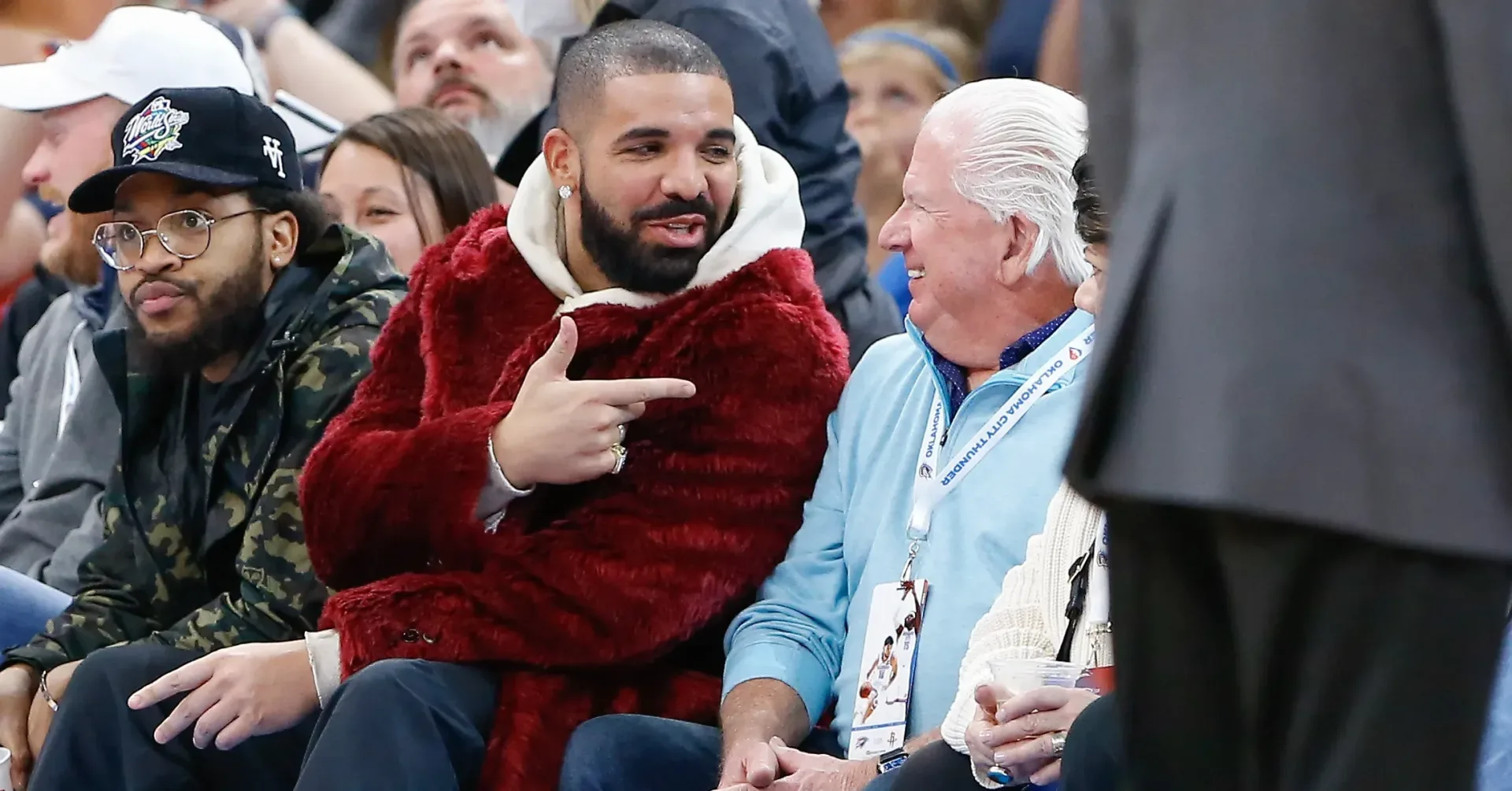
That broader intersection of hip-hop legacy, business identity and high-value personal artifacts remains visible elsewhere in the culture, including the recent listing of Drake’s Take Care-era jewelry set. Jay-Z’s story, though, is less about an object or a brand than a recurring personal calculation: how much of the public role is worth accepting in order to keep creating?