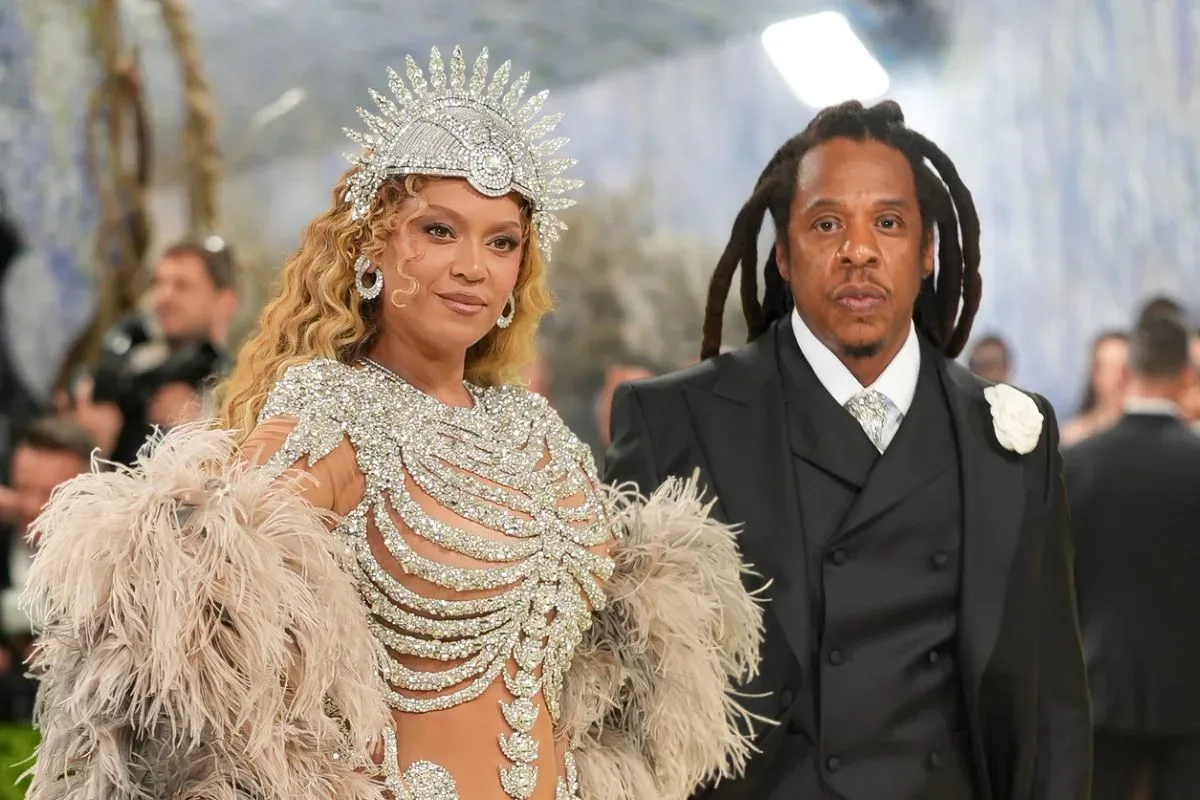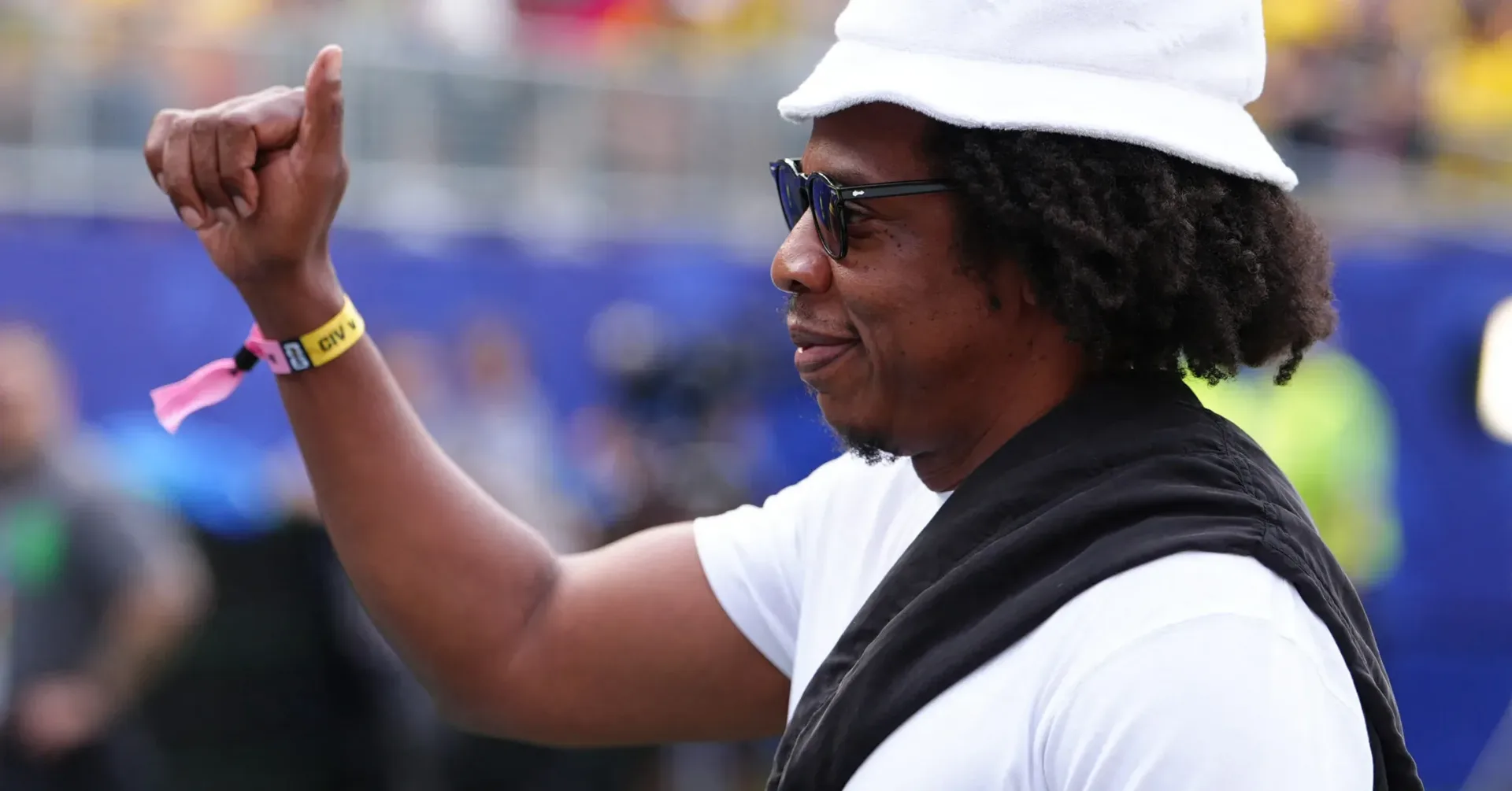
JAŸ-Z’s anniversary run has expanded from landmark albums and sold-out live dates into a new screen project. The rapper and producer Rick Rubin attended a Sunday premiere for JAŸ-Z In 8, an eight-part documentary series due on HBO Max this Friday. The event took place at the Metropolitan Opera House at Lincoln Center in New York, giving the creative-process-focused project a notably grand setting before its streaming debut.
The premiere’s attendee list reflected the unusual cultural reach of a career being revisited from several angles at once. Leonardo DiCaprio, Fat Joe, SZA, DJ Khaled, Robert Kraft, Michael Rubin, Yo Gotti and Daniel Kaluuya were among the recognizable names reported to have been present. It was a cross-section of musicians, actors, business figures and sports-world personalities—the sort of room that suggests the occasion was about more than simply putting another music documentary on a calendar.
For fans, the immediate headline is straightforward: JAŸ-Z In 8 is scheduled to arrive as an eight-part HBO Max series and is set to examine JAŸ-Z’s creative process, including the making of some of his biggest projects. The structure matters. Eight installments give a project room to linger on decisions, collaborators, studio methods and the evolution of material rather than treating a decades-long catalog as a rapid sequence of career highlights.
There is still much that has not been detailed publicly. No full episode-by-episode outline, runtime information or complete list of albums and songs covered was provided alongside the premiere report. That makes it wise to avoid assuming exactly which recording sessions, eras or collaborators will receive the deepest attention. But the stated focus on the work itself gives the series a different potential lane from a conventional biography built primarily around chart history and celebrity mythology.
An anniversary year with unusually big milestones
The series arrives while JAŸ-Z is marking two major points in his discography: 30 years of Reasonable Doubt and 25 years of The Blueprint. Those records occupy distinct places in his catalog and in rap history, so celebrating both in the same period makes this more than a standard anniversary lap.
Reasonable Doubt represents the early foundation of the artist’s recorded legacy, while The Blueprint stands as a later defining release. A documentary built around creative practice has an opportunity to connect those anniversaries without reducing them to commemorative numbers. The useful question is not only how old the albums are, but what listeners may be able to learn about the choices that made them enduring projects in the first place.
That timing has also sent JAŸ-Z across major cities for shows in New York, Paris and London. Each date was sold out, underlining that the anniversary framing has become a genuine live-event draw rather than a quiet archival observance. The run has renewed attention around the catalog while also putting pressure on any new release to feel purposeful rather than merely opportunistic.
It is worth separating documented plans from the wider online excitement. Talk of a new JAŸ-Z album has been circulating, fueled in part by the momentum around the anniversary dates. However, there has been no confirmed new project in the information surrounding the premiere. At this stage, an album remains speculation, not a release announcement. A docuseries about the past can absolutely inspire hopes for the future, but it is not itself proof of a new studio record.
Why Rick Rubin’s involvement is a notable part of the setup
Rick Rubin’s presence places another well-known creative figure at the center of the project. Rubin has long been associated with influential work across rap and other genres, and his appearance alongside JAŸ-Z at the Metropolitan Opera House indicates that JAŸ-Z In 8 is being framed around craft as much as cultural stature. The available details do not spell out Rubin’s on-screen role, production responsibilities or how extensively he appears throughout the eight episodes, so those specifics will need to wait for the series itself.
Still, the pairing makes conceptual sense for a program described as a look inside an artist’s process. Great music documentaries often work best when they pay attention to the mechanics usually hidden behind the finished recording: discarded ideas, sampling decisions, lyrical revisions, sequencing debates and the interpersonal dynamics around an album. Whether this particular series includes all of those elements is not yet established, but a format centered on process invites viewers to look for that level of detail.
That is especially relevant with an artist whose work has been discussed for years through intersecting lenses of songwriting, production, entrepreneurship, competition and cultural influence. A conventional retrospective can easily get swallowed by achievements. A process-led series, by contrast, can potentially make room for the human work underneath the accomplishments—the paths taken, the choices rejected and the discipline required to build material with staying power.
A premiere crowd built around more than one audience
The Lincoln Center audience also hints at how broad the intended conversation may be. Fat Joe, SZA, DJ Khaled and Yo Gotti represent several corners of contemporary hip-hop and R&B visibility. DiCaprio and Kaluuya bring film-world recognition, while Kraft and Michael Rubin connect the night to the business and sports sphere. None of that confirms appearances in the series, interviews within the episodes or creative participation; attendance at a premiere should not be treated as a cast list. It does, however, show the degree of interest generated by the event.
For a figure of JAŸ-Z’s stature, that kind of turnout may not be surprising, but it remains meaningful. The project is landing in a moment when artists’ archives, tours, deluxe editions and documentaries increasingly compete for attention. A formal premiere at the Metropolitan Opera House, attended by people from multiple industries, helps distinguish this series from a routine promotional upload. It positions the documentary as an event tied to a career whose influence reaches well beyond rap’s usual media cycle.
Music culture also has a habit of treating “access” as a promise without always delivering much beyond polished recollection. The strongest test for JAŸ-Z In 8 will be whether it makes the promised creative view feel specific. Fans will likely be watching for clarity about how major work came together, not merely a parade of famous faces affirming that the work mattered. The series has eight episodes in which to make that distinction.
What is confirmed, and what remains open
The firm details currently available are limited but substantial: JAŸ-Z In 8 is an eight-part documentary series; it is associated with JAŸ-Z and Rick Rubin; its focus is JAŸ-Z’s creative process and the development of major projects; and it is scheduled for HBO Max on Friday. The Lincoln Center premiere has already happened, with the reported attendees listed above.
Several other points remain unresolved. The reported wave of anticipation for new music has not been matched by confirmation that a new JAŸ-Z album exists or is imminent. Likewise, while the anniversary shows in New York, Paris and London were sold out, the documentary should not be presumed to function as a direct rollout for unreleased music. Keeping those categories separate is important when a major artist’s every public move can generate instant theories.
JAŸ-Z’s next performance is slated for SoFi Stadium in Los Angeles after the docuseries release. That gives the week a clear sequence: the premiere has put attention on the program, HBO Max is next, and a major West Coast performance follows. It also gives audiences different ways to revisit the same legacy—through a serialized look at creation and through a stadium-scale live setting.
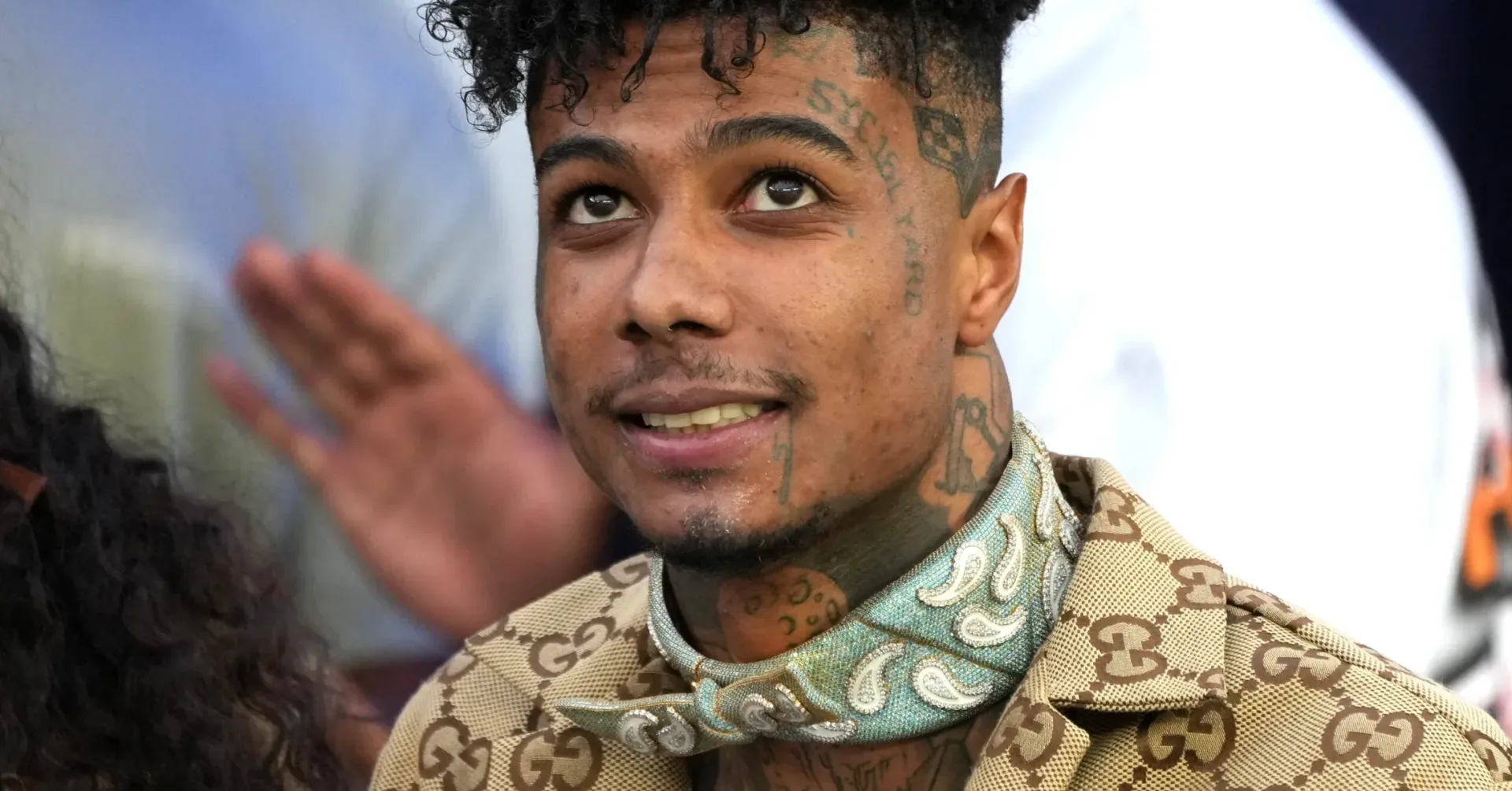
For readers following the wider intersection of music, celebrity and internet-era attention, our coverage of Blueface addressing a swatting incident in Miami explores a far more troubling side of public visibility. In contrast, the attention surrounding JAŸ-Z In 8 is currently centered on an organized premiere and an upcoming official release—but both stories underline how quickly entertainment narratives travel across platforms.
The appeal of an eight-episode look behind the catalog
A documentary series cannot recreate the conditions in which classic albums were first heard, and it should not need to. Its value lies in offering another entry point: a way to revisit familiar work with more awareness of the thinking, labor and context behind it. In JAŸ-Z’s case, the overlap of the Reasonable Doubt and The Blueprint anniversaries creates a particularly strong reason to take that second look.
Whether the show becomes essential viewing will depend on what it reveals once viewers can see all eight chapters. The premiere made clear that interest is high, while the sold-out international shows demonstrate continuing demand for the music itself. For now, the most concrete takeaway is that a carefully staged celebration of the catalog is moving onto HBO Max this Friday, with Rick Rubin alongside JAŸ-Z and a substantial amount of expectation attached to what those eight episodes may uncover.